Showing posts with label writing. Show all posts

København field notes

Friday, November 13, 2015

Following two recent visits to Copenhagen, I am tempted to conclude that it is my favorite of the Scandinavian cities. It just does everything right. In its own way, with its Acne scarf-wearing babes on bikes, number of dark TV productions, and white hot dining scene, it has become a modern icon. At the risk of irking Oslo and Stockholm, the current Scandinavia trend sweeping across the US and Europe owes alot to Copenhagen. With a strong, playful zest for life anchored by an always present Nordic functionality and sensibility (and a generous, accommodating welfare state), life in Denmark is pretty good.

As far the Scandinavians go, Danes closer resemble Continental Europeans in that they smoke and drink more. This is part of a generally larger premium on social and quality of life activities. They are a fun bunch, and it is to no surprise Danes are thought of as the “Italians of Scandinavia”. Norwegians enjoy the good life, too - but are generally more reserved and outdoorsy. Expression is muted the further north you go here. That said, however, the relative coldness of Scandinavia is still there. It is no Nicaragua or Uganda - economically impoverished places whose locals have hearts of gold.

It is just things are more blunt, forward, and matter-of-fact. Like in Norway, “beating around the bush” isn’t much of a thing. People are straightforward, to-the-point, and relatively lacking in emotional expressiveness. I will likely catch some flack for writing this, but these are traits worsened - or at least made less desirable - by the sheer ugliness of the Danish language. An extraordinarily difficult language to learn (as well as among one in which native speakers take the longest to learn), it is an exceedingly rough and convoluted, throaty tongue. Norwegians and Swedes joke about Danes sounding as if they speak with “potatoes in their throat”. All love from my end, though.

And their bikes. Bikes are everywhere in the dense, largely flat Danish capital. From bicycle highways and overpasses to the familiar scenes of building façades and courtyards packed with them, it would be an understatement to say bicycles are anything but extremely popular. Crossing a street without looking, you are more liable to be hit by bicycle than automobile. Bicycles are very much a fundamental part of the Copenhagen, and indeed Danish, psyche. Indeed, many distances in the Danish capital are measured by bicycle traveling time, and not that of mass transit, much less that of the automobile. A 30-minute walk can turn into a 10-minute bike ride quite easily.

As always, the food scene is one worth mentioning. From almost better-than-in-Italy pizza at Bæst (my pizza had asparagus, house-made mozzarella, and pork cheek salami) to late-night delivery fried chicken (halal, of course, as is par course for chicken/pizza/kebab take-out in Europe), Copenhagen has a dining scene most cities can only dream of. And while I don’t dwell much on the Michelin Star-studded scene for which the city is best known, I nevertheless manage to eat quite well, focusing on the city’s many, tasty street and mid-level options.

One noticeable trend has been the proliferation of Michelin-starred chefs leaving the white table cloth and molecular world for simpler and more casual pursuits, going on to open hot dog, sandwich, and even taco operations. Hija de Sánchez, a market stand opened by the pastry chef of Noma, is my favorite such example. The tacos with chicken mole and sube, quesadillas and pasadilla sauce, along with pickled jalepeño and carrot salsa, amount to what is by far the best Mexican food I have come across in Europe. And that market hall - Torvehallerne - with its organic produce vendors, curated tapas and natural wine bars, Coffee Collective outpost, and Vietnamese banh-mi takeaways, is one of the better upscale food halls in Europe.

For a café concept, Lillebrør, the informal daytime operation of critically-acclaimed restaurant Brør. I have not come across a more tidy and well-run cafe in quite some time. District Tonkin, a cute banh-mi focused operation in the city’s posh Fredriksberg district, consistently puts out what is some of the best Vietnamese food in Europe, a food often difficult to get right in Northern Europe. Fafa’s, a Finnish (!) falafel import on Store Kongensgade, has falafel that easily puts to shame that of the innumerable Middle Eastern carryout kitchens in Scandinavia. Its goes on, and it goes on.

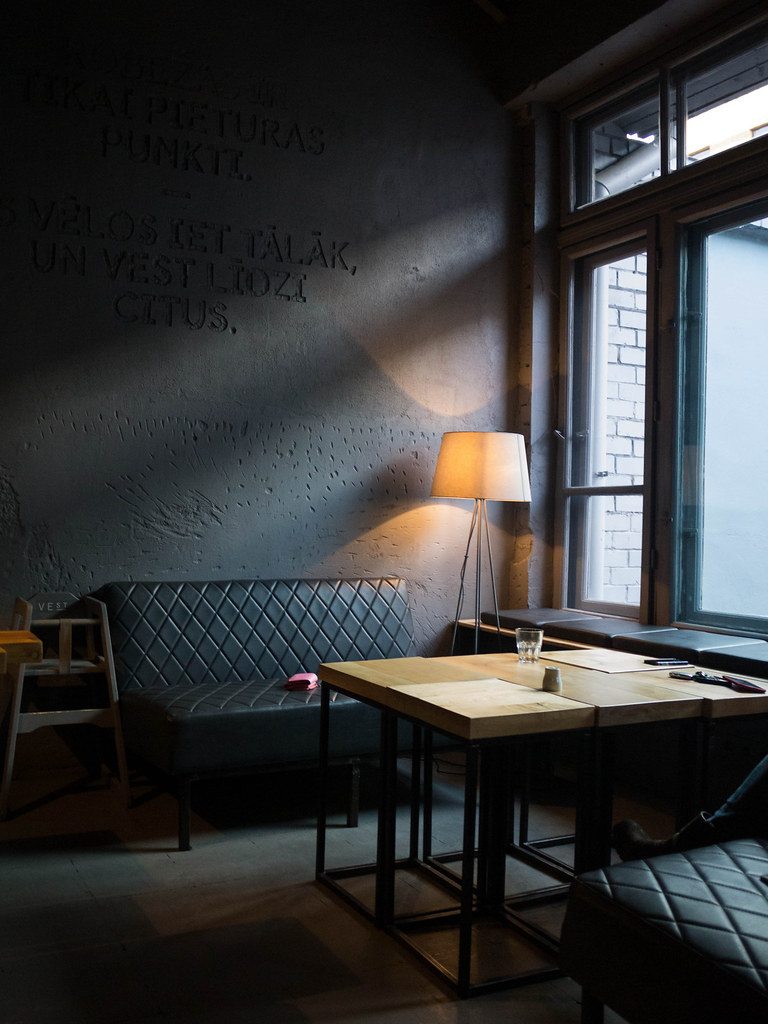
Finally, the beer scene, which deserves its own merits and appreciation, is a dream. Amid the countless weak, mass market, "traditional" lagers, ales, and pilsners that hold sway across the continent, Denmark's beer scene is among the best and most experimental in Europe. Mikkeller is a godsend. They are quite literally putting out some of the most innovating and game-changing beers around. I visited all three of their Copenhagen-area operations: Mikkeller Vesterbro, Mikkeller and Friends in Nørrebro, and Warpigs, the American BBQ-themed collaboration with Indiana brewery Three Floyds. Lidkoeb, with its slick mid-century inspired theme and smart Scandinavian modern furniture, is another gem of a bar, and offers killer cocktails and a exclusively house IPA brewed by Evil Twin Brewing (see NYT article on love and hate - but mostly hate - relationship between the Mikkeller twins).

Mikropolis, a cute bar decked out in warm mood lighting and oak furnishing, is the last place I will mention in this post. Mikkeller's own website describes it as: "a small cozy cocktail bar with 10 beer taps and a bold bottle list. Or maybe it’s a beer bar with great cocktails and a huge spirit selection." and "Stearing [sic] clear of sponsorships and deals with satan & the big four spirit companies, Mikropolis’ back bar offers a wide variety of micro distilled products from all over the world, hand picked by mr. Nando." Either way, it is well worth a visit for the budding craft beer enthusiast tired of the lame, unsatisfying, mass market beers ever-so prevalent these days.


P1480488
Interior at Han Kjøbenhavn.
P1480505
Falafel platter at Fafa's.
P1480530
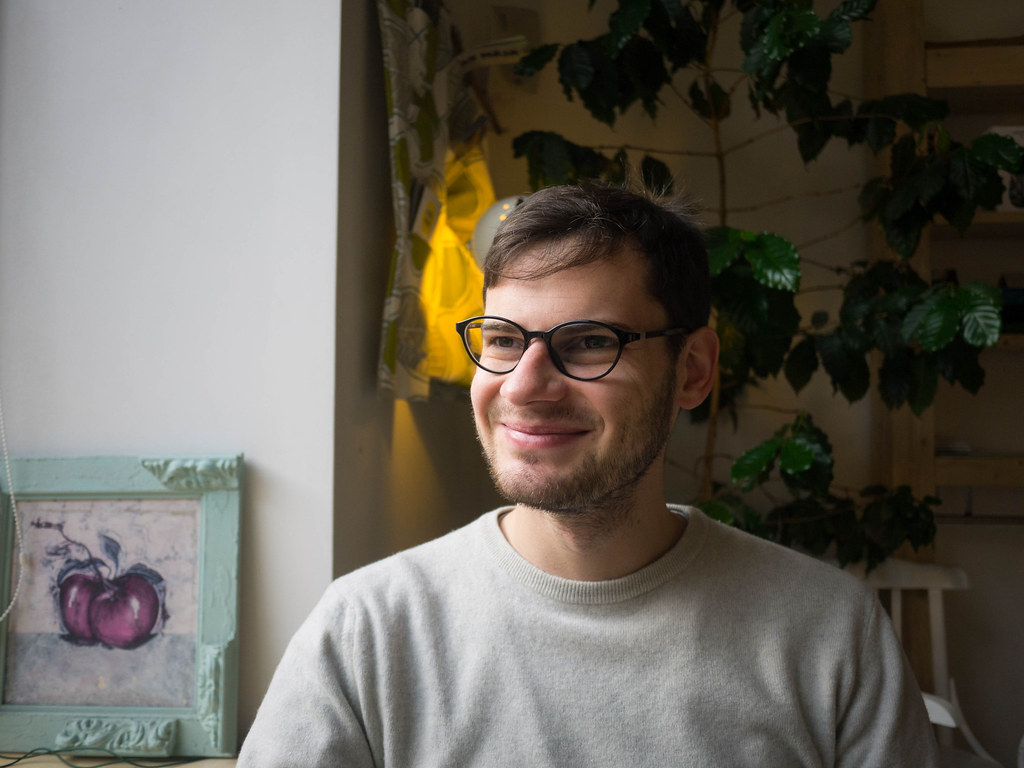
Michael, Café lillebror.P1480619
Early dinner crowd at Bæst.
P1480586
The Royal Library ("Det Kongelig Bibliotek"). schmidt hammer lassen, 1999.
P1480601
Street scene on Nørrebrogade.
P1480646
Saab stories. Hellerup.
P1480676
Courtyard vibes in Østerbro.P1480721
The smartly-renovated Israel plads, directly opposite Torvellerne.
P1480784
Danes enjoying a beer on the waterfront.  P1480790
Copenhagen Opera House. Henning Larsen, 2001.P1490390
At Lidkoeb.

We meet again, Berlin

Monday, March 9, 2015

This past weekend, I made my first trip to Berlin since leaving in late 2012. A city I have always been conflicted on, I was surprised at how memorable and personal the city still was to me. Given the exhaustive debate on gentrification and supposed overdevelopment, I expected drastic changes: more or less a city entirely rebuilt in my wake. Berliners, the European torchbearers in the fight against gentrification, hipsterdom and antinazism, have been very vocal on these topics. Owing to this, it was reassuring that so many of my favorite places had barely changed, if it all. With the exception of higher rents and more smokey, minimally decorated bars on side streets, it was like I had never left. 

Needless to say, I easily melted back into a few old favorites. Five Elephant Coffee, a coffee shop and roastery on Reichenberger Straße, has excellent roasts and an even better cheesecake made by the German wife of Kris, the Massachusetts expat and part-owner. While always a quality and well-regarded coffee roaster, they have seemed to significantly raised their profile as of late, selling coffee abroad and serving coffee at the German Aeropress Championship. I am convinced that on a sunny day, on bike or with coffee or beer in hand, a walk along the nearby Landwehrkanal is pretty much as good as it gets in Europe.

City Chicken, a Lebanese rotisserie chicken joint where the workers never fail in greeting me as “habibi”, has gargantuan portions and some of the best fast-casual Middle Eastern around. The #1, which has a ½ rotisserie chicken, french fries, salad, pickled cabbage, hummus, garlic sauce and pita, all for €6, is my personal favorite. Kimchi Princess, a new, much-talked about Korean restaurant steps away from the Görlitzer Bahnhof U-bahn station, was delicious but its complicated ordering system and expensive prices left me wondering if it was indeed worth the hype. The Bird, which labels itself as a NYC-style steakhouse, wavers between a solid burger game and ineffectual customer service. Hidden in its lower-case only English language menu are its “ghetto,” “ghetto deluxe,” and “drunk ghetto” burgers, seemingly an indictment of the “ghetto-chic” fascination sweeping Europe. On my return flight, the Ryanair in-flight magazine featured an article on African culture (!) in Paris, entitled “G if For: Ghetto Concept Store.”

It was refreshing to partake in the many, often sinful things that Berlin has that Oslo does not, or that it has at vastly cheaper prices. Being able to buy a drink any time, any day - and should I wish to, enjoy it on the street - is one example. Or going out for a meal and not dropping $20-$30. Norwegian food and alcohol prices are criminal. Only caveat: you have to really enjoy pilseners to get the most out of Berlin’s drinking scene. Man, this Californian laments and misses easily obtainable and drinkable IPAs. As an architectural enthusiast, Berlin’s circus of polarizing, conflicting architecture styles is always a delight. Though I did not make it out to Mies’ timeless Neue Nationalgalerie, I did revel in the battered façades of my old stomping grounds - Kruezberg and Neukölln - and the austere post-war Modernism vision prevalent in West Berlin. Scattered in between are several examples of avant garde contemporary architecture. I visited both the Holocaust Memorial and Jewish Museum, things I never got around to doing while living in Berlin.

For those with the impression that East Berlin is the German arbeiter of all things depressing and inhumanely scaled, West Berlin gives the formerly communist East some serious competition. As the wealthy, capitalist West had the resources to initiate and implement ambitious building schemes, and the money to draw ranking architectural talent of the day. Much of the former West feels empty, soulless and commercialized in the saddest of ways. The cool, new 25hours Hotel Bikini Berlin, a redeveloped mid-century shopping mall, is a step in the right direction - finally a stronghold of Berlin’s popular youth culture in the old, bourgeoisie West. Overlooking the city’s neglected and underfunded Zoo, the views from its rooms and indie boutiques are surprisingly quaint and romantic.

For all of my love for Berlin, coming from Scandinavia, some things feel decidedly old school. The cash-only restaurants; smoking in bars; broken, dog shit-covered sidewalks; men’s only Turkish/Arab shisha houses and gambling rooms. Sonnenallee, a major north-south thoroughfare in Neukölln, best exemplifies this. Even if payment machines accepted cards, they almost certainly would not accept chip-lacking American models. That, the relative absence of meaningfully employed youth, and the strong aversion to smartphones (The Wire-like burners are still a thing) and such, can definitely lend a circa-1978 quality to the city. Still, with its colorful and often tragic history, laissez-affaire approach to life, and bristling with youthful energy, Berlin is a city forever in my heart, warts and blemishes and all.

P1480391

Fernsehturm, seen from Mitte.
P1480249
Morning scene in Neukölln.
IMG_5179
Interior view of The Barn Roastery.
P1480245
A German flag hanging on Donaustraße. German flags and expressions of national pride have grown increasingly commonplace in the years following the 2006 World Cup. P1480288
Futurism architecture at Kottbusser Tor.  P1480320
One of my favorite Brutalist buildings in Berlin: the (former) Czechslovakian Embassy (1978).
P1480276-2
Interior of Five Elephant Coffee. Kreuzberg. IMG_4872
Coffee and cheesecake at Five Elephant. P1480177
The #1 at City Chicken.
P1480197
Bauhaus architecture in Neukölln.
P1480219
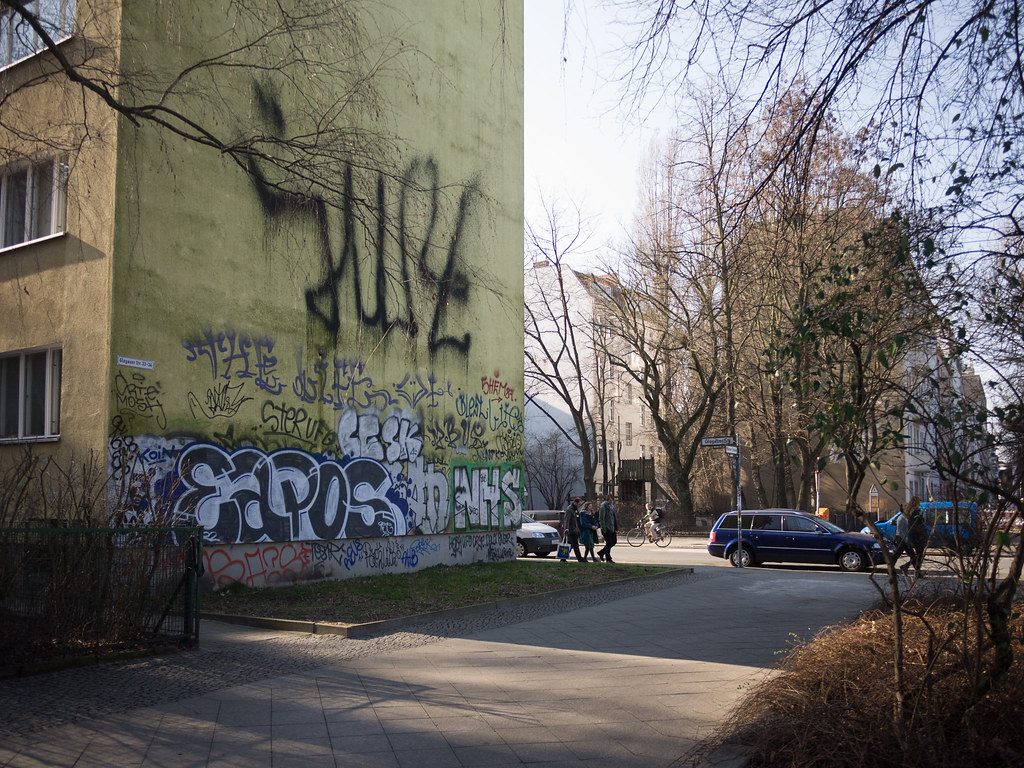
Typical Berlin being Berlin. Görlitzer Park.
IMG_5083
House-made chocolate-almond cake and a Burundian Murata (muscovado, grapes, clean) coffee at The Barn's Mitte roastery.
8257828572_59290ba9e3_o
And a parting shot from when I actually lived in Berlin: Hermanstraße, December 2012.

Vilnius, Lithuania

Saturday, December 13, 2014

Vilnius, Lithuania. As my good friend and fellow student of international relations put it: “the EU Orient.” Fittingly enough, seeing how the city of 540,000 is 30 minutes from the Belarusian border, and a mere 180km from Minsk. Vilnius was a city I visited with next to no expectations. Simply put, I saw its relative proximity (to Riga) and thought it would make for an opportunity to explore another somewhat hidden and mysterious Eastern European capital. I am glad we went ahead and visited. Vilnius has proven to be one of the bigger surprises in all of my European travels.

Vilnius is a charmer. Exceedingly cozy and walkable, the city is provincial in its charm and feel. The neo-Baroque, church spire-studded city center is, for a lack of other words, adorable. And a bit reminiscent of Rome - or even Lima - with all of its grand, imposing Catholic churches. Rest assured, though, for all of Vilnius' beauty, my first impression was an older, cigarette-smoking city bus driver speeding down a small street, rosaries dangling and all. For all of its economic growth and modernization, this still was, after all, the former USSR. 


In light of the sometimes negative stereotypes Lithuania has in Western Europe - mostly pertaining to criminality - it is refreshing and somewhat necessary to visit and see the country first-hand. While Vilnius is certainly more run-down and neglected than any number of wealthier capital cities, it is nevertheless modern and contemporary in aesthetic, and is years away from the corrupt, dour, and dowdy capital some make it out to be. I don’t think many Europeans, and especially non-Europeans, realize how modern and up-to-date parts of Eastern Europe really are. Yes, the cool coffee shops (two of them, lol), trendy art spaces, craft beer and cocktails, and minimalist locavore restaurants are all there. But that Lithuanian beer, tho. At €2.50-3.00 for a local IPA, there wasn’t a beer I didn’t enjoy. The strong and flavor-forward craft beers were a refreshing change from the weak, watered-down pilsners you come across in much of northern Europe.

Looking from abroad, Vilnius felt much more certain and defined in its Lithuanian identity versus Riga and its conflicting Latvian/Russian identities. And even amidst record levels of mass emigration - Lithuanians are the fastest-growing immigrant group and third-largest immigrant group overall here in Norway, and Lithuanian healthcare workers and post-grads are already very well-known in the UK - I was happy to see that people, particularly young people, still took pride in their country and its customs, even if there still remains great uncertainty regarding its future. EU statistics confirm what I think largely seems to be true: Lithuanians are the among the most-educated nationalities within the 28-country economic block, and are 1st in the EU for mathematics, science, and technology graduates per-capita. 

With its useful geopolitical location, I believe the educated, multilingual Lithuanian youth generation can successfully leverage their invaluable position between Brussels and Moscow. Perhaps not now, given the political-economic crisis and malaise, but in the future, Lithuanians (and Latvians) will certainly represent a valuable entry point to the large Russian and Russian-speaking population in the former Soviet Union. Regarding tourism, as more and more tourists visit Vilnius - which, right now, remains a hidden gem - and word spreads about the city and its charms, the city’s standing and image will only strengthen. Get in quick, though: Lithuania recently made it to third place on Lonely Planet's "Best in Travel 2015" list.

  P1470783
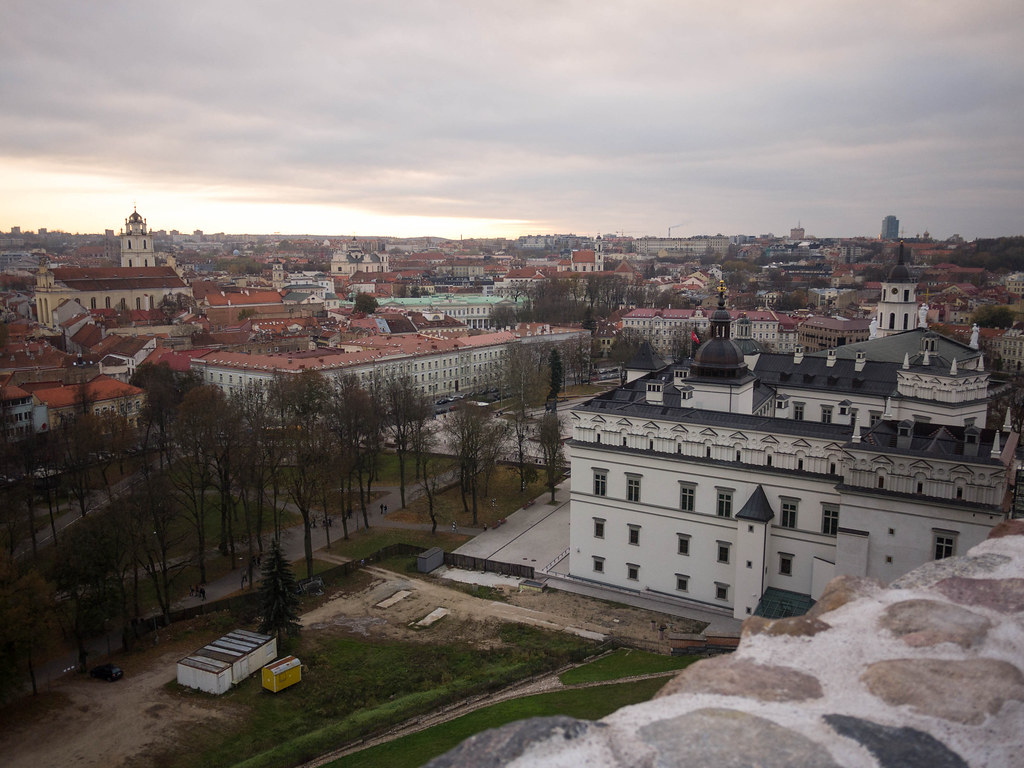
Overlooking central Vilnius.
P1470808
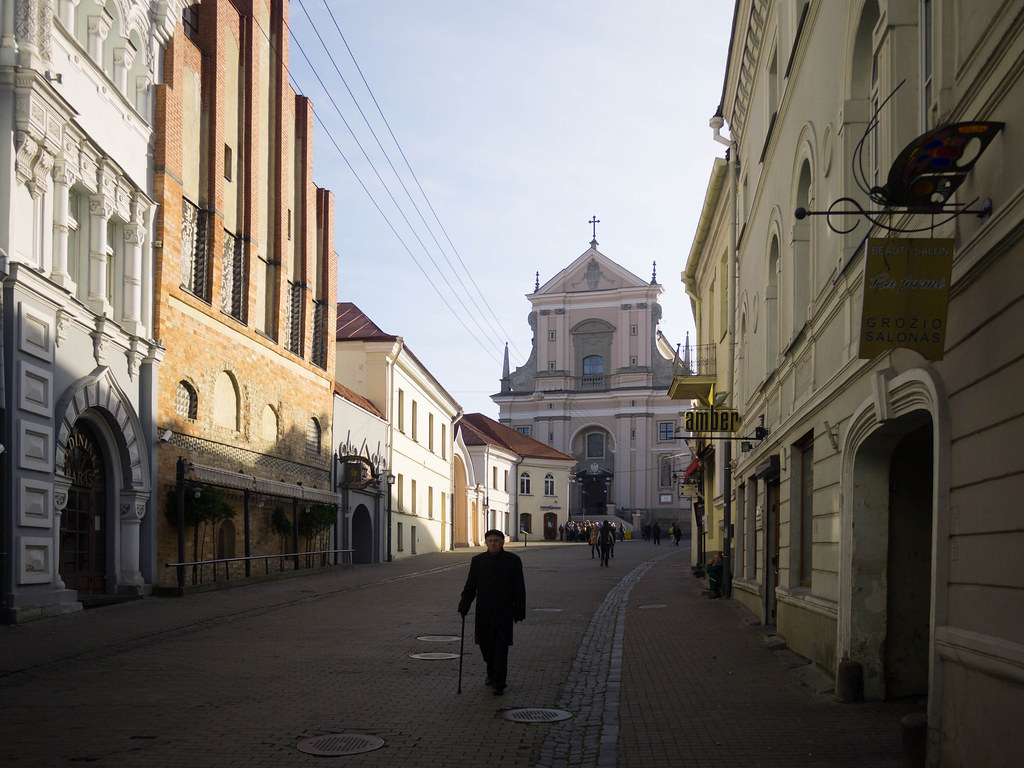
Charming, cozy Old Vilnius.
P1470858
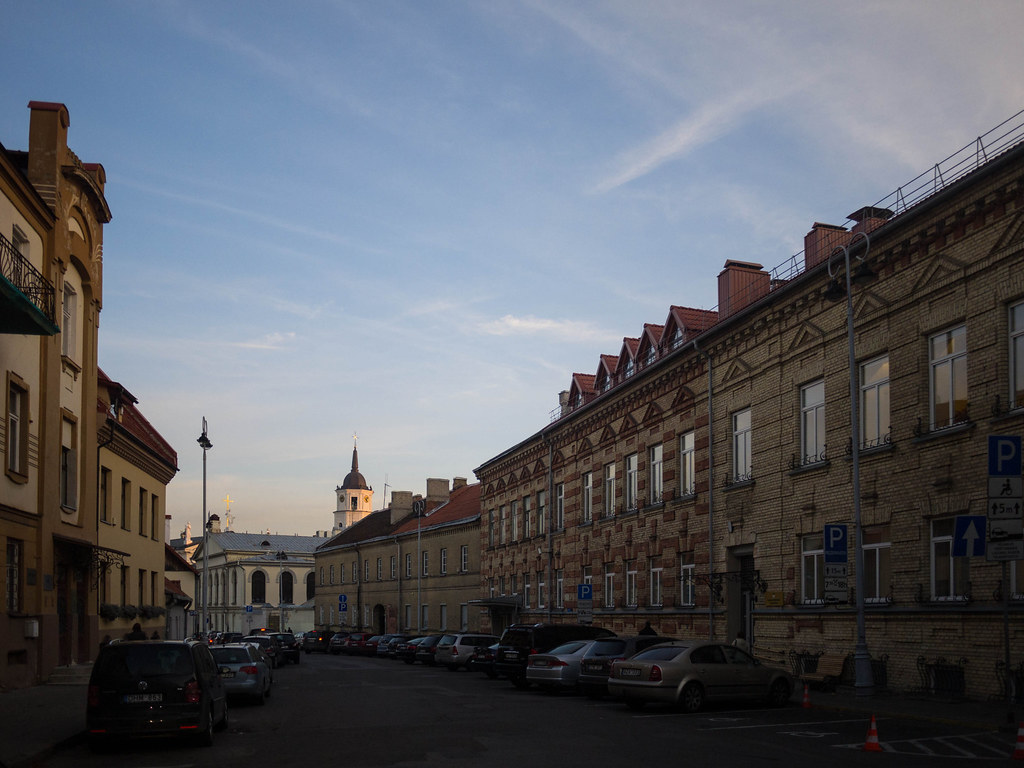
Looking towards Old Vilnius.
P1470885
One of the many picturesque, church-anchored vistas in Vilnius. 
P1470841
Clean and quaint Old Vilnius in all of its neo-Baroque glory. 
P1470749

P1470731
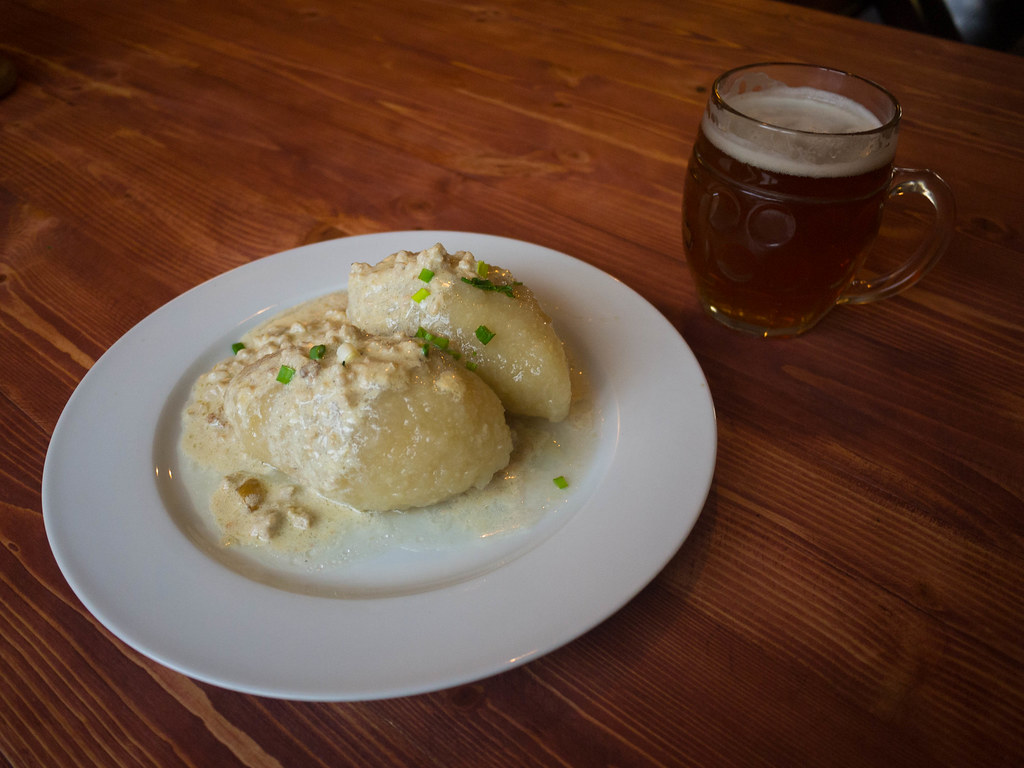
Cepelinai, a typical Lithuanian dish of stuffed potato dumplings with a minced/ground meat filling and sour cream topping. 
P1470789
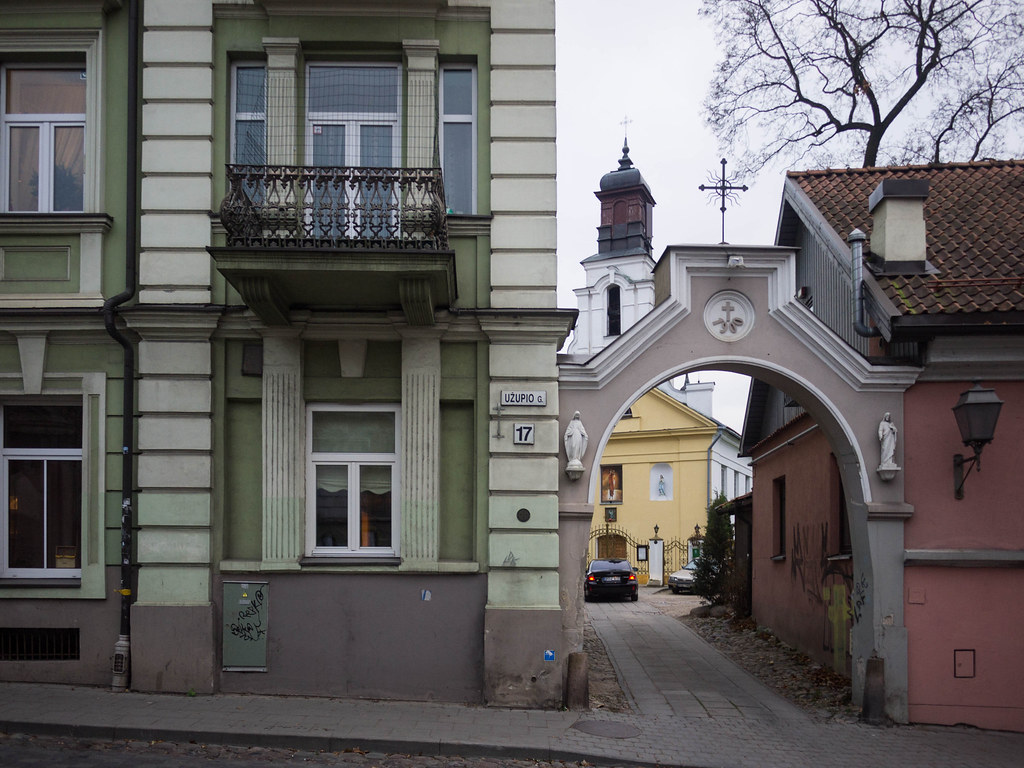
Cozy and Catholic, Vilnius is a city of alleys and courtyards, many of which are often hidden.
P1470820
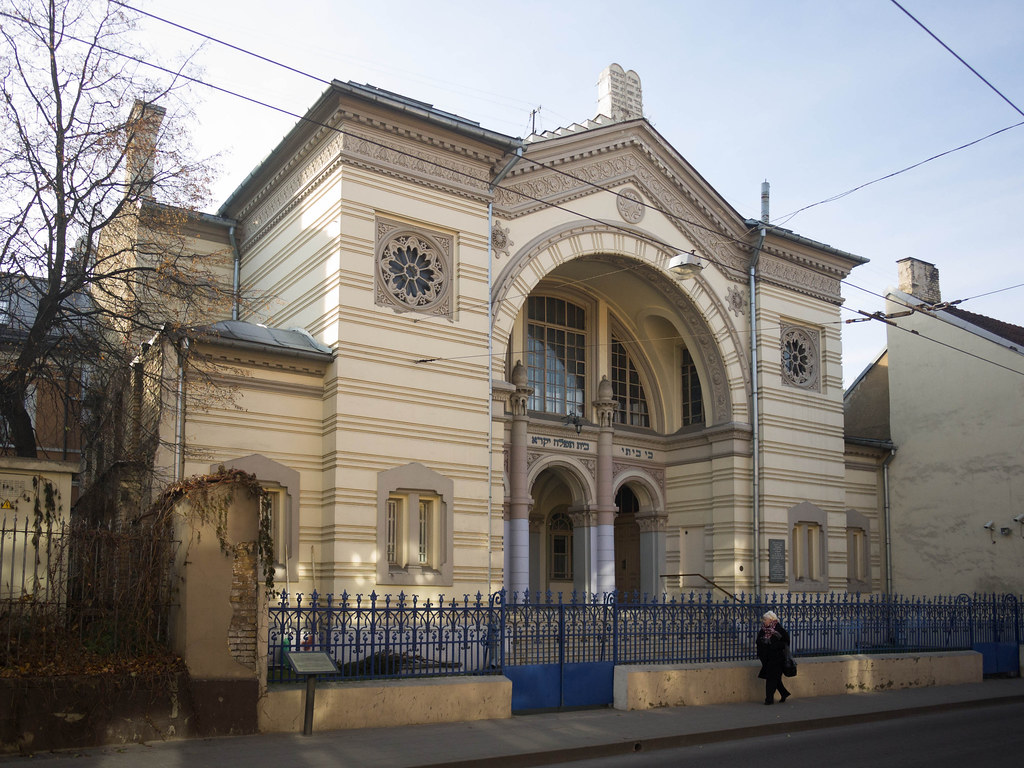
The sole remaining Jewish synogauge in Vilnius. Upwards of 90% of Vilnius' once-vibrant Jewish community was killed during The Holocaust, one of the highest kill rates in all of Europe. 
P1470872
The Lithuanian National Gallery of Art (1980), known as the Museum of the Revolution in Soviet times.
P1470881

P1470758
The "golden hour" at a square in the city center.

Riga, Latvia

Tuesday, November 4, 2014

A beautiful, intriguing, and somewhat unknown part of Europe, I have long yearned to visit the Baltics. Closer to my heart, being a student of international relations (and now international business), the rich architecture, cheap prices, chaotic and often tragic histories made visiting a real priority. Finding tickets for €30, visiting, however short the notice, turned the idea into a reality. Riga, Latvia with its stunning, vast expanses of 19th-century architecture, mind-bogglingly cheap beers, murky Soviet past, and legions of tall, fake blonde women clad in rainbow-colored coats and knee-length leather boots, would be my first stop. For the above reasons and others, Riga endures in my imagination as one of the more mysterious European capital cities. 

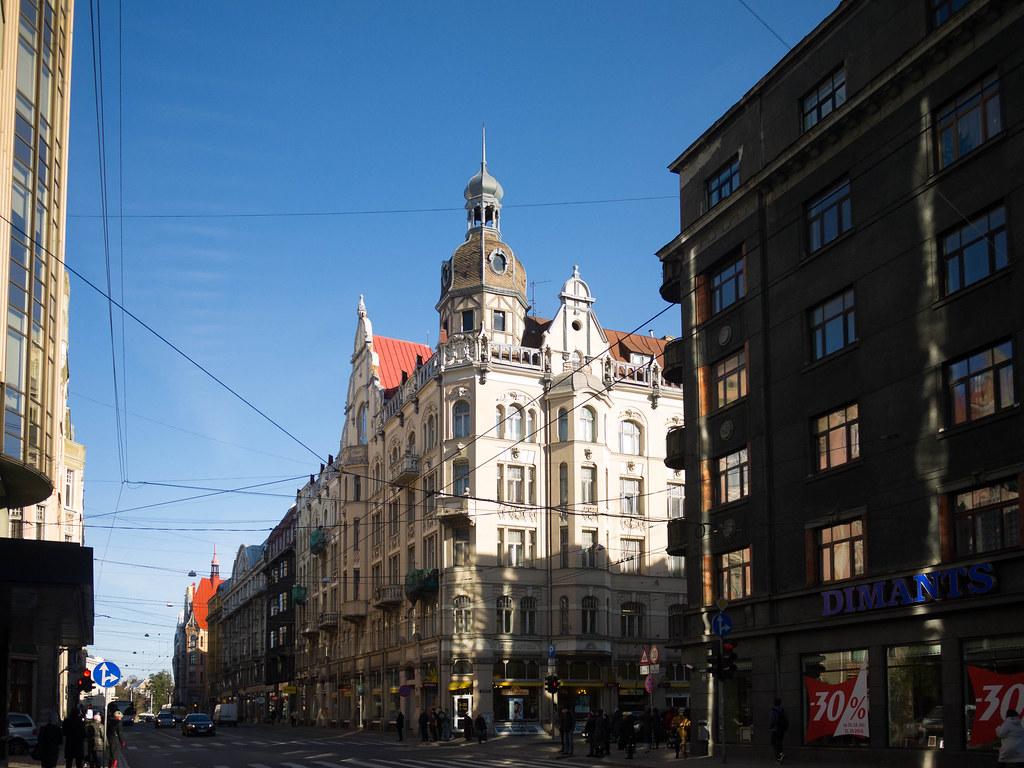
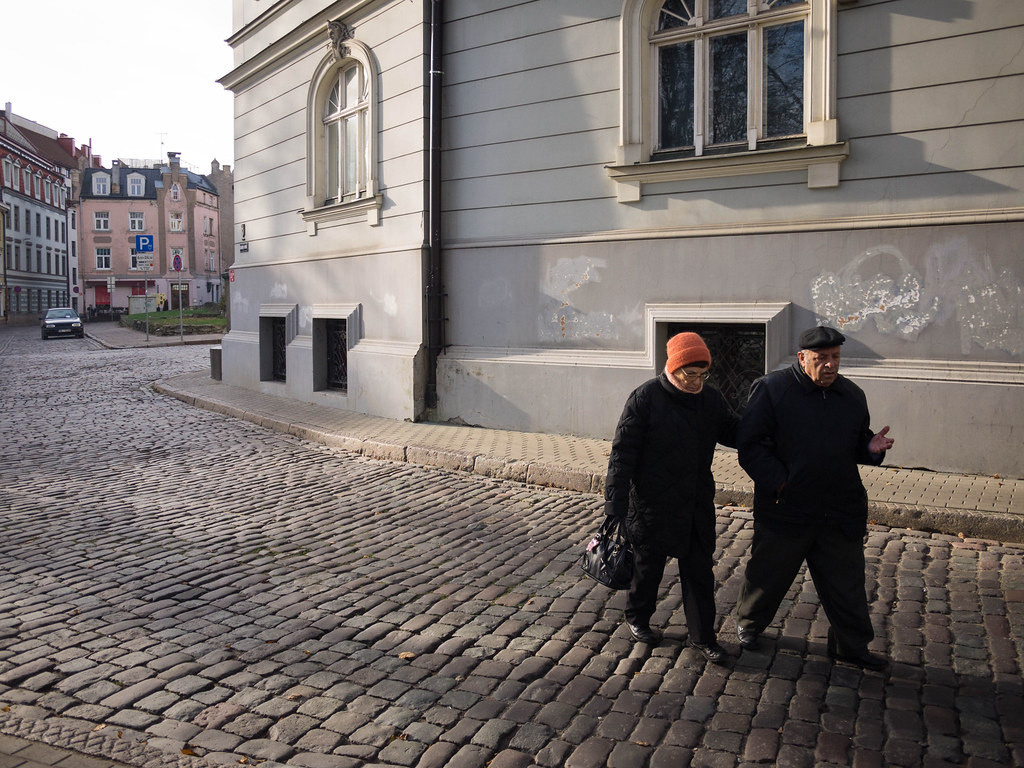
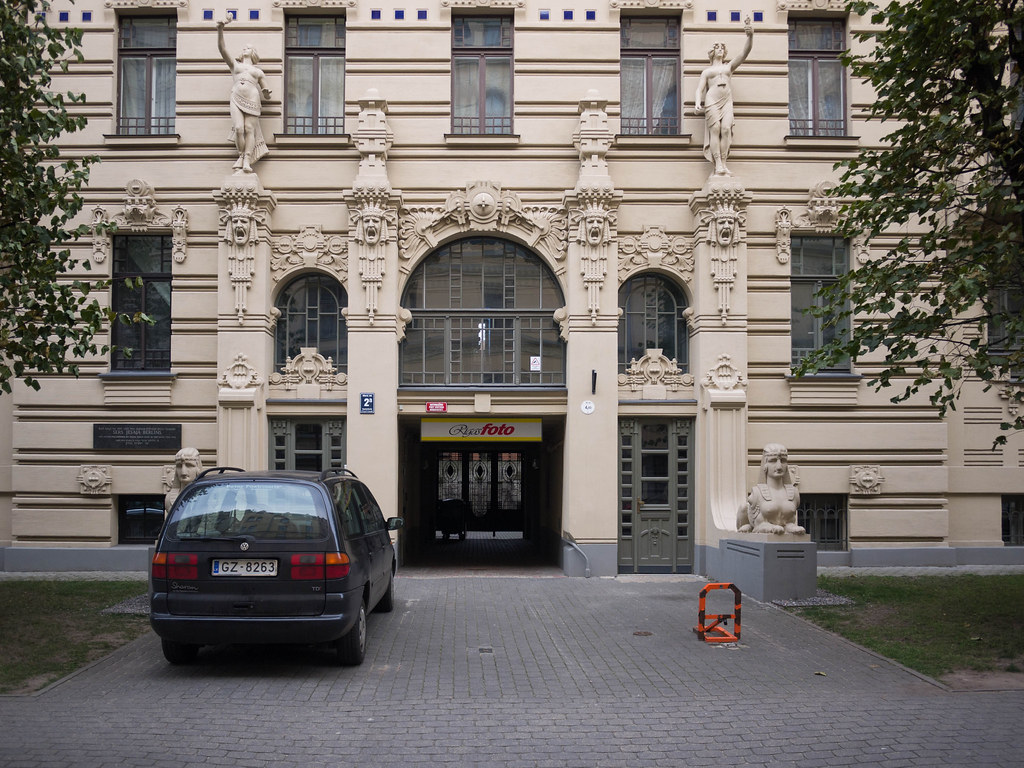
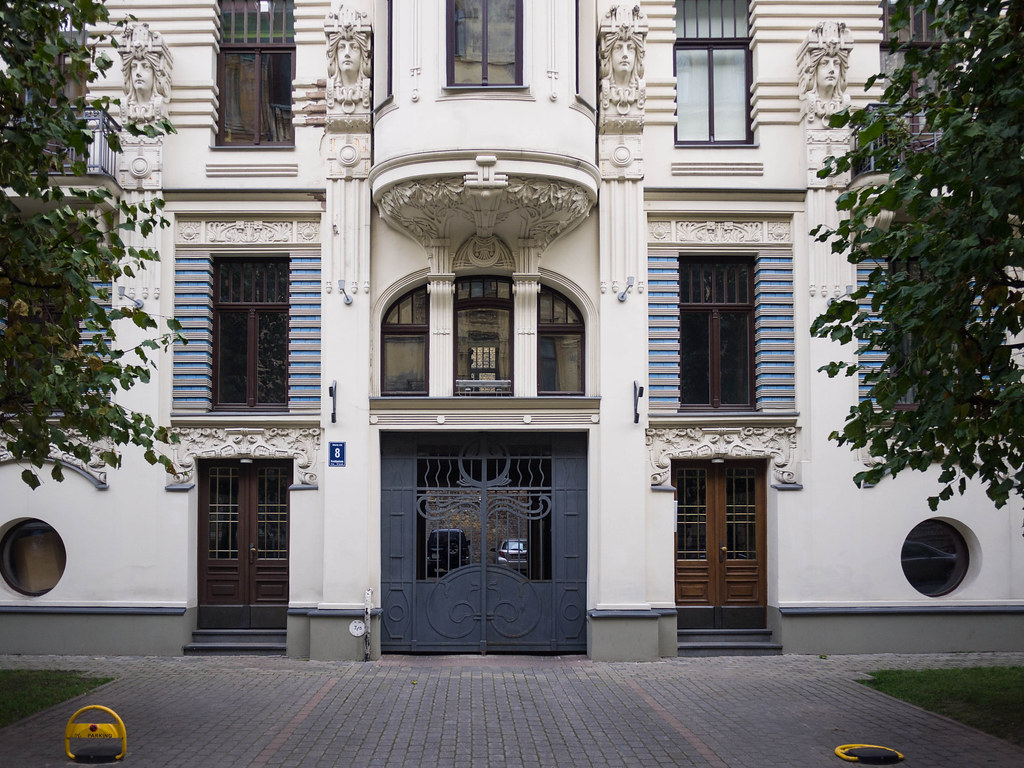
Riga is a lovely and underrated city - certainly one of the most in all of Europe. An Art-Nouveau masterpiece, Riga is one of the most attractive cities I have come across. Detailed guilds, scrolls, and ornaments dominate even the most meek and humble of buildings in the city. The medieval core is a delight, even if full of budget airline tourists and Erasmus students. Indeed, Ryanair and the elimination of visa requirements have almost single-handedly spurred tourism in the Baltics. It is unfortunate, as Riga certainly has the amenities to appeal to and attract a more cultured and responsible traveler. 

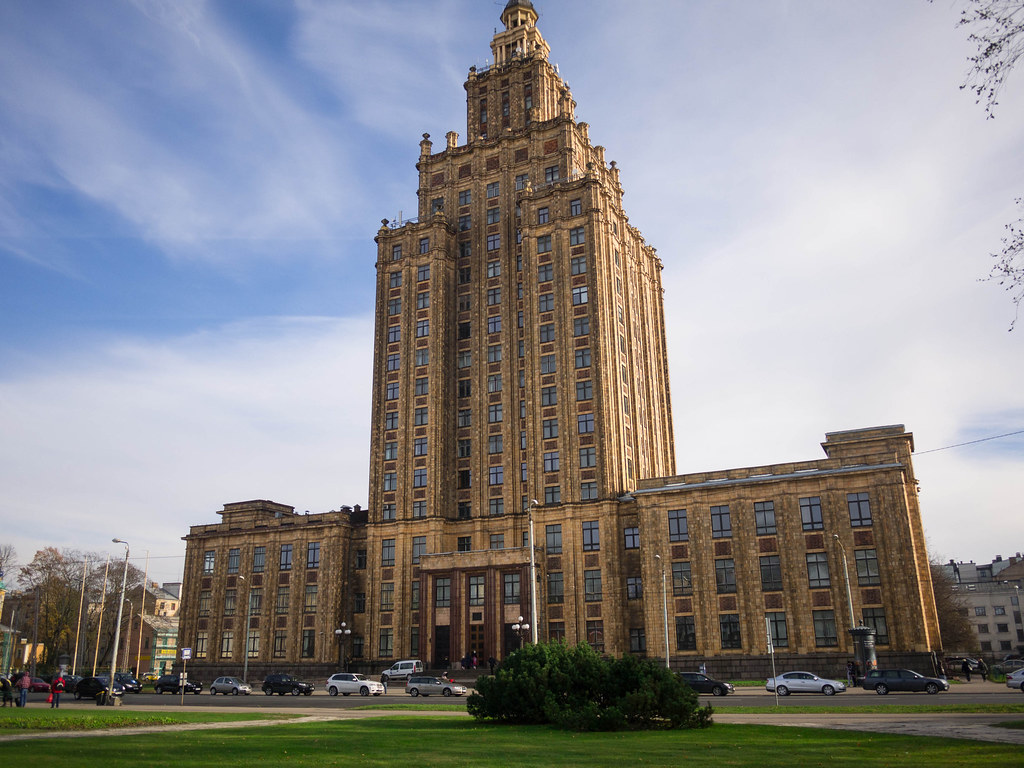
The Art-Nouveau district, among the largest and best-kept anywhere, is a stunner and is unique for any city. The scale of it is impressive: it goes on and on, and easily puts Paris to shame as the preeminent Art-Nouveau destination. A bit sad, though, to see much of it in various states of dilapidation and disrepair. Accordingly, the further one leaves the historic center, the more run down and typically post-Soviet things become. Still, there is a magic in Riga - one that would only become more apparent if things were better taken care of. Were these buildings renovated, I have full confidence Riga would be among the great centers of European pre-war architecture. 

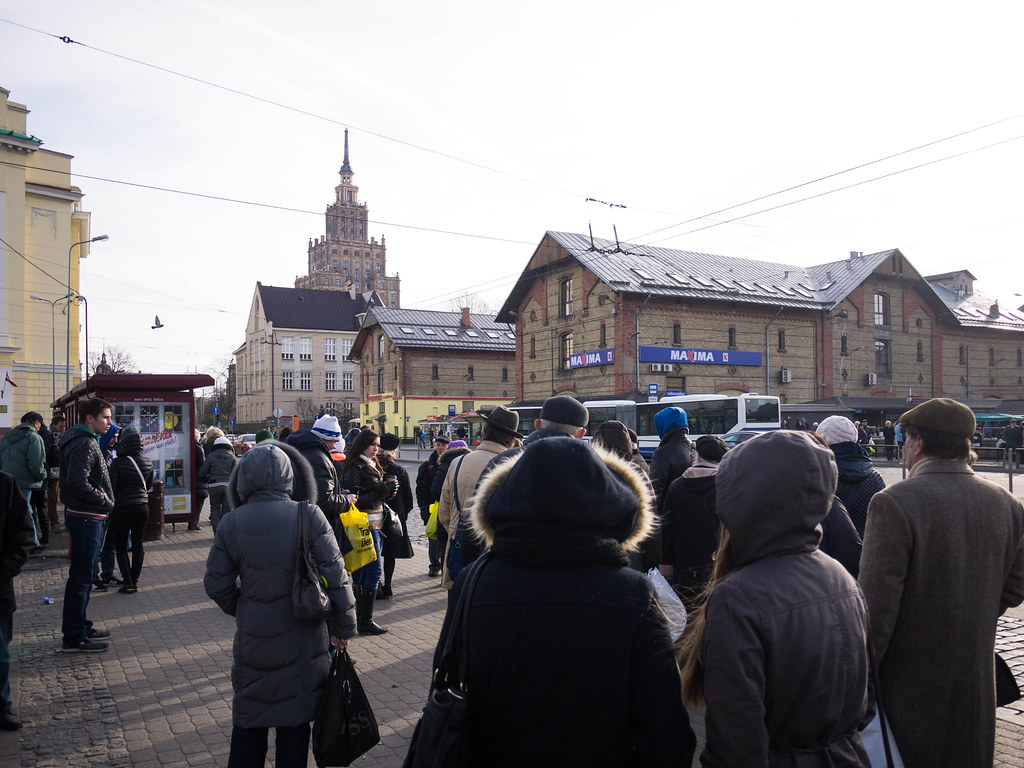
Surprisingly, Riga is a mostly Russophone city, even 25 years following the dissolution of the USSR. In spite of Latvian’s status as an official language and efforts to de-emphasize or weaken the Russian language, a slight majority of Riga’s citizens appear to use Russian in everyday conversation. There is still considerable tension regarding the status of both the language and its speakers, and some 300.000+ persons are stateless in Latvia, largely the result of Soviet-era migrants refusing to adopt Latvian citizenship. Russians still call the shots, and oligarchs and other banking industry refugees can be found speeding across town in their Mercedes GL-class SUV’s and long-wheelbase BMW coupes, while Latvians scoot around in more modest Skodas, or take the bus. 

Indeed, the Russian population in Riga more or less exists as ethnic Russians who happen to “live in a foreign country”, than say, Latvians of Russian ancestry or Russian-Latvians. Precisely because of this, parts of the city felt more like an outpost of gaudy Russian oligarchs abroad than the capital of an independent country. Troublingly, a sister party of Putin’s Russia United party won recent elections. Given this lack of concrete Latvian identity, and its confusing history of Swedish, Polish, German, Russian and Soviet occupations and influences, Riga is akin to a city “somehow” bestowed upon the Latvian people moreso than being the center of that people and their civilization. Vilnius, Lithuania, my other stop on this trip, felt much more organic and Lithuanian in identity. 

This is not a problem somehow unique or limited to Riga, though - which, btw, is a city I enjoy and look forward to visiting again. Throughout the former Soviet sphere, national and ethnic identities are seemingly constructed out of thin air, given the Soviet-era suppression of language, religion, and national histories/cultures. While understandable, some of this national identity searching is so top-down and fabricated that it borders on cartoonish. While “Latvian” culture doesn’t have the questionable and haphazard selection and reincarnation of national heroes in, say, Kyrgyzstan or Kazakhstan, it does seem a bit at odds with reality, in light of the Russian-dominated status-quo.


P1470291


P1470306


P1470323


P1470363


P1470380


P1470426

P1470441

P1470527

P1470570

P1470614

P1470463

P1470650


P1470674

P1470664