First and foremost, I’d like to state that Chicago is a fine city – and I mean that by any stretch or definition of the word. It is in many ways, what I consider to be the story of America: the boom & bust models; strong perseverance, and city/regional identities; the large immigrant influence that transcends assimilation; the yearning for success and prosperity; a city of have and have-nots, along with the severe inequalities and segregation that ensue. Yup, (for the most part) that’s America.
Now that I’ve had some time to really think it over, I felt that this trip to Chicago – perhaps our All-American City –was somewhat of an introduction to the ‘real’ American cities. And while some of the reasons for me thinking this may be a tad bit superficial, and in and of themselves facets transferable to any city, I couldn’t resist the temptation to liken them (Chicago and the 'real' American cities, that is).
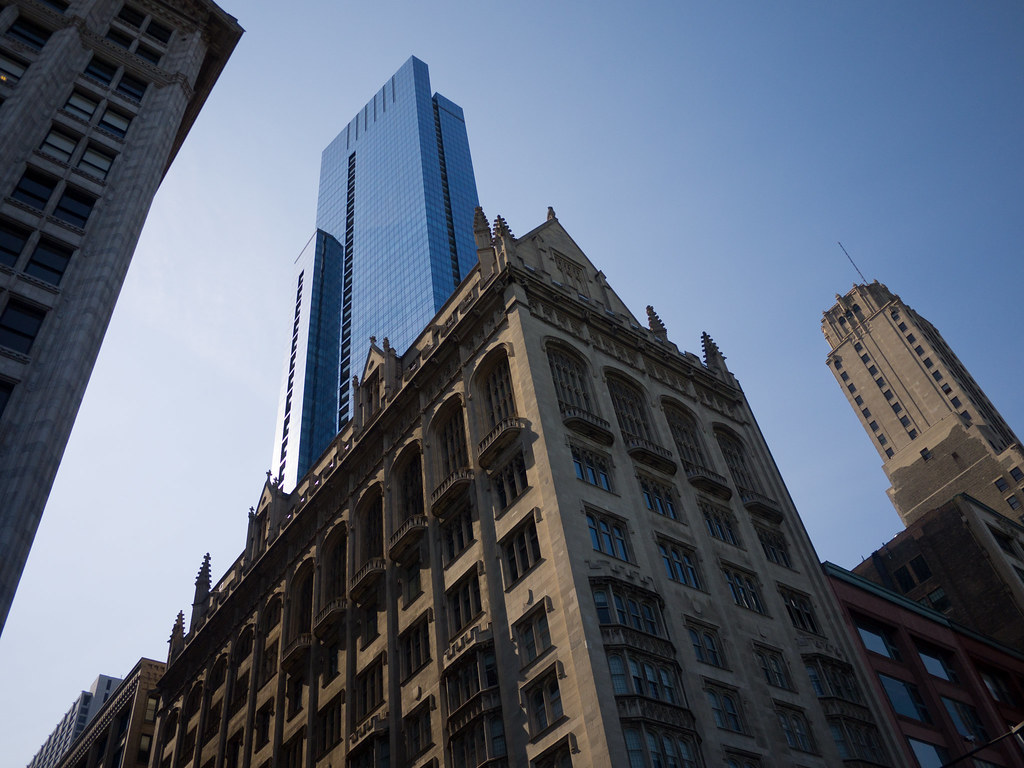
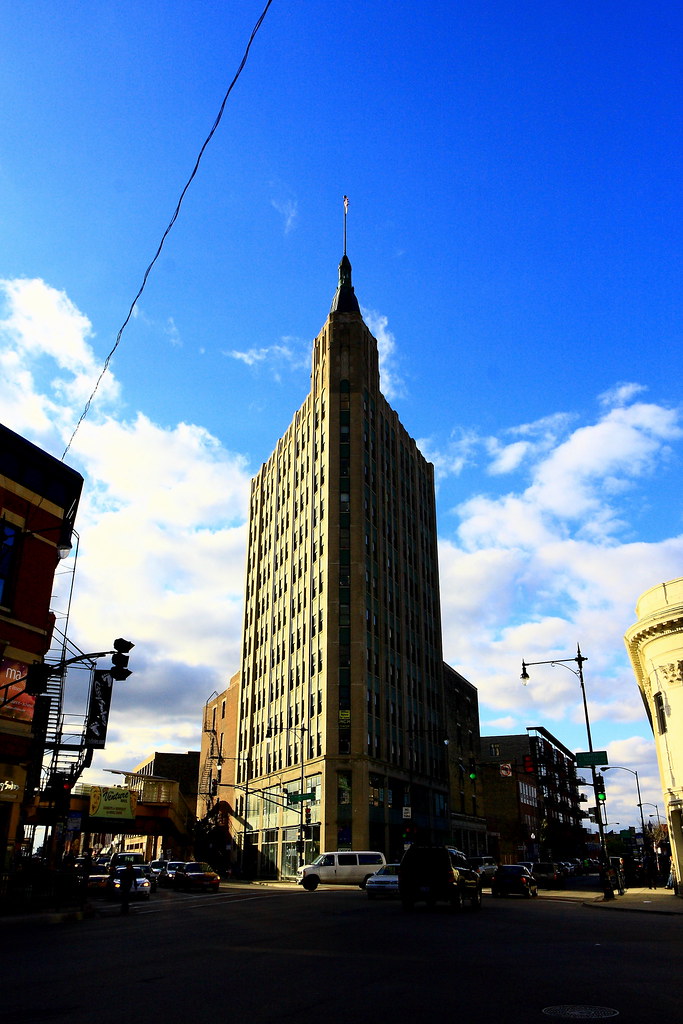
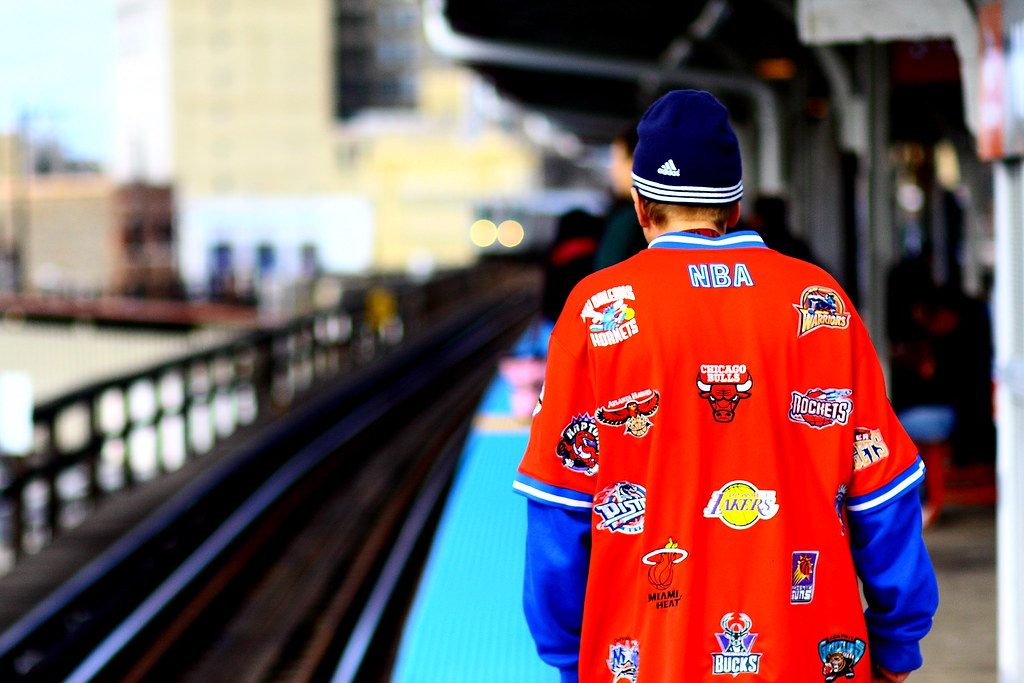
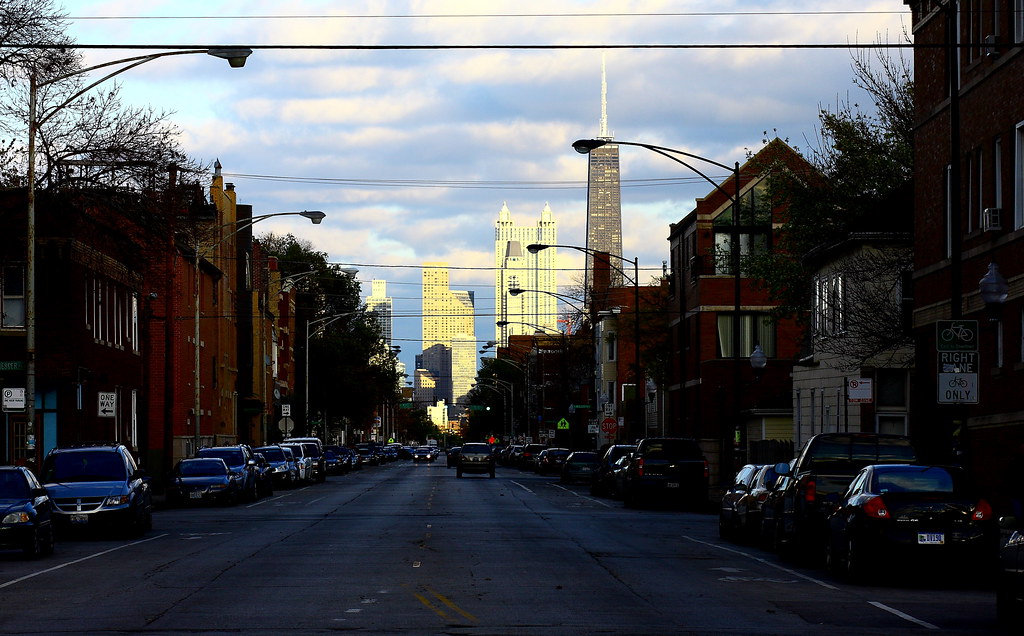
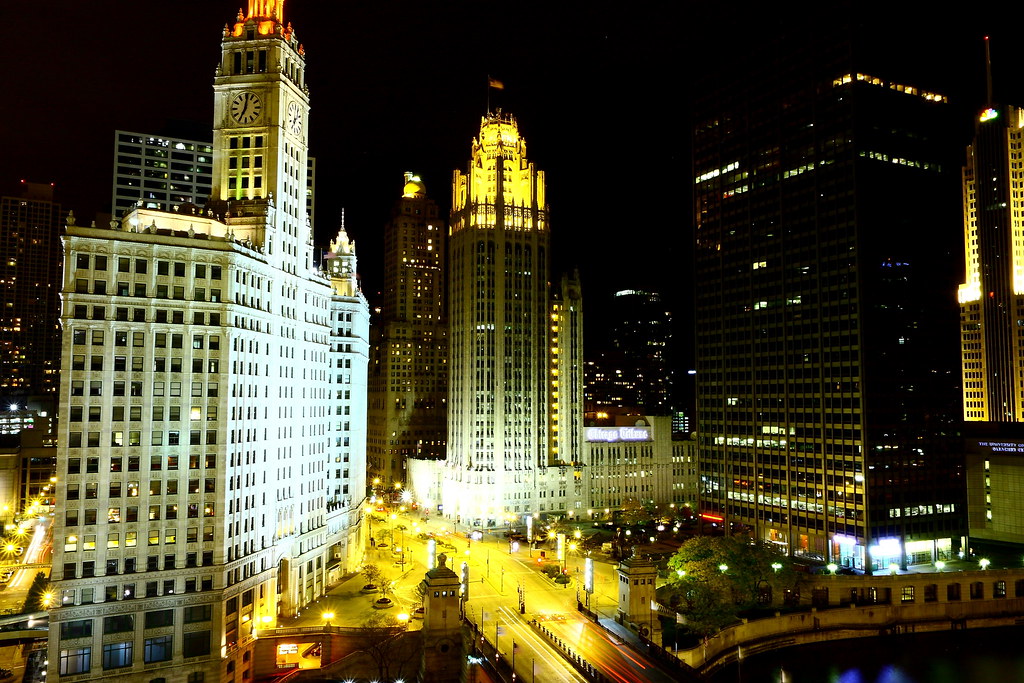
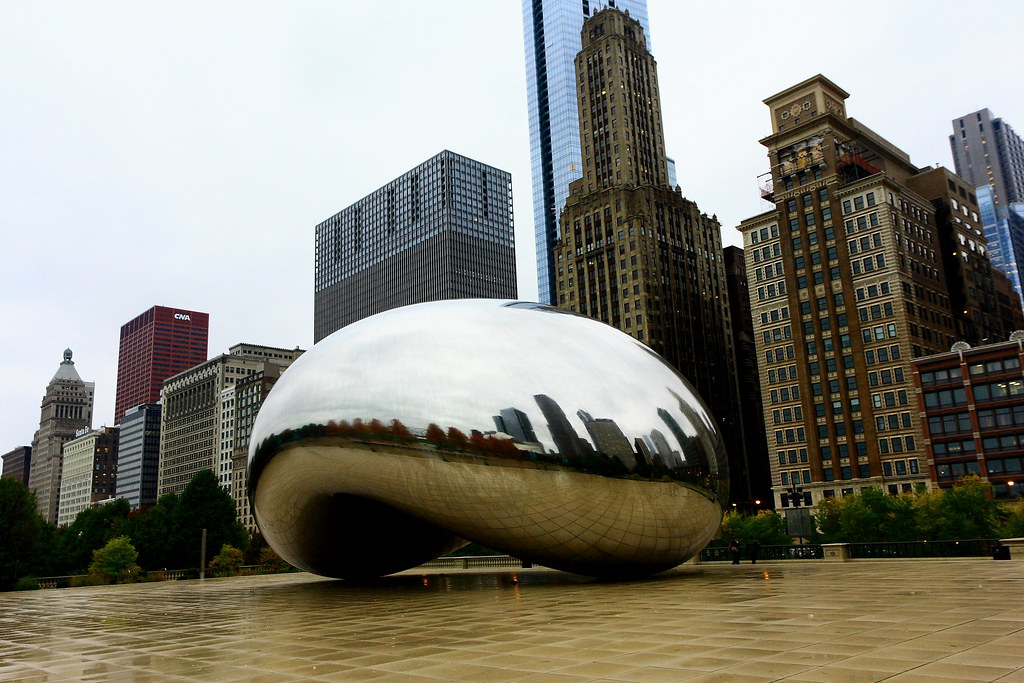
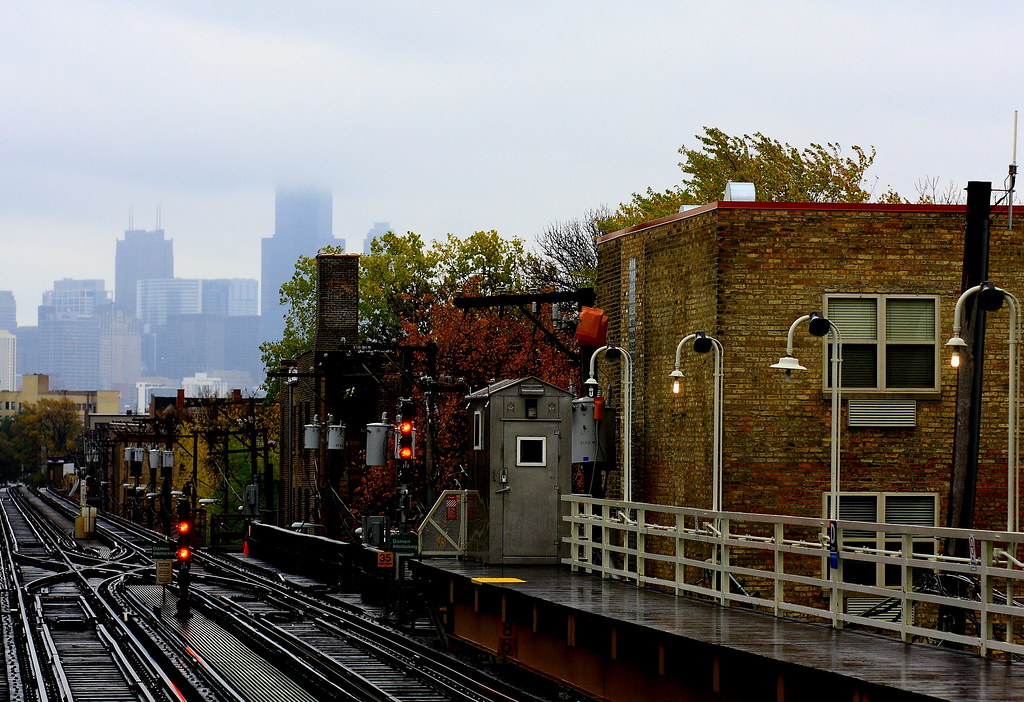
For one, the layout, design and build form of the city; particularly having a bustling centerpiece Downtown serve as the central locus. Oftentimes the neighborhood density begins to taper off as you leave Downtown and only wanes the further one is from it. Another facet is the weather; for one, as an Angelino, hailing from a place where cold weather is unheard of, cold weather is synonymous with the rest of the country. For what it’s worth, I should probably note that until this trip, never in my life had I been in a climate that was so bleak, unforgiving and cold; one day the rain poured non-stop, not letting up a single time during the day (proper). And of course, the fierce civic pride and vehement support for the celebrated sports teams and their icons; all of the above are things I so fondly associate with the (big) cities of the Midwest and East Coast, especially since strong sports culture doesn’t exist here. Chicagoans LOVE their Bears. My flight home, which was on a game day, had flight crew frequently updating the passengers on the score and the Bears’ performance. It was impossible to go anywhere and expect to not hear about them in one way or another. Too, Chicago is a city that has a wealth of vibrant, exciting neighborhoods that burst and teem with life.
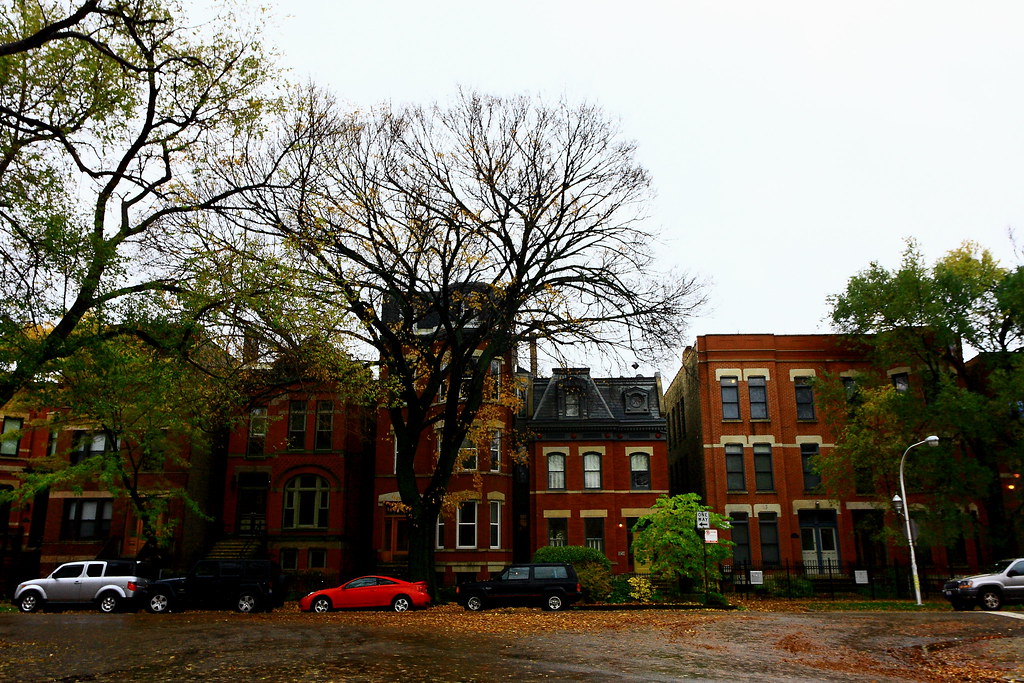
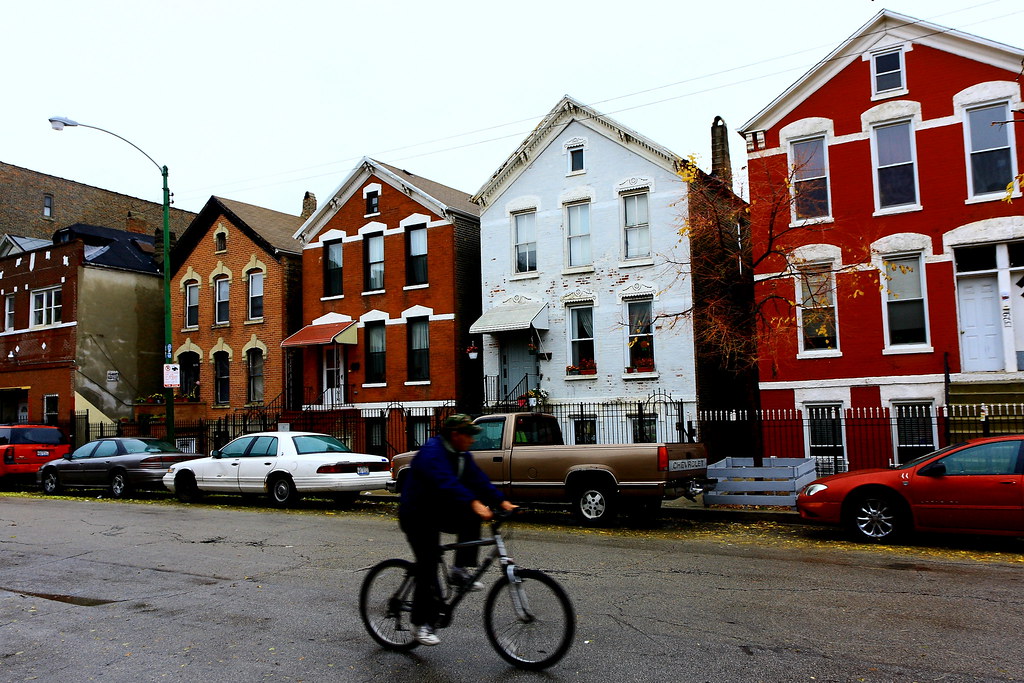
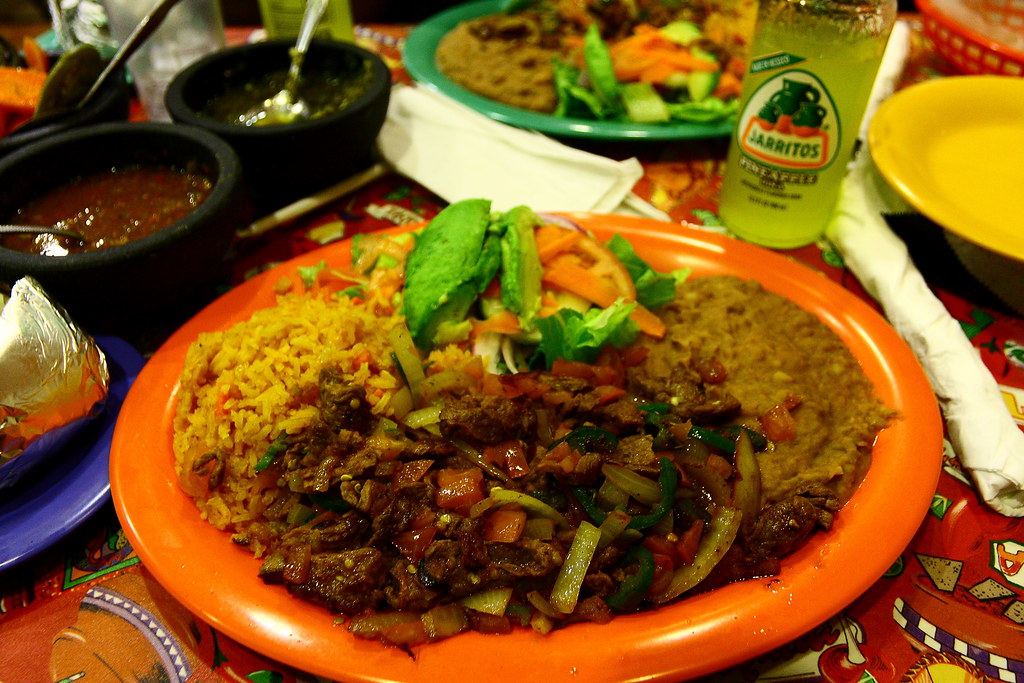
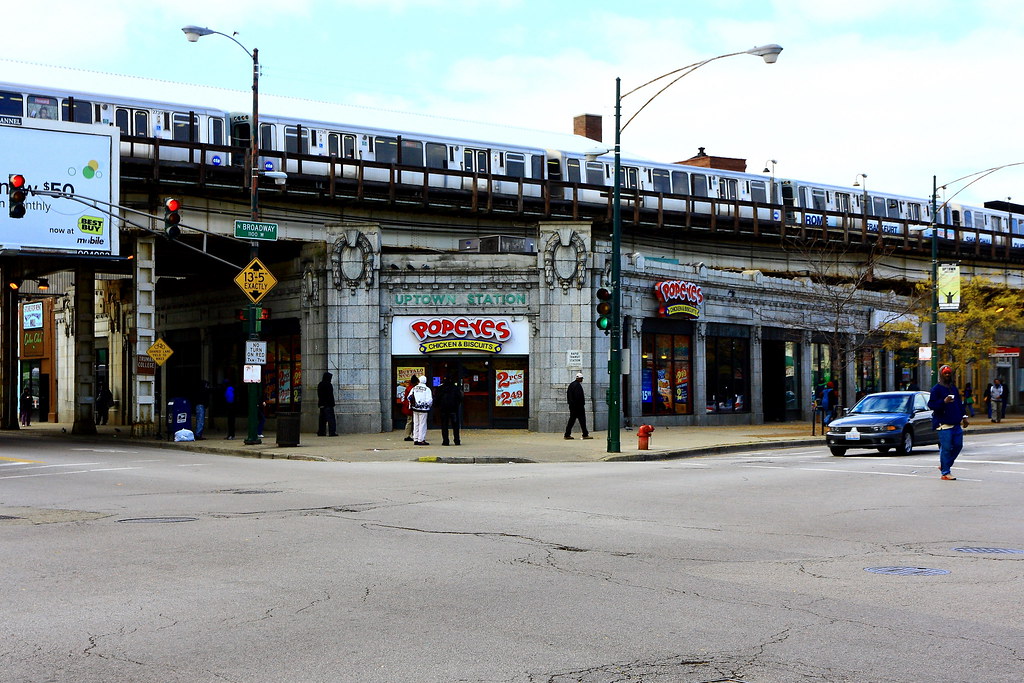
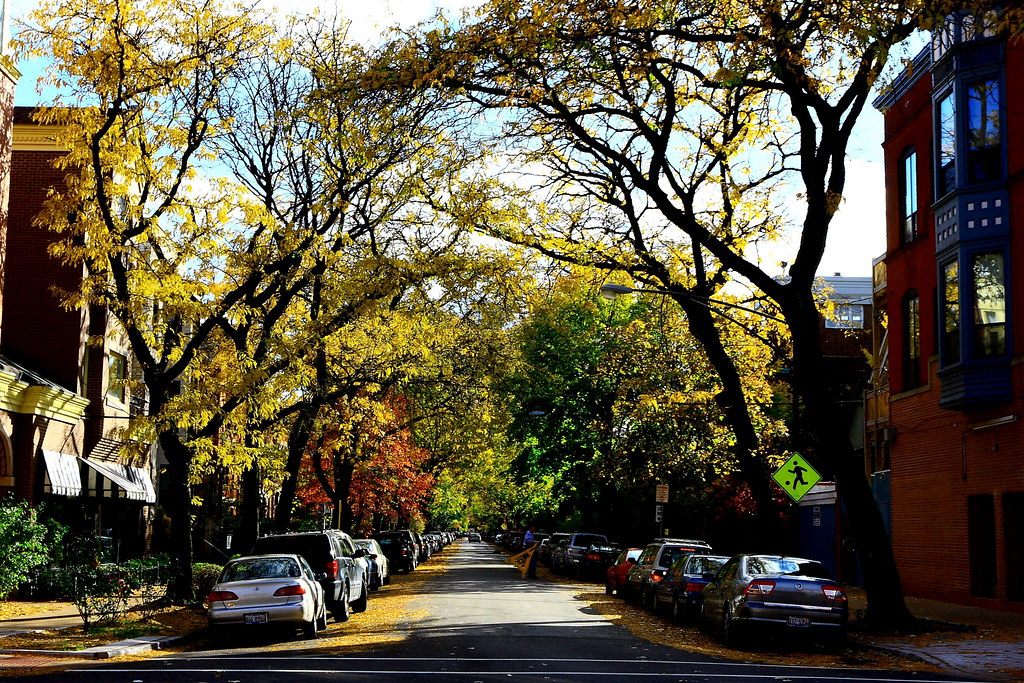
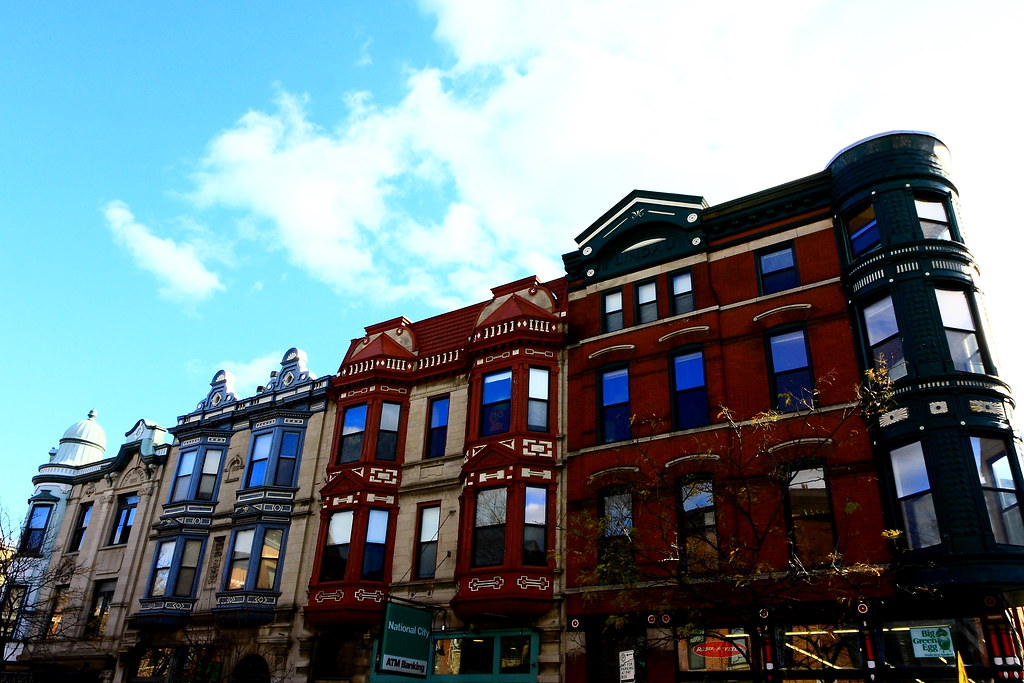
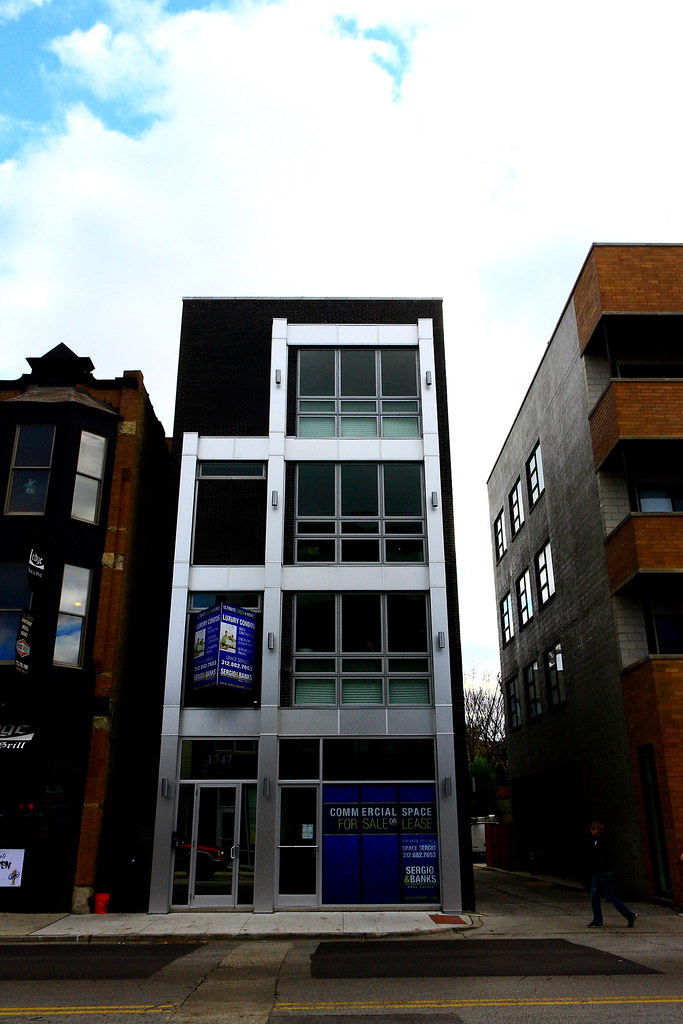
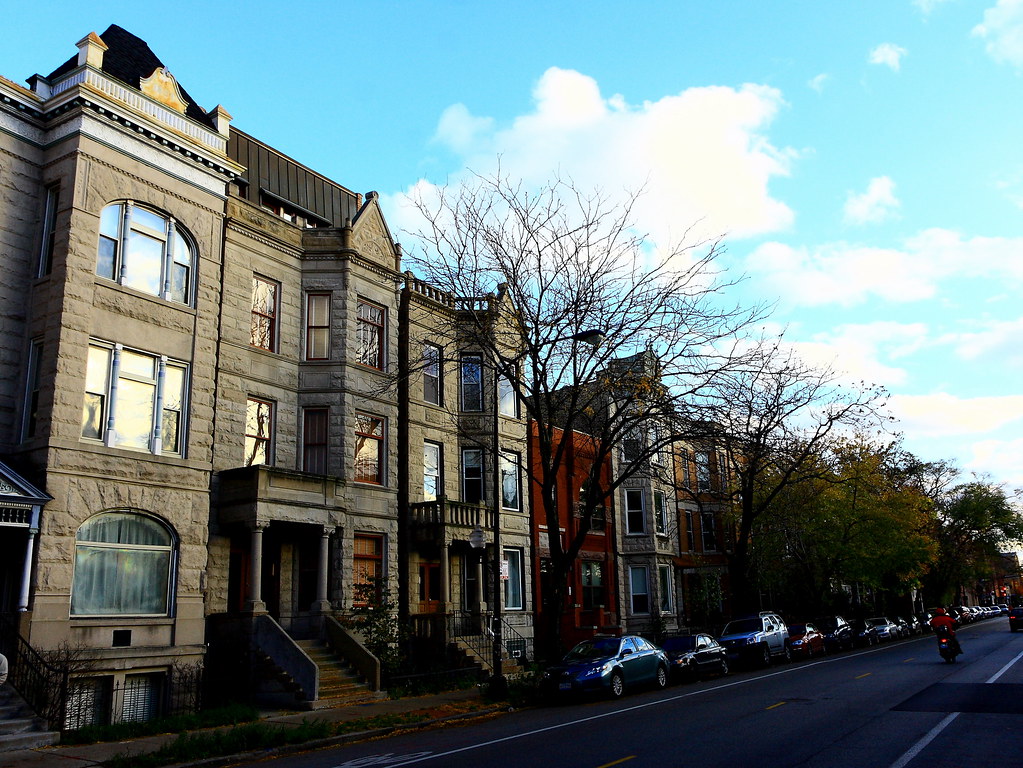
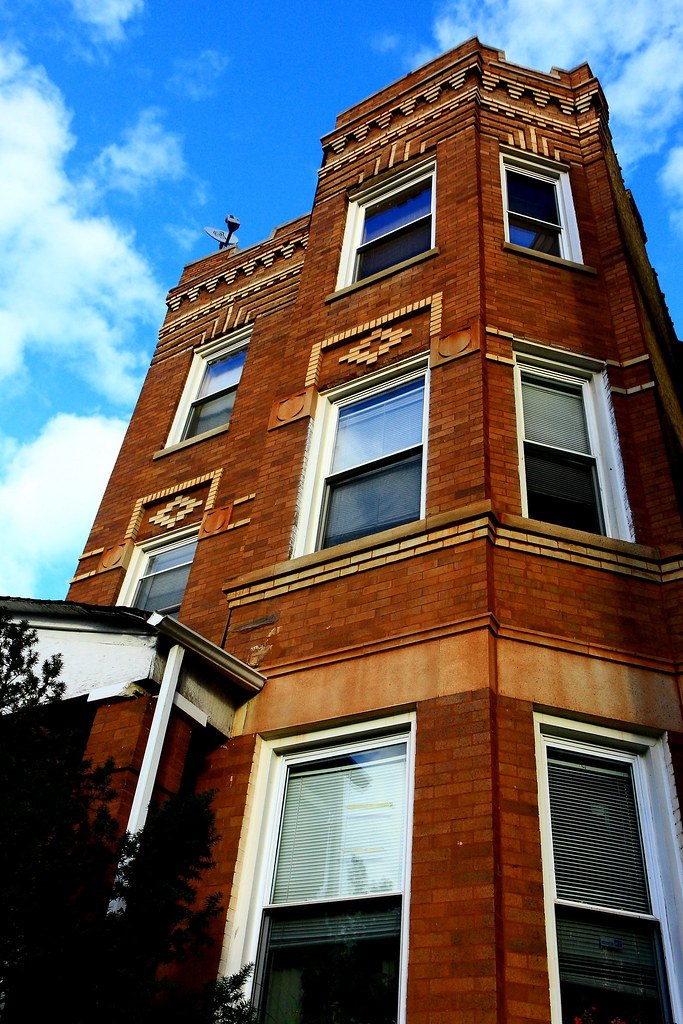
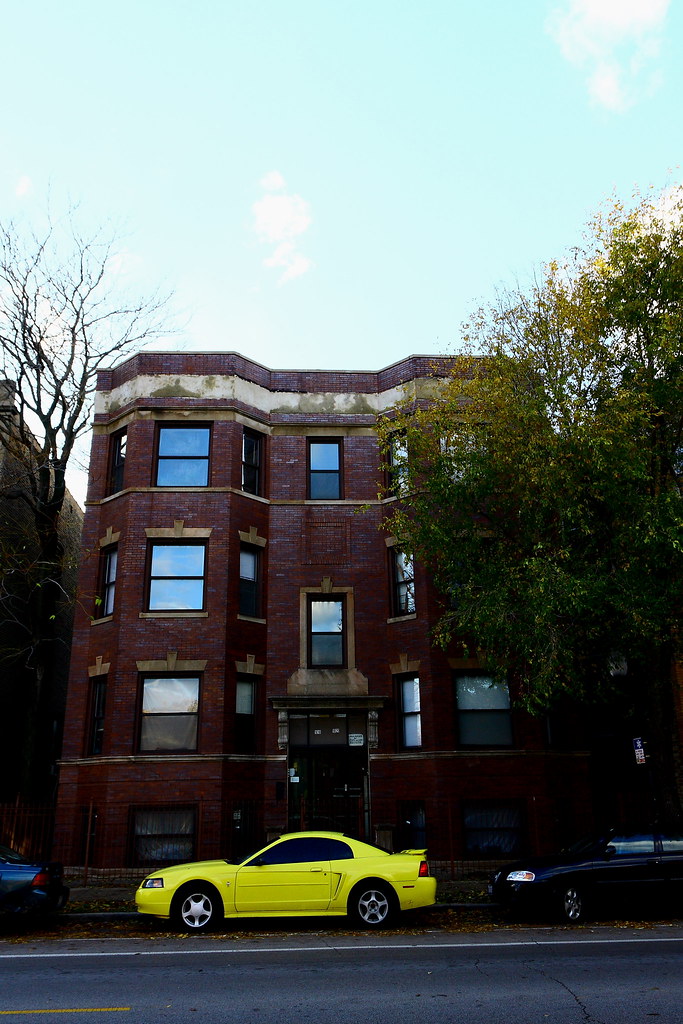
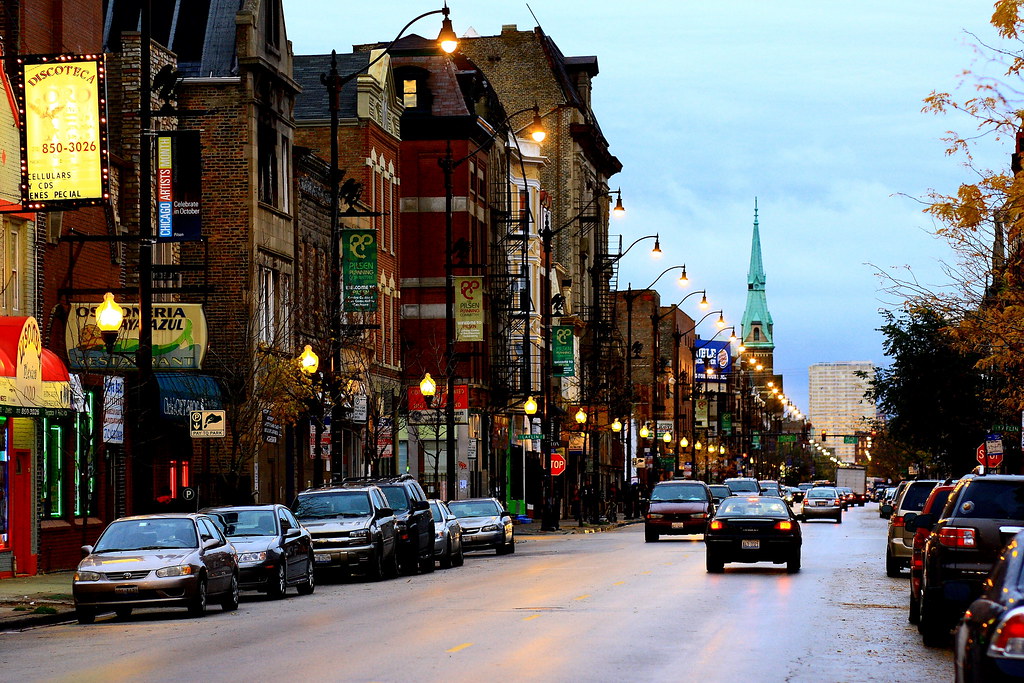
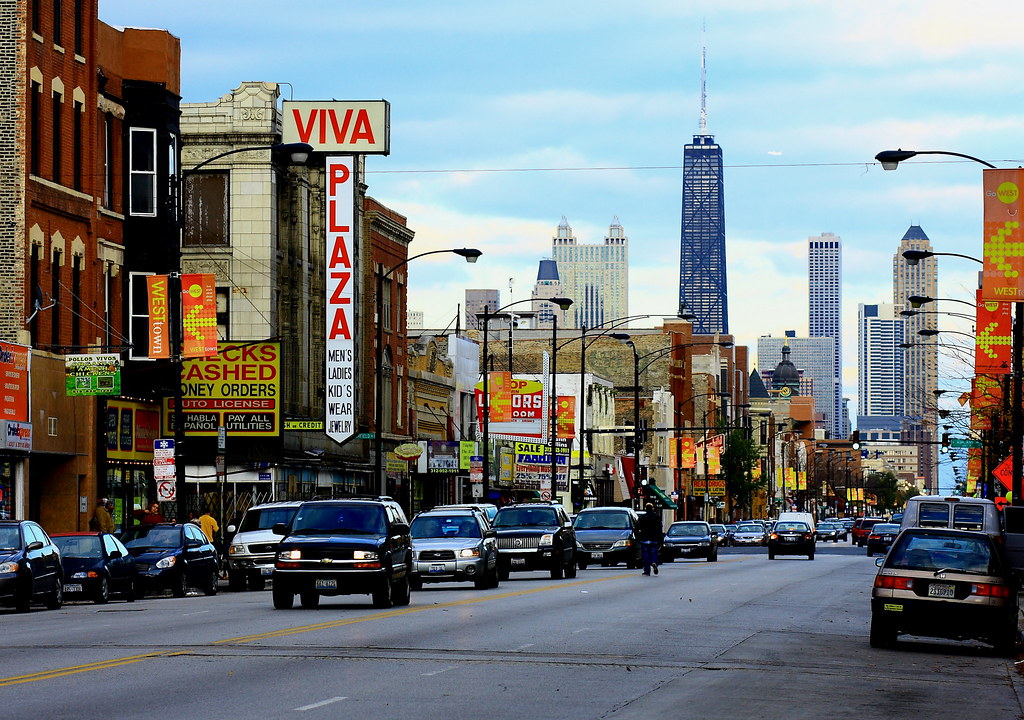
These nabes were special to me for they had a wealth of diversity, stellar architecture and green spaces, as well as a myriad of dining and shopping options, but also a stellar (indie) social scene. Best of all, they were glossed over with a semi-gritty, unpretentious feel. Totally ace in my book. Another admirable quality about Chicago neighborhoods was that no matter how close they were (sometimes a mere mile apart or a few blocks over) to each other; each one was unique and had its own, different thing going on. From the hipsterfied, boutique-laden streets of Wicker Park, to the Uptown neighborhood and its troubled dual identifies, to the LA-esque, vibrant Mexican boomtown of Pilsen, to the college student and yuppie-infested hangouts on Armitage in Lincoln Park, all the way to the pseudo-industrial lofts of the West and South Loops, and back to the dangerous Southside; in short: no 2 nabes were the same. Not to dwell too much on that, though, as I have a post dedicated to the neighborhoods of Chicago coming up.
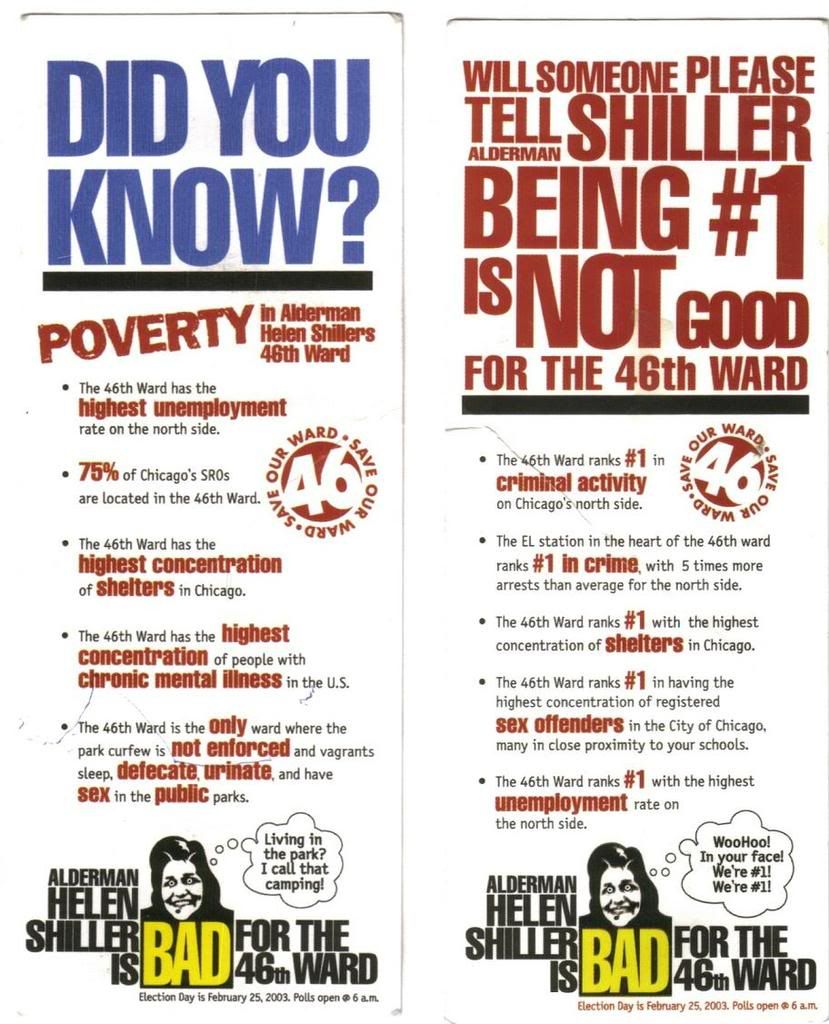
Sadly, the city is undoubtedly the most racially/socially stratified and polarized I’d ever been. This archaic reality is manifested in the city’s racially segregated “sides:” the North side for Whites; West for Hispanics; South for Blacks. In fact, Chicago is so segregated that demographers had to invent a special word for it: hyper-segregation. Hell, Martin Luther King, said the racism in the South had nothing on Chicago’s, instead labeling Chicago “
the most racist city” he’d ever been to. While there, I saw very little integration and interaction between races – not even interracial dating -- which, apparently, is the norm there; but here, in Los Angeles, such is to be condemned. One North side dweller told me that he knows more about and visits Manhattan than he does the city’s Southside, something so ever adjacent to him.
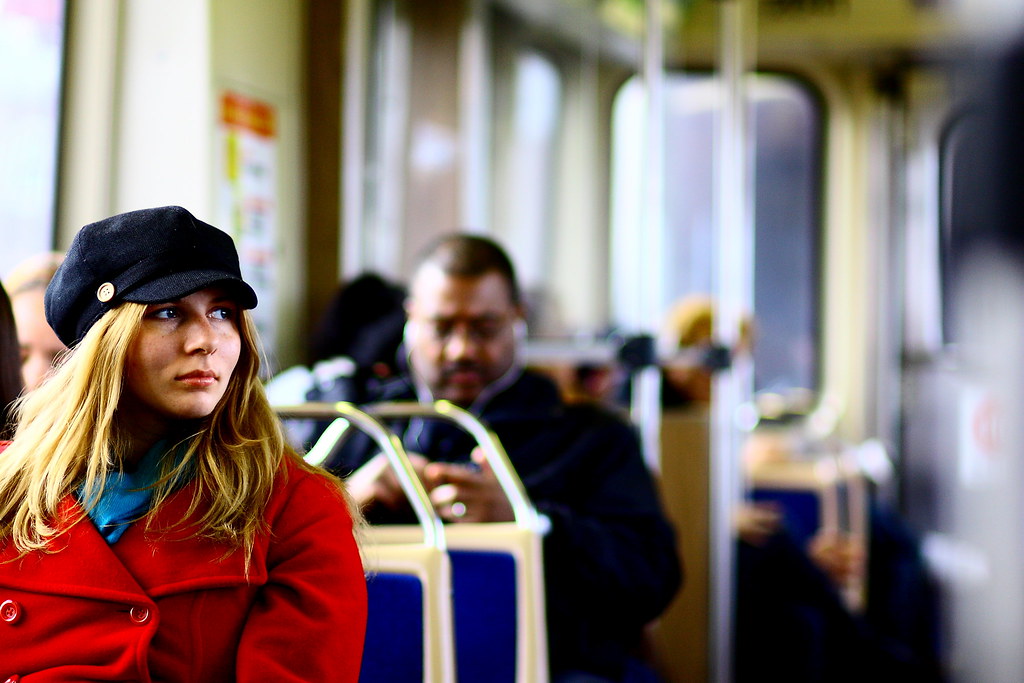
That said, obviously the people were different, too. On average, they seem a lot more wholesome and genuine – something which is a definite plus. This hospitality extended to even the really well-dressed and attractive people – people who are, by and large, rude and arrogant here; instead I found them to be relatively down to earth. I’d vouch that there is definitely a certain small town-esque charm and simplicity about these people that is appealing. The stereotypical working-class, unionized, beer-on-Sunday-with-the game, church-going ethnic (i.e Irish, Polish, German, etc) Whites who consider themselves to have “morals” and “ethics” are pretty rare around these parts, but are definitely visible there. And for those wondering, no, it’s not a bad thing; it just comes off as rather noticeable to an outsider. And, of course, I’d be foolish to forget the number of blacks.
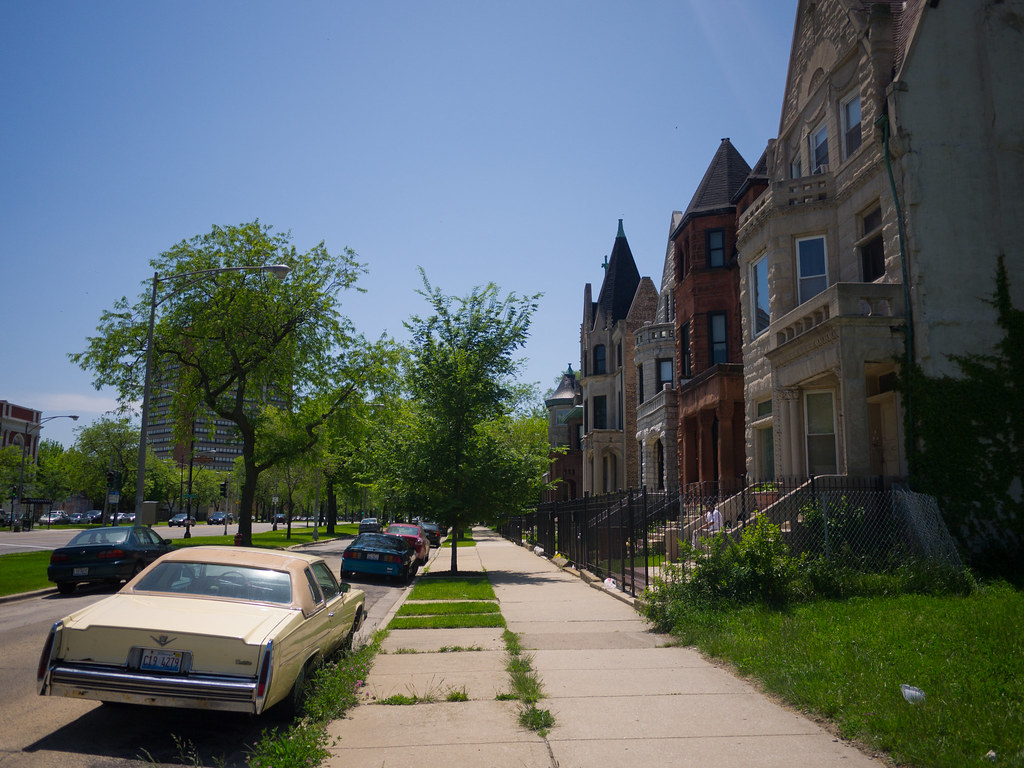
Coming in at 35% of the city’s population, Chicago's black population is certainly more visible than that of LA. It was like..I was in the majority for once. Not really, though, as I saw how the blacks there lived. Sadly, its black neighborhoods were home to some of the worst (stateside, that is) urban living conditions I’d ever seen. Characterized by urban blight, wholesale abandonment and high crime rates, I visited some of these ‘real’ neighborhoods: Englewood, Lawndale, Bronzeville, and Douglas Park. Additionally, I visited the the Obamas’ former stomping grounds of Hyde Park and Kenwood – themselves one of a handful of integrated neighborhoods there. Man, these nabes were the real deal…maybe a tad bit – actually, make that a whole lot – too real.
Driving through these Southside locales, I felt as if I was on a real-life tour of The Wire, complete with the characters to accompany such. Under the cover of the ominous Illinois night sky, these characters: groups of down jacket-clad, timberland boot-wearing men huddled on the stoops of plywood-covered, weather-sealed, abandoned buildings, did anything and everything– legal, illegal or otherwise – to “survive;” to make it in one of America’s most dangerous cities. Though, in all honesty, I guess I shouldn’t be too surprised; given blacks are a historically oppressed group that, for the most part, has yet to overcome the impact and legacy of centuries of oppression (like the Black poverty rate being x3 that of whites). And when large populations of Blacks are compressed into small areas, the problems that affect them on a national level will only be magnified.
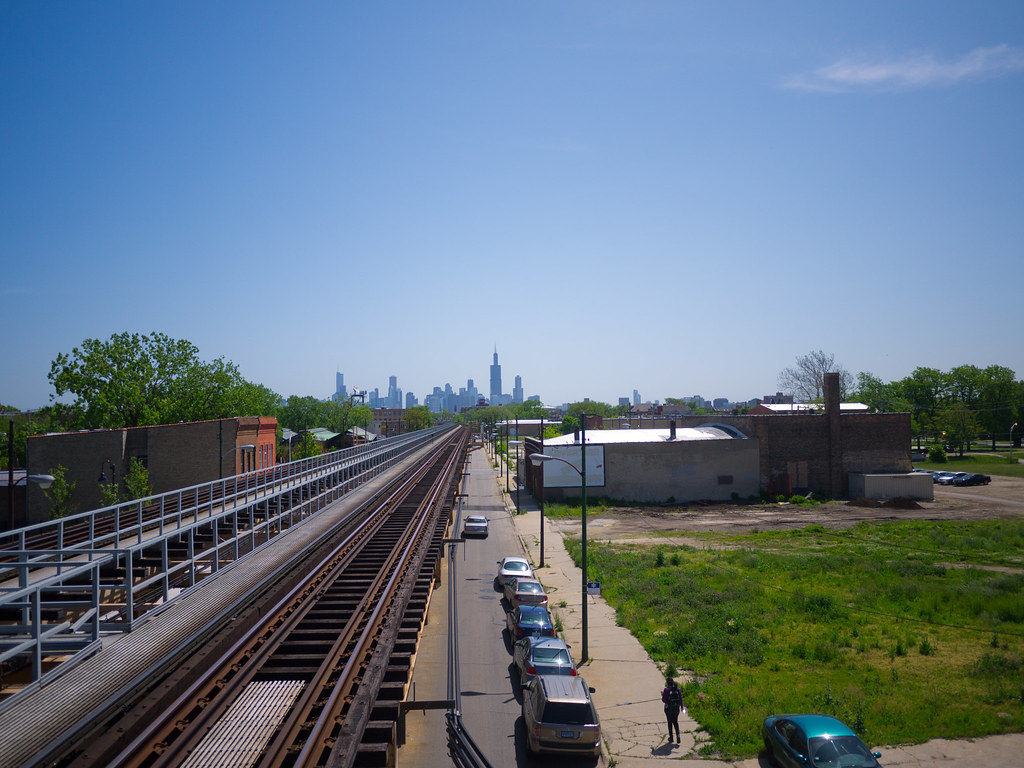
And while the areas in mention weren’t anywhere nearly as bad as some of the places Detroit (or any similar Rust Belt city, for that matter) has to offer, they did have the urban prairie made famous by Detroit. An urban prairie is what develops after so many homes have been abandoned, demolished or otherwise neglected, that nature in essence “returns,” bringing with it wild flora, fauna and animals. Such rolling prairies, which can be blocks long, and are located in the dead of urban nabes, characterized many of the Southside areas I visited. Oh, and don’t go there on an empty stomach, either. We circled the place for miles, looking for a decent place to eat; only to settle on one of the 2 restaurants were open. Eventually, we settled for Ali Baba’s Steak and Lemonade (the other was JJ’s Fish and Shrimp), where I ordered the steak gyro and lemon pepper French fries…something, which thanks to the nearly indiscernible bullet-proof glass, almost didn’t happen. Unwanted solicitations in the early AM for our phone numbers from the shady Palestinian chefs are uh, kind of strange, too.
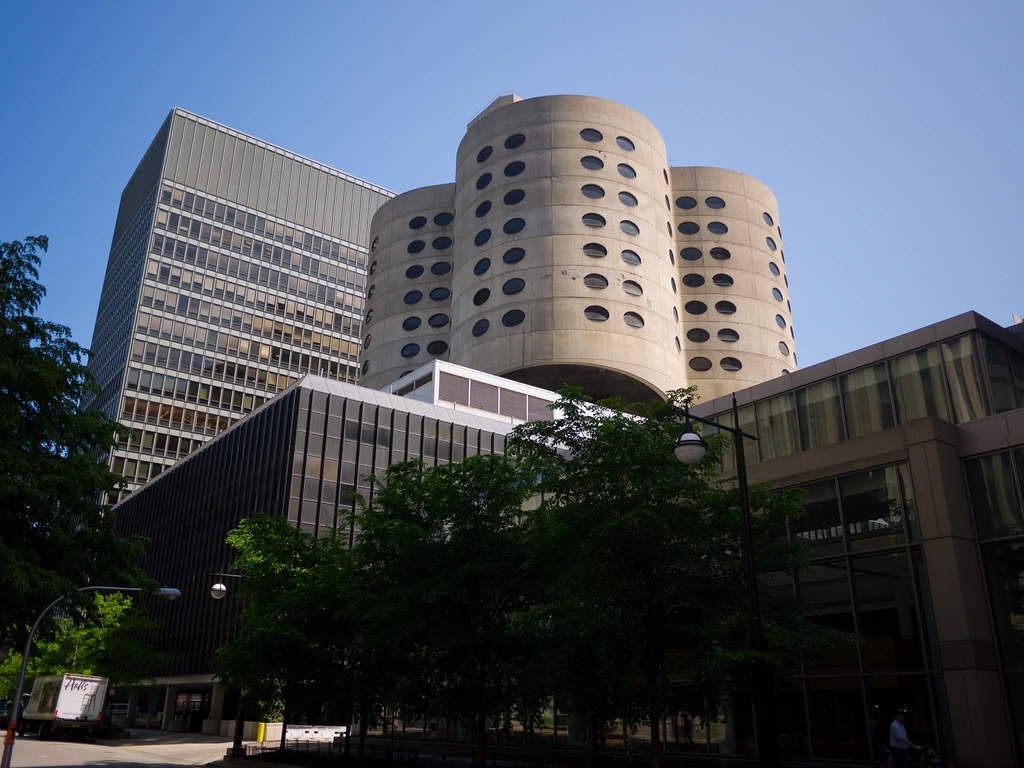
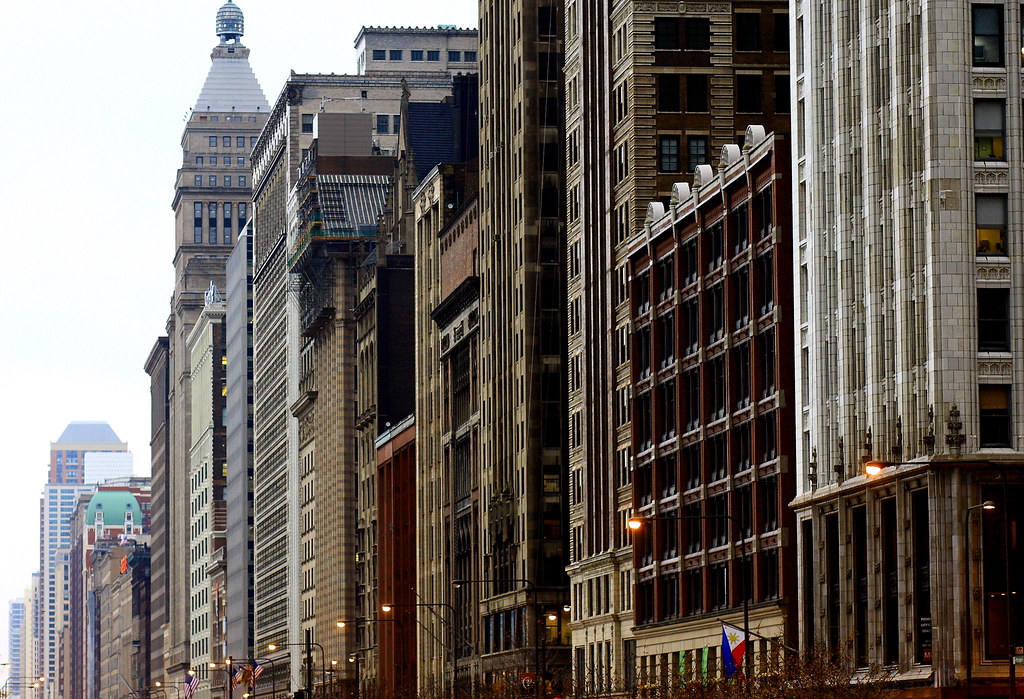
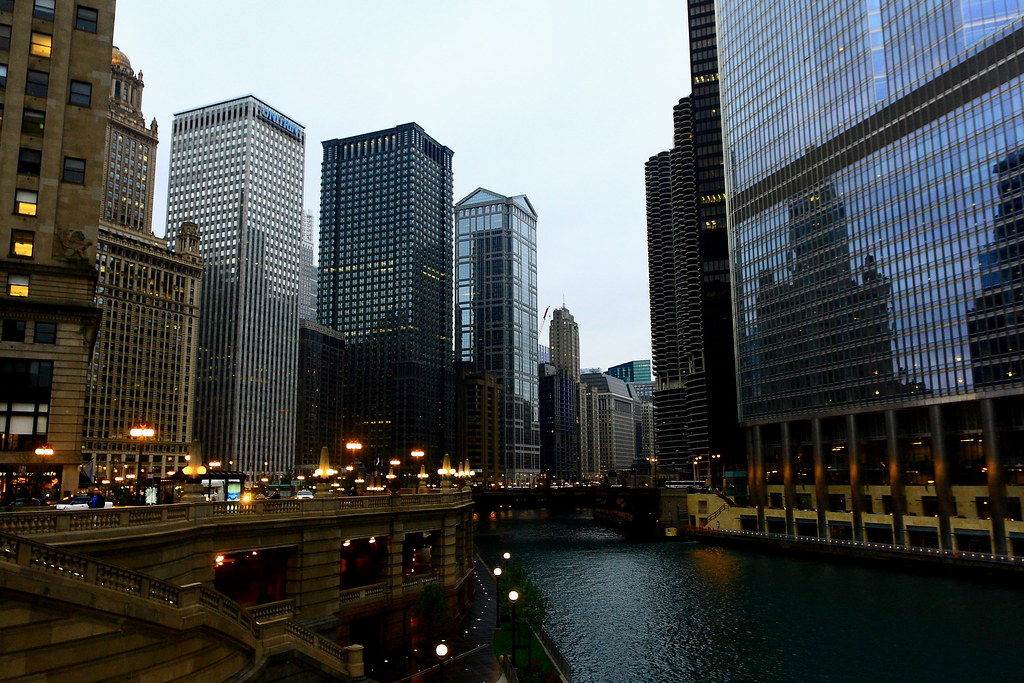
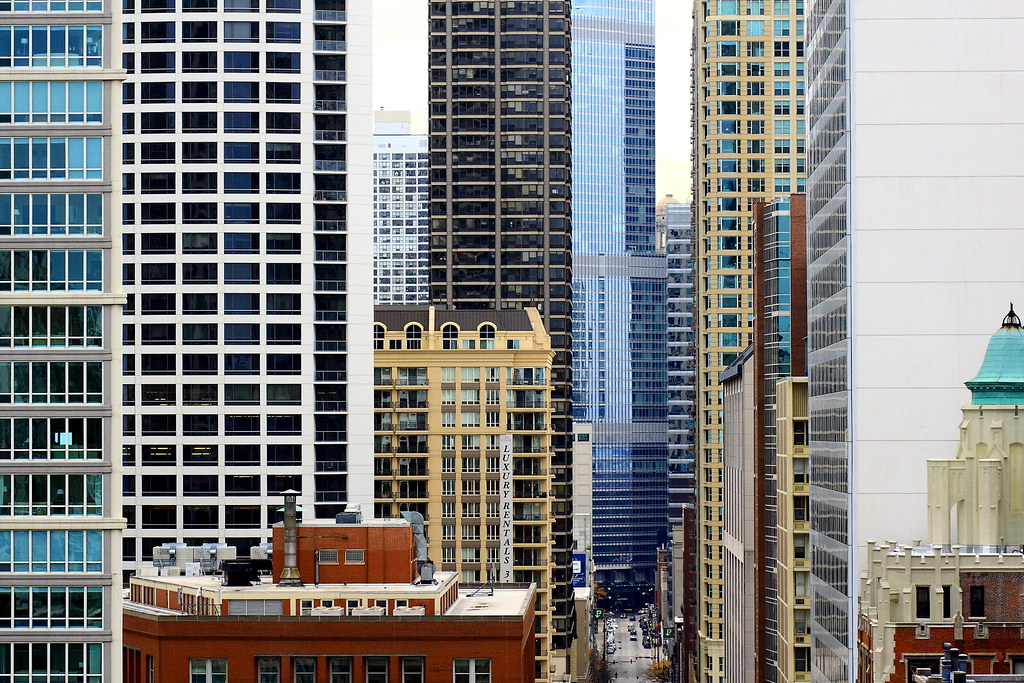
So, after all of that, you guys might be curious as to how I think Chicago stacks up compared to LA? While it is obviously a city, it seems decidedly un-cosmopolitan and provincial, which isn’t necessarily a bad thing; it’s refreshing to get away from a city where so many of the people are shallow, superficial, supposedly ‘learned,’ ‘cultured’ and ‘liberal.’ Truth be told, Chicago definitely takes the cake and has inherent advantages when it comes to several categories: affordability and several things vital to urban living: urbanity, density, architecture and mass transit.
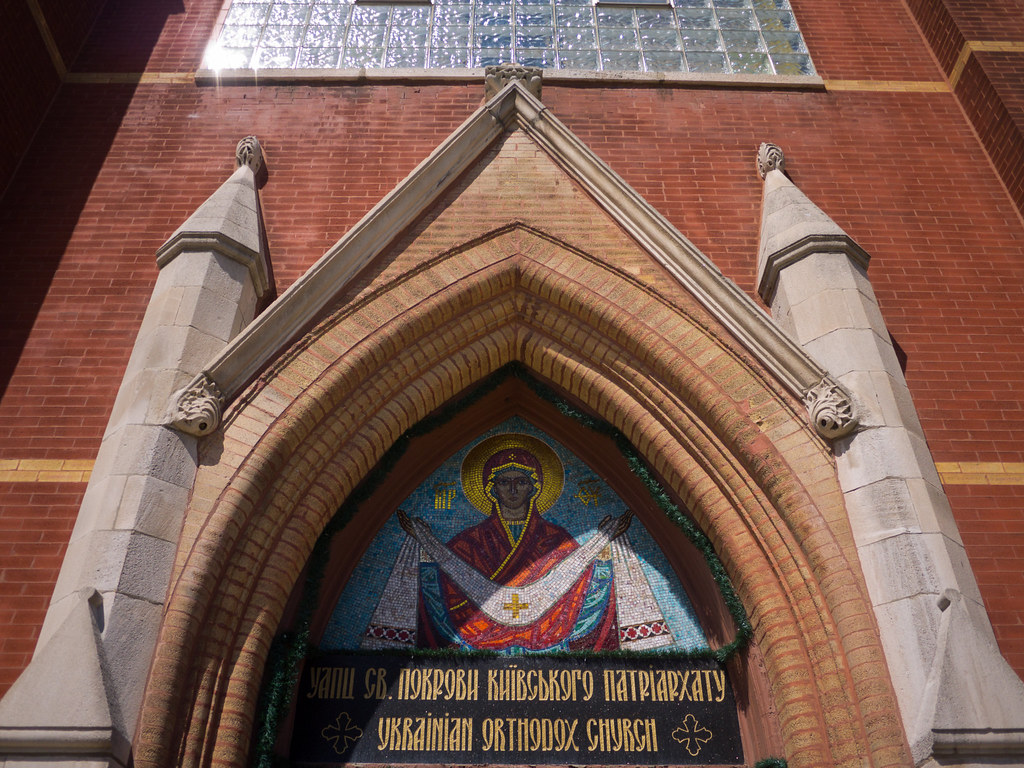
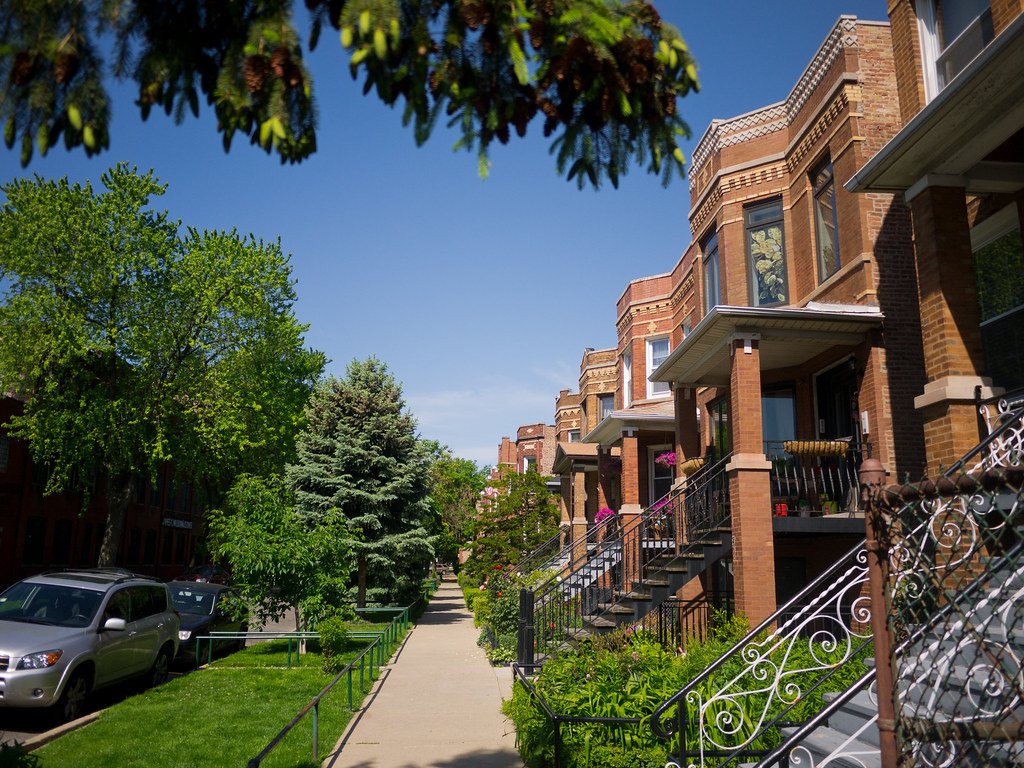
Diversity, integration, weather, transparency and crime/safety are all categories LA has the upper hand in – IMO, anyways. Though, I suppose one could argue Chicago is a better choice for livability and quality of life, too..though, that is only if one is strictly going by affordability, as I would consider Chicago’s affordability to be offset due to unreal level of crime (500+ murders in ’08; 17 murders in the week I was there; 7 shootings on 10/27 alone), glaring social issues, painstakingly cold weather and rampant corruption. Still a great town, though. If the weather didn’t get so damn cold, I could easily see myself living somewhere on a secluded, leafy street in the Ukrainian Village, Logan Square or East Humboldt Park, riding my bike to Wicker Park on the plentiful bike lanes and extensive bike infrastructure, living in a intimately charming 3-flat and having my “own” neighborhood dining, drinking and lounging options, blah blah..all that good stuff.
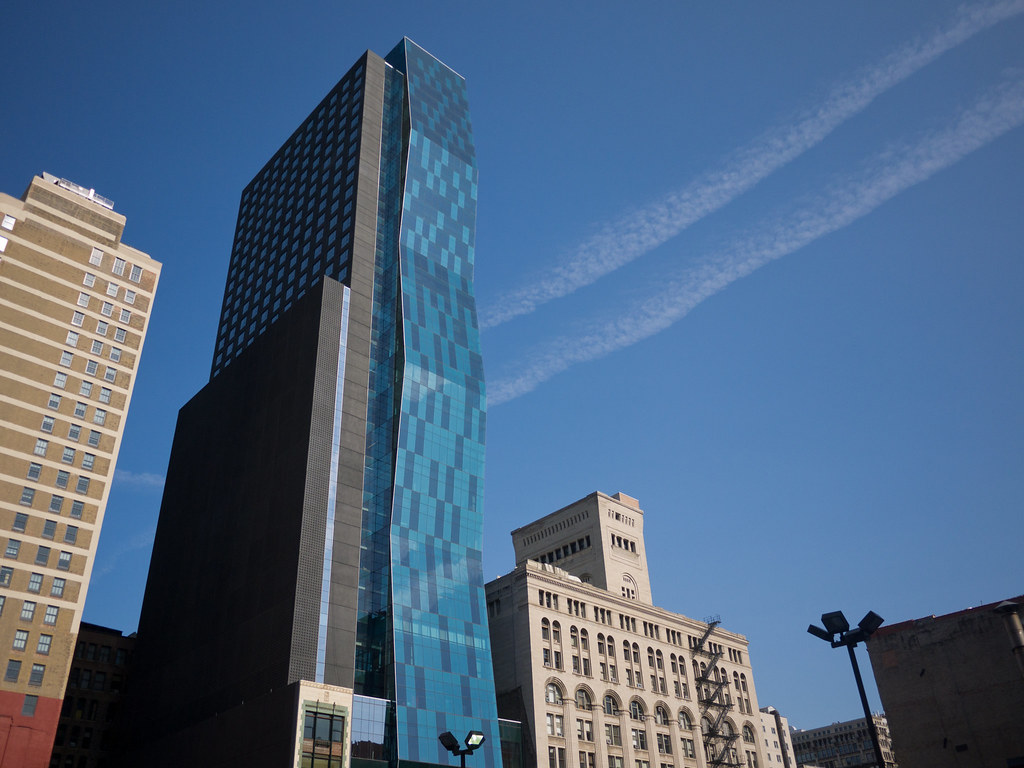
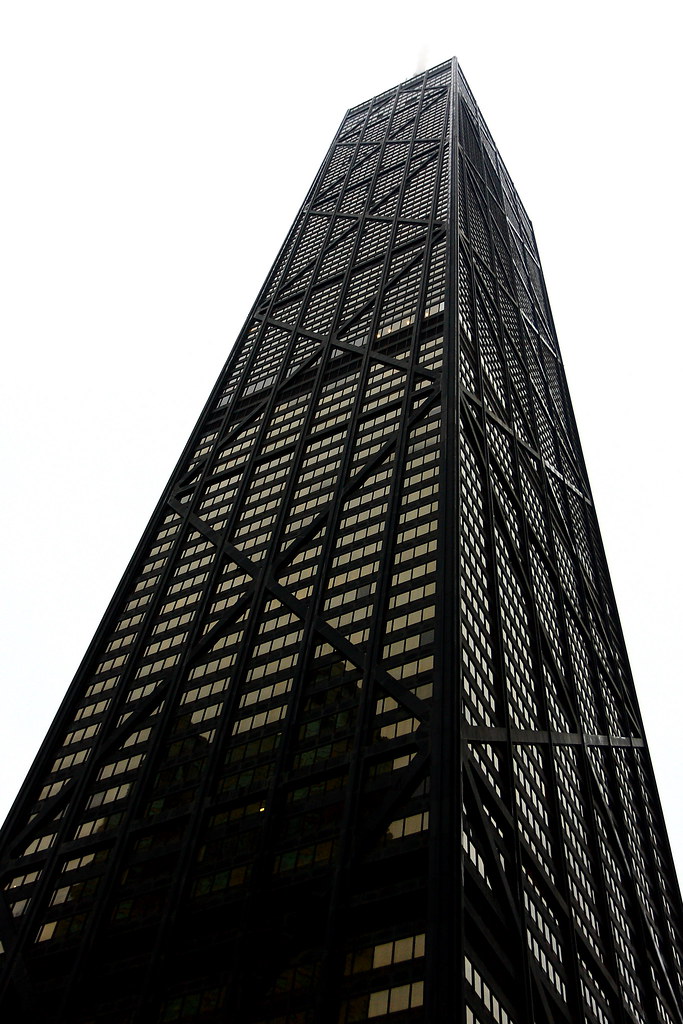
In total, Chicago, despite sharing similarities to certain East Coast cities, I found it to have its own set of marked differences and unique qualities that are indeed romanticize-able. The former Midwestern industrial brawn and giant, I found it to be the perfect analog to the coastal metropolises; big-city environment, with Midwestern sensibility. A place where bygone cultural facets and relics – those that once defined the big, old-time American cites in the Midwest – still flourish. And sadly – for better or ill – a place where some things will probably never change. Despite growing diversity, largely in the form of Mexican immigrants, Chicago’s reputation as a place lacking integration will only continue to persist. Although the city can – and does – build as many ritzy skyscrapers and condos as it wishes to, huge swaths of the city are still plagued by urban blight, nihilism, poverty and senseless violence. Not that these are somehow unique to Chicago; in fact this trip was more of an eye-opener than anything – to the harsh realities sometimes found in our cities.
Chicago does Chicago. It does its own thing; it withers criticism and continues moving to it's own beat
– and that’s something I’m able to find merit in, and more importantly, enjoy.





















 Posts
Posts