Showing posts with label Copenhagen. Show all posts

Misc. Copenhagen

Monday, February 29, 2016

P1480794

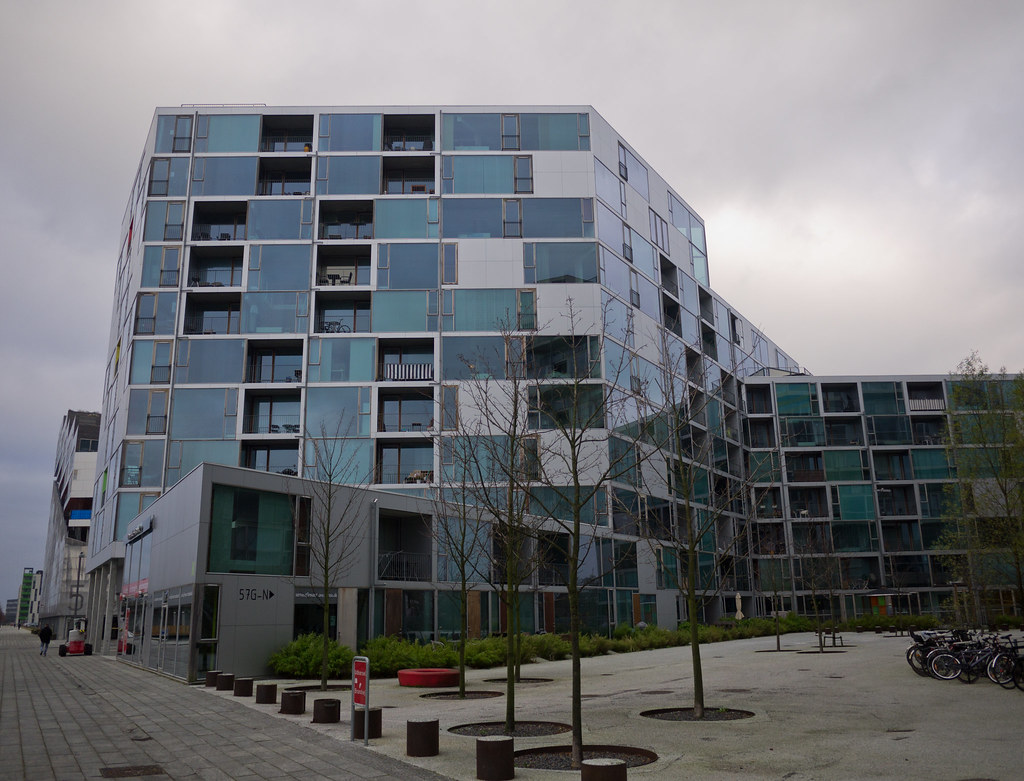
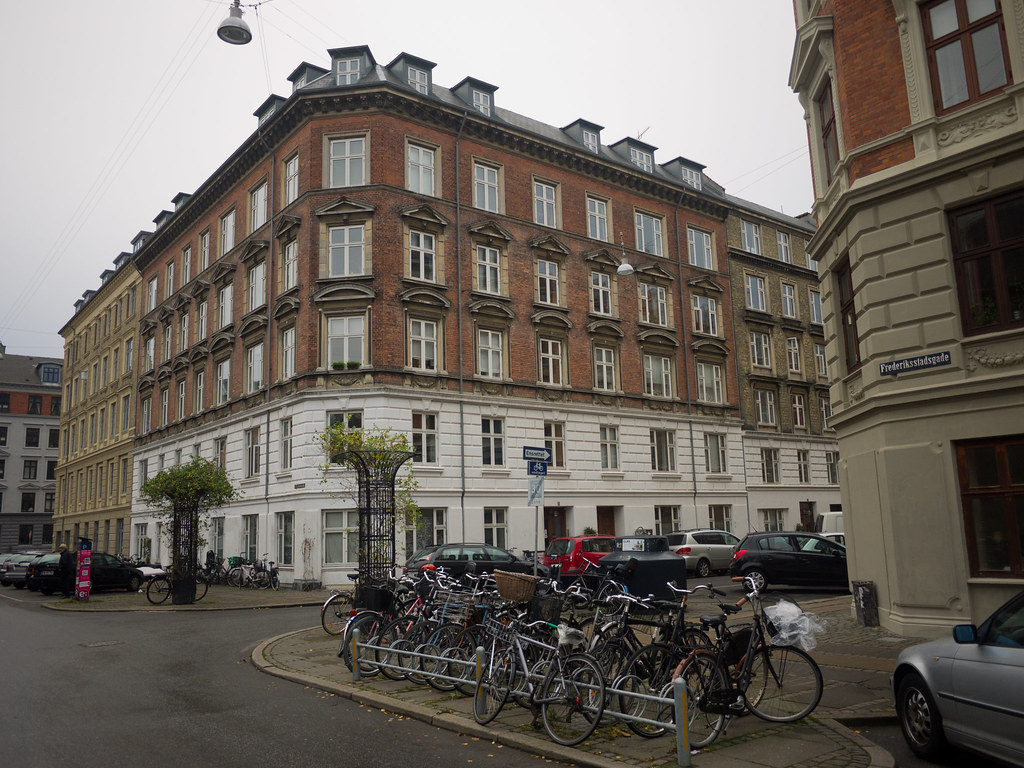
Apartment façade overview. Østerbro.
P1480643

Nørrebro station.

P1480562

On bikes past the Albanian Embassy.P1480679

Øster Farimagsgade Skole (H+Arkitekter, 2011-2014)

P1510142

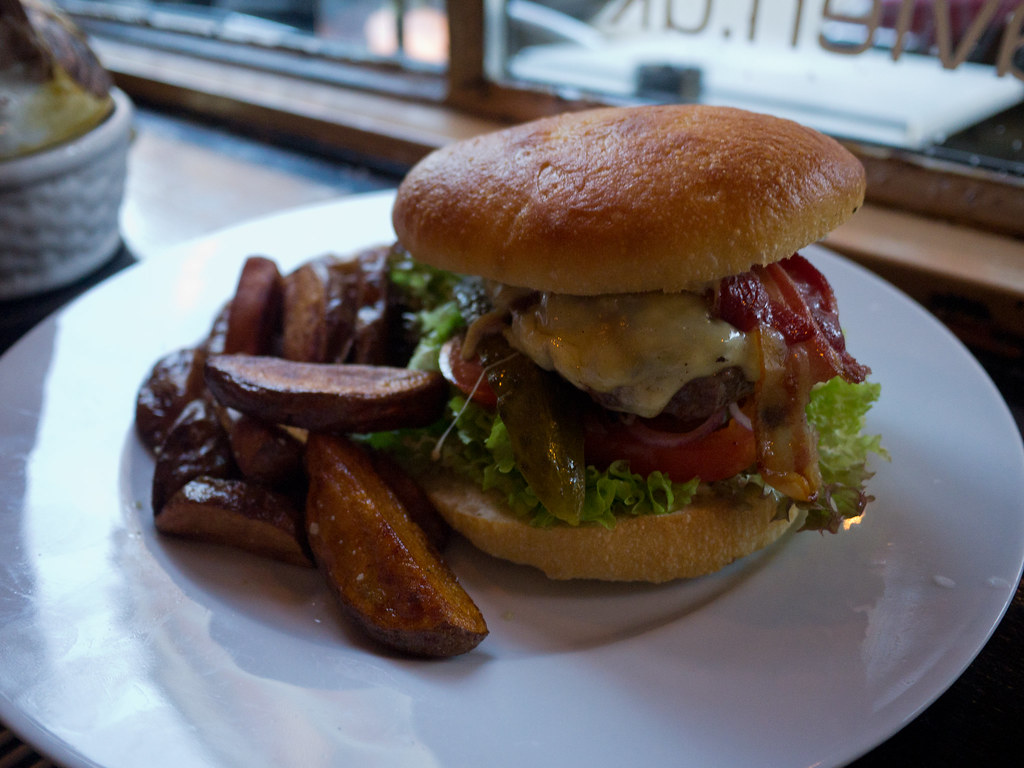
At Mikkeller's Warpigs. I believe this one was called "ufuckedmeoverandnowimmad."

P1480706

At Coffee Collective. Torvehallerne.

P1490519
District Tonkin. Fredriksberg.
P1490528
Banh-mi at District Tonkin (pretty legit, btw).
P1510095
Guldbergsgade, Nørrebro.
P1510147
Forum Metro station.
P1510093
Interior of Mirabelle. They have probably what is the single-best brunch I have eaten in Scandinavia.
P1510139
Cacti at Warpigs, the fun, cutting edge collaborative brewery between Mikkeller and Three Floyds (which, of all places, comes from Indiana). P1510112
Knippelsbro at sunset.
P1510103
A parting shot. Farvel og på gensyn, København!

København field notes

Friday, November 13, 2015

Following two recent visits to Copenhagen, I am tempted to conclude that it is my favorite of the Scandinavian cities. It just does everything right. In its own way, with its Acne scarf-wearing babes on bikes, number of dark TV productions, and white hot dining scene, it has become a modern icon. At the risk of irking Oslo and Stockholm, the current Scandinavia trend sweeping across the US and Europe owes alot to Copenhagen. With a strong, playful zest for life anchored by an always present Nordic functionality and sensibility (and a generous, accommodating welfare state), life in Denmark is pretty good.

As far the Scandinavians go, Danes closer resemble Continental Europeans in that they smoke and drink more. This is part of a generally larger premium on social and quality of life activities. They are a fun bunch, and it is to no surprise Danes are thought of as the “Italians of Scandinavia”. Norwegians enjoy the good life, too - but are generally more reserved and outdoorsy. Expression is muted the further north you go here. That said, however, the relative coldness of Scandinavia is still there. It is no Nicaragua or Uganda - economically impoverished places whose locals have hearts of gold.

It is just things are more blunt, forward, and matter-of-fact. Like in Norway, “beating around the bush” isn’t much of a thing. People are straightforward, to-the-point, and relatively lacking in emotional expressiveness. I will likely catch some flack for writing this, but these are traits worsened - or at least made less desirable - by the sheer ugliness of the Danish language. An extraordinarily difficult language to learn (as well as among one in which native speakers take the longest to learn), it is an exceedingly rough and convoluted, throaty tongue. Norwegians and Swedes joke about Danes sounding as if they speak with “potatoes in their throat”. All love from my end, though.

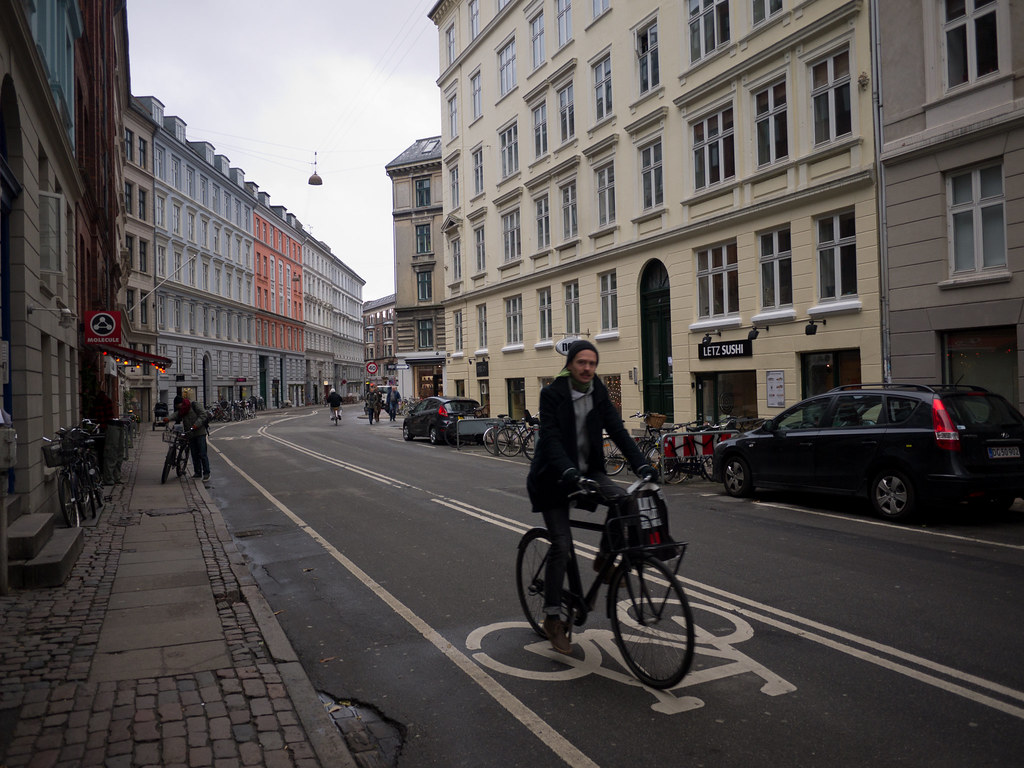
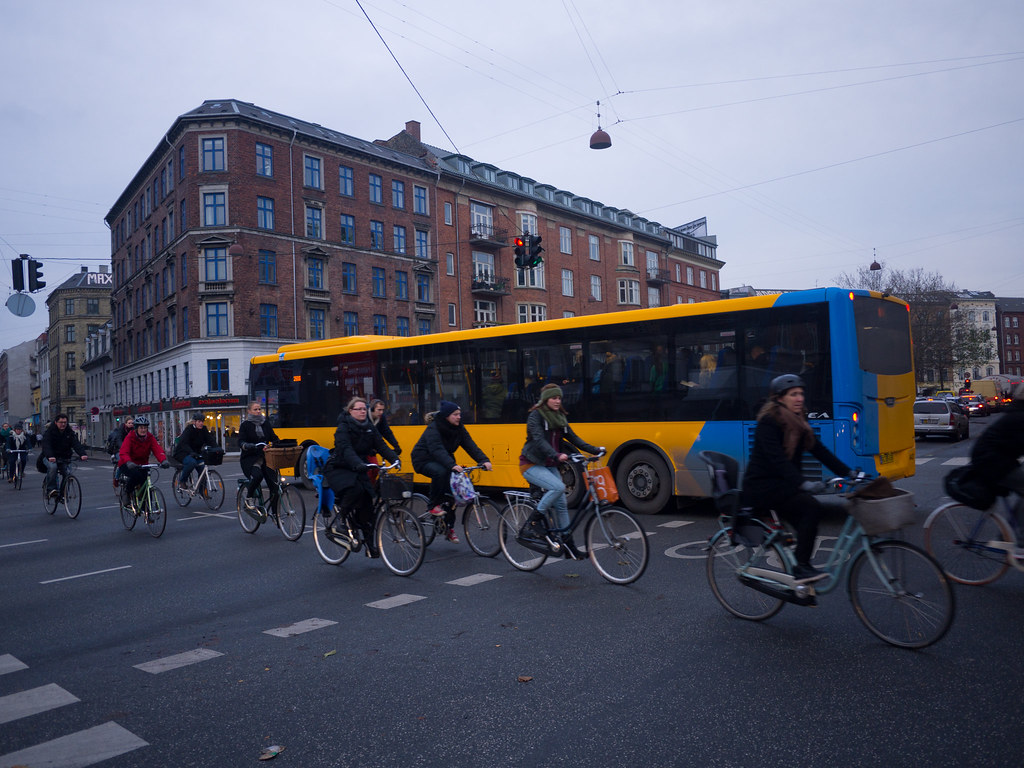
And their bikes. Bikes are everywhere in the dense, largely flat Danish capital. From bicycle highways and overpasses to the familiar scenes of building façades and courtyards packed with them, it would be an understatement to say bicycles are anything but extremely popular. Crossing a street without looking, you are more liable to be hit by bicycle than automobile. Bicycles are very much a fundamental part of the Copenhagen, and indeed Danish, psyche. Indeed, many distances in the Danish capital are measured by bicycle traveling time, and not that of mass transit, much less that of the automobile. A 30-minute walk can turn into a 10-minute bike ride quite easily.

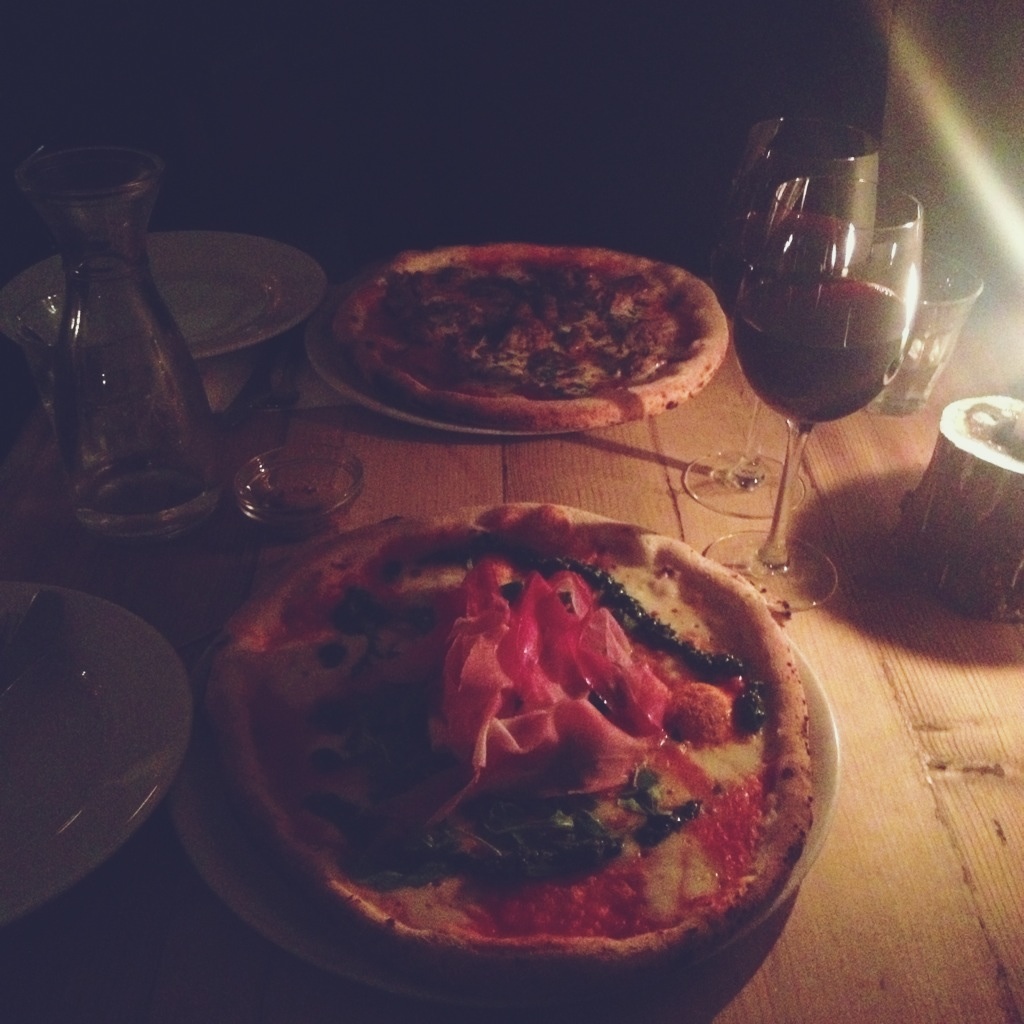
As always, the food scene is one worth mentioning. From almost better-than-in-Italy pizza at Bæst (my pizza had asparagus, house-made mozzarella, and pork cheek salami) to late-night delivery fried chicken (halal, of course, as is par course for chicken/pizza/kebab take-out in Europe), Copenhagen has a dining scene most cities can only dream of. And while I don’t dwell much on the Michelin Star-studded scene for which the city is best known, I nevertheless manage to eat quite well, focusing on the city’s many, tasty street and mid-level options.

One noticeable trend has been the proliferation of Michelin-starred chefs leaving the white table cloth and molecular world for simpler and more casual pursuits, going on to open hot dog, sandwich, and even taco operations. Hija de Sánchez, a market stand opened by the pastry chef of Noma, is my favorite such example. The tacos with chicken mole and sube, quesadillas and pasadilla sauce, along with pickled jalepeño and carrot salsa, amount to what is by far the best Mexican food I have come across in Europe. And that market hall - Torvehallerne - with its organic produce vendors, curated tapas and natural wine bars, Coffee Collective outpost, and Vietnamese banh-mi takeaways, is one of the better upscale food halls in Europe.

For a café concept, Lillebrør, the informal daytime operation of critically-acclaimed restaurant Brør. I have not come across a more tidy and well-run cafe in quite some time. District Tonkin, a cute banh-mi focused operation in the city’s posh Fredriksberg district, consistently puts out what is some of the best Vietnamese food in Europe, a food often difficult to get right in Northern Europe. Fafa’s, a Finnish (!) falafel import on Store Kongensgade, has falafel that easily puts to shame that of the innumerable Middle Eastern carryout kitchens in Scandinavia. Its goes on, and it goes on.

Finally, the beer scene, which deserves its own merits and appreciation, is a dream. Amid the countless weak, mass market, "traditional" lagers, ales, and pilsners that hold sway across the continent, Denmark's beer scene is among the best and most experimental in Europe. Mikkeller is a godsend. They are quite literally putting out some of the most innovating and game-changing beers around. I visited all three of their Copenhagen-area operations: Mikkeller Vesterbro, Mikkeller and Friends in Nørrebro, and Warpigs, the American BBQ-themed collaboration with Indiana brewery Three Floyds. Lidkoeb, with its slick mid-century inspired theme and smart Scandinavian modern furniture, is another gem of a bar, and offers killer cocktails and a exclusively house IPA brewed by Evil Twin Brewing (see NYT article on love and hate - but mostly hate - relationship between the Mikkeller twins).

Mikropolis, a cute bar decked out in warm mood lighting and oak furnishing, is the last place I will mention in this post. Mikkeller's own website describes it as: "a small cozy cocktail bar with 10 beer taps and a bold bottle list. Or maybe it’s a beer bar with great cocktails and a huge spirit selection." and "Stearing [sic] clear of sponsorships and deals with satan & the big four spirit companies, Mikropolis’ back bar offers a wide variety of micro distilled products from all over the world, hand picked by mr. Nando." Either way, it is well worth a visit for the budding craft beer enthusiast tired of the lame, unsatisfying, mass market beers ever-so prevalent these days.


P1480488
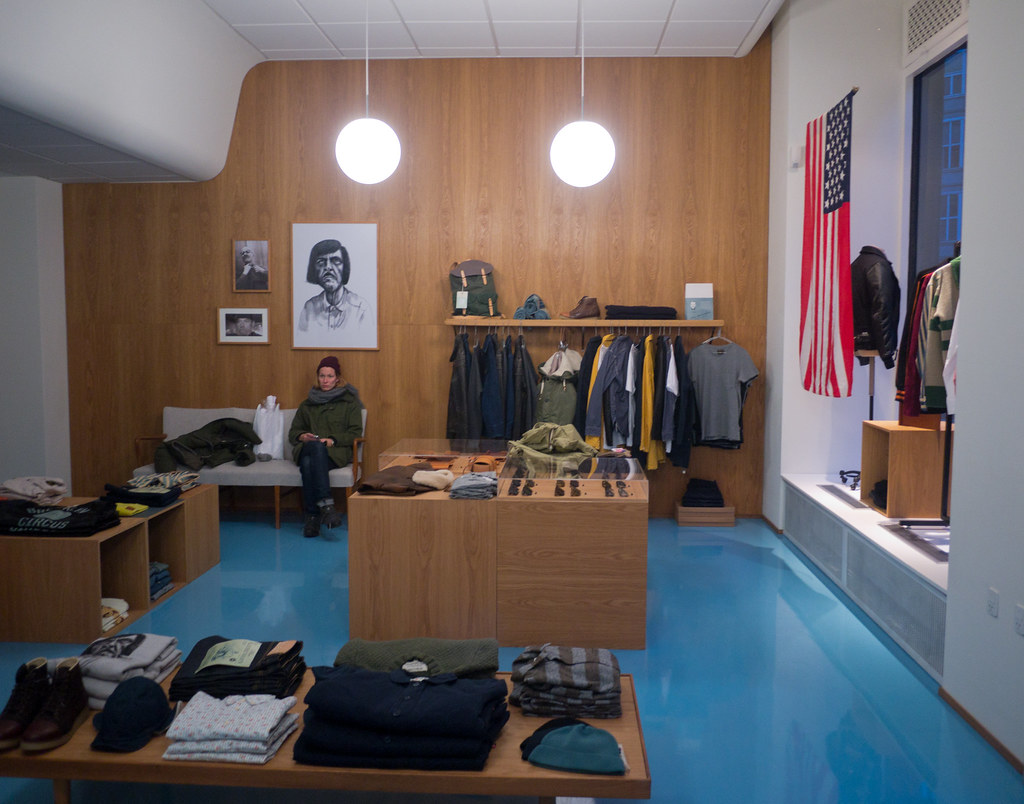
Interior at Han Kjøbenhavn.
P1480505
Falafel platter at Fafa's.
P1480530
Michael, Café lillebror.P1480619
Early dinner crowd at Bæst.
P1480586
The Royal Library ("Det Kongelig Bibliotek"). schmidt hammer lassen, 1999.
P1480601
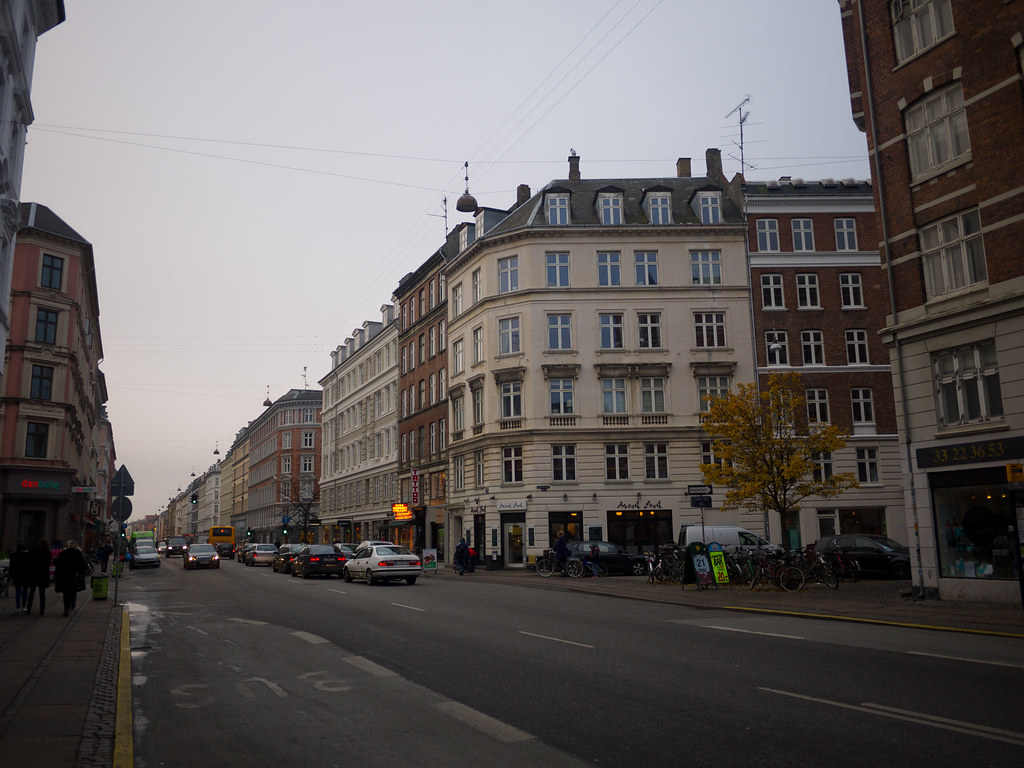
Street scene on Nørrebrogade.
P1480646
Saab stories. Hellerup.
P1480676
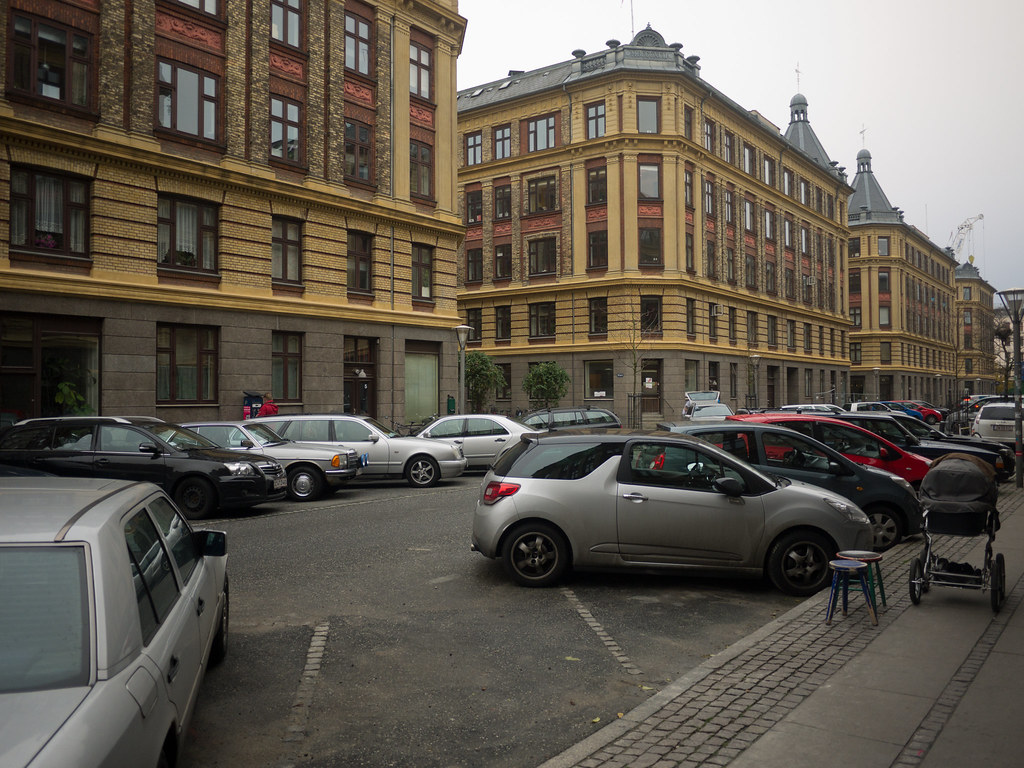
Courtyard vibes in Østerbro.P1480721
The smartly-renovated Israel plads, directly opposite Torvellerne.
P1480784
Danes enjoying a beer on the waterfront.  P1480790
Copenhagen Opera House. Henning Larsen, 2001.P1490390
At Lidkoeb.

Copenhagen: Save A Prayer

Wednesday, December 5, 2012


Copenhagen, Denmark

Saturday, December 1, 2012

Copenhagen. Holy crap. The crown gem of Scandinavia, and maybe Europe. To start: easily the best bicycle infrastructure I've seen; stunningly well dressed (and the girls have perfectly-sculpted bodies from biking year-round) and picture-perfect people; top-notch, highly innovative Michelin Star-laden culinary scene and talent that prides itself on quality ingredients, including the world's best restaurant; and heaps of stunning architecture in both contemporary and Old World styles, including some of the best regarded buildings of the past decade. Dare I say it: is Copenhagen the most livable city I have visited? I am inclined to say yes.

The bicycle culture, though, has to be seen to be believed. Quite simply: there is nothing like it. I have never seen a city where EVERYBODY rode their bikes, not just fringe types and minorities. The bike is to Copenhagen as the car is to America. The numbers are impressive: 90% of city residents own a bike, while 60% bike on a daily basis, and another 37% use the bike to commute to work*. Walking to my apartment on my first night in town, the streets appeared to be filled with fireflies, for all I saw in the winter darkness was the dim flicker of white and red bicycle lights. For people in Copenhagen, the bicycle isn't a political statement, or a trend, or a form of transit utilized when impoverished. Rather, it is a cost-effective and year-round means of getting from point A to point B.

And it goes on: ambitious overhauling and redevelopment of industrial and waterfront areas into livable, human-scaled communities; intact and expansive historic core that is not overrun with tourists, nor marred by modernist edifices; heaps of local, organic clothiers and brands. The city works, and is as functional as any I've seen. People don't live in fear of the government, and the government pulls out all stops in making the city as livable as possible. Benefits like an impressive 52 week paid maternity leave, to this American, seem like the stuff of dreams. There is a spirit of first world optimism that I rarely feel back home in the States. New, driverless Metros, ridiculously extensive and generous state benefits, bridges to Sweden, bicycle highways, over the top opera houses and civic buildings, and WiFi-equipped trains and buses. It is refreshing to see such a useful leverage and application of taxpayers’ dollars.

Copenhagen is also known for its rich and vibrant street style and fashion sense. As such, most Danes have an impeccable sense of style. I have never seen so many Acne scarves, Pennfield jackets and Red Wing boots. There is a slew of quality, locally-manufactured brands and stores: some of my favorites were Han Kjøbenhavn, Wood Wood, and the pricey Norse Projects. Acne, though not a Danish brand (Swedish), also had a big presence in the city. That reminds me: Copenhagen had a rather pleasant downtown. Instead of being completely surrendered to tourists, chains, and corporate interests, despite all of those being present, I found a number of cool, locals-only pedestrianized streets, often filled with the aforementioned boutiques, along with coffee shops and restaurants. Pilestærde and Studiestræde both fit this bill.

We stayed in Nørrebro, a multicultural (though, to be fair, it seemed mostly hipster and creative) borough immediately west of downtown. One AirBnB ad listed is as a “Little Berlin.” Smack dab in middle of the neighborhood is the Assistens Kirkegård, a cemetery that serves as the resting place for many famous and celebrated Danes; poet and children’s author Hans Christian Andersen and poet and existentialist Søren Kierkegaard are the most well-known of these. Formerly a bastion of Copenhagen’s primarily Middle Eastern immigrant community, these days it is the hangout of students, creative professionals, and artisanal foodies. A two-block stretch of Jægersborggade confirms this. The block has an all-star lineup of restaurants, cafés, and boutiques. Coffee Collective, the beloved Copenhagen coffee roaster, is one of such businesses. Meyers Bageri, with its delicious breads and chocolate scones, was another. Michelin-starred Relæ, opened by a former chef at Noma – the world’s best restaurant – is another one of the places. Copenhagen is fairly unique in that it has a wealth of Michelin starred restaurants outside of its downtown and city center areas, sometimes in surprisingly rough and gritty environments.

Copenhagen is a serious food town. As the center of the New Nordic food scene and movement, it has an abundance of quality restaurants. I enjoyed Mother, a Danish-Italian pizzeria in the city’s meatpacking district (where, despite its newfound fame and popularity, they still pack meat), with the motto is “really good simple food”. The sourdough pizzas, of both the meatball (porcini mushrooms, sausage, mozzarella, and tilsto) and prosciutto (prosciutto di norcia, arugula tomato, mozzarella, and pesto) varieties, were excellent, as was the curated microlist of Italian wines, selected from wineries in Italy that the owners know personally. Lyst, with its cozy interior and generous brunches, often served with Danish rye bread, was another standout. As was the popular and hyped Café Granola, with its fresh-squeezed juices and Americana-style breakfast menu and interior. I really threw down there. 

Overall, there is a Mediterranean-like socially-oriented culture that values food, drinks, and social outings. The people, many of whom can pass for models, fashion bloggers, or VIP party-type showgirls, have a good sense of humor and appreciate the finer things in life. Most are well-traveled, speak native-level English, and are reasonably well educated. I came here expecting Copenhagen to be a larger, grander Oslo. Boy, was I wrong. It feels like a good-sized, world-class metropolis, and has the urbane city amenities and overall depth that one would assume comes with such. Part of the charm comes from hygge, an untranslatable world that roughly corresponds to “coziness”. A quick Google search described it as: “a state of comfort, peace and warmth while in the company of loved ones.” The combination of hygge and Scandinavian sophistication makes the city a very special and unique place. And one of my favorites. Whatever the Danes are doing, they are doing it right: the UN (full report here) recently said that the Danes are the world's happiest people.


A smart-looking biker along Elmegade.
Classy buildings outside of Sort Kaffe og Vinyl (Black coffee and vinyl), a hybrid coffee shop and record store.
Americano/Cappuccino at Sort Kaffe og Vinyl.
A bike-heavy scene along Åboulevard.
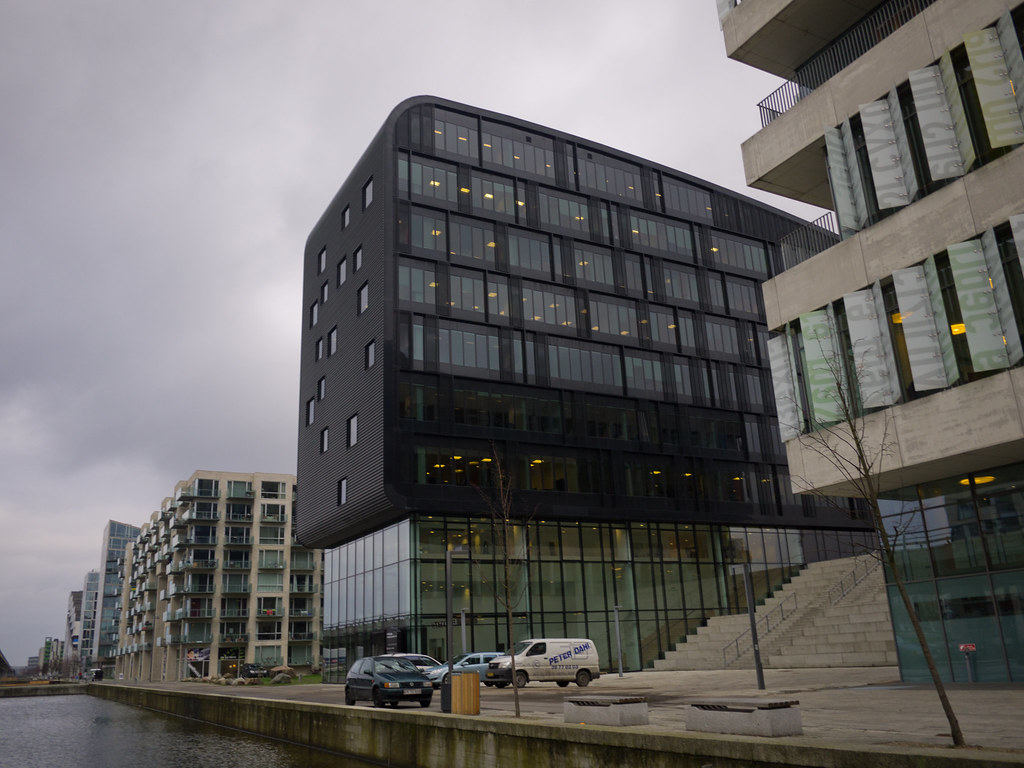
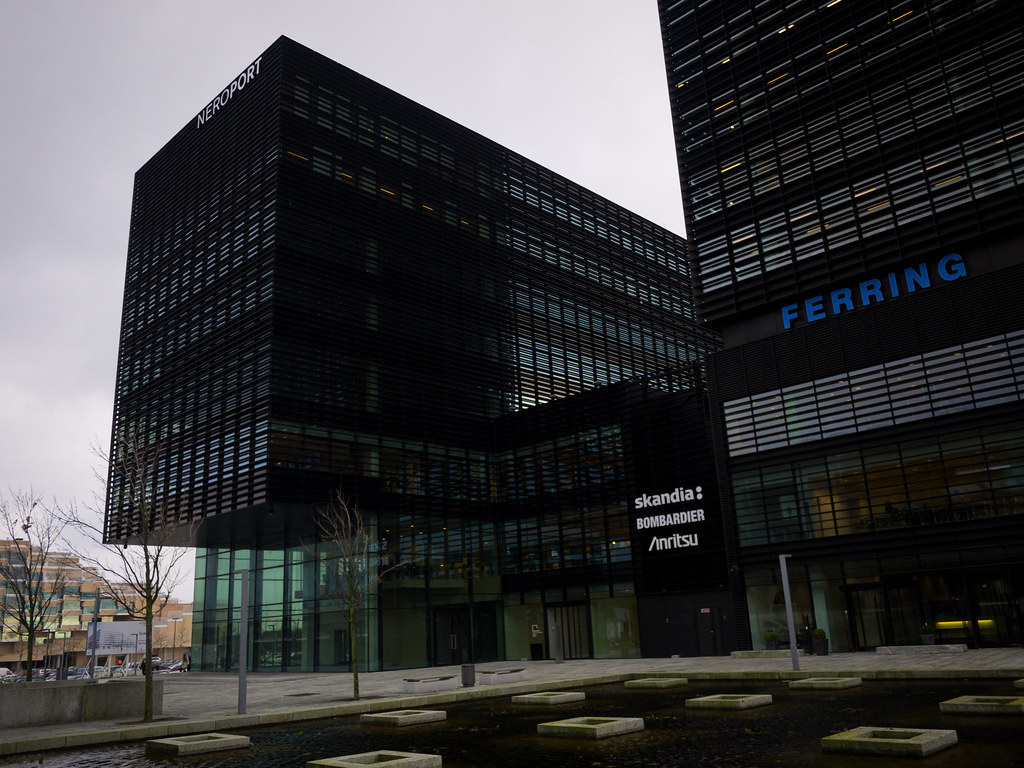
The "life after humans" feel of Ørestad, a former landfill and rural area recently redeveloped into modern condominiums, workplaces, and schools.
Brunch at Lyst.
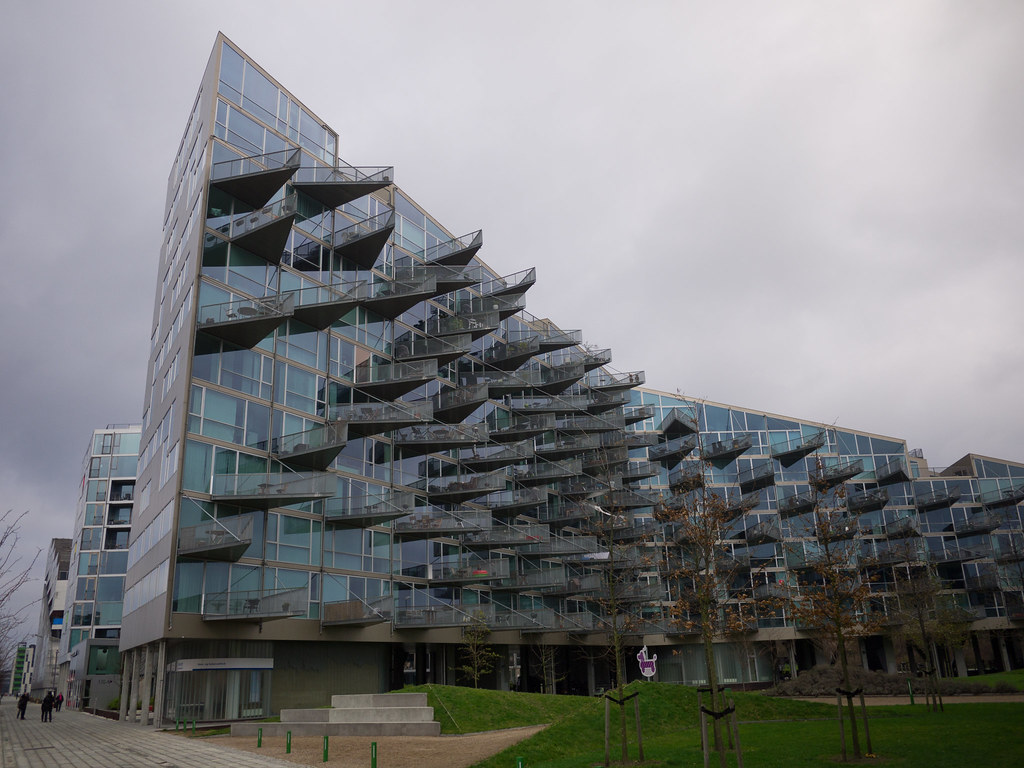
The Mountain Dwellings, a residential building in Ørestad designed by famed Danish architecture group BIG (Bjarke Ingels Group).
The interior of Dyrehaven, which means "animal zoo" in Danish, a former blue collar corner bar that has since been converted into a buzzing Vesterbro hangout.
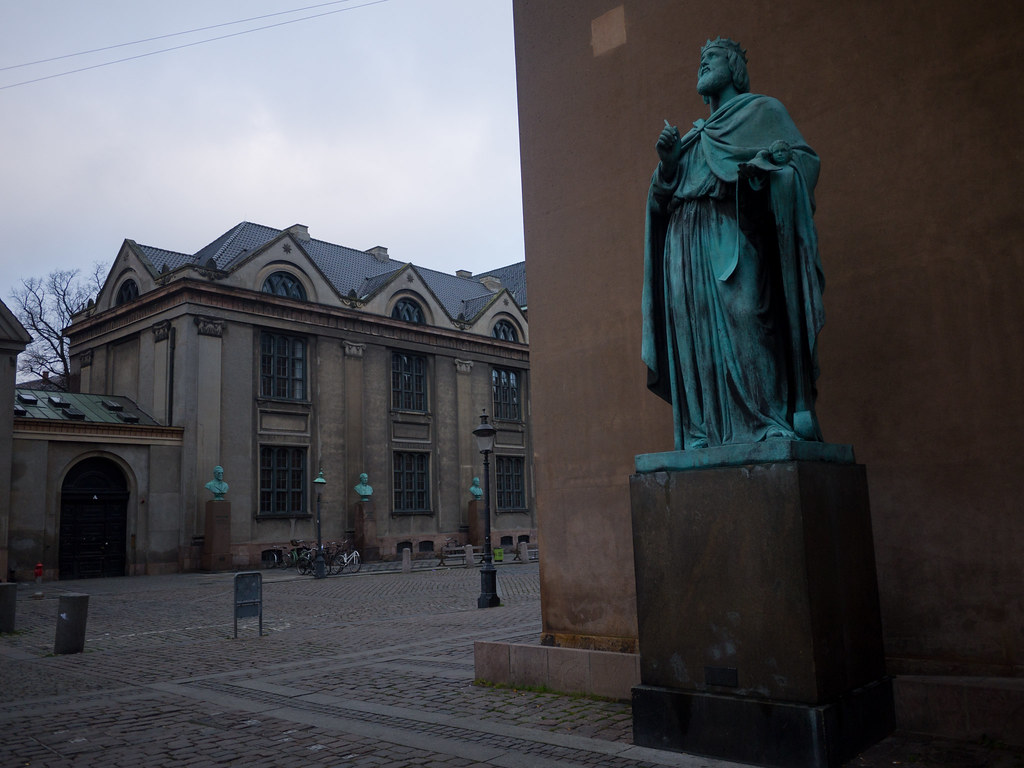
Statue outside of the Vor Frue Kirke. Downtown.
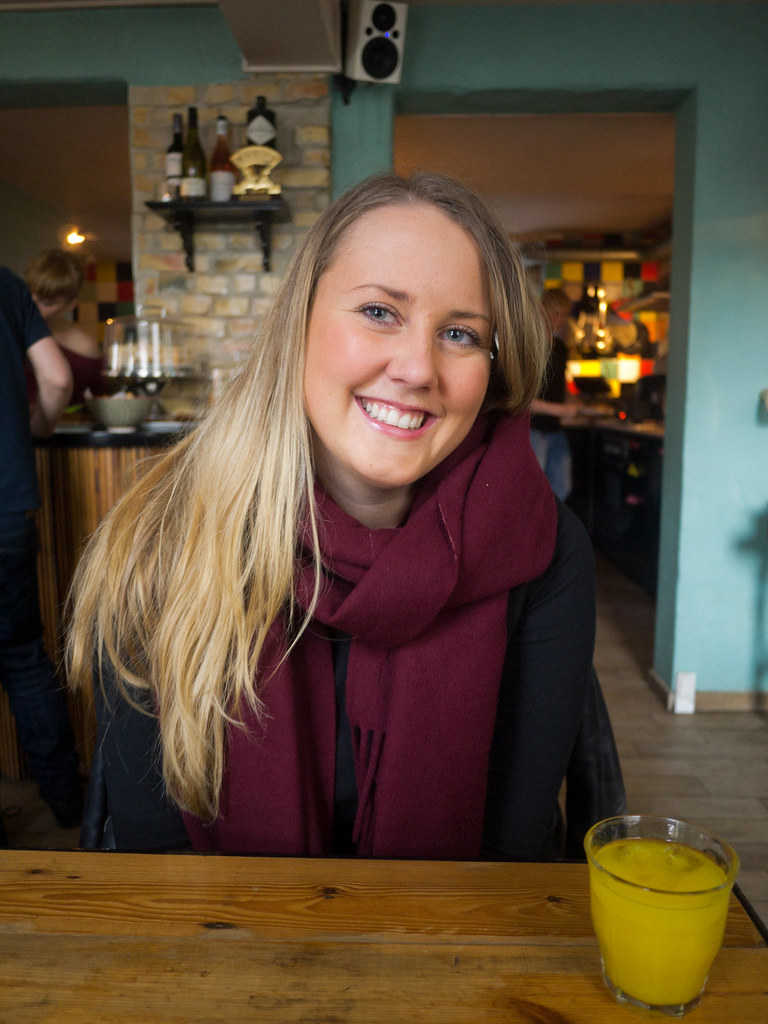
Silje. Lyst.
Looking down Jægersborggade. Nørrebro. 
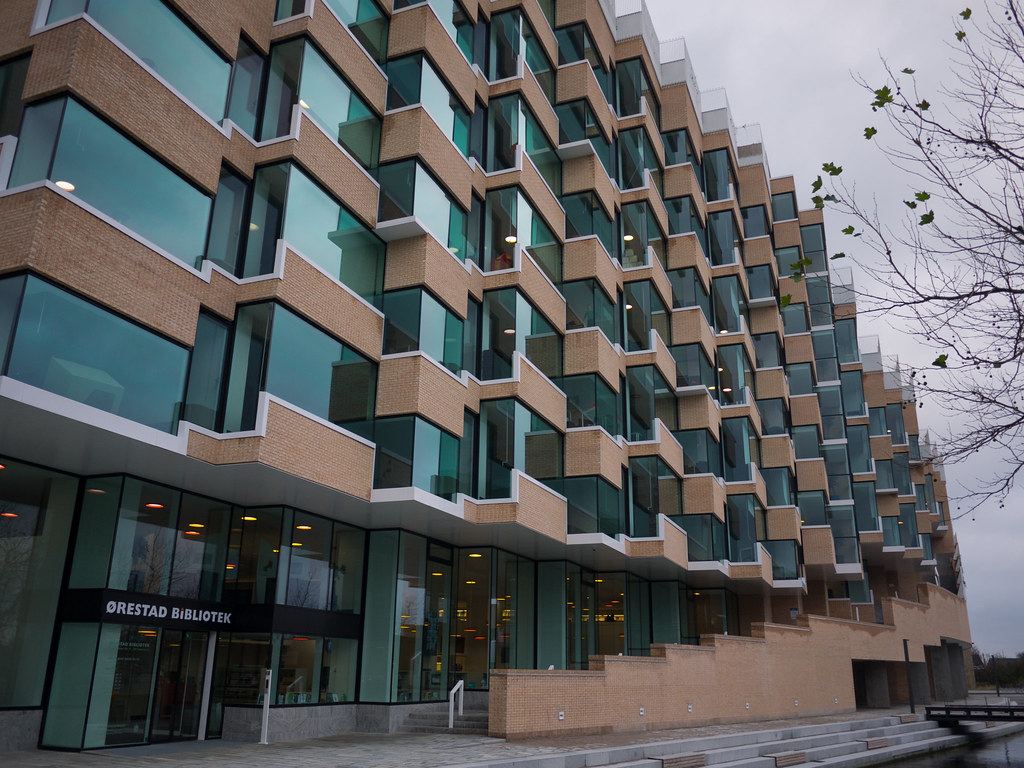
The new Ørestad Library. 
The attractive interior of the Han Kjøbenhavn store.
New offices in Ørestad.
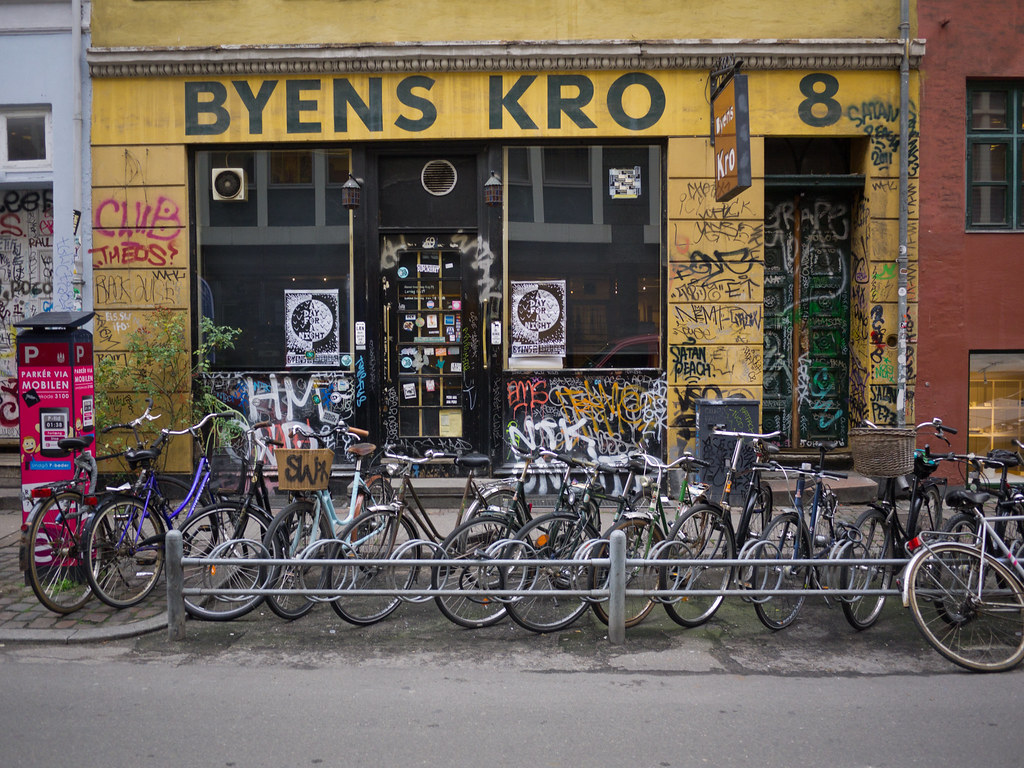
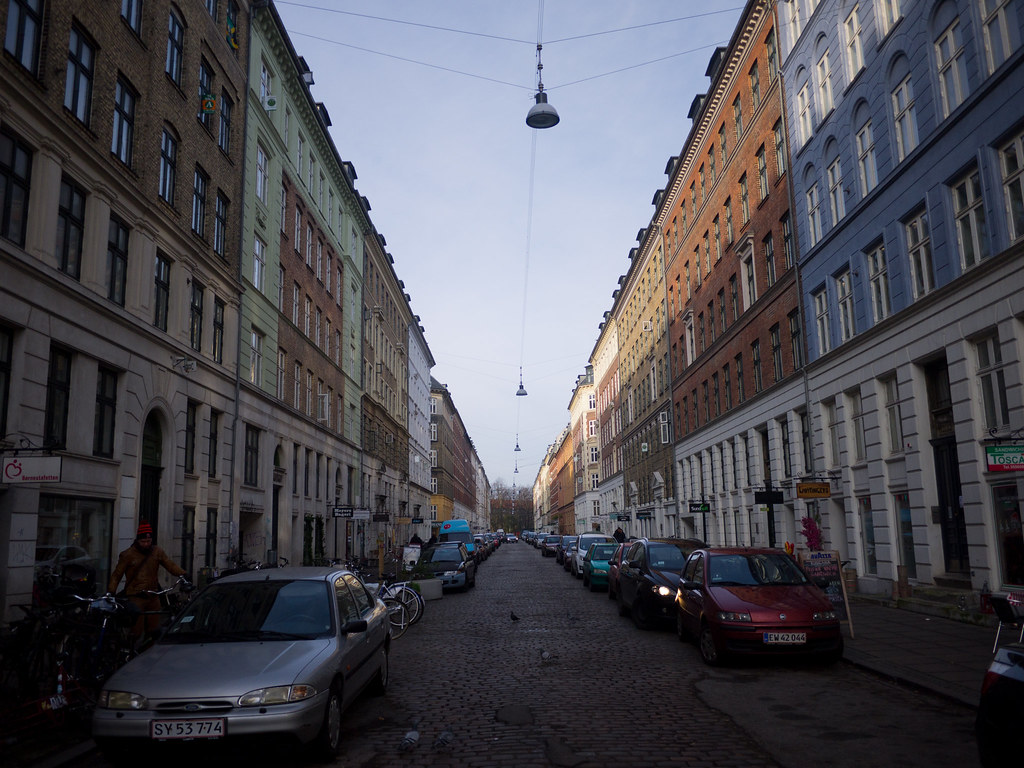
Typical Copenhagen street scene. Every available wall in the city is covered with locked bicycles.
A Christmas-y scene along Strøget, in the city's center.
A late afternoon along one of the Lakes of Copenhagen, a series of five, small lakes that separate the city center from the surrounding boroughs (neighborhoods).
A spectacular Christmas light display at Tivoli Gardens, the second-oldest amusement park in the world. The oldest amusement park is located nearby, in a suburb of Copenhagen. Tivoli was magical. All of the lights, Christmas vendors, and rides collectively summed up how I, as a kid, imagined Christmas in Europe to be.