Part 1: Echo Park
Monday, October 26, 2009
Labels:
Echo Park,
gentrification
3
comments
To accomplish this project, I plan on visiting several neighborhoods that are currently in differing stages of gentrification. And while several neighborhoods are currently in the throes of gentrification (or were, pre-recession), I’ve decided to begin with what is perhaps the current hot-spot of such neighborhoods: Echo Park
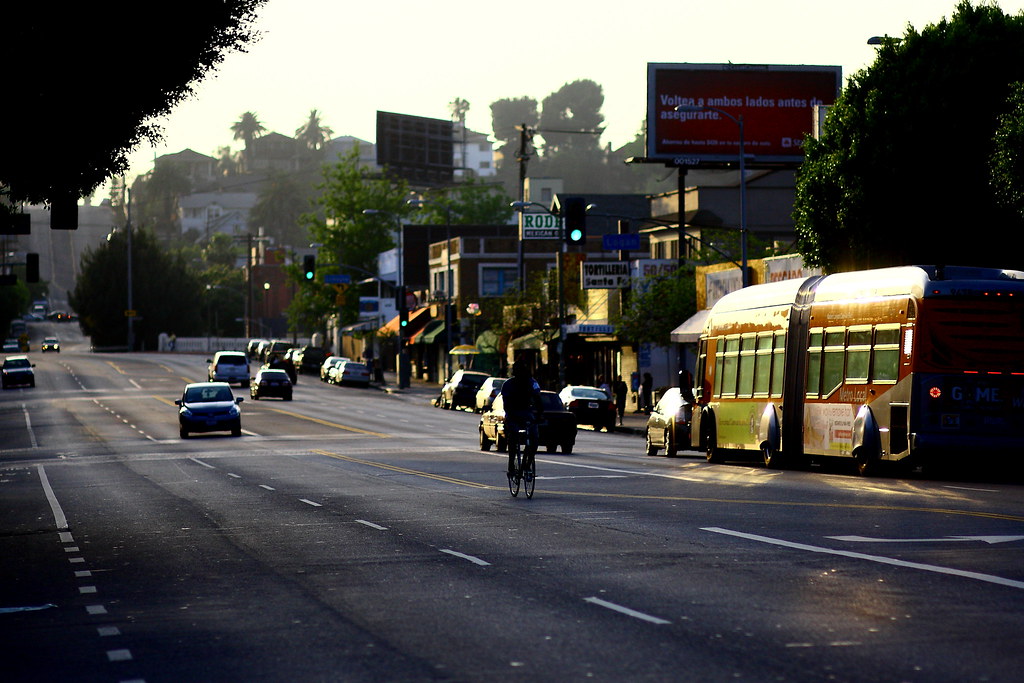
Echo Park, or EP as I like to call it, is without doubt LA’s quintessential (ongoing) gentrification case. The old-time bastion of Latino culture located NW of Downtown and home to the famous Dodger Stadium is prized for its authentic grittiness and street culture, gorgeous hillside vistas, charming cottages, central location as well as being home to one of the finer parks in the city. For these reasons, combined with the rising cost of real estate, it comes to little surprise that gentrification would continue its eastward march along Sunset.
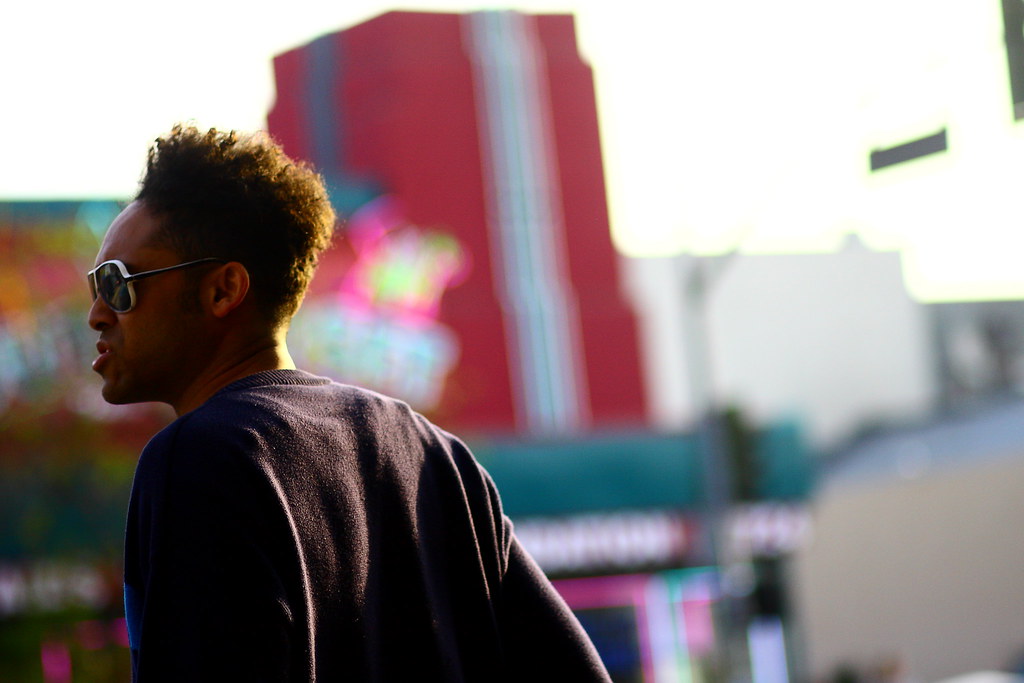
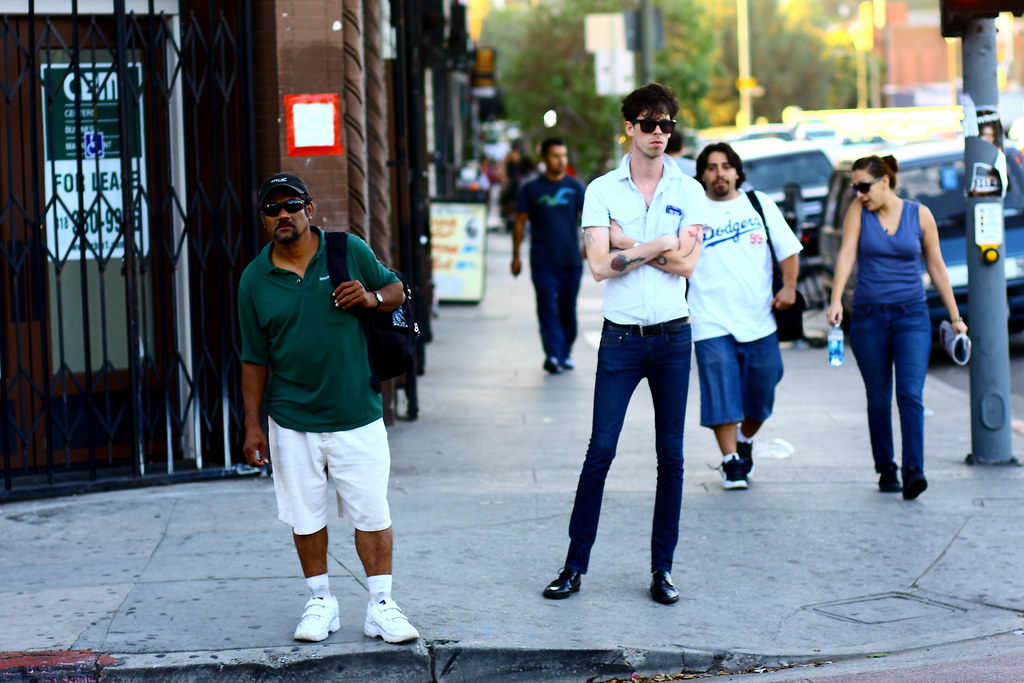
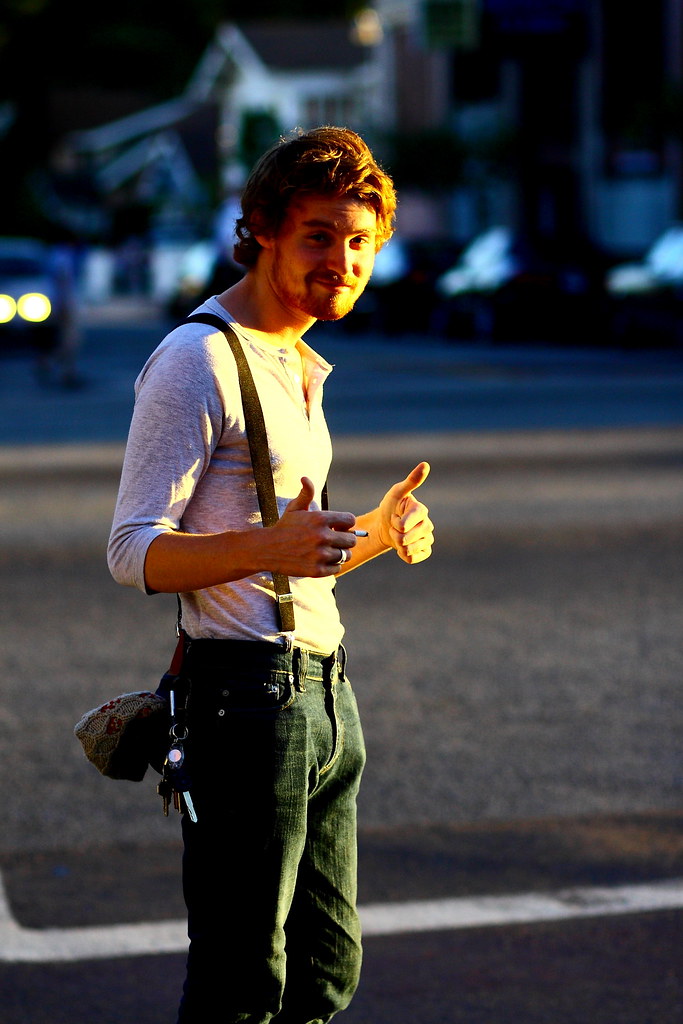
As a neighborhood actively in the midst of redevelopment and major changes, it is one that is hotly-contested, with both sides staking out large claims of the barrio; north of Sunset, yuppie homeowners have snapped up and renovated cute Spanish adobes, while south of Sunset, hipsters pile in multifamily units with the existing Mexican population. And while the neighborhood is still overwhelmingly Hispanic, locals have already begun to view newcomers with mistrust and suspicion; cautious of their long-term plans for the neighborhood – for good reason, too.
Despite gentrification efforts having been hindered by the onset of the recession, Echo Park significantly gentrified – at least according to people in the area, who say more than 20% of the population now is white. Honestly, I have no clue as to what the current census counts are, and I’m hesitant to refer to old ones for the fact the census bureau is known for vastly under-counting urban areas. (That and the fact that neighborhoods heavy in immigrants (illegal or otherwise) by and large don’t take part in census counts). It is those immigrants, who, according to locals, are being chased out or wrongfully evicted from apartments by landlords in order make way for renovations and rent increases to appeal the new demographic. This change, while having been somewhat of a gradual process – albeit one that gains far more traction with the passing of each year – is quite surprising for a neighborhood, which until 8 years ago, was almost exclusively Hispanic.
Unlike some “up and coming” neighborhoods that, because of the frantic pace of gentrification, the neighborhood is neither it’s old – or new self, and instead plays an rather odd middle position. Chelsea, NY is an example of this; a neighborhood that is neither fully upscale and trendy, nor gritty and bohemian. Interestingly enough, despite its sense of transition, EP is true to its dual personalities, being both a ‘hip’ destination and proud Latino cultural center. It is these unique syntheses of old time Mexican culture and flavor, with that of the newer hipster arrivals’ that has propelled EP into the ranks of my favorite neighborhoods.
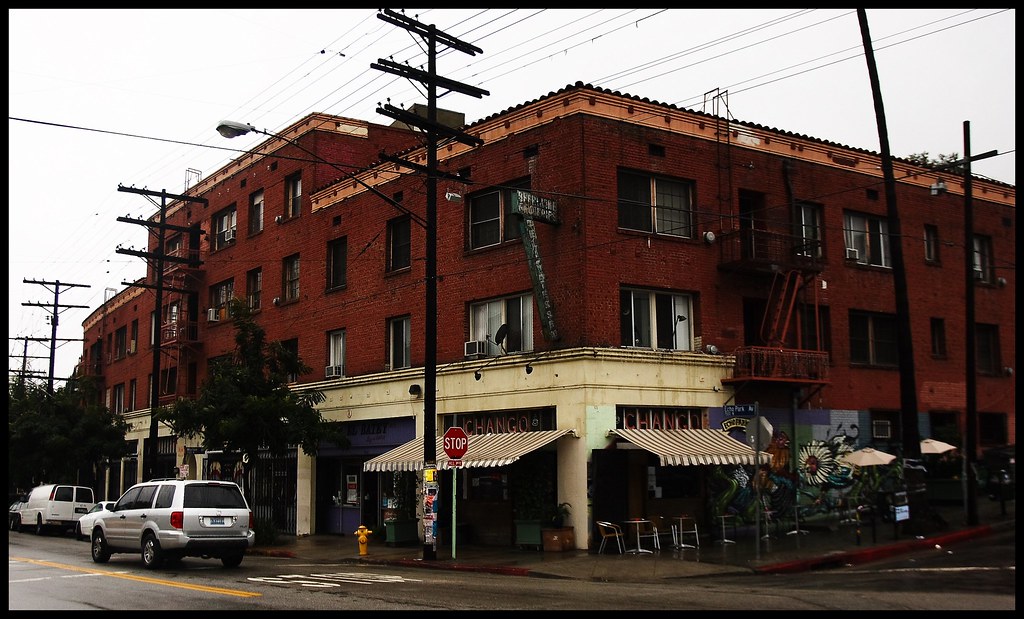
Its unique, sometimes uneasy existence between the new and old is manifested in various ways, with my favorite being the jarring contrasts and juxtaposition between their respective stores and hangouts. Overpriced clothing boutiques, swank coffee shops, eclectic niche stores, chic cafes, and of course, the ubiquitous trendy art galleries mesh with greasy taquerías, aromatic panaderías, tired laundromats and other, general stores. The result is the creation of a unique, one of a kind hybrid culture that has appealed to and drawn people from all walks of life.
Will the currently hamstrung gentrification efforts resume when the market picks up? Or will EP sour, reverting back to its original state? Whatever the outcome may be, I hope it remains a place where the sense of pride in the establishments, people and civic attitude keeping its great small town feel – and position as an oasis in this burgeoning city of 4,000,000.
Echo Park, or EP as I like to call it, is without doubt LA’s quintessential (ongoing) gentrification case. The old-time bastion of Latino culture located NW of Downtown and home to the famous Dodger Stadium is prized for its authentic grittiness and street culture, gorgeous hillside vistas, charming cottages, central location as well as being home to one of the finer parks in the city. For these reasons, combined with the rising cost of real estate, it comes to little surprise that gentrification would continue its eastward march along Sunset.
As a neighborhood actively in the midst of redevelopment and major changes, it is one that is hotly-contested, with both sides staking out large claims of the barrio; north of Sunset, yuppie homeowners have snapped up and renovated cute Spanish adobes, while south of Sunset, hipsters pile in multifamily units with the existing Mexican population. And while the neighborhood is still overwhelmingly Hispanic, locals have already begun to view newcomers with mistrust and suspicion; cautious of their long-term plans for the neighborhood – for good reason, too.
Despite gentrification efforts having been hindered by the onset of the recession, Echo Park significantly gentrified – at least according to people in the area, who say more than 20% of the population now is white. Honestly, I have no clue as to what the current census counts are, and I’m hesitant to refer to old ones for the fact the census bureau is known for vastly under-counting urban areas. (That and the fact that neighborhoods heavy in immigrants (illegal or otherwise) by and large don’t take part in census counts). It is those immigrants, who, according to locals, are being chased out or wrongfully evicted from apartments by landlords in order make way for renovations and rent increases to appeal the new demographic. This change, while having been somewhat of a gradual process – albeit one that gains far more traction with the passing of each year – is quite surprising for a neighborhood, which until 8 years ago, was almost exclusively Hispanic.
Unlike some “up and coming” neighborhoods that, because of the frantic pace of gentrification, the neighborhood is neither it’s old – or new self, and instead plays an rather odd middle position. Chelsea, NY is an example of this; a neighborhood that is neither fully upscale and trendy, nor gritty and bohemian. Interestingly enough, despite its sense of transition, EP is true to its dual personalities, being both a ‘hip’ destination and proud Latino cultural center. It is these unique syntheses of old time Mexican culture and flavor, with that of the newer hipster arrivals’ that has propelled EP into the ranks of my favorite neighborhoods.
Its unique, sometimes uneasy existence between the new and old is manifested in various ways, with my favorite being the jarring contrasts and juxtaposition between their respective stores and hangouts. Overpriced clothing boutiques, swank coffee shops, eclectic niche stores, chic cafes, and of course, the ubiquitous trendy art galleries mesh with greasy taquerías, aromatic panaderías, tired laundromats and other, general stores. The result is the creation of a unique, one of a kind hybrid culture that has appealed to and drawn people from all walks of life.
Will the currently hamstrung gentrification efforts resume when the market picks up? Or will EP sour, reverting back to its original state? Whatever the outcome may be, I hope it remains a place where the sense of pride in the establishments, people and civic attitude keeping its great small town feel – and position as an oasis in this burgeoning city of 4,000,000.














 Posts
Posts

