Showing posts with label Philadelphia. Show all posts

The City That Loves You Back

Thursday, December 22, 2011

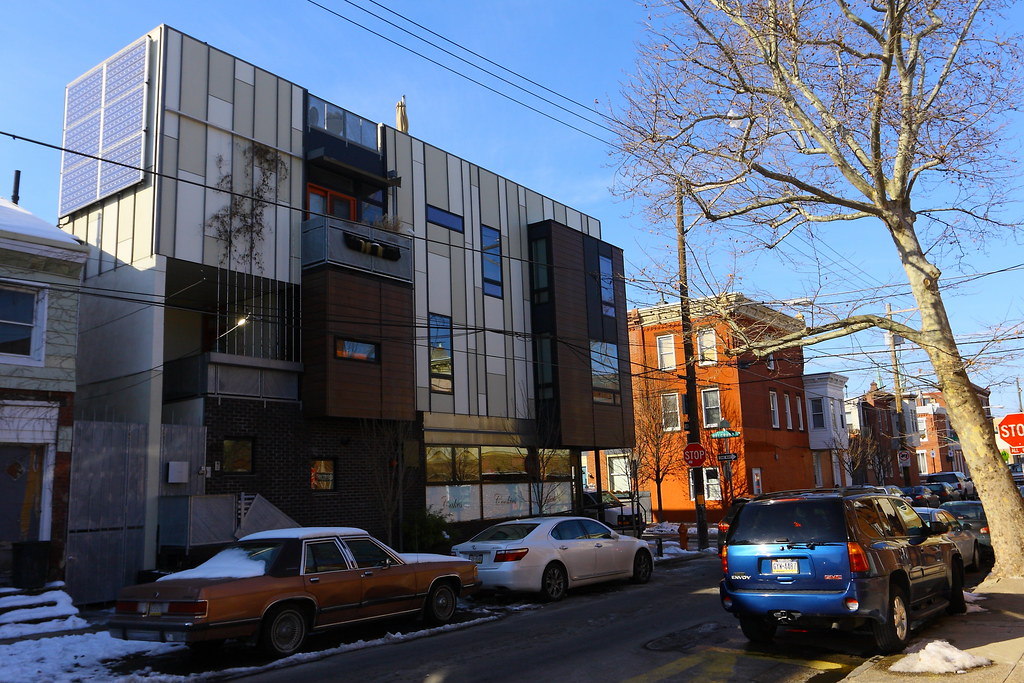
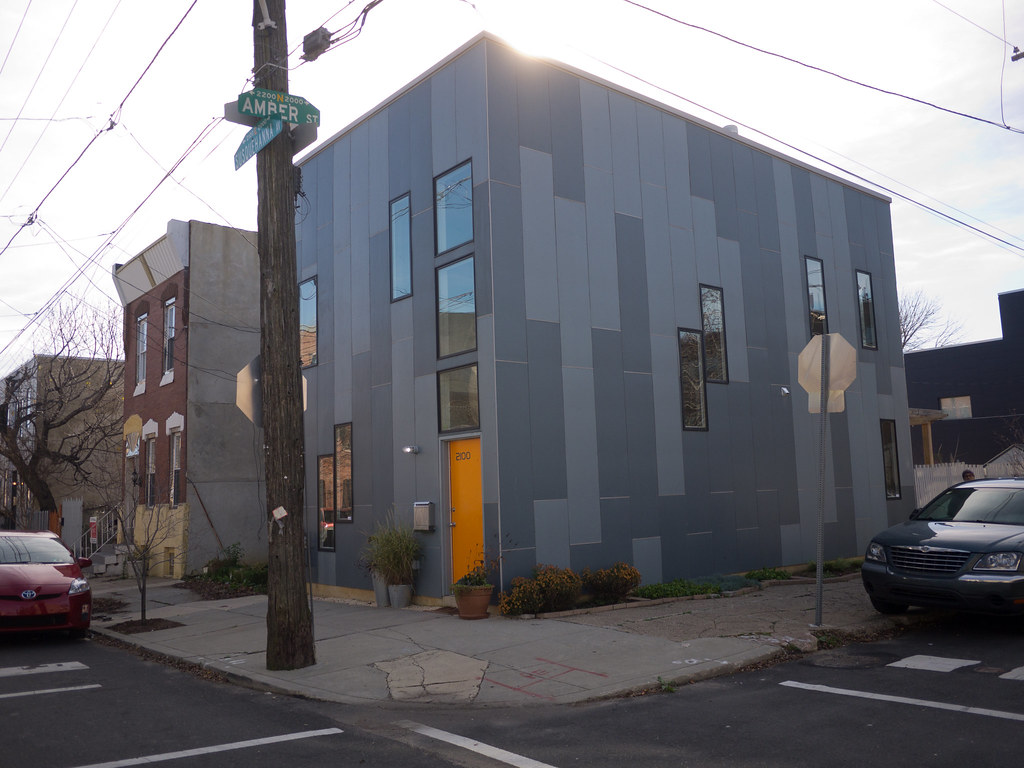
Recently, I paid a visit to the City of Brotherly Love, this time staying in a charming, tri-level rowhouse in the Fishtown nabe, not far from the gnarly, ramshackle-looking Berks El stop. The area, up & coming, was nice enough, with drinking-themed amenities such as a German beer garden, Barcade, and a gastropub featuring a continuously rotating beer draft menu and an impressive 24 taps. Also, in close proximity was the East Kensington nabe, a post-industrial area that is now the center of Philly’s surprisingly robust green construction industry. Most notably, the area is home to Onion Flats, as well as being the main recipient of PostGreen’s sustainable start-up homes, namely the 100k house, located on the corner of Amber and Susquehanna.

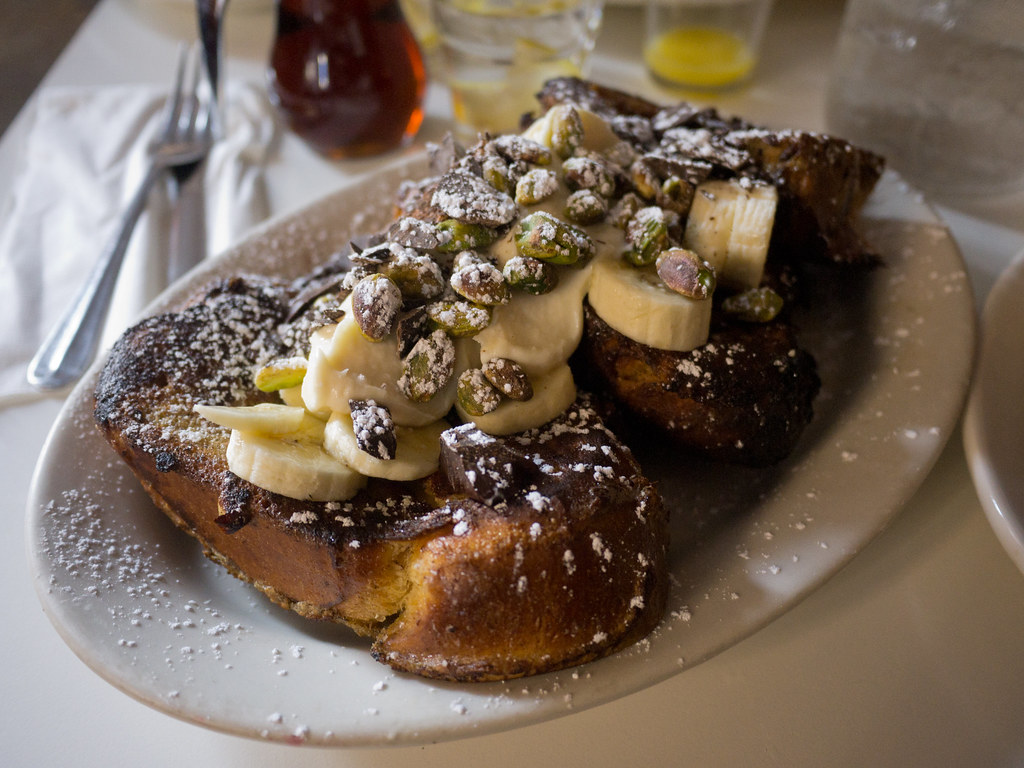
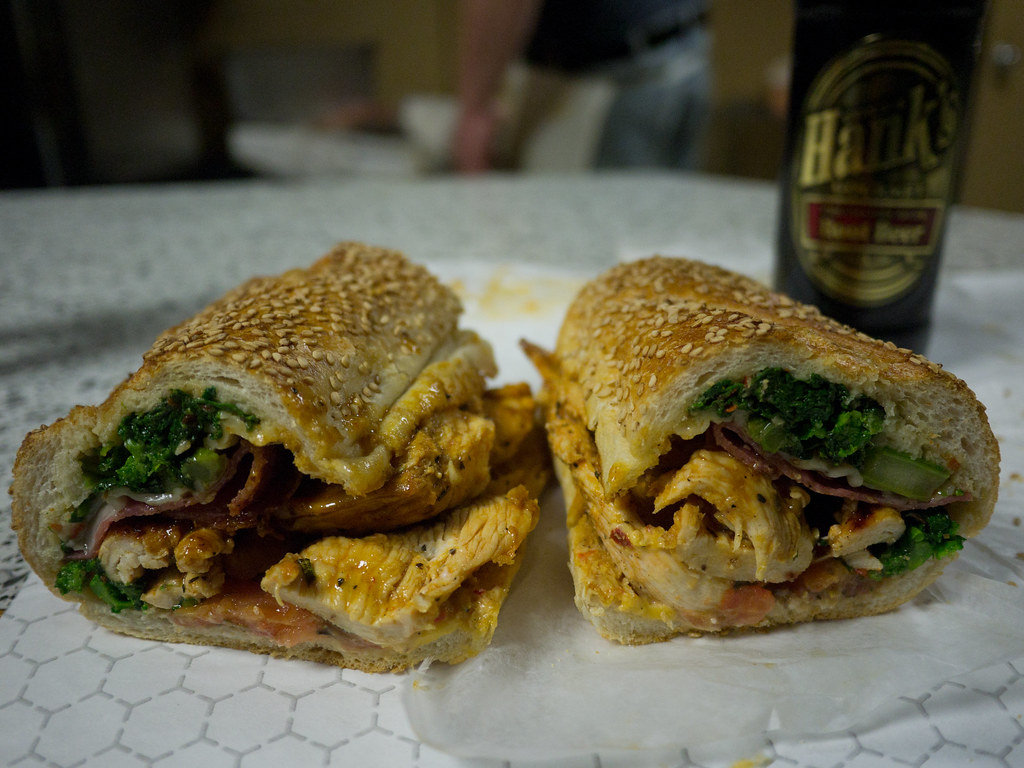
On this trip in particular, though, I was most impressed with the food. Previously, I had never thought of Philly as really being a food city, but this trip changed that. At Honey’s, a hybrid Jewish-Southern brunch spot in the popular Northern Liberties nabe, I ordered the giant pancakes, stuffed with bananas and walnuts, and the house-made Honey Dean sausage, a breakfast sausage made with turkey and honey. The real highlight, however, was Café Lift’s whimsical “Cannoli French Toast,” consisting of Challah bread French toast, bananas, pistachios, chocolate chunks, and a cream made from ricotta cheese. Similarly, Paesano’s gut-busting “Diavlo,” a hulking spicy chicken sandwich, made with salami, roasted tomatoes, broccoli rabe, an herb cheddar spread, as well as sharp provolone, also helped in solidifying my new impressions of food in the city. Words cannot convey how relieved I was to be in a legitimate, well-appointed and –regarded restaurant, and have nary a meal that costs over $10.

In various East Coast circles, Philly is often derided as, what a friend called, the “sick old man” of the big BosWash cities. Yes, crime is certainly more prevalent and scarier there than it is in other East Coast cities, with residents being in closer and more regular proximity to violent crime. And while the city is certainly not without (more than, actually) its fair share of crime, poverty, and general blight, I have always admired the creative, youthful energy present in the city. Though Washington is not without its young people – in fact, legions of them have been moving into the city – their presence, and influence, as a whole, skews much more corporate, mainstream, and professional, unsurprising given the overbearing role the Federal Government plays in DC. By contrast, lacking a single dominant professional industry, Philly’s youth population is characterized by an artsy, almost free spirit. Undoubtedly, the city’s cheap(er) rent plays a large role in cultivating this talent and energy, as I would assume that, with rent less of an issue, residents have more time to partake in the fun, leisurely activities that create the aforementioned vibe.

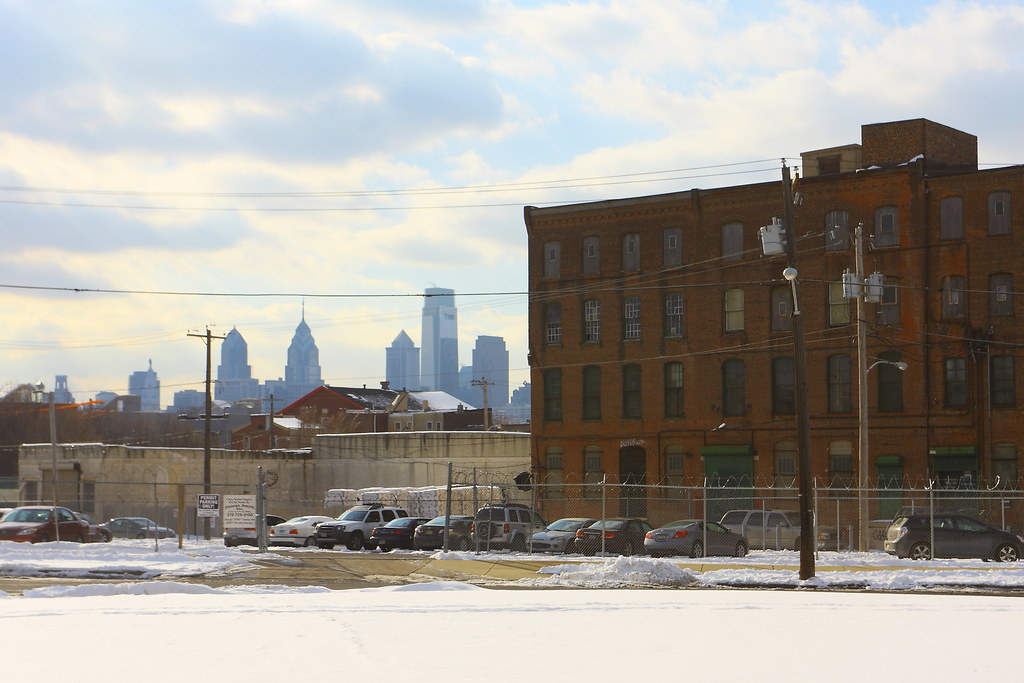
What I like most about the city, however, is the great, authentic-feeling patina the city is covered in. The result of several centuries of consecutive inhabitation, there is a particular feeling present throughout the city. The closest way to describe it is a feeling that the city has been “lived in.” Almost like a pair of old shoes. Wherever you go, historic architecture and history is in abundance, with very little of it feeling new, or worse, manufactured. It provides for a cozy, generally welcoming atmosphere that is hospitable and unpretentious in nature. Walking around the city, amid soaring, hulking skyscrapers and industrial edifices – many of them, unfortunately, disused and/or abandoned – I felt as if I was in a city that, quite literally, dominated the world, and was envious of nobody. I felt like I was in the former Workshop of the World.
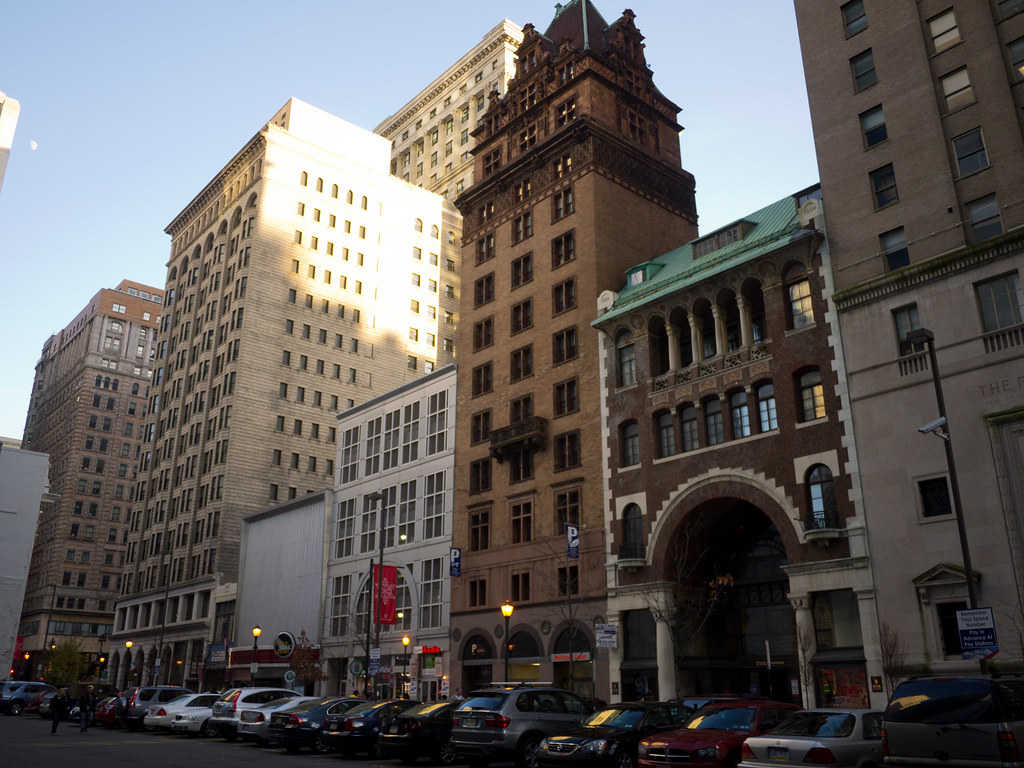
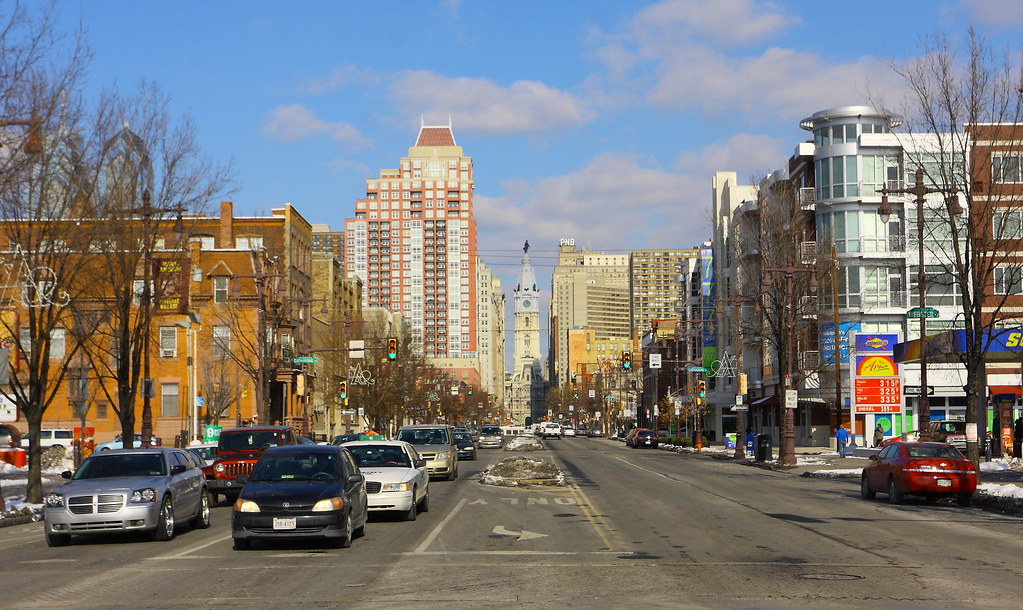
Turn-of-the-century mid-rises along Chestnut Street. Center City
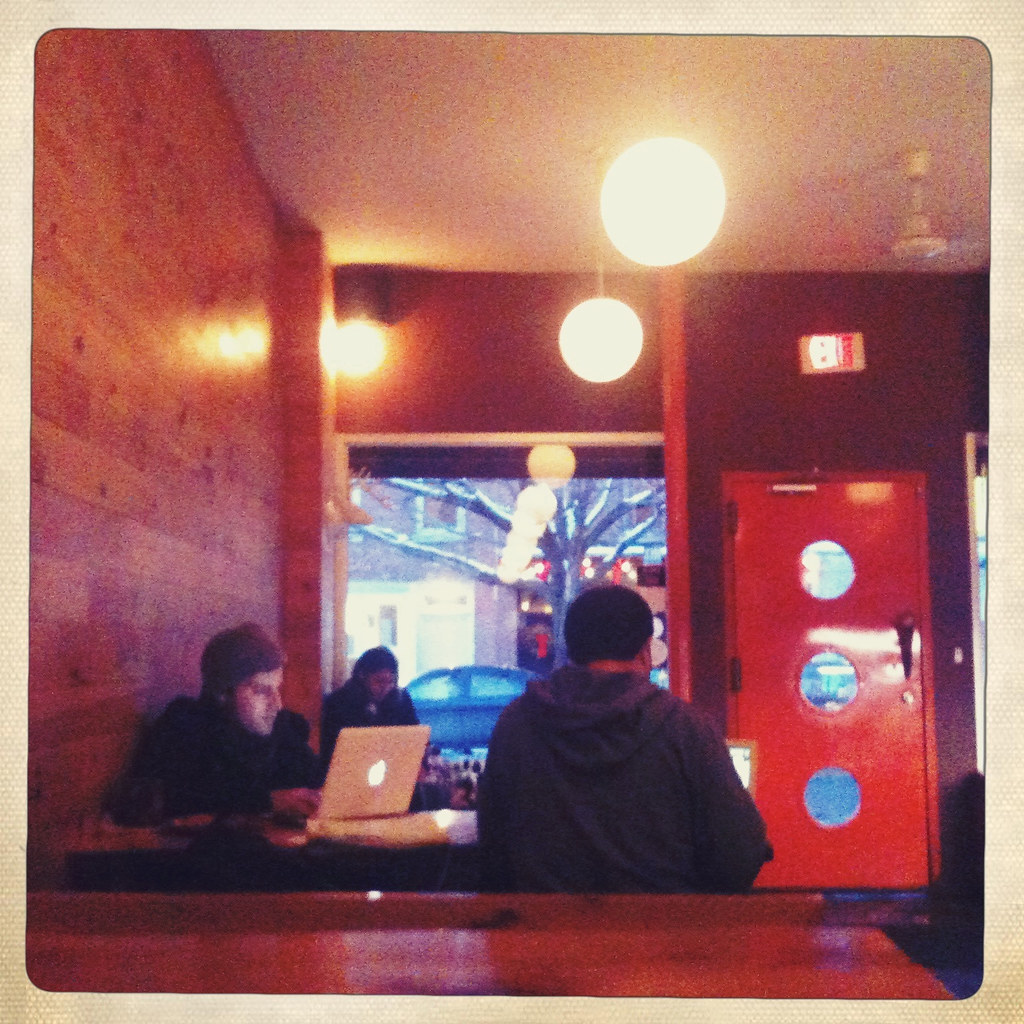
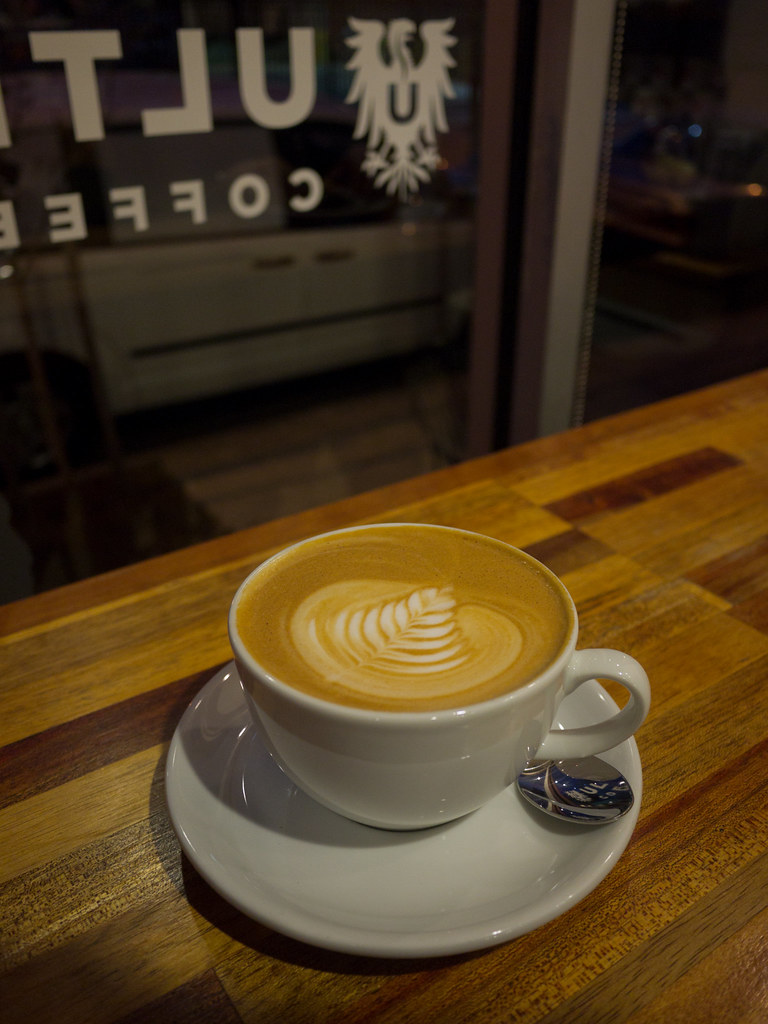
Latté, Ultimo/Brew. Newbold
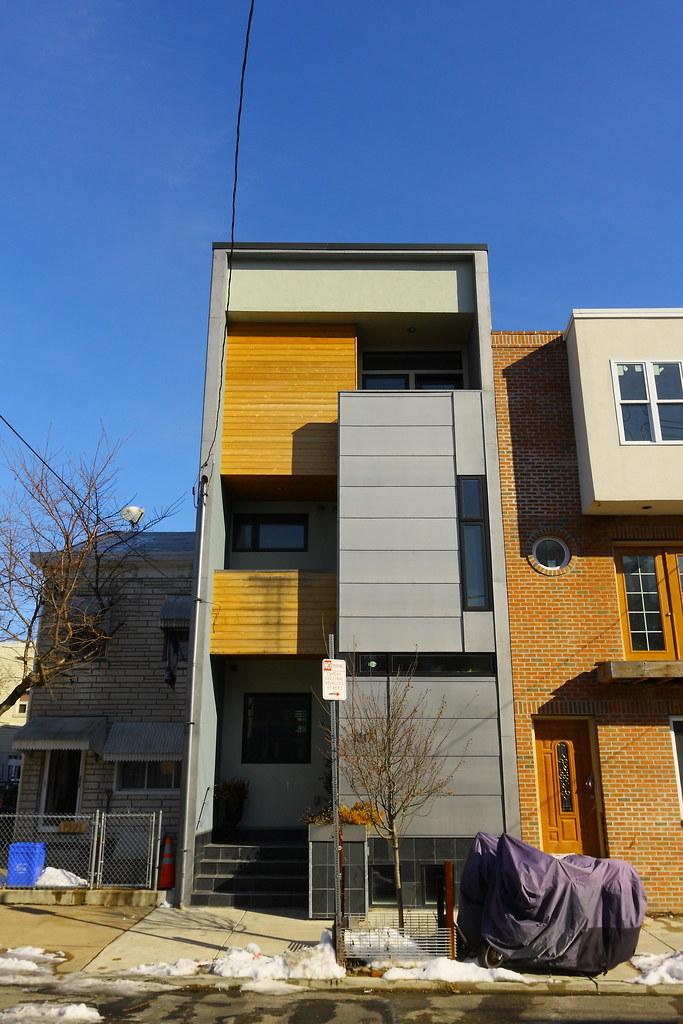
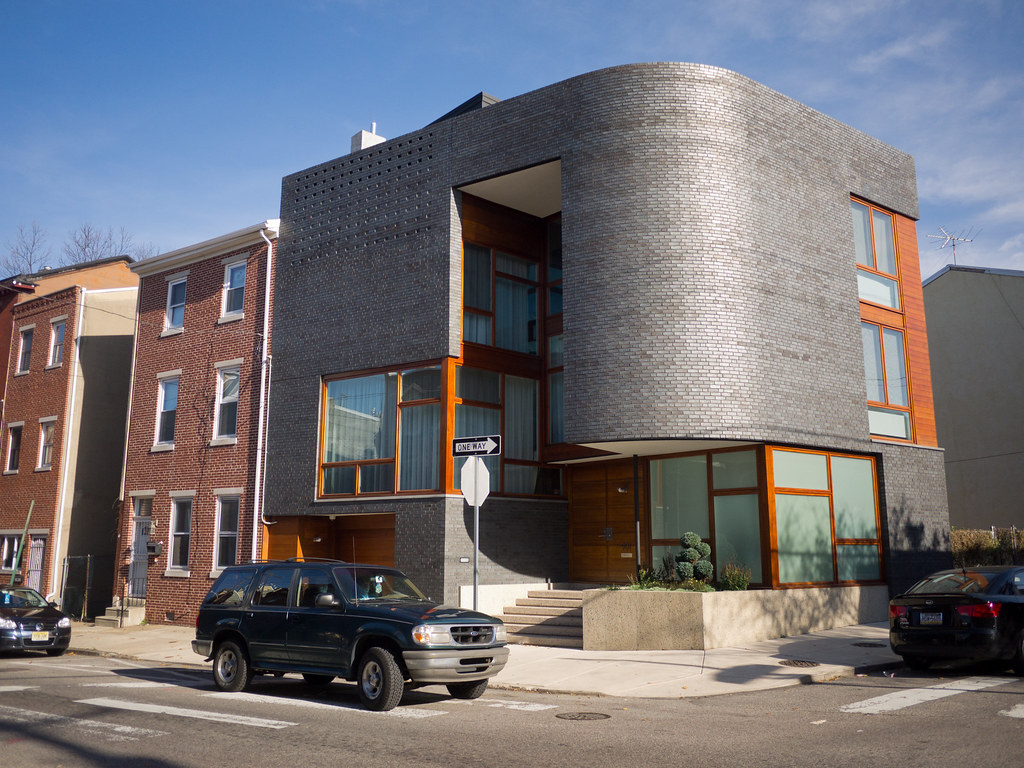
Contemporary residence. NoLibs
The 100k house. East Kensington
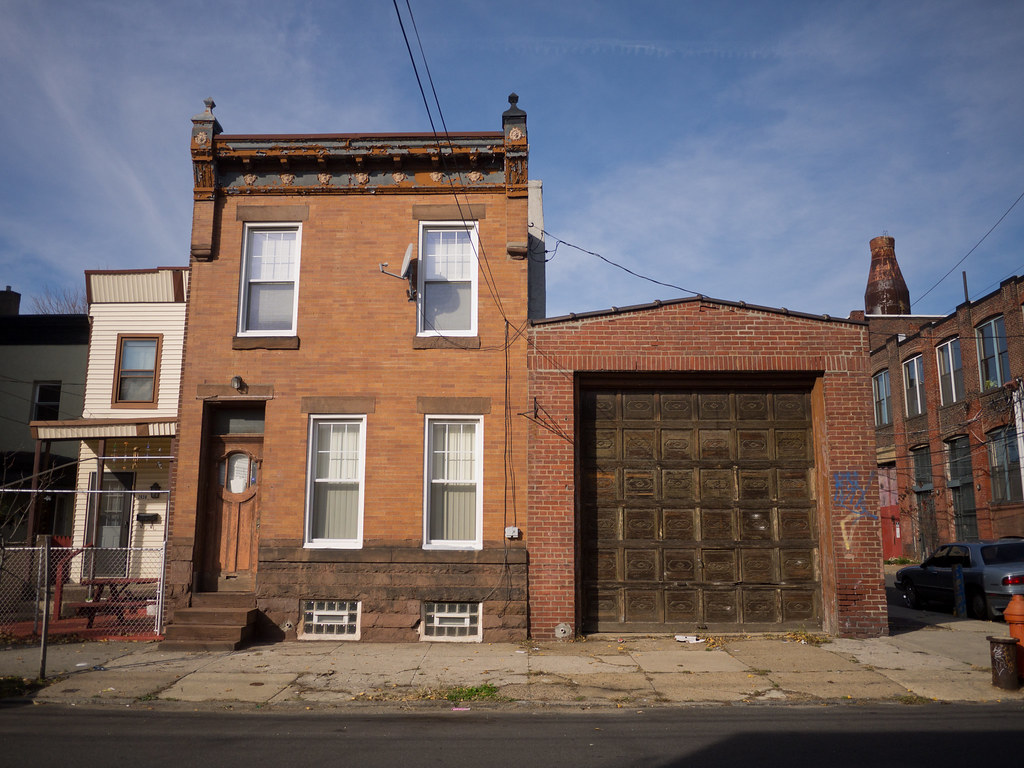
Unintentionally rustic-looking architecture. East Kensington
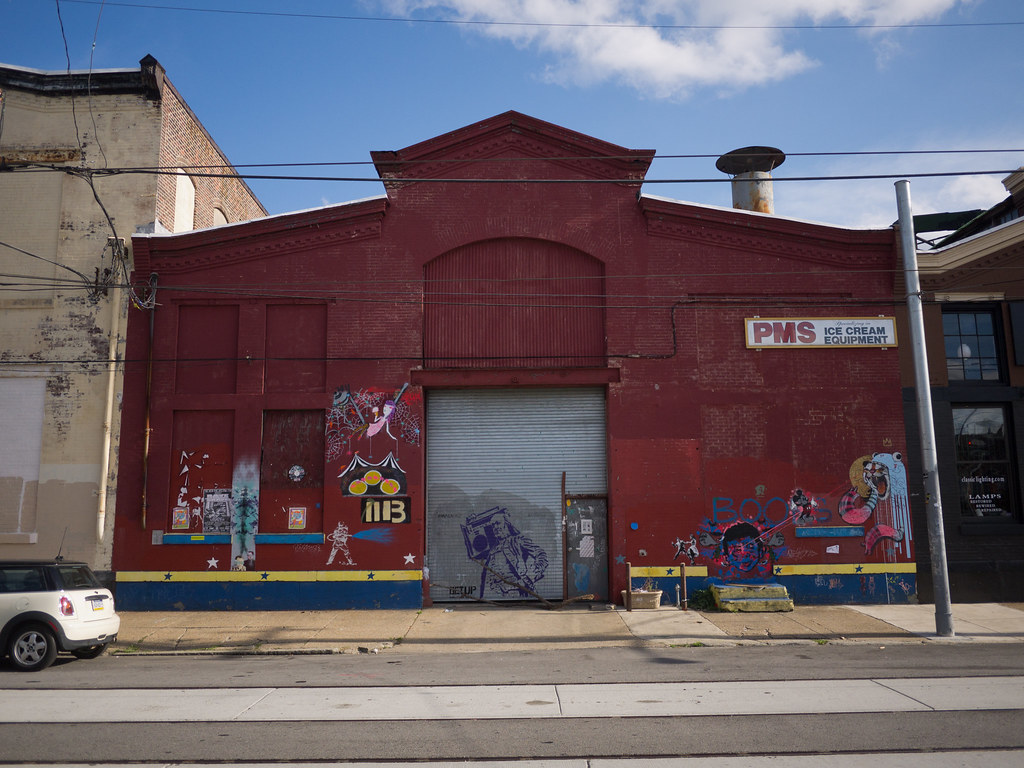
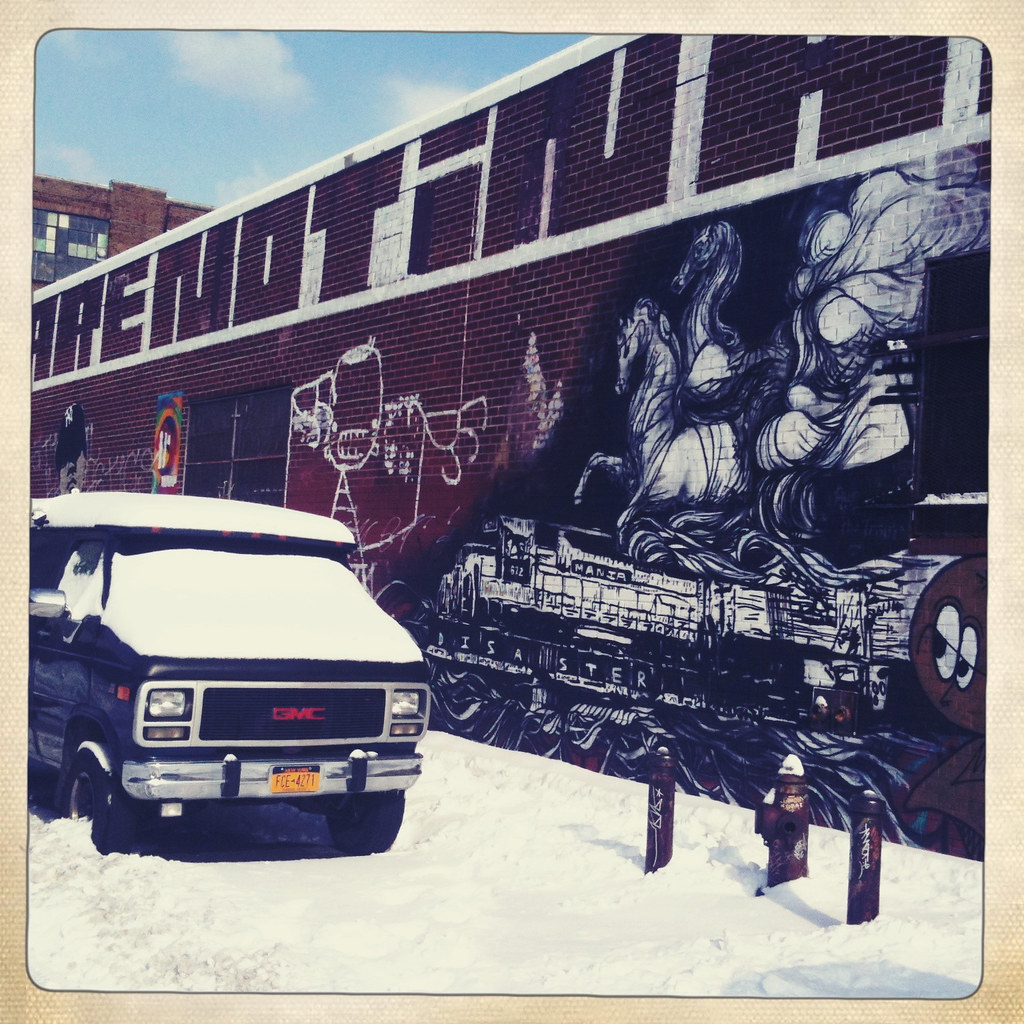
A Frankford Ave warehouse adorned in street art. Fishtown
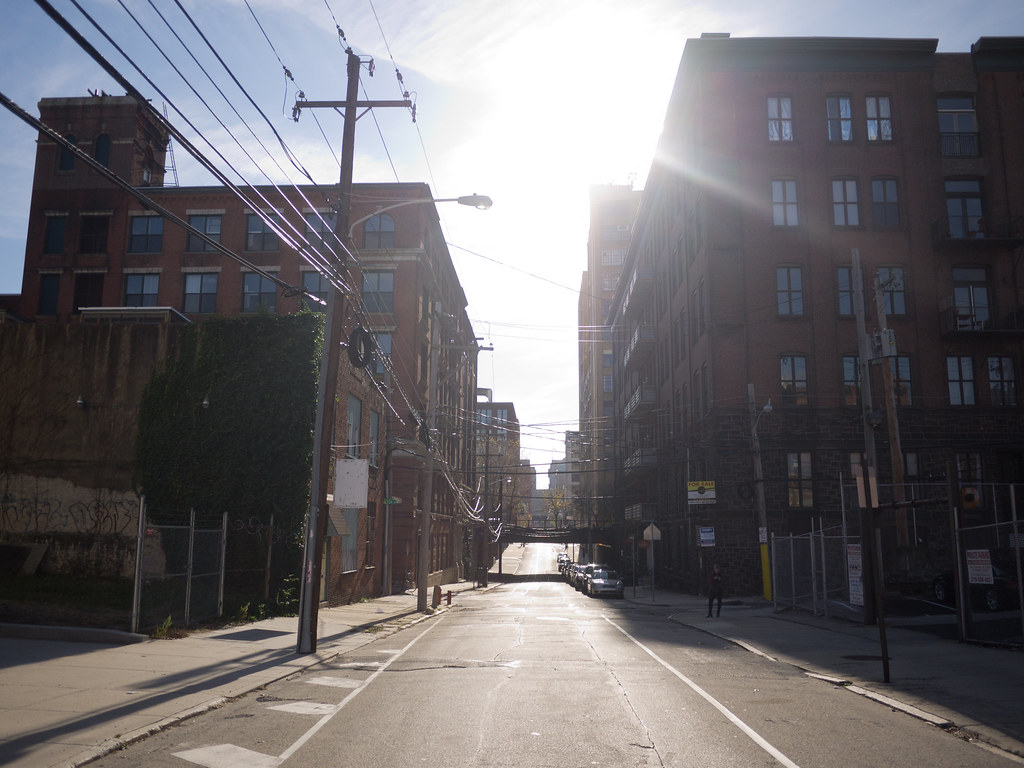
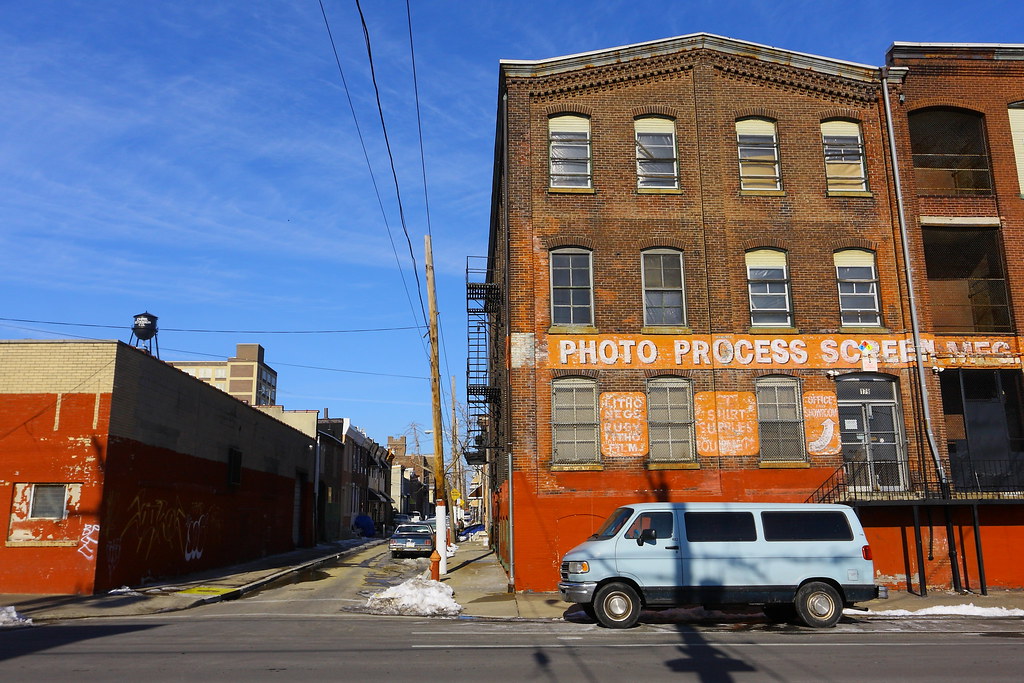
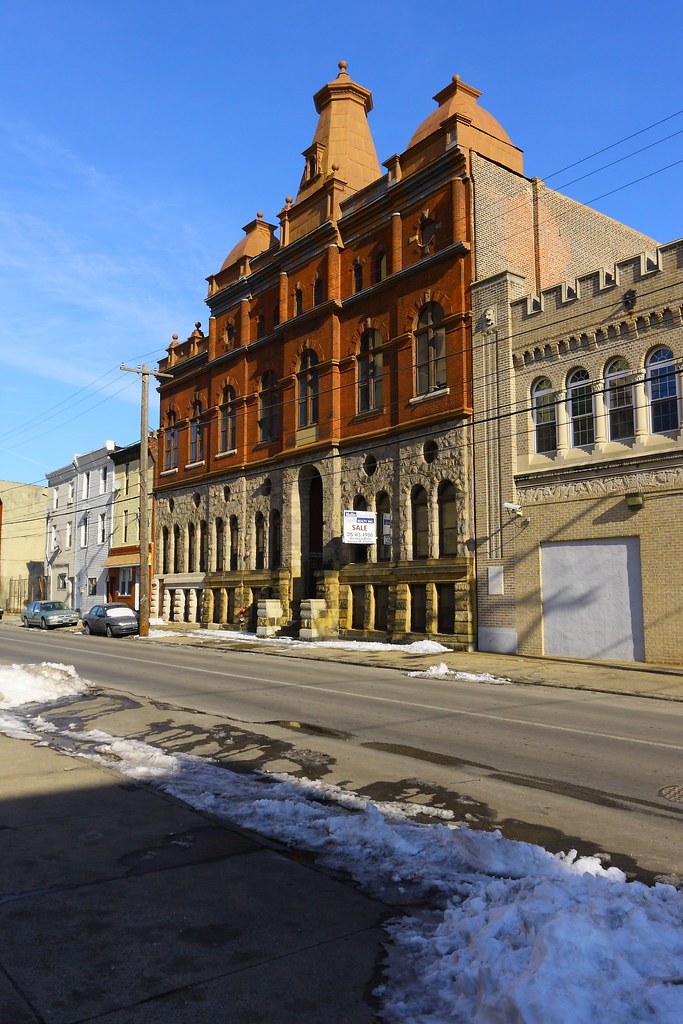
Hulking industrial relics, including some interesting art-deco ornamentation at the upper right half of the building.. Loft District
The recently-opened Race Street Pier.
Whimsical challah bread french toast, decked in bananas, pistachios, and chocolate chunks. Café Lift, Loft District.
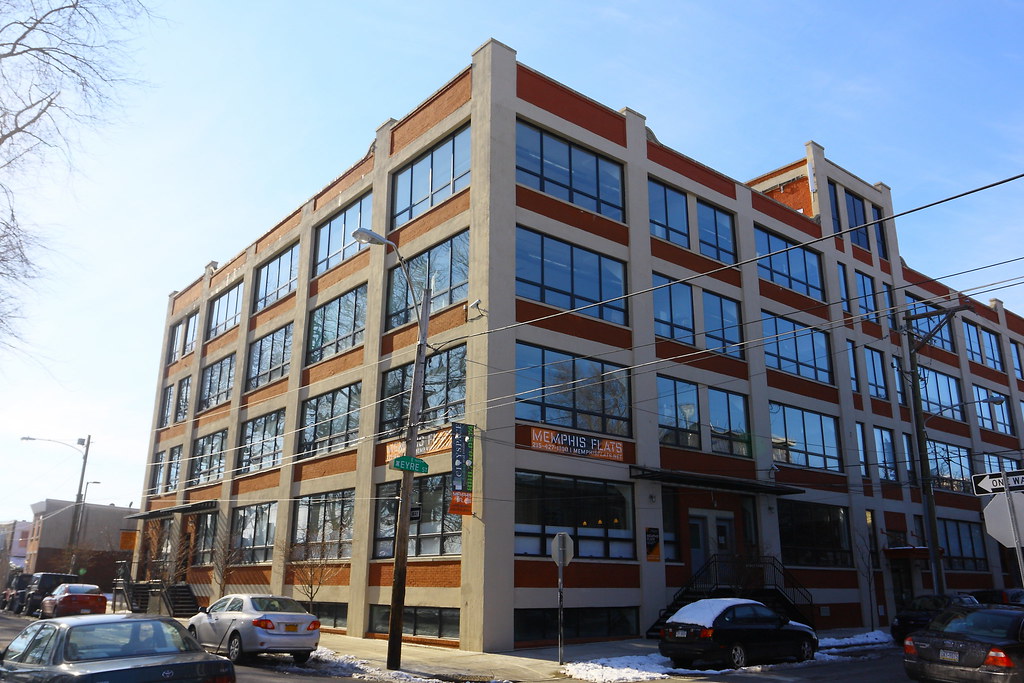
Lofts. Loft District
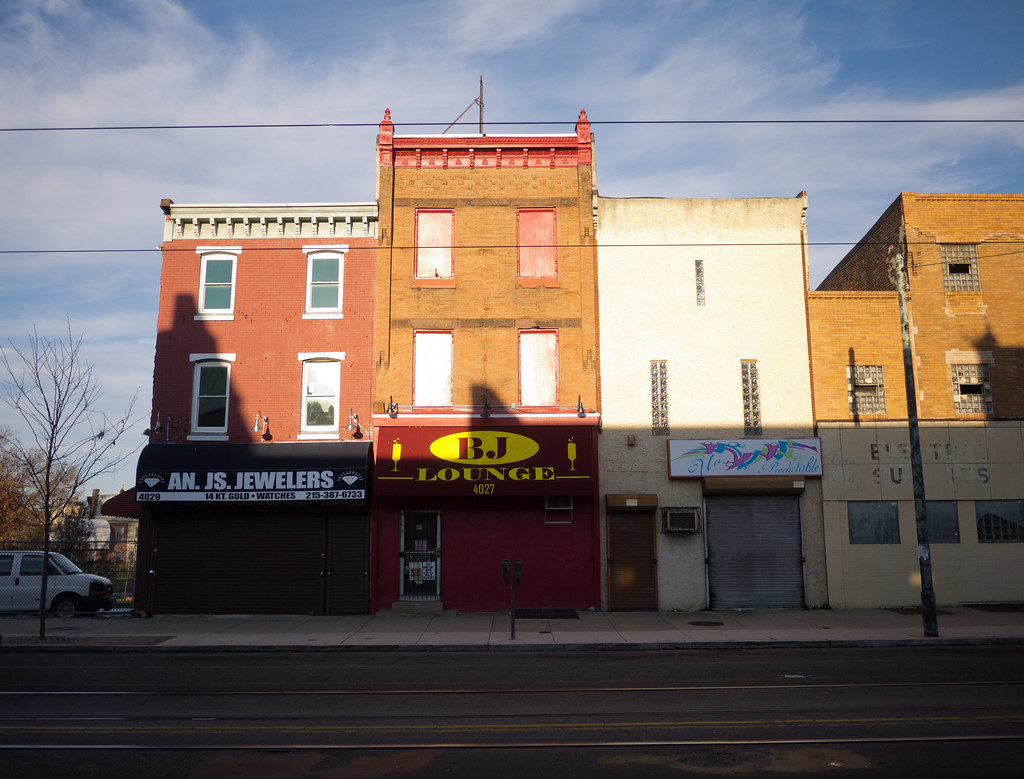
The questionable-looking and curiously-named "BJ Lounge." Lancaster Ave, Mantua
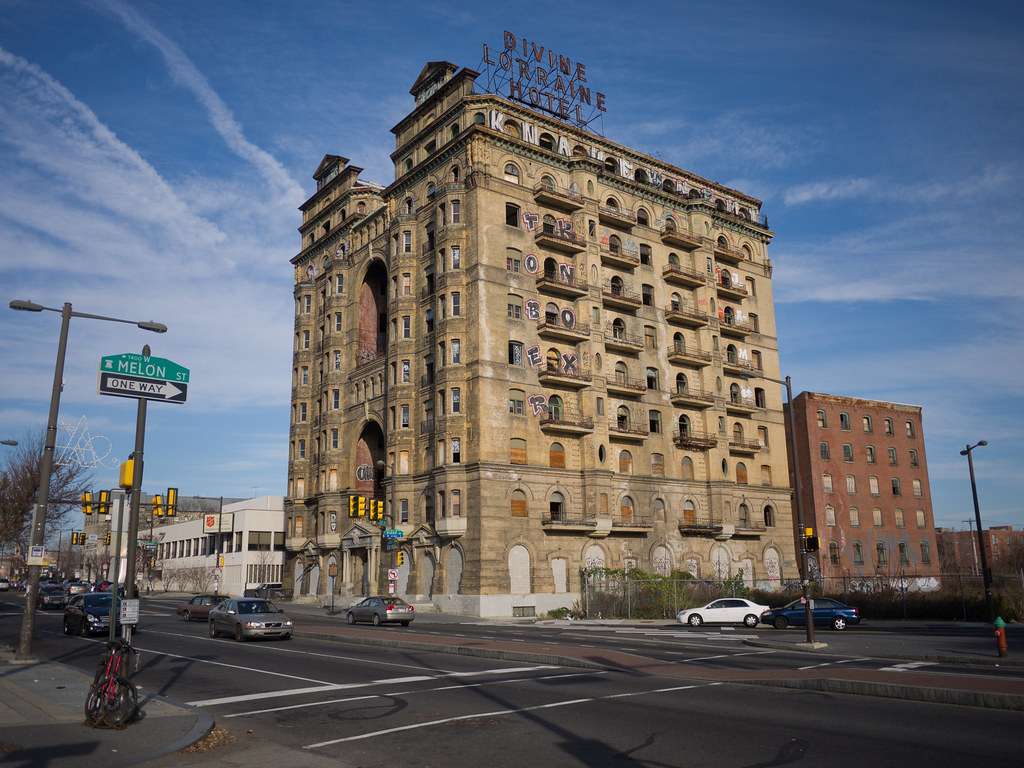
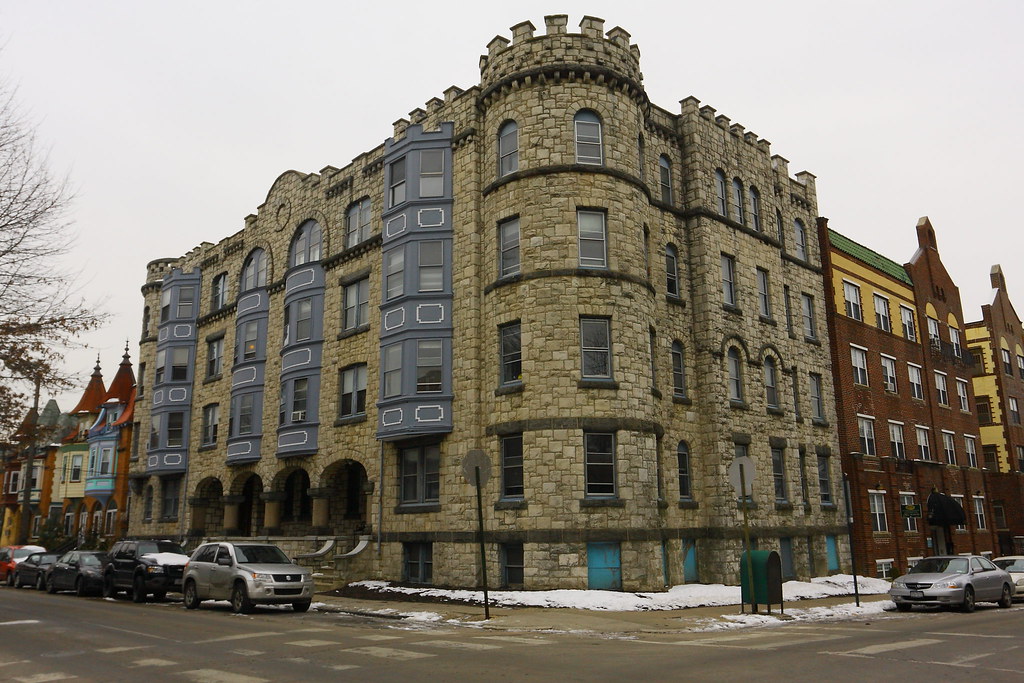
The stunningly spectacular - and somehow abandoned - Divine Lorraine Hotel. North Philly
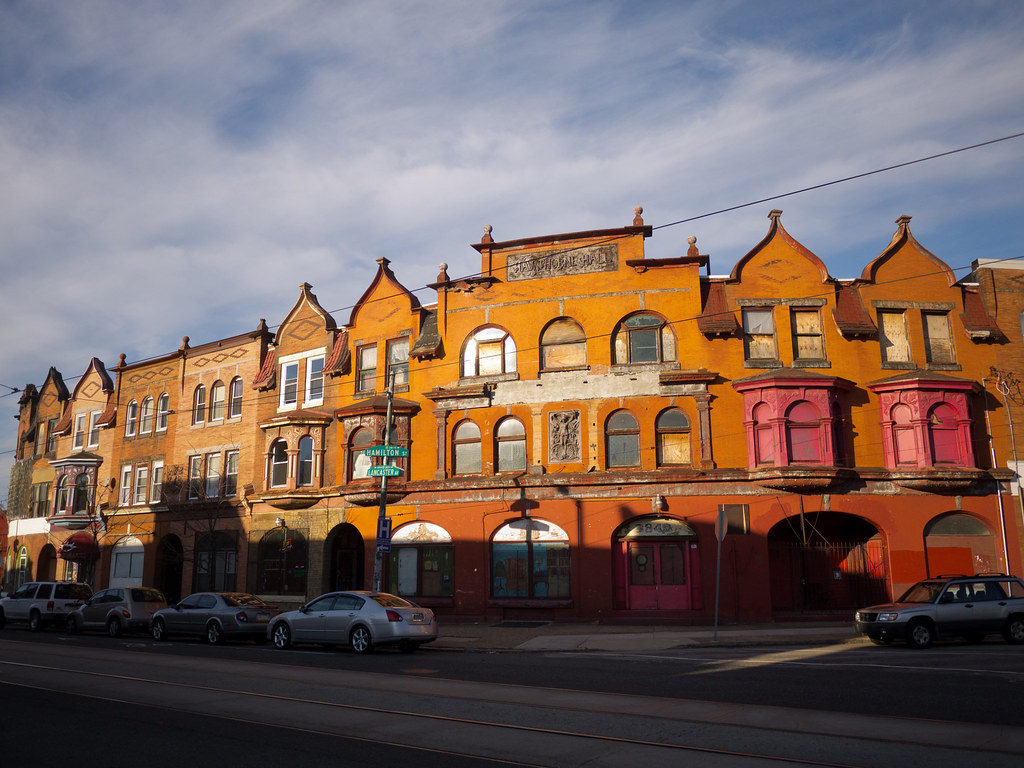
Another idle gem. Lancaster Ave., Powelton Village
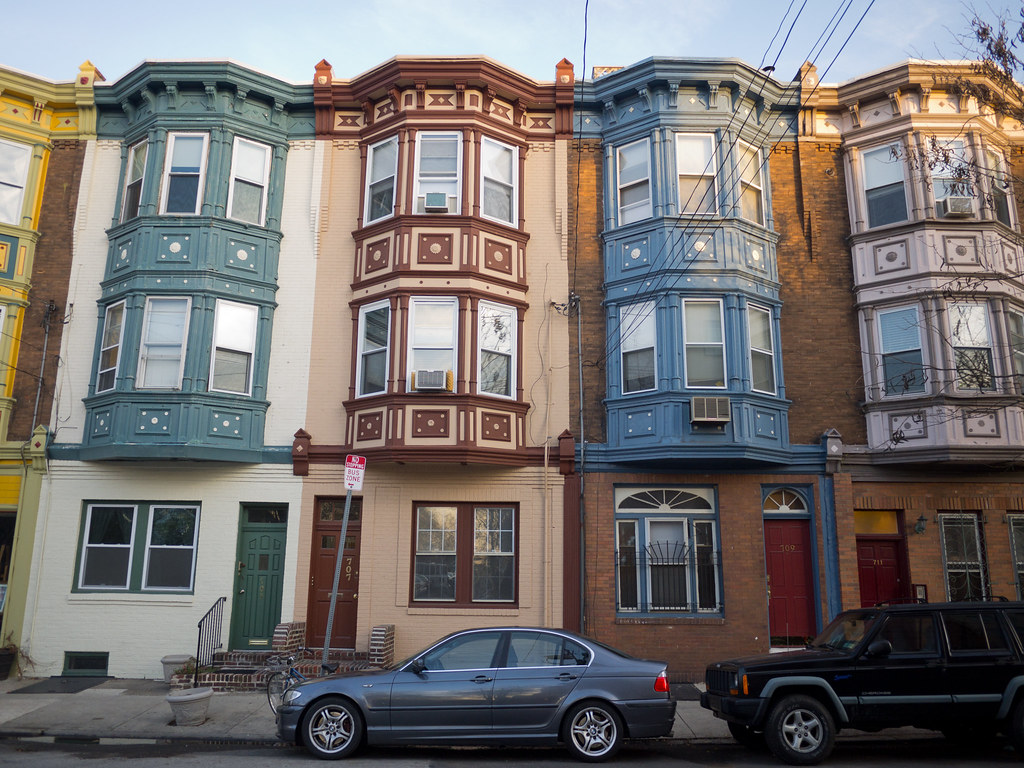
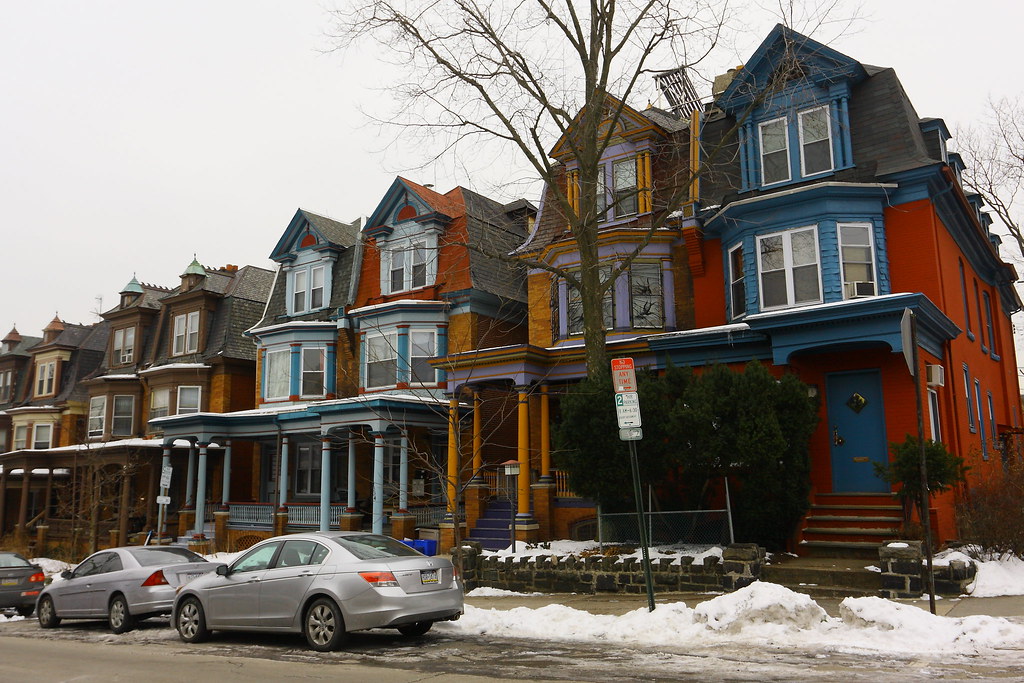
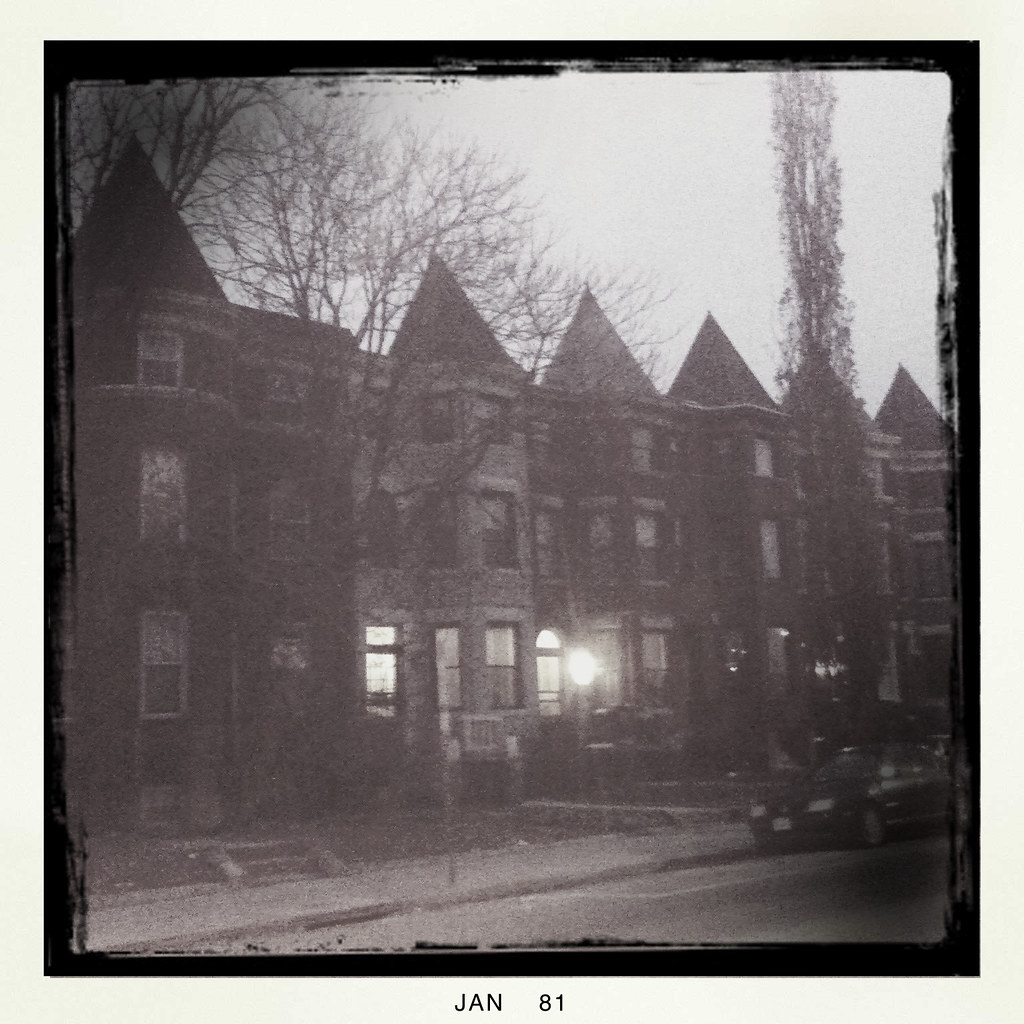
Ornately-detailed Victorian rowhouses in South Philly. Queen Village
The epic Diavlo sandwich from Paesano's. Loaded to the brim with spicy chicken breast, salami, roasted tomatoes, broccoli rabe, herb cheddar spread & sharp provolone.
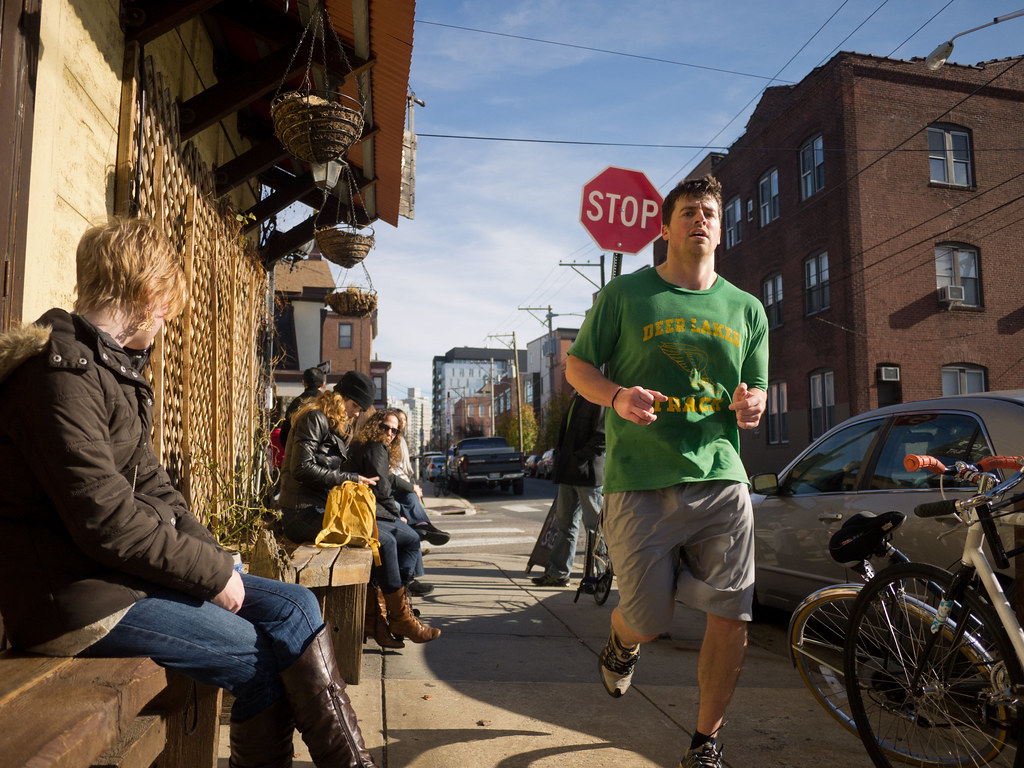
The Saturday afternoon crowd at Honey's, a popular eatery in NoLibs.
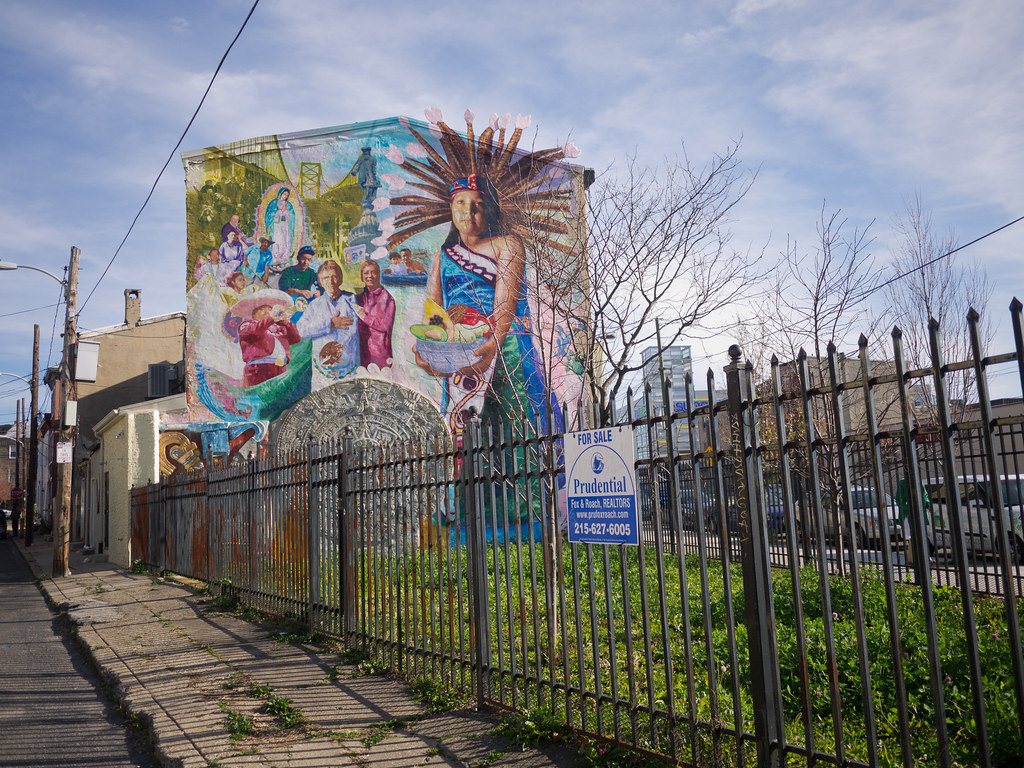
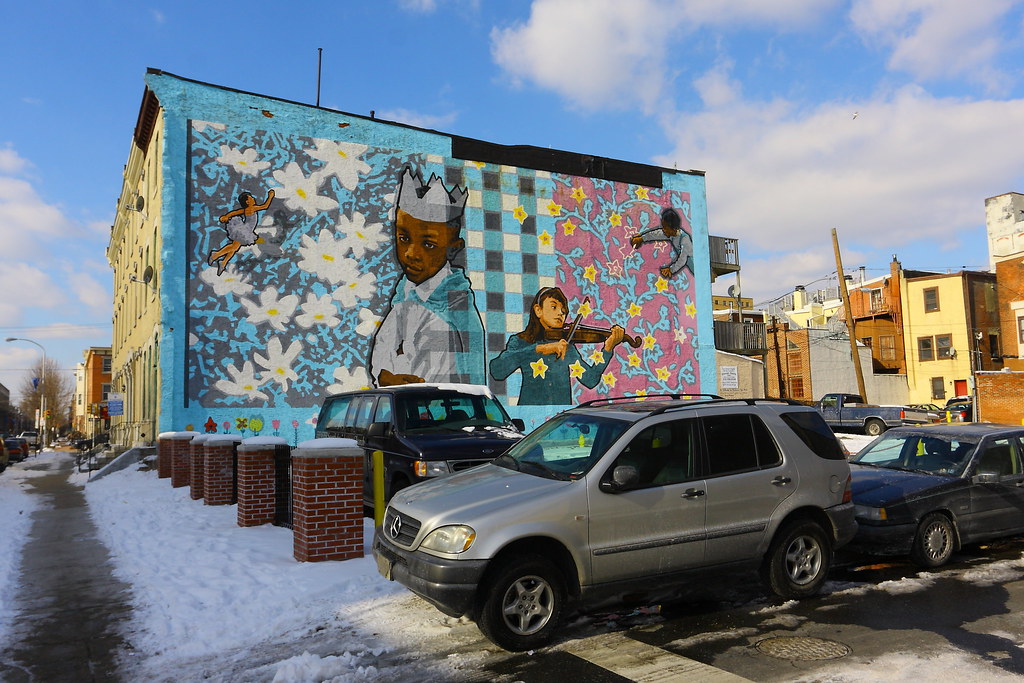
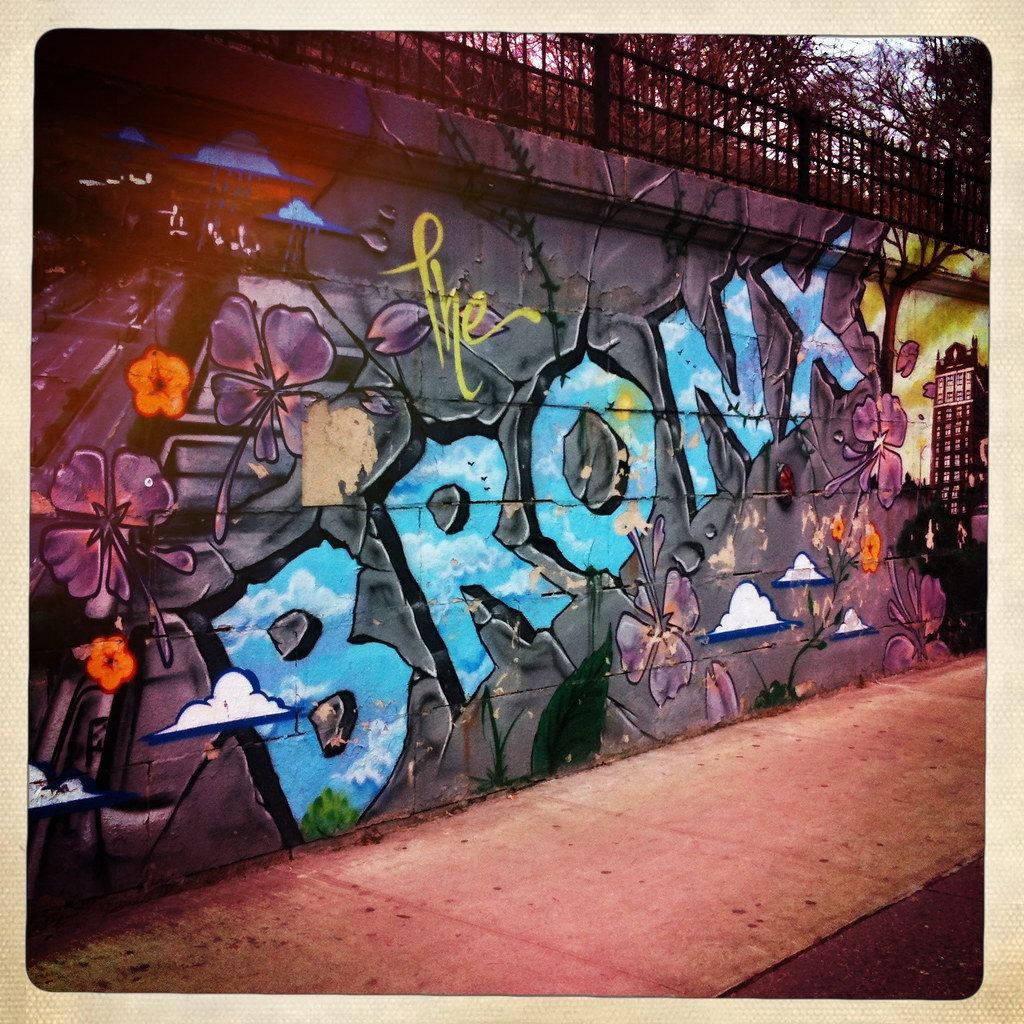
A mural symbolizing Mexican culture and traditions - curious, given how the Italian Market area is the central lotus of the city's (rapidly growing) Mexican population. Girard Avenue.

Philthadelphia - in writing

Saturday, January 22, 2011

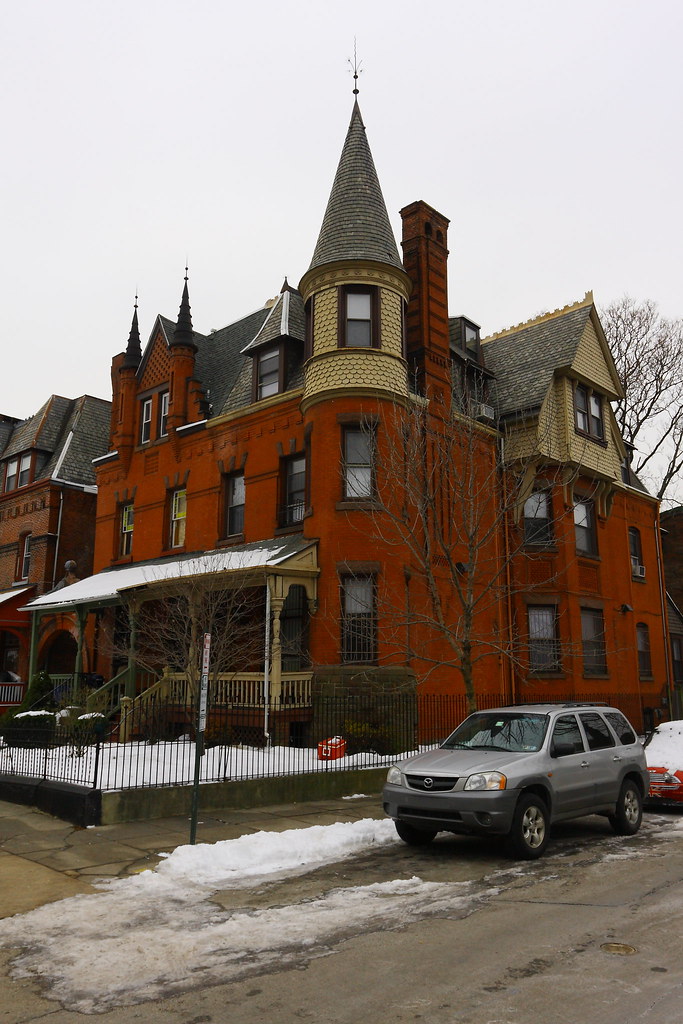
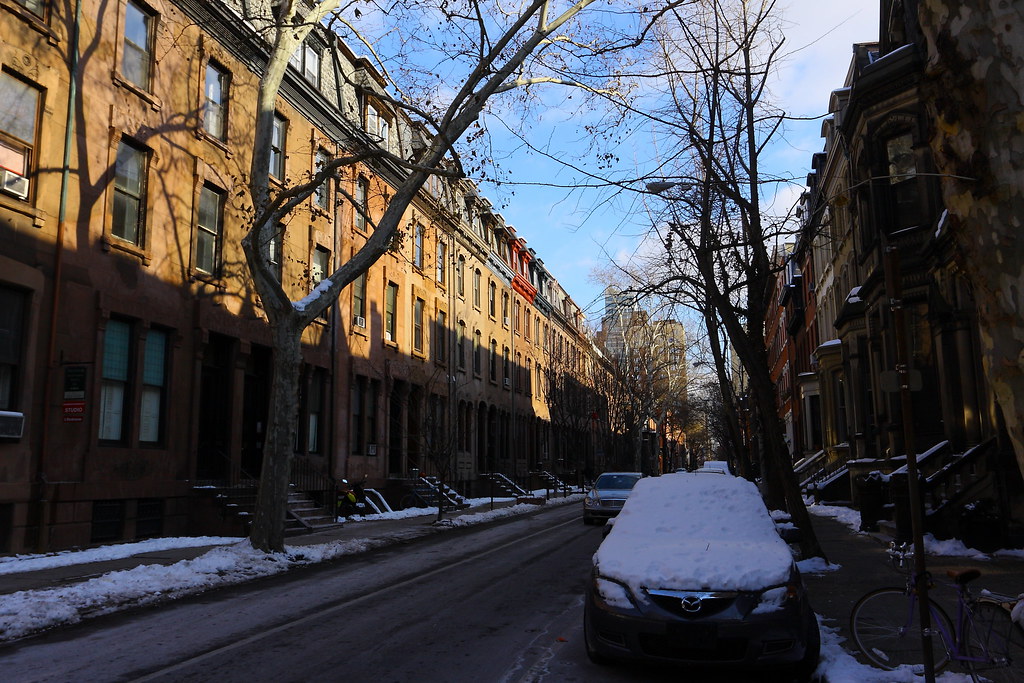
Our fifth-largest city, and its former (temporary) capital, Philadelphia is a place that had been on my radar for a while. A very historical city, it is both one of our nation’s greatest and saddest cities, with ample good reasoning for both. Walking around the city is the easiest way to get an idea of why it holds this schizophrenic personality. Parts of the city can, with ease, hang with the best in the country, be it in terms of income, or my personal favorite, architecturally-speaking. Rittenhouse Square is perhaps the most notable example of this, although Old City and West Philly’s Victorian homes are not without their own charm, either. Others, though, are as sad as can be, and hardly resemble neighborhoods or places fit for inhabitation, as many traces of civilization have been destroyed by years of neglect. Many parts of the city, especially in the lower Northern portion, were especially hard hit by white flight and deindustrialization.

The city’s biggest asset had to be the ease with one can walk. Out of all the big cities I have visited Philadelphia ranks near the top for walkability. Save for cross-town trips, walking beat out mass transit or driving in terms of efficiency and in the overall amount of time required to reach a place. And since transit passes were difficult to get, only being sold at downtown stations, and tokens were still in use, I gladly skipped out on transit whenever I could. Walkability is undoubtedly a treasure the city should better value and safeguard.
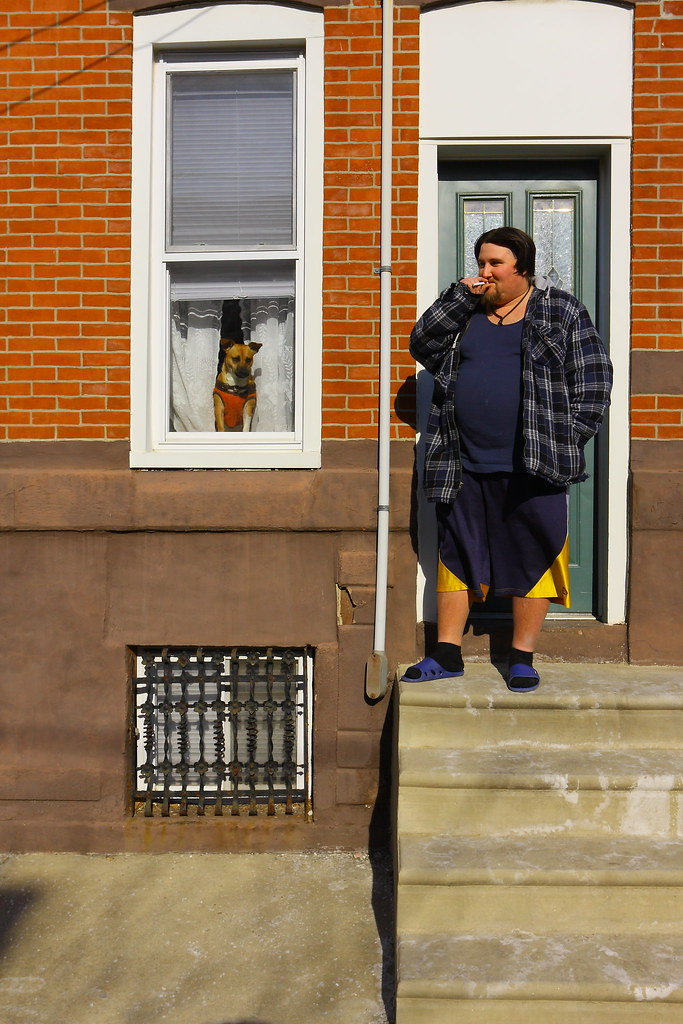
Philadelphia is quite distinct, visible in its unique identity and culture, as well as the local pride – although marred by their infamous cynicism –, which is through the roof. There is no mistaking Philadelphia for anywhere else, a quality that I increasingly find myself appreciating, in a world of increased vapidity, homogenization and globalization. Neighborhoods in Philadelphia feel like people live in them; the city feels lived in, and less like a real estate investment. There isn’t at all a feeling of transience or temporariness, something facilitated by the lack of transplants or immigrants. Part of this is a pronounced blue collar work ethic and culture that permeates through much of the city. As the former Workshop of the World, Philadelphia remains a city where people work with their hands – even if in the 21st century that means low-end retail jobs.

I especially took a liking to Fishtown, a gentrifying, blue collar riverfront neighborhood on the city’s near Northeast side. Just east of the Frankford Ave El tracks, the tight-knit neighborhood was a mix of old guard Irish Catholics (who, unsurprisingly, have a racist reputation), and newer, artsy college grads, often practicing artists or members of bands, usually known as “hipsters.” Among the old-school’s unapologetically dive-ish bars soldiers’ legions, and billiards halls, were forward-thinking cafes, coffee shops, and clothing boutiques – the hipster trifecta, if you will.


My favorite place was Milkcrate Café, a space selling both coffee/fresh baked goods, as well as vintage (vinyl) records. I got a chocolate croissant and 16 oz coffee for $4, something of which would have easily been $5-$7 in New York. Coming from New York, I was pleased with the city’s overall cheaper costs, and the lower prices at which goods could be purchased for. The overall cheaper costs lended itself to a genuinely greater feeling of authenticity (although, sometimes it could be a little too authentic, if you know what I mean), compared to similar neighborhoods I encountered in New York, a place where true creativity tends to be hindered by high costs, pretentiousness, college degrees, large salaries, and copious amounts of transplants.

On the topic of neighborhoods, in the city's youthful ones, I got the feeling that people were actually involved in the arts, as in actually making a living from it. In similar parts of Brooklyn, you come across many more fashionista zeitgeist poseurs; people moving for the hype and “scene,” and in the process, pricing out the very groups that lured them there. Ironically enough, many of these same people are unemployed, often relying on supplemental parent income..in essence, doing nothing. This was especially prevalent in New York, where what is authentic, doesn’t last long, as evidenced by pricey condominiums going up even in the “artsy” Bushwick neighborhood.

I did not like how, simply put, blacks and whites did not live among each other. The only instances where such happened were in gentrifying black neighborhoods, on their way up, home to new influxes of relatively affluent whites. This can be seen in the Graduate Hospital, Cedar Park, and Francisville sections of town. Conversely, you will also see whites and blacks (forcibly) among each other in declining receiving new black populations, such as Oxford Circle and Frankford (recipients of people displaced by public housing demolition, and priced out of now-gentrified parts of town). There were two exceptions defying this trend: Kensington (whites, blacks, and Puerto Ricans – all poor), and the Italian Market area (white college grads, Southeast Asians and Mexican immigrants, and old school, multi-generational Italian-Americans).

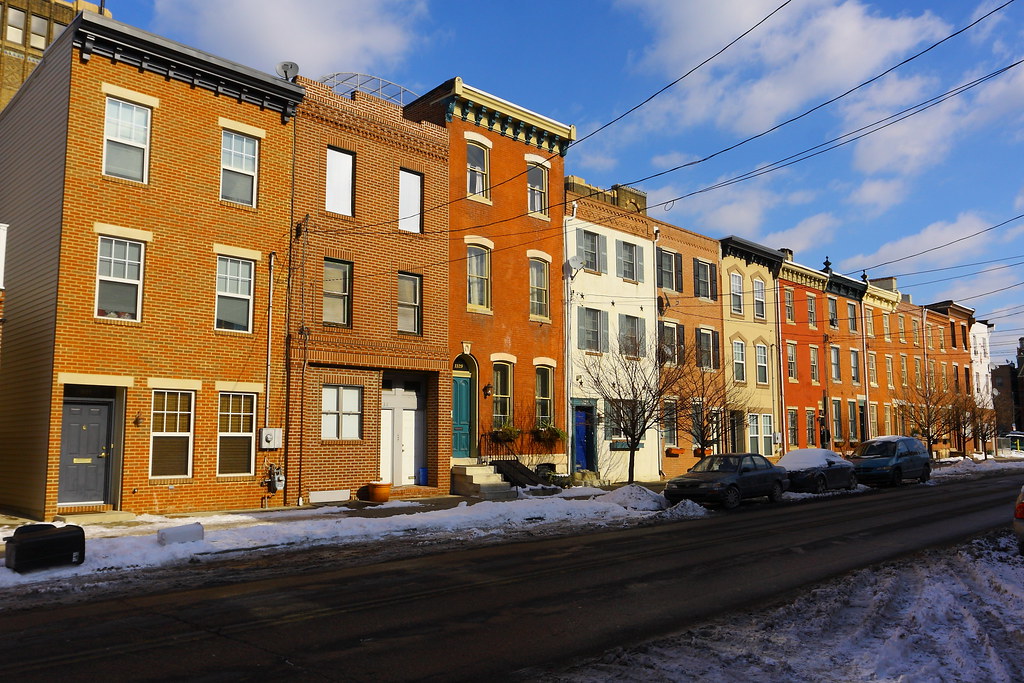
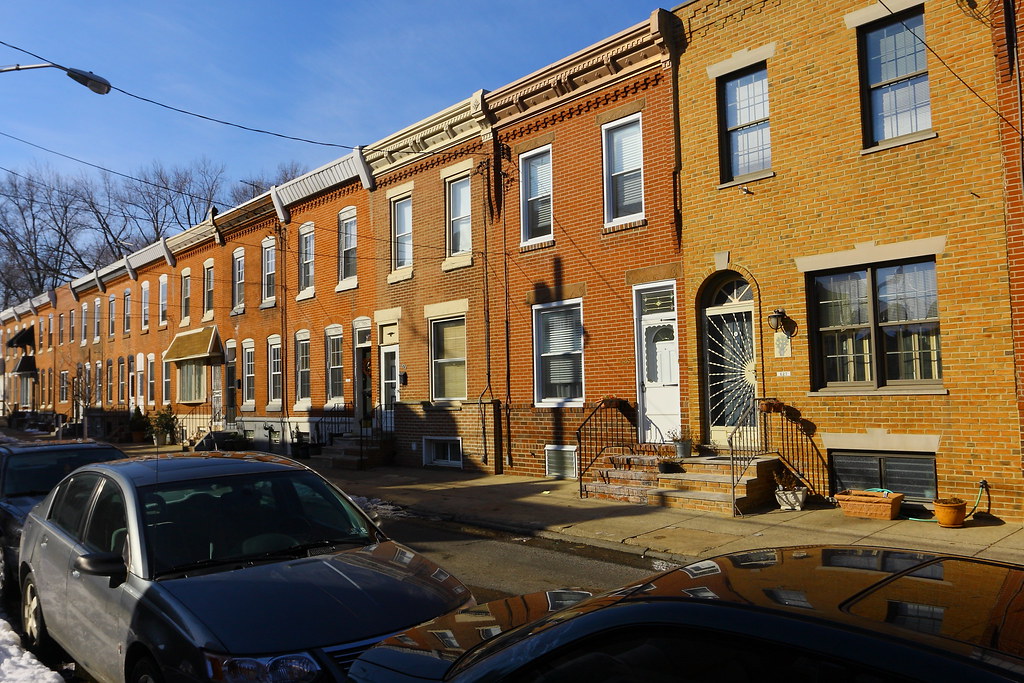
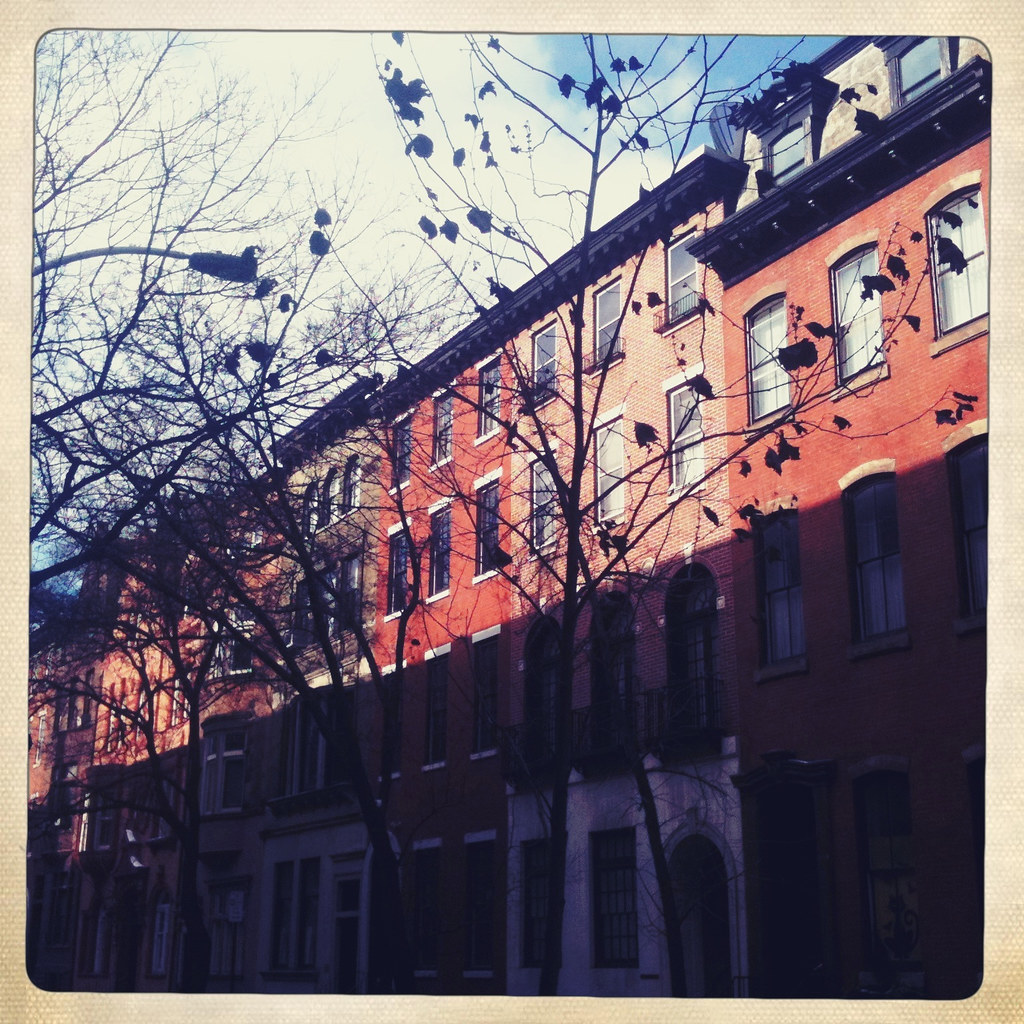
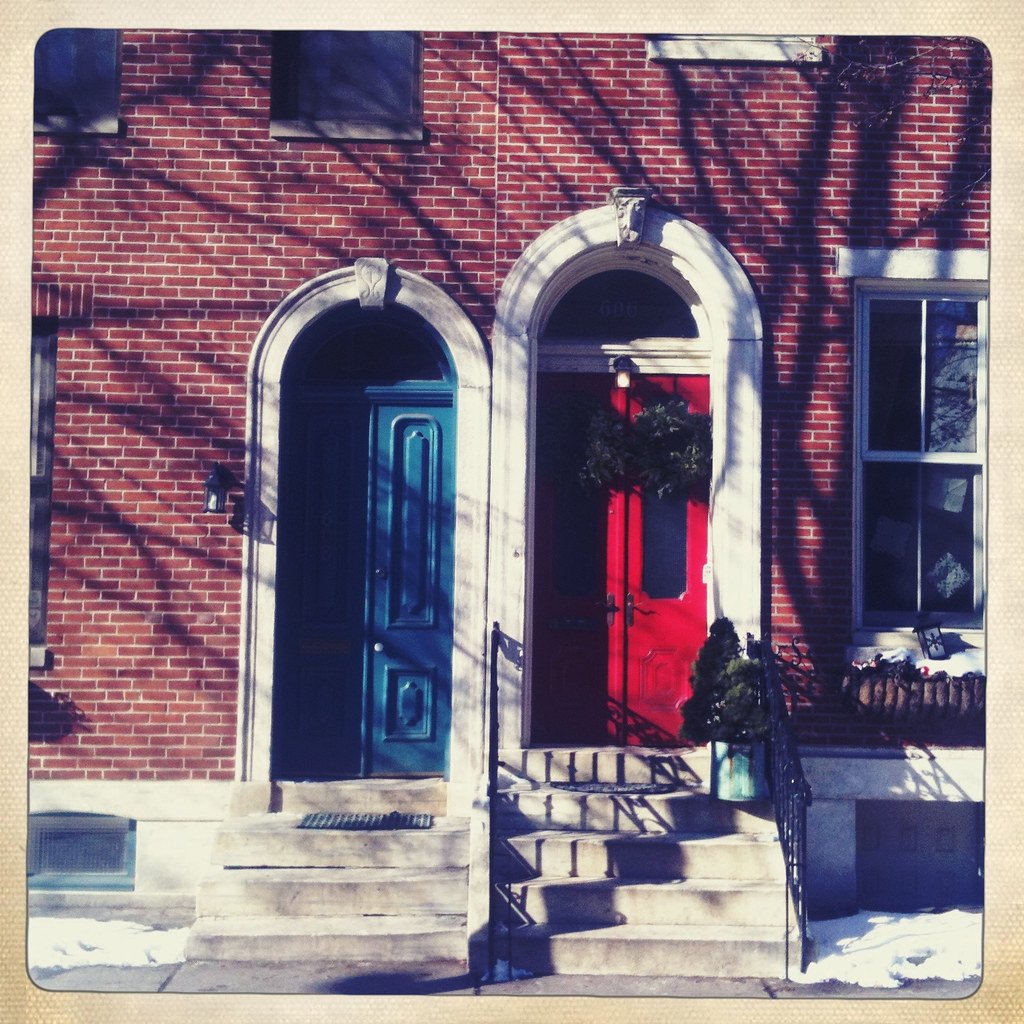
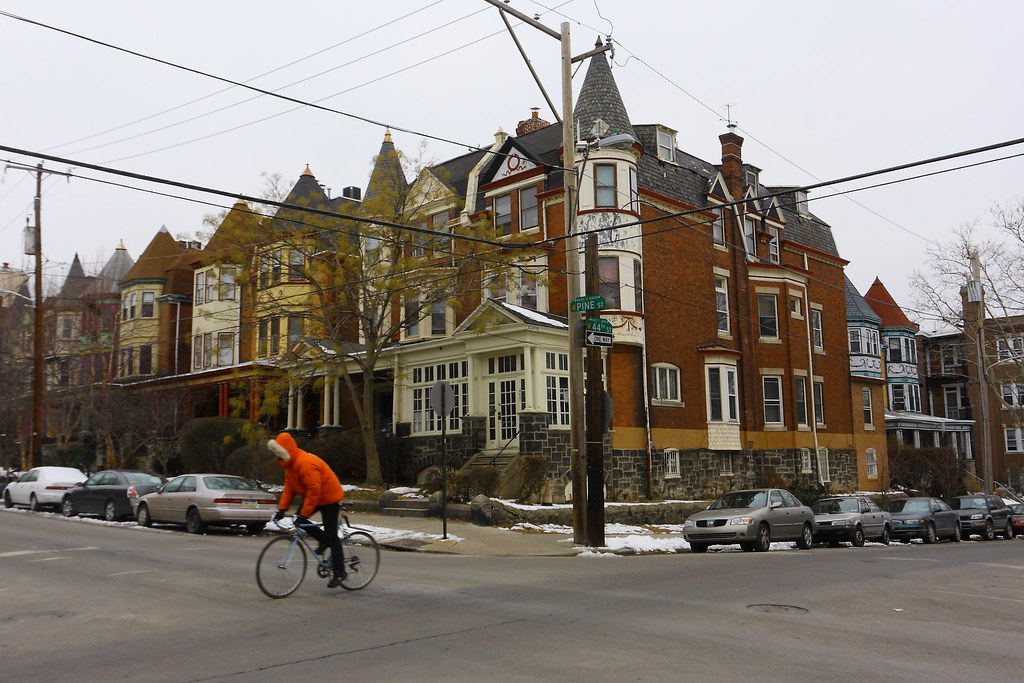
Fishtown, along with neighboring NoLibs appeared to be the crux of Philadelphia’s infill rowhouse construction, of which was a deciding factor in me visiting the city.. The rich quality and limit-pushing of the designs built by local talent Onion Flats instantly made me a fan. Philadelphia’s older architecture was also a draw, especially their rowhouses. The city is awash in rowhouses; Philadelphia has tens of thousands of the joined wall homes, and they can be found with ubiquity throughout the city’s North, Northeast, and South sides. And there are numerous eclectic variations and takes on the rowhouses, including Queen Anne, Victorian, Romanesque, German, and Italianate, to even Dutch-influenced ones with gables roofs. The lone exception is much of West Philadelphia, a place where various Victorian styles – sometimes detached, and usually intricately decorated – are the norm, in lieu of the (usually) standard rowhouse.

Anyways, enough rambling:


Philthadelphia

Wednesday, January 19, 2011


1/11-1/17

Tuesday, January 18, 2011