Fall has most certainly “fell”. And I have moved in and now been living in my current apartment for almost one month. I am staying in Neukölln, a neighborhood on the south side of the city best known for its long-standing Turkish and Middle Eastern communities, and more recently for its rapid gentrification. I am at the neighborhood and city’s southern edge, just north of the Hermannstrasse S-bahn/U-bahn station. Aside from me being the lone Los Angeles representative, there are lots of artists, students, communists, and anarchists, along with a trickling of well-paid and college-educated German transplants. Those from well-off and prosperous Bavaria and Swabia are the most reviled, with many Berliners viewing such as stealing the precious limited jobs available, and jacking up local rents.
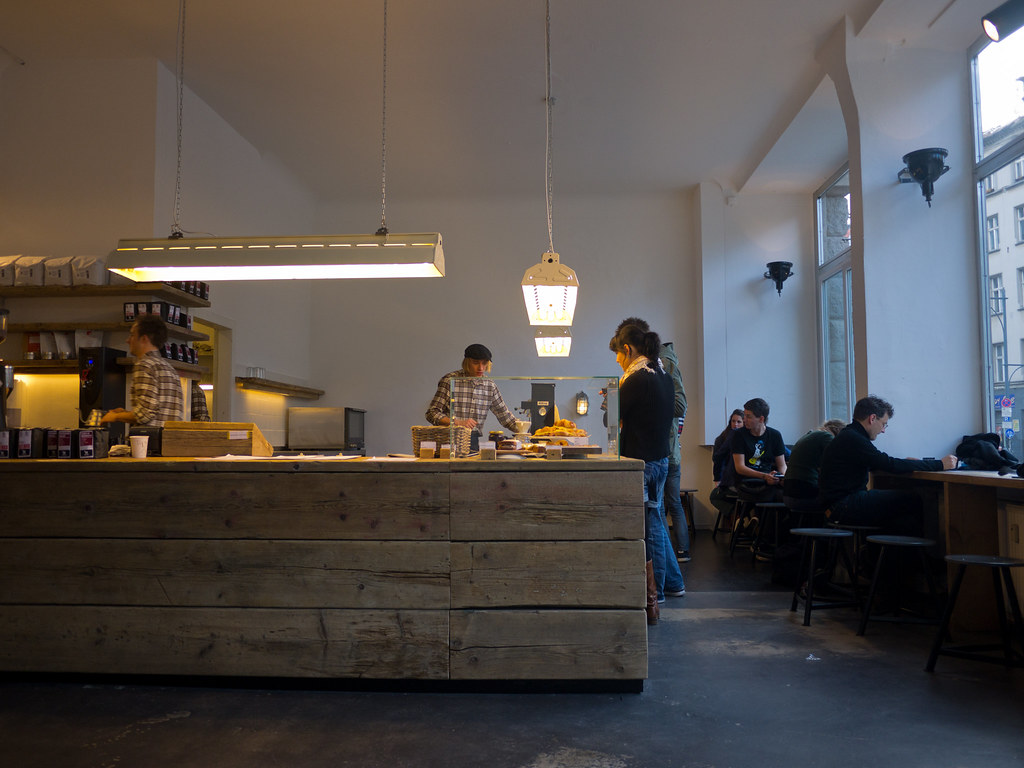
There certainly is a good bit of gentrification here, and it definitely is the talk of the town, along with the city’s rather recent explosion of tourists. Lots of galleries, coffee shops, kitsch-ironic dive bars, hidden underground venues, etc. On every other block, there is a building covered in scaffolding and netting, undergoing a renovation. Even on the fringe, where I live, change is afoot. There is a nice coffee shop around the corner, where I can hear Anglo expats lust about Berlin’s affordability and its unrivaled nightlife; a cozy, neighborhood-sy bar with a pop-up breakfast and vintage store operation; and a well-regarded brunch place, where, on a secluded side street, locals go to nurse hangovers and plan out their next week. Though Americans and Brits catch all of the crap about gentrification in Berlin, the real culprits are German yuppie transplants, unemployed Spaniards going from one crisis to another (as EU citizens, they can collect free social and economic benefits, whereas an American, reliant upon his visa, is more or less on his own), and “EasyJet tourists,” who come here, stay for a month or two, and leave large bar tabs and restaurant bills in their debaucherous drink and sex-fueled wake.
People have a lot of free time in Berlin, where, at least in the younger, hipper quarters, almost nobody works, aside from the rather vague “projects” everybody seems to have. Between the Turks on welfare, un and underemployed students, and the old pensioners, unbelievably enough, it seems as if the only people working are those inside of liquor stores and kebab stands. Where I live, there is no morning or evening “rush” of people going to/from work. Walking around at 11am on a weekday, you will see packed coffee shops, full of people journaling or Instagramming, and an equally packed amount of Turkish bars and social clubs, where men gather to smoke shisha and drink sweetened tea. Somewhat related to the ample free time in Berlin, are the much large apartments and living spaces. Not being chained up in an expensive, overpriced shoebox really helps create a feeling of freedom and inspires one’s creativity. Because of this, Berlin is a city where people do what they want to do, and not what they have to do: raucous mid-week raves in semi-abandoned warehouses; a bevy of art-related events, particularly with regards to interior and fashion design, street art, and painting; and taking part in a particularly rich and vibrant café culture. The trendier people, as much as they try to appear anti-consumerist and materialistic, and more humble and working class (i.e, “boho-chick”) spend lots of money on clothes, gadgets, gizmos, and traveling, much like their London and NYC counterparts. Being in Berlin, though, means they can’t be outward pretentious or snobby, lest they will be put in check. Anti-gentrification and, to a lesser extent, foreigner, sentiment is quite high. If there ever was an “anti-snob” city, Berlin would undoubtedly be it.
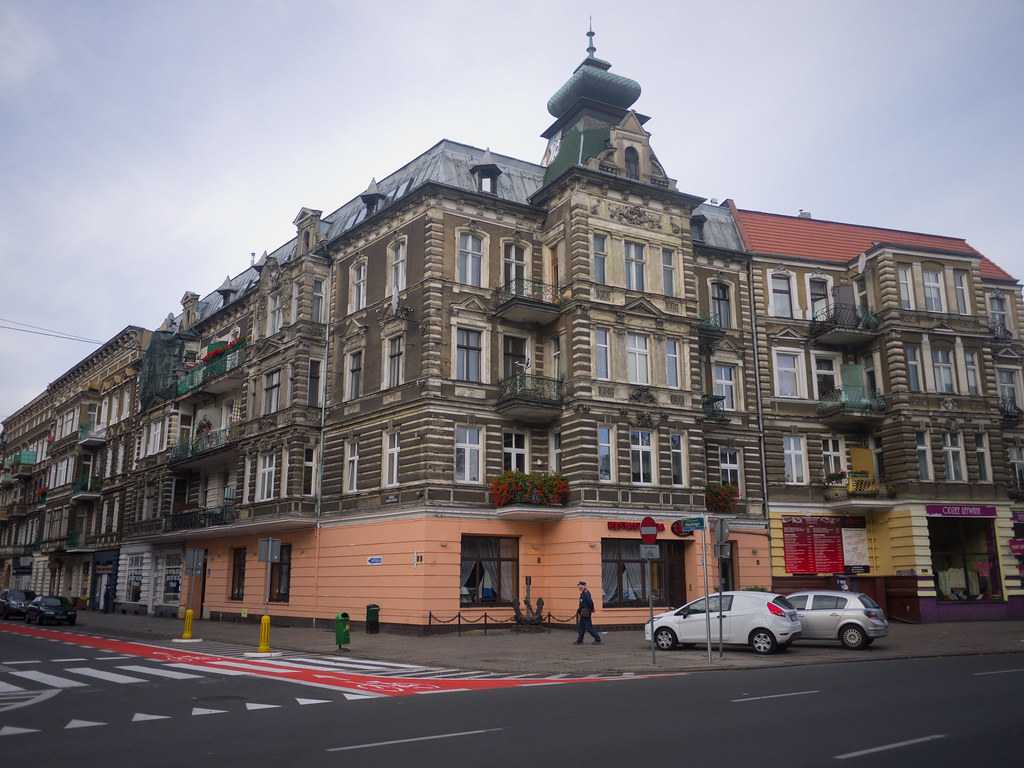
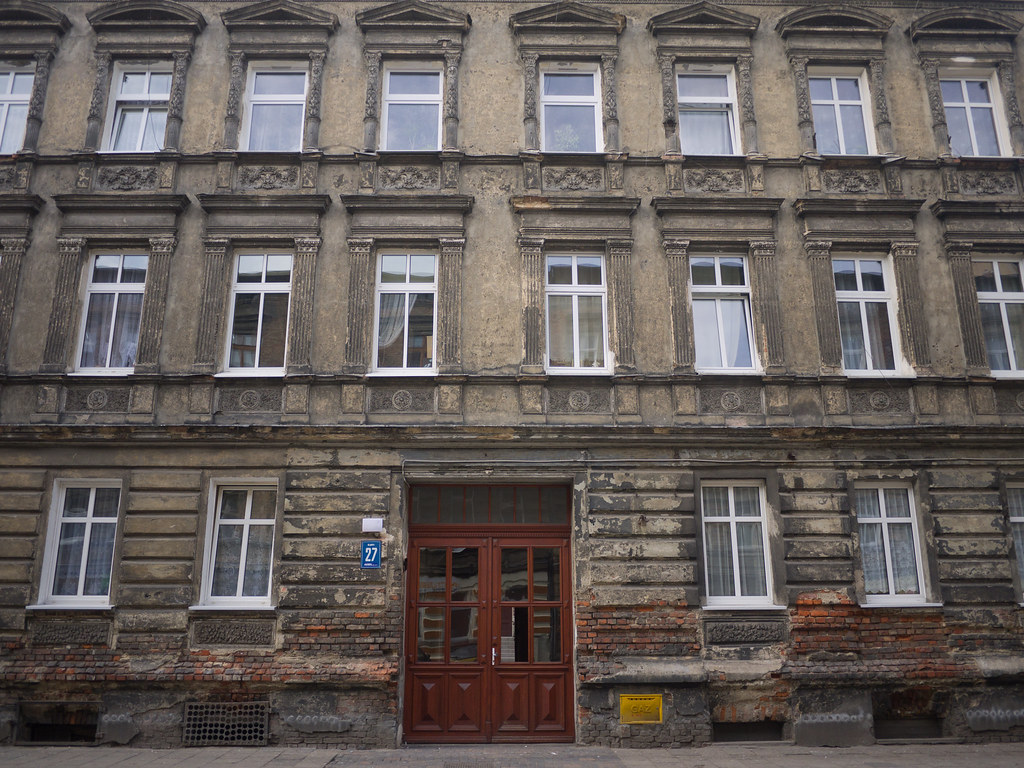
As I have previously mentioned, I like the city thus far. A lot. It feels like a city where, as long as you do it yourself, anything is possible. Compared other, similar mature and historic cities, there is a visible punk-influenced rebellious attitude. Things like the city government fighting to protect the right to consume alcoholic beverages on public transit, and safeguarding the existences of 15 famous clubs and concert venues confirms it. To be perfectly honest, though, it isn't a city that is instantly lovable. Lacking the historical charm found in many European cities, Berlin more often than not requires visitors to seek out their niche, and only then is its beauty apparent. Heavily bombed and marred by subsequent Communism, sheer architectural beauty is difficult to find. And, to be fair, with over 3.4 million people, Berlin hasn't been quaint or provincial in some time. Many of my friends have lambasted my Berlin photography and subject selection, but I find it to be reflective of the raw, in-your-face nature of the city. The “Berlin is like NYC in the ‘70s” comparisons just don’t come out of thin air.
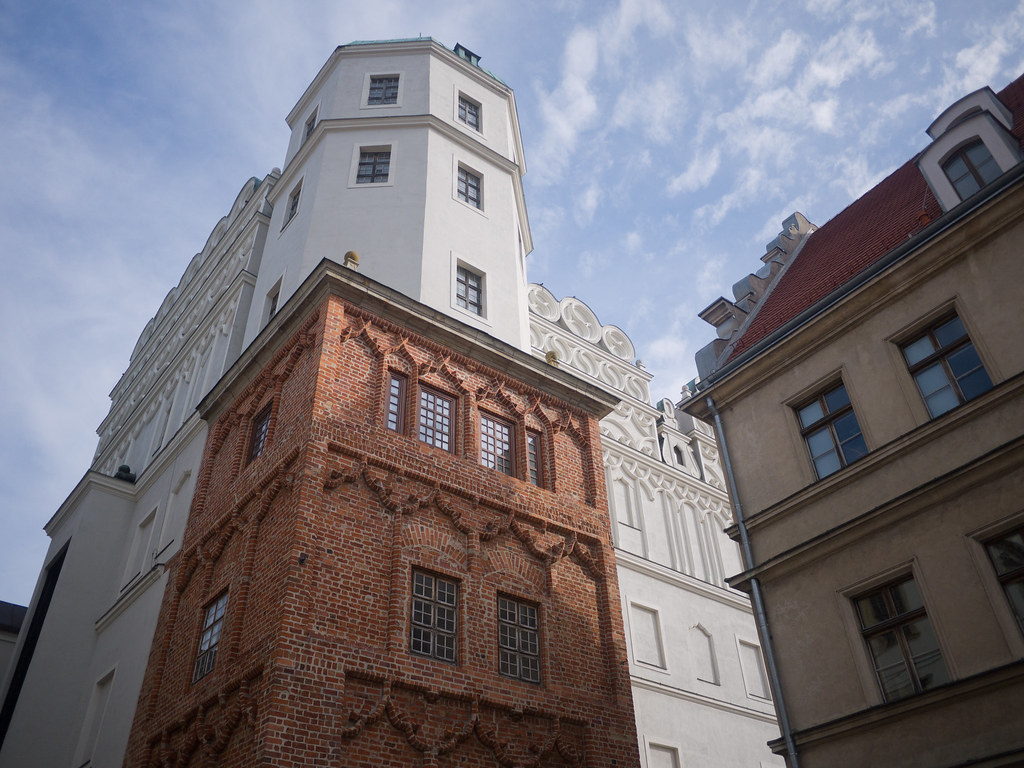
One other thing I appreciate a lot about being here is the proximity. In addition to all of Germany being at my disposal, places like Scandinavia, central Europe, and Italy are all nearby. Poland is a two-hour train ride away; Prague is a 4-hour train ride, while Krakow, Budapest, and Copenhagen are all one-hour flights. Slavic metropolis, like Kiev and St. Petersberg are two-hours by plane. As I type this, I am checking the costs for a ride share ticket to Stettin, a formerly German Polish city located two hours from Berlin. Even places that mentally and psychologically seem far, such as Warsaw, are only roughly six hours away.
For the most part, German culture isn't too different than that of America. Probably owing to the fact that German is a well-developed, democratic nation not unlike that of the US, only with a better infrastructure and much better social benefits and support system. That and the fact that millions of Germans moved to the US, bringing their culture and way of life, means that Germany, as a whole, doesn't feel entirely too foreign, or like a place that I am unable to relate to. As of now, the whole smoking in bar thing is the only difference that immediately jumps out at me. And table tennis.

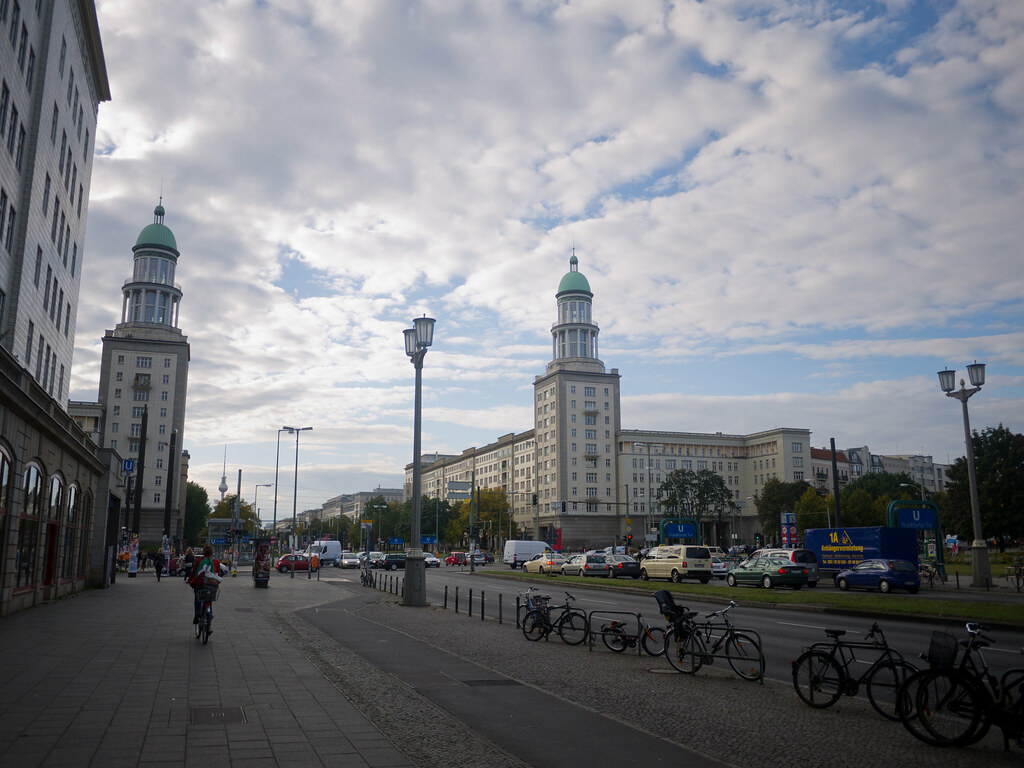
Frankfurter Tor.
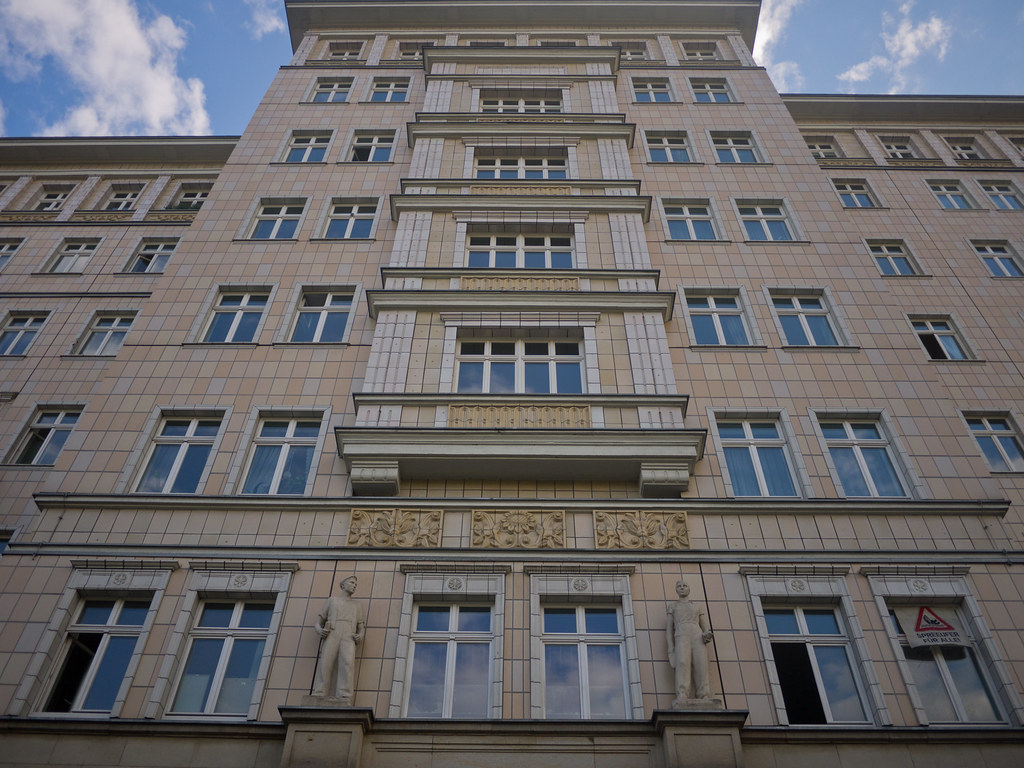
Looking up. Karl-Marx-Allee.
Peepin'.
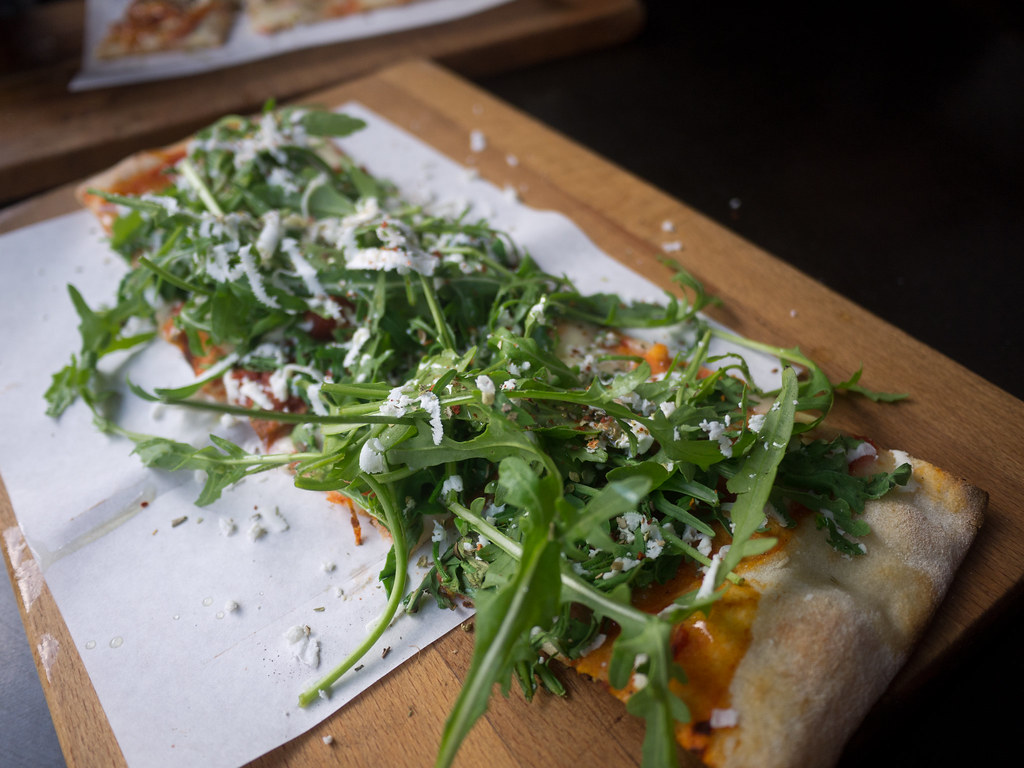
Arugula pizza. Danziger Strasse, Prenzlauer Berg - Mitte.
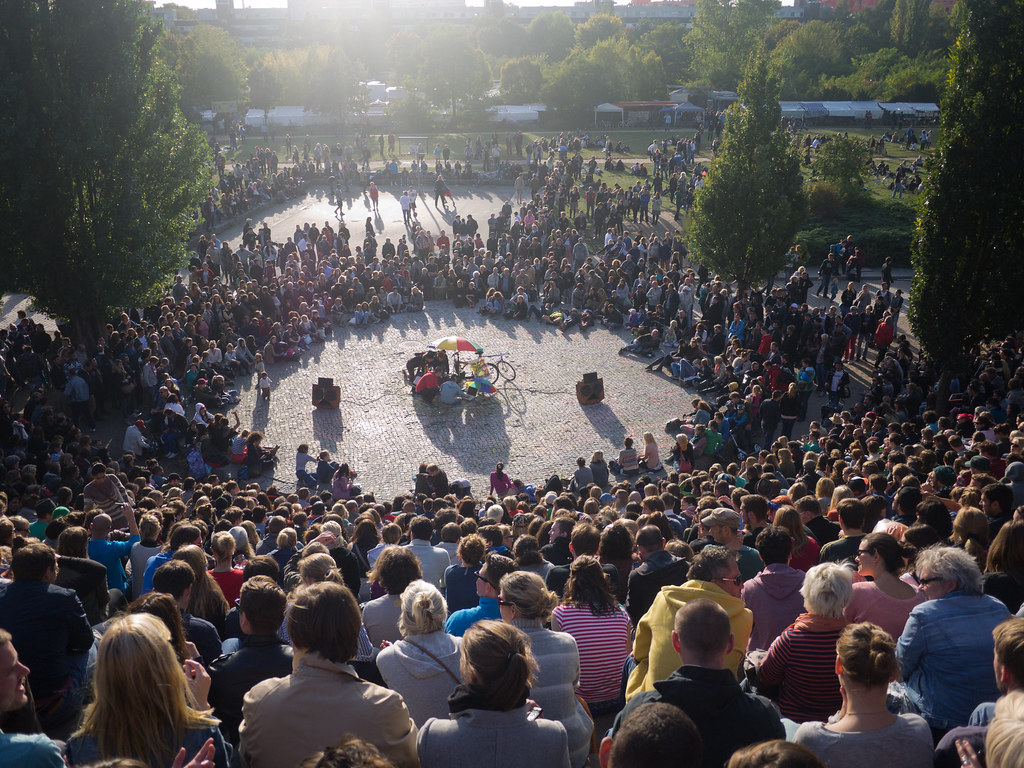
Sunday Karoake im Mauerpark.
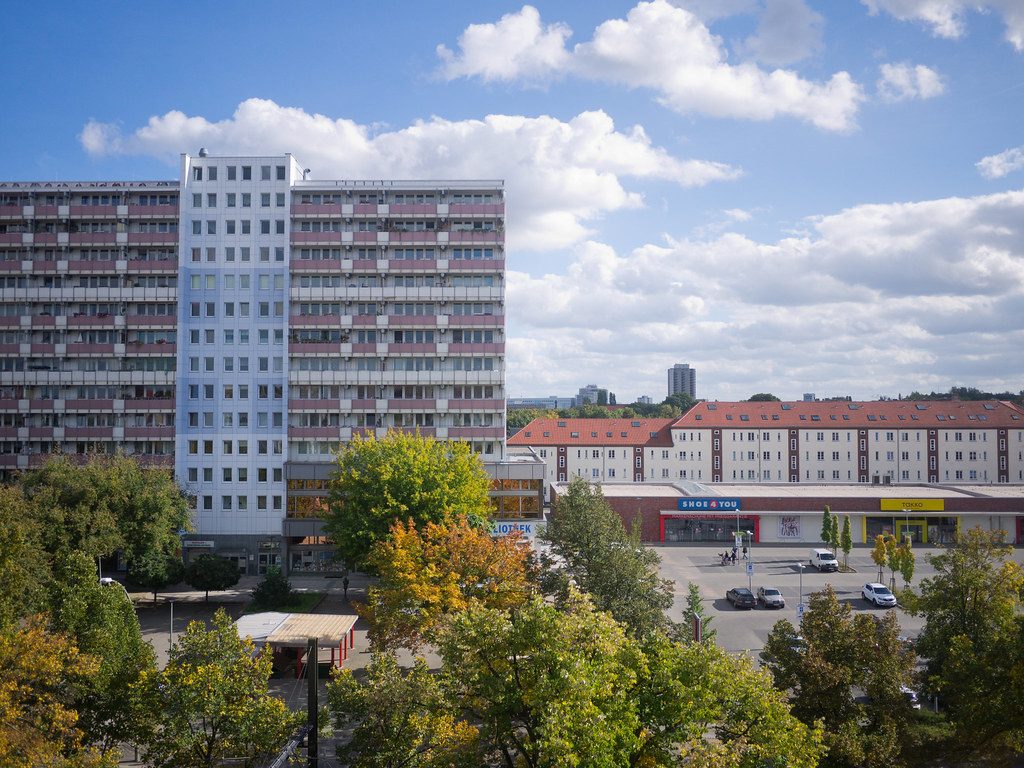
Plattenbauten. Greifswalder Strasse.
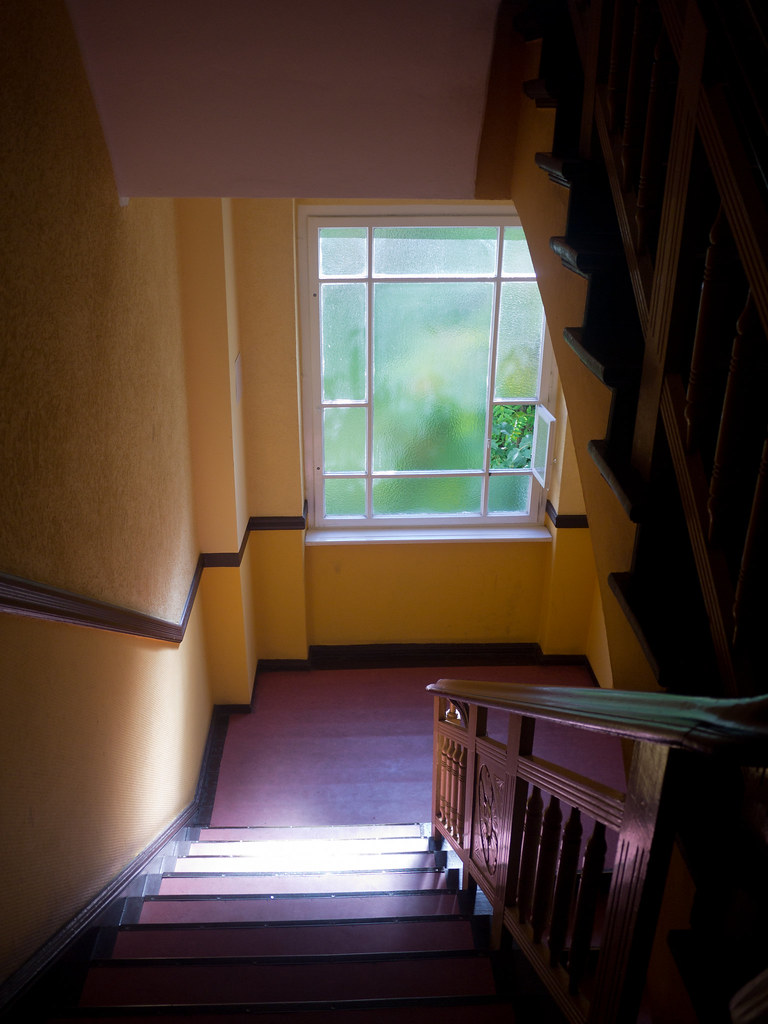
Hallway. Neukölln.
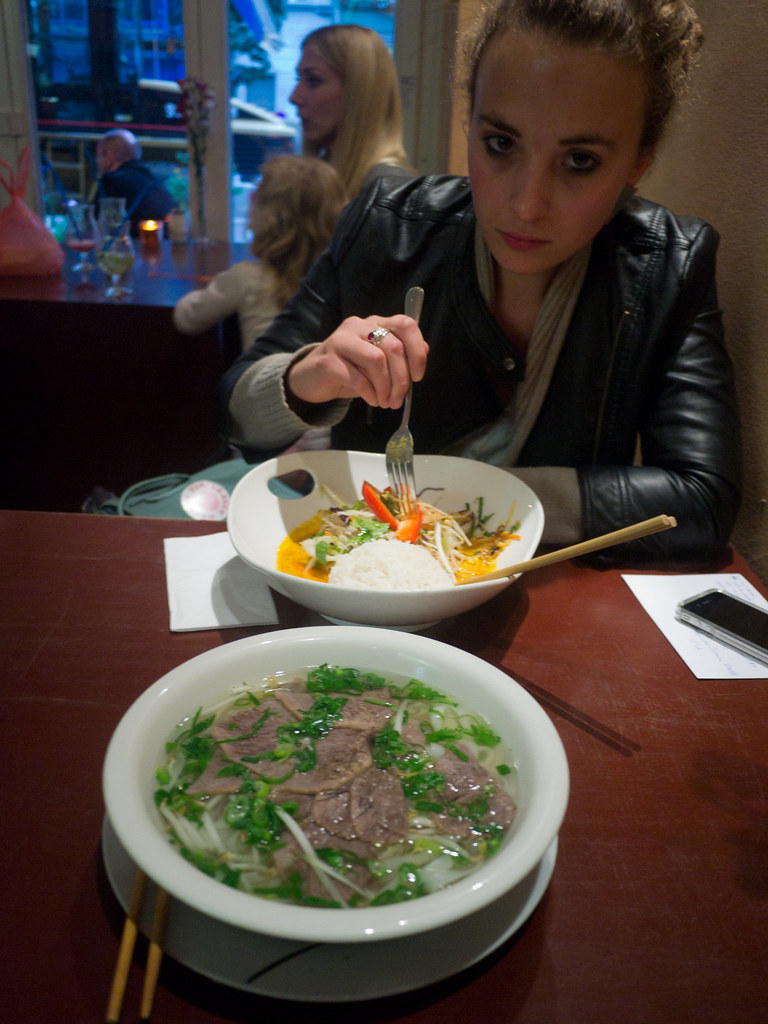
Pho time. Prenzlauer Berg.
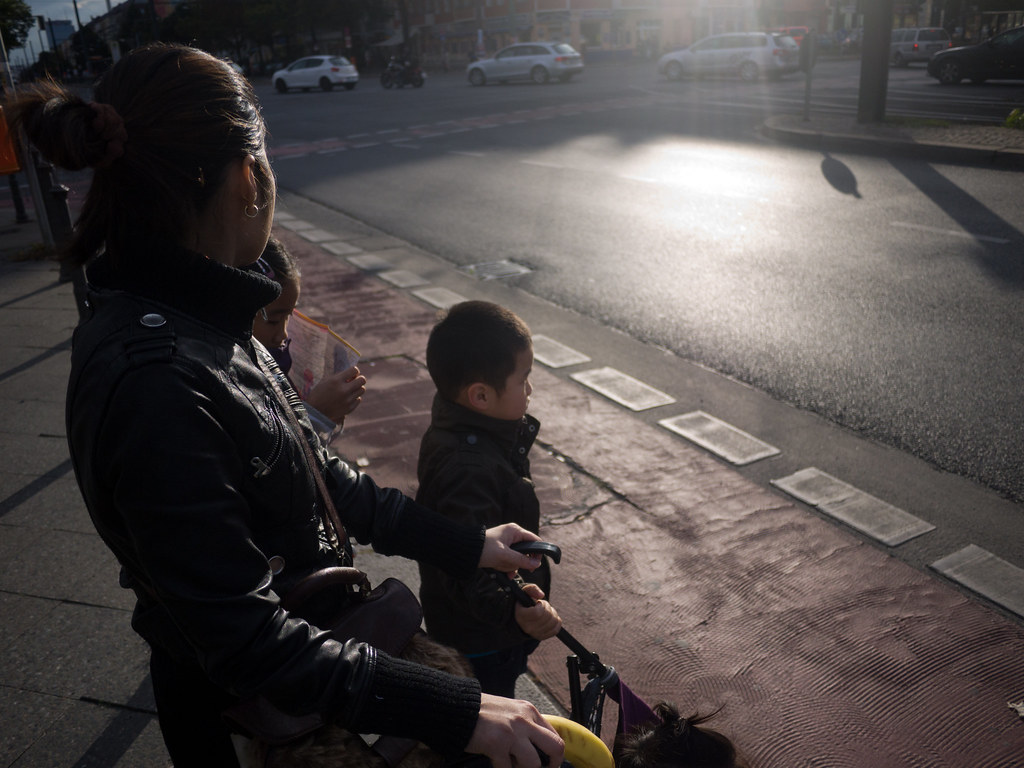
Crossing. Prenzlauer Allee, Prenzlauer Berg.
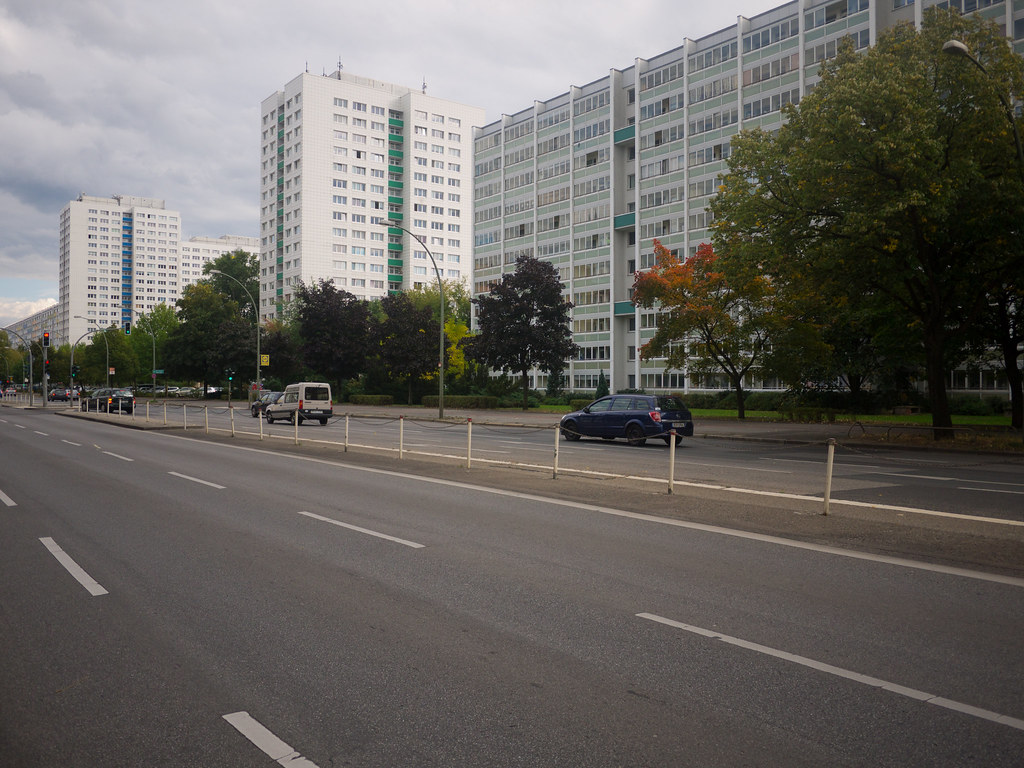
Communist-era apartments on Frankfurter Allee. Litchenberg.
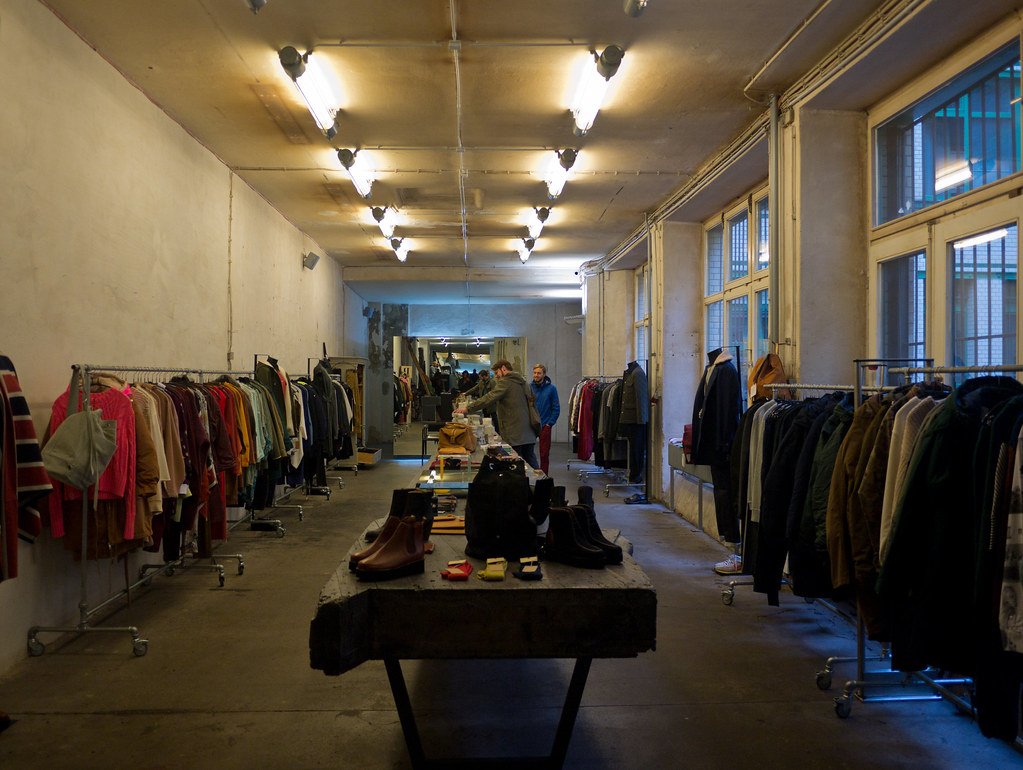
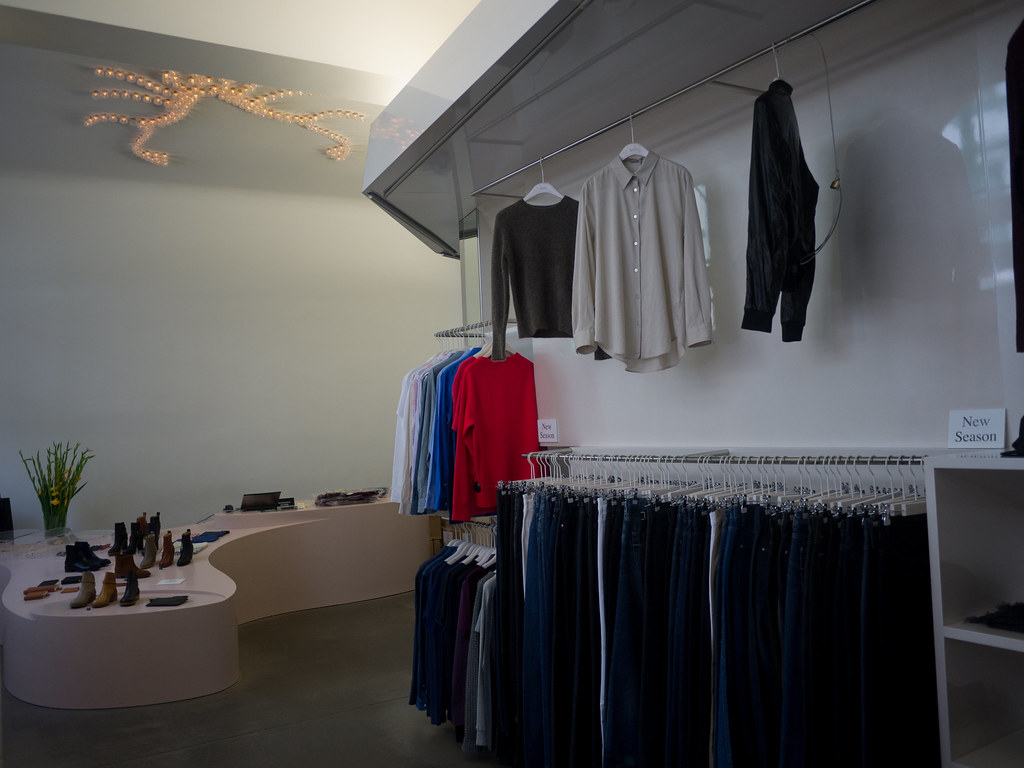
Acne store. Mitte.
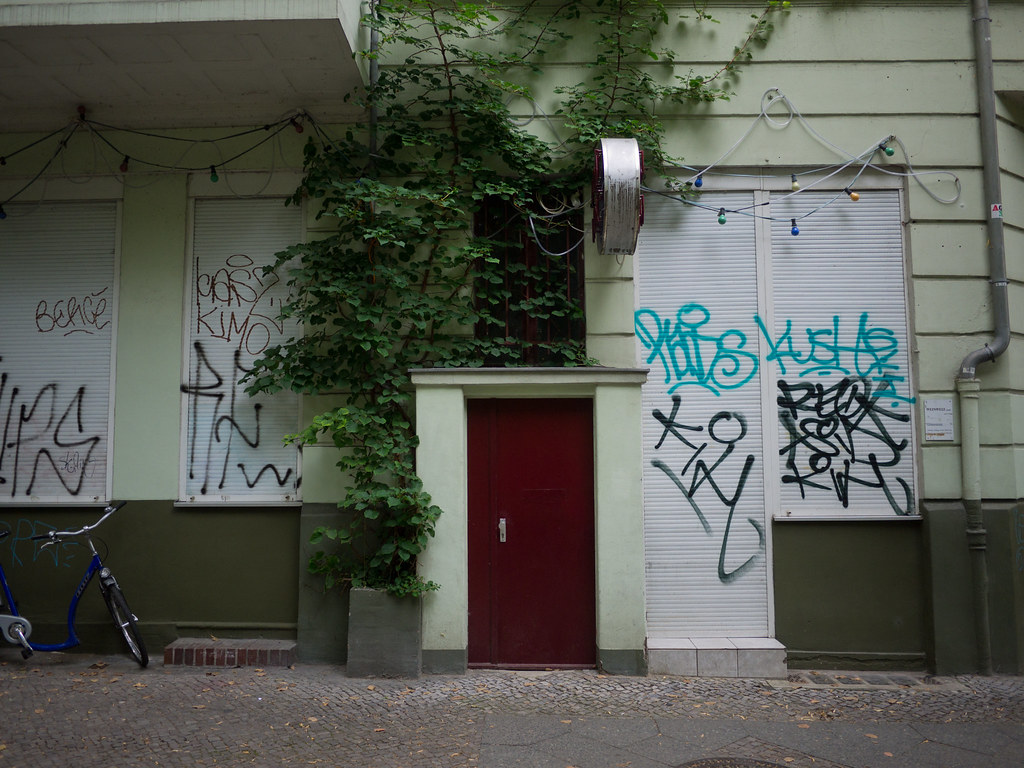
Doorway. Maybachufer Canal.
Apartment kitchen. Neukölln.
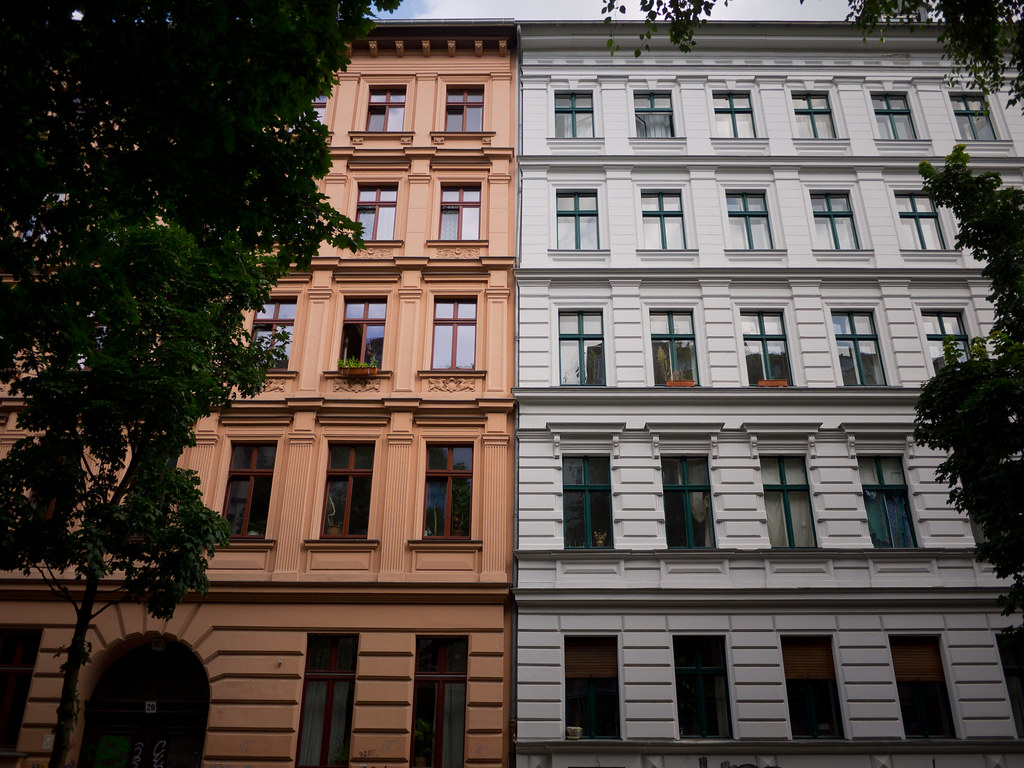
Sparkling facades. Kreuzberg.
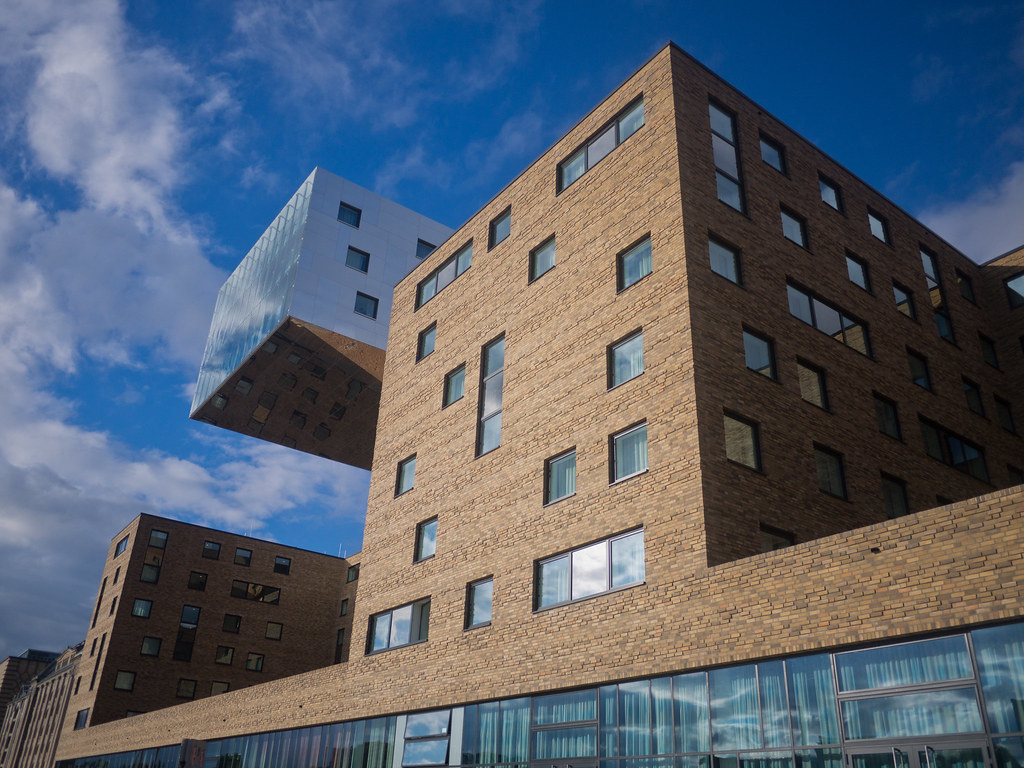
The nhow hotel on the Spree riverfront. Friedrichshain.
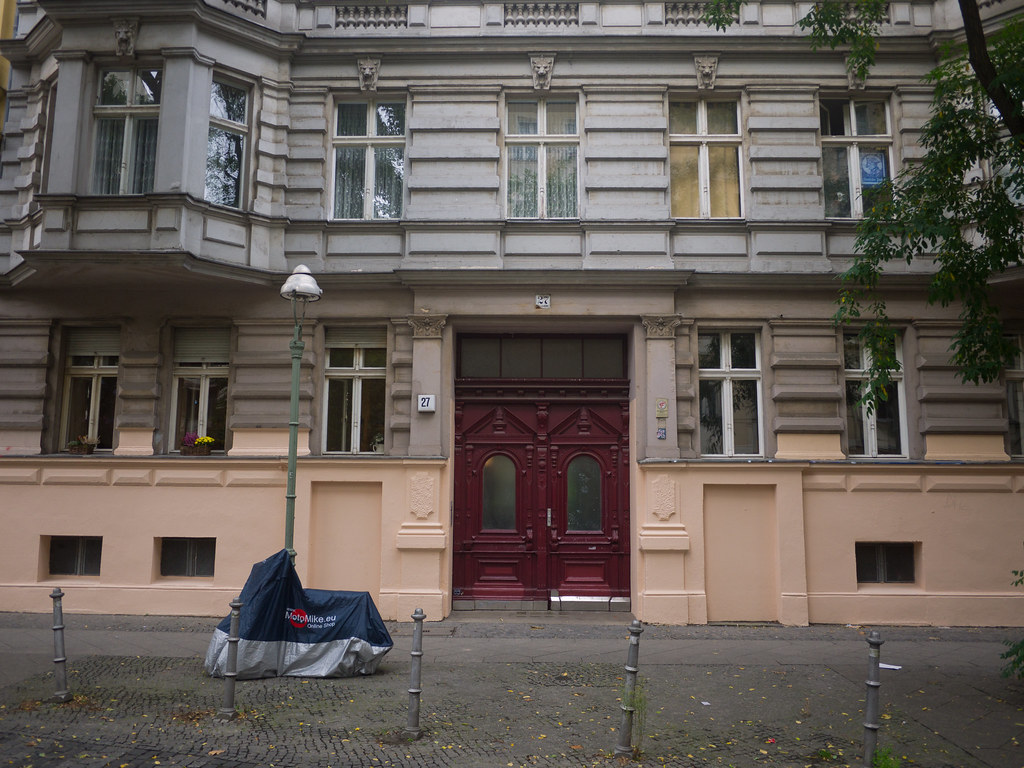
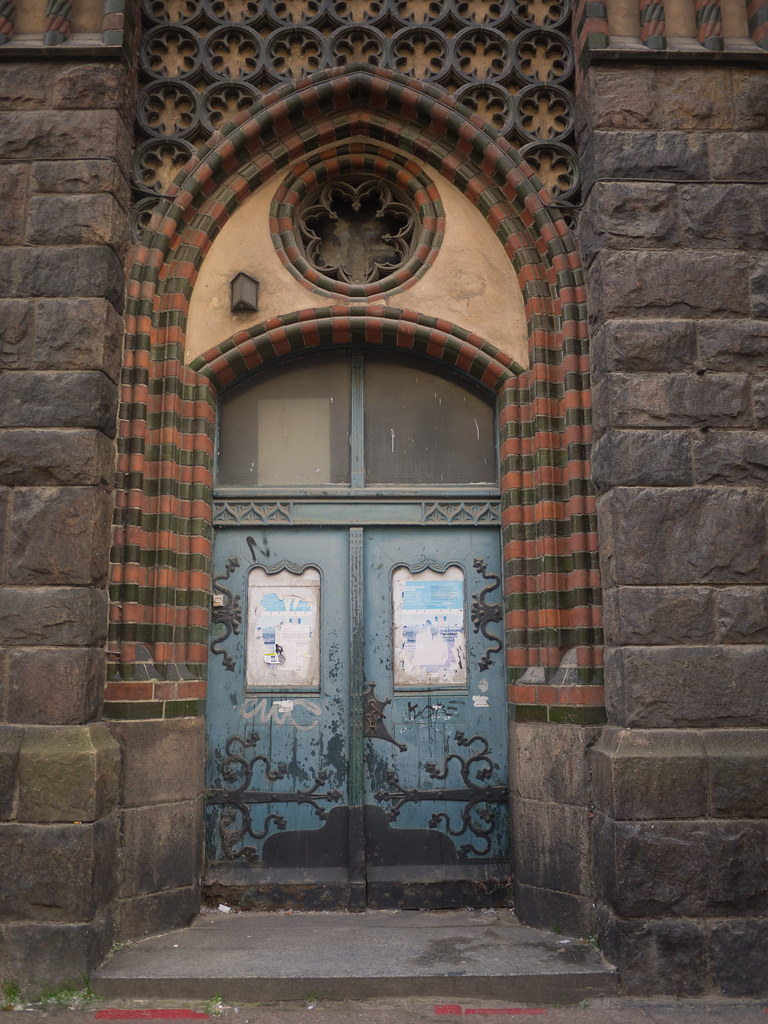
Doorway in Kreuzberg.
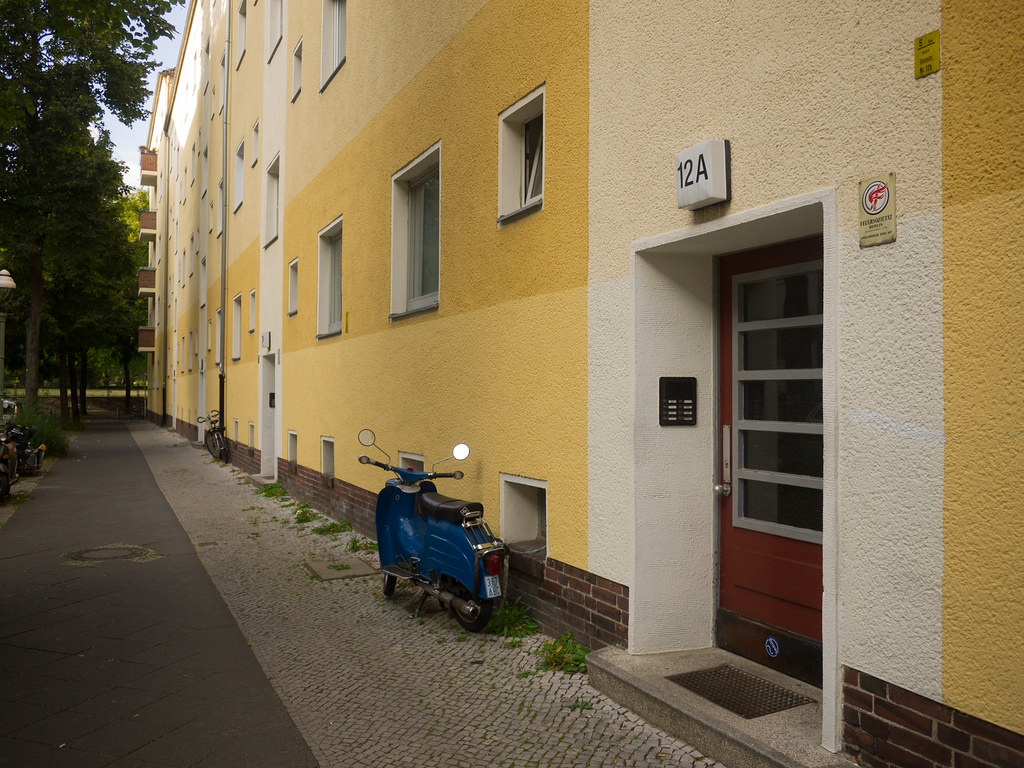
12A. Neukölln.
Posted by
Devan
at
10:06:00 AM












 Posts
Posts

