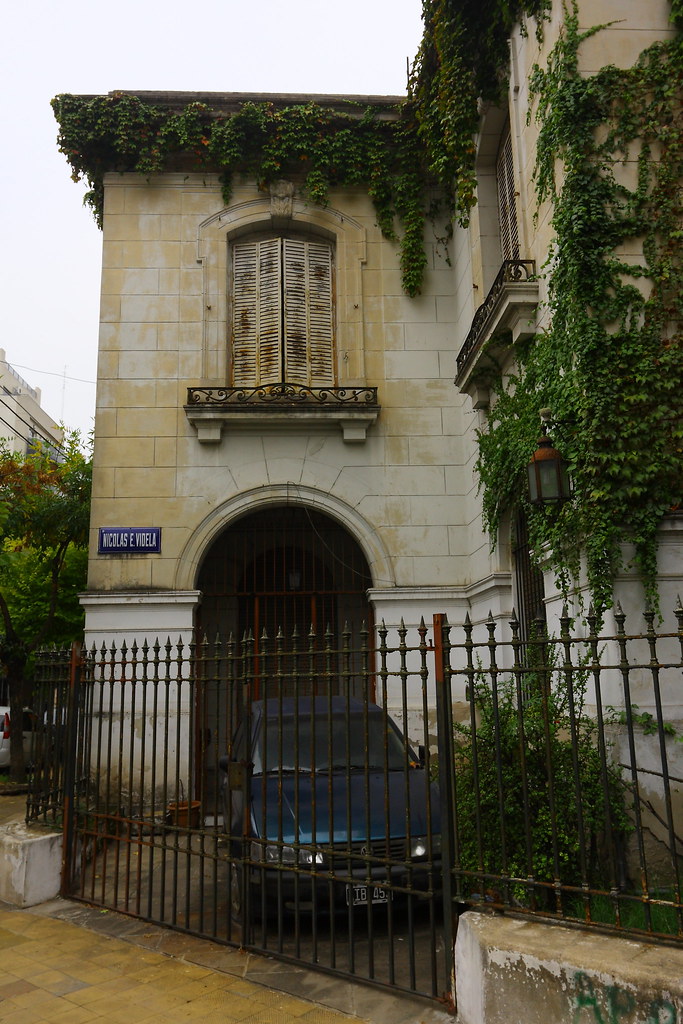
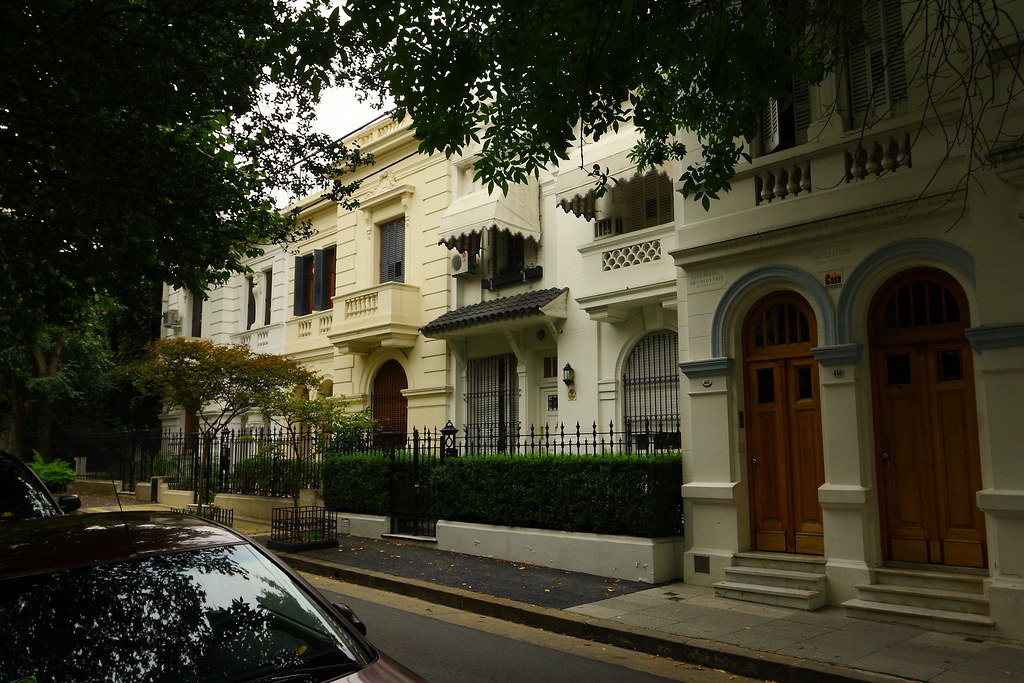
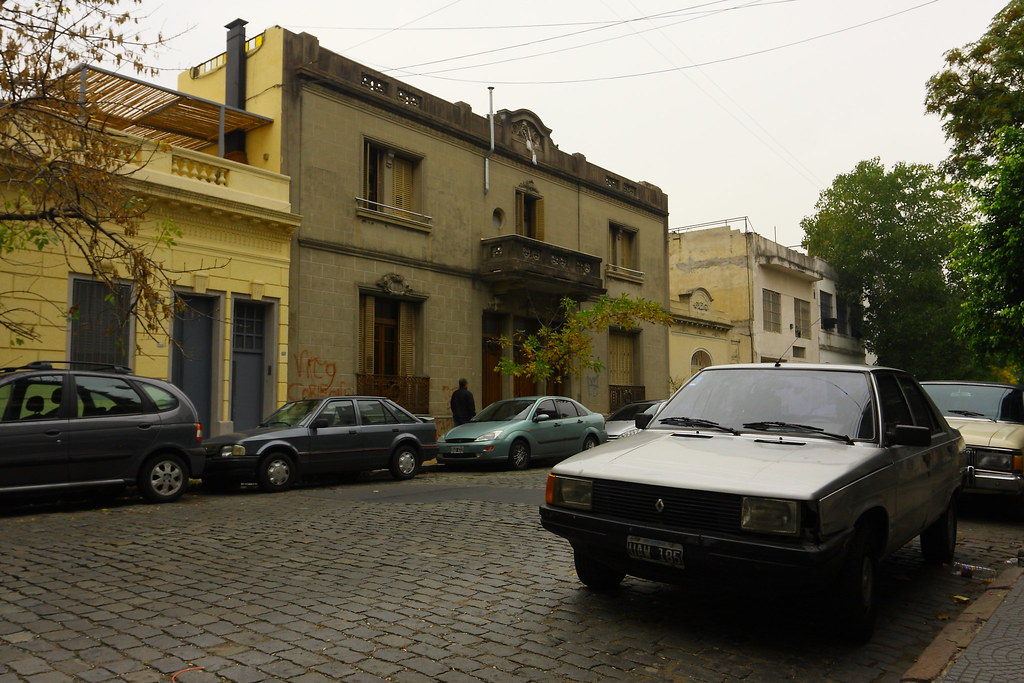
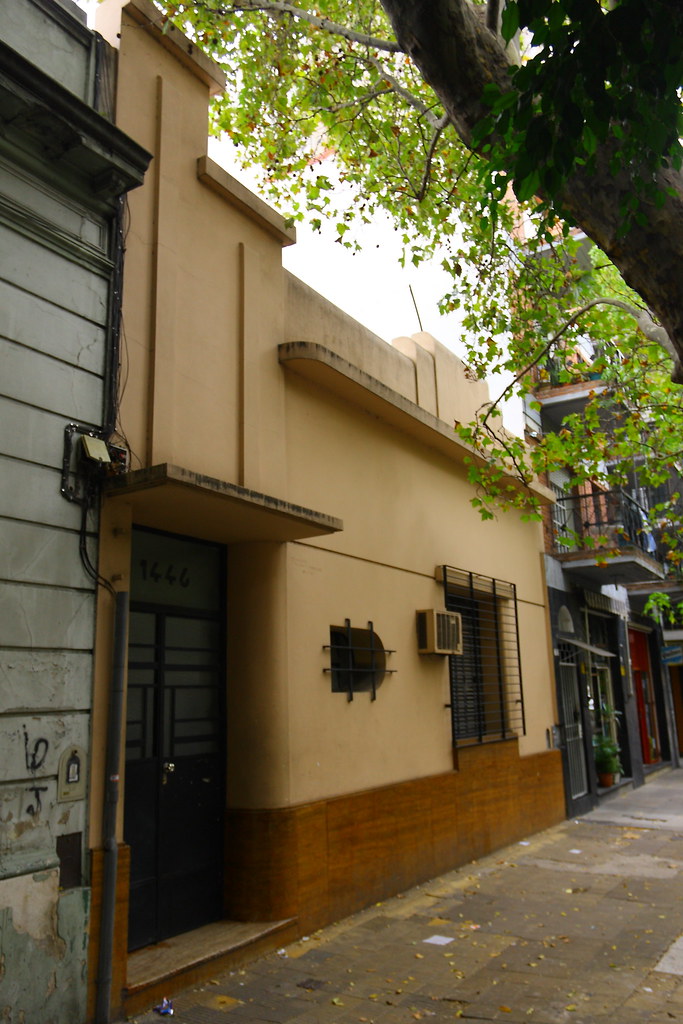
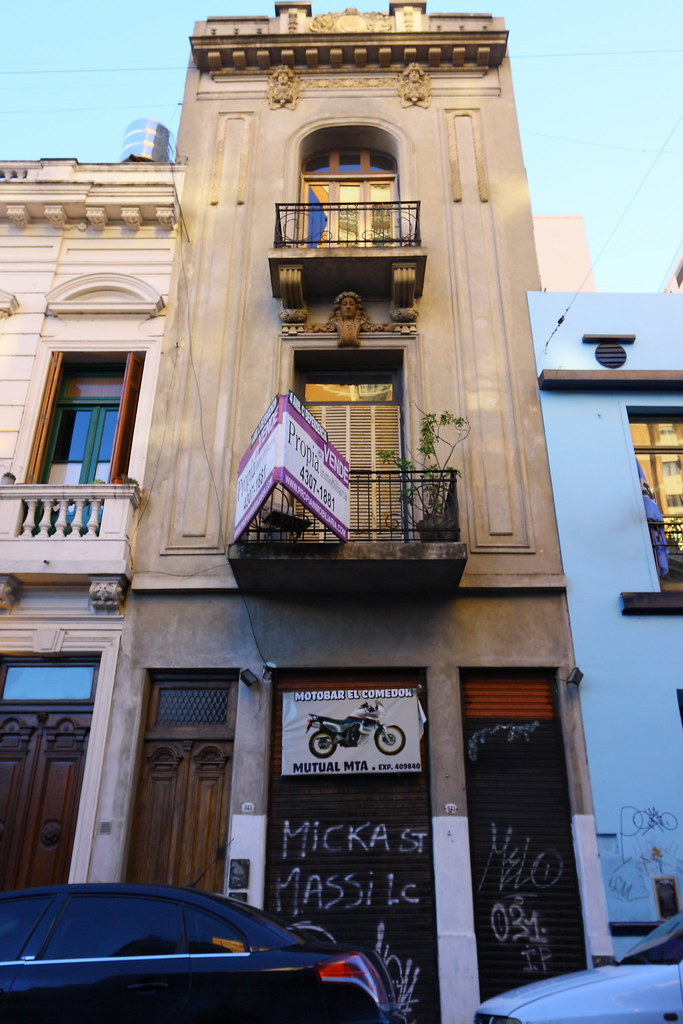
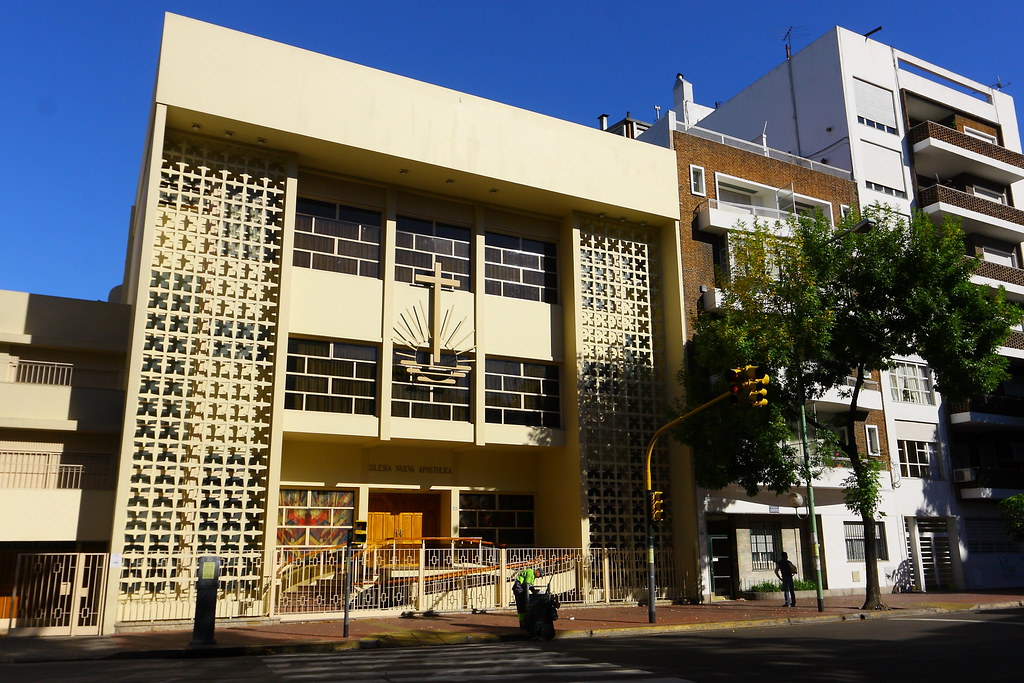
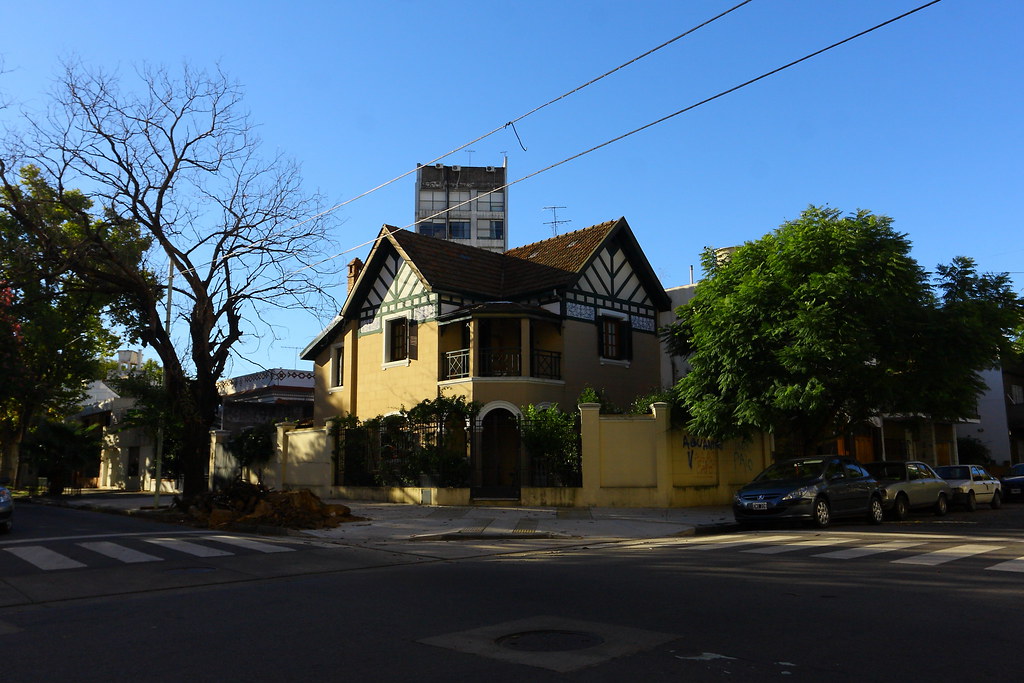
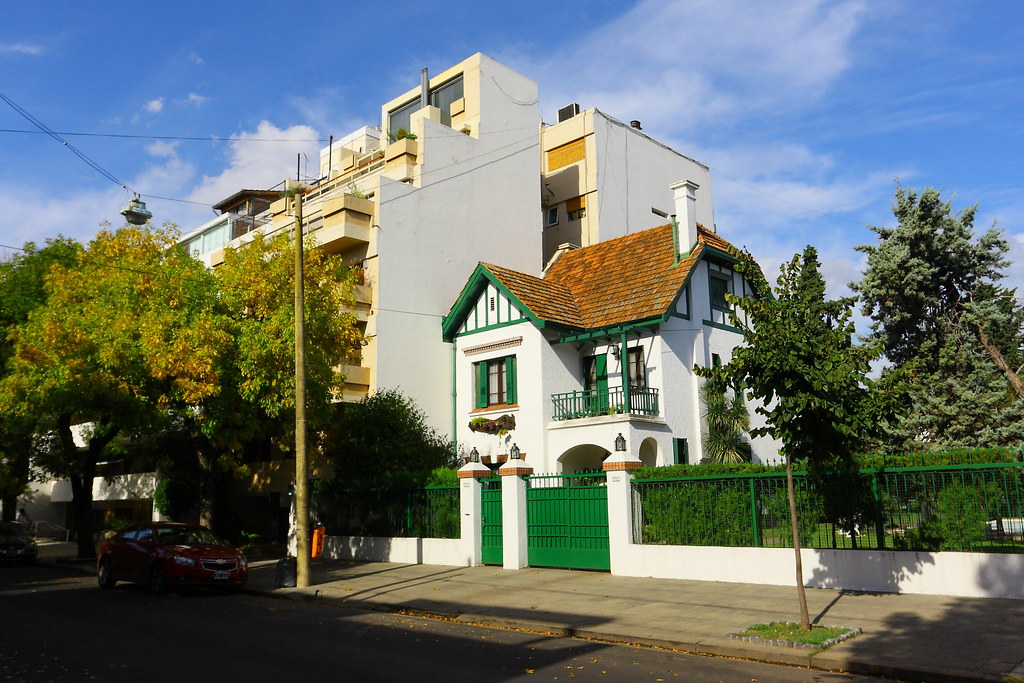
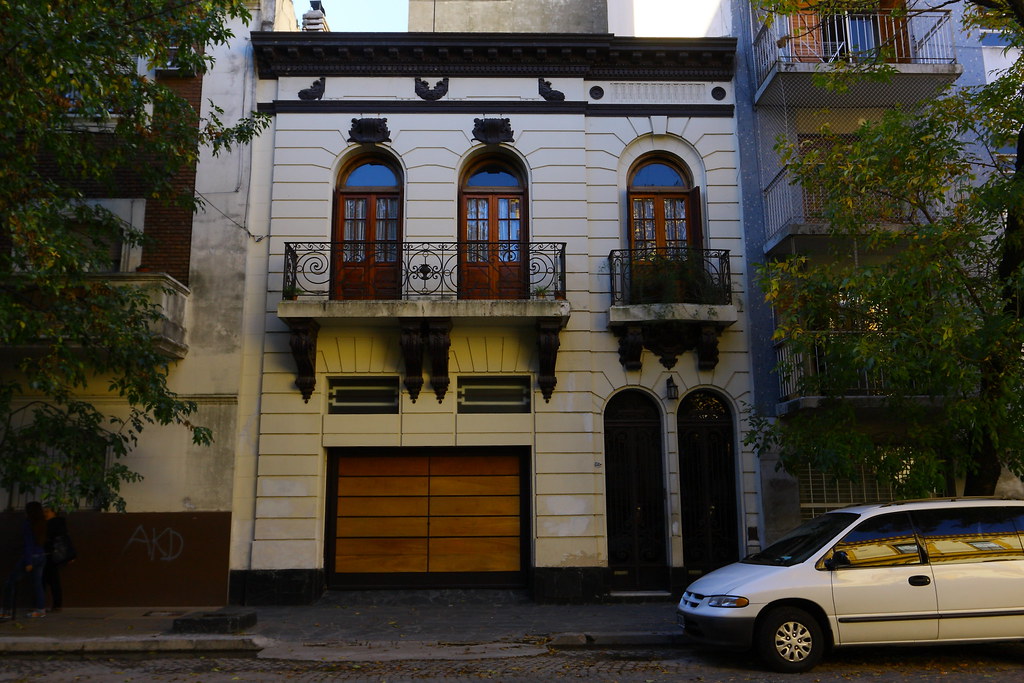
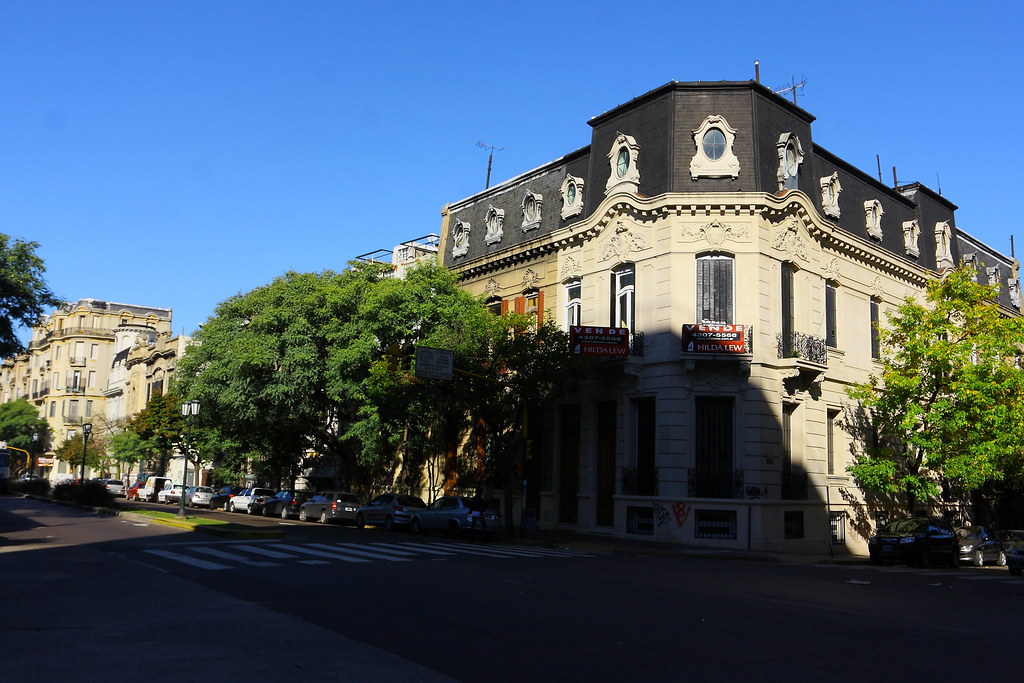
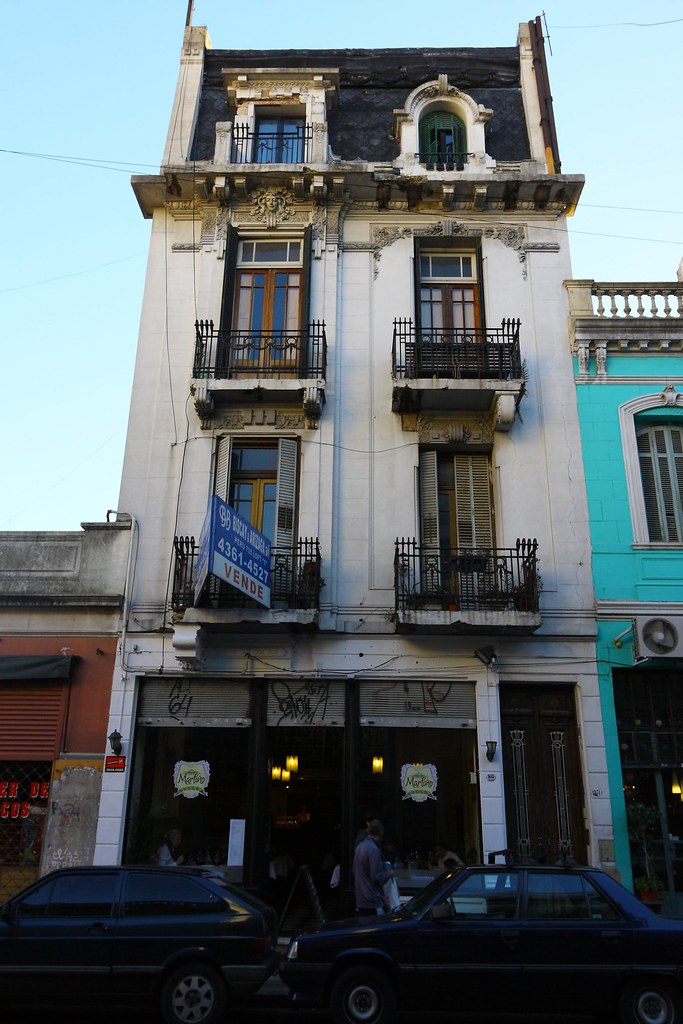
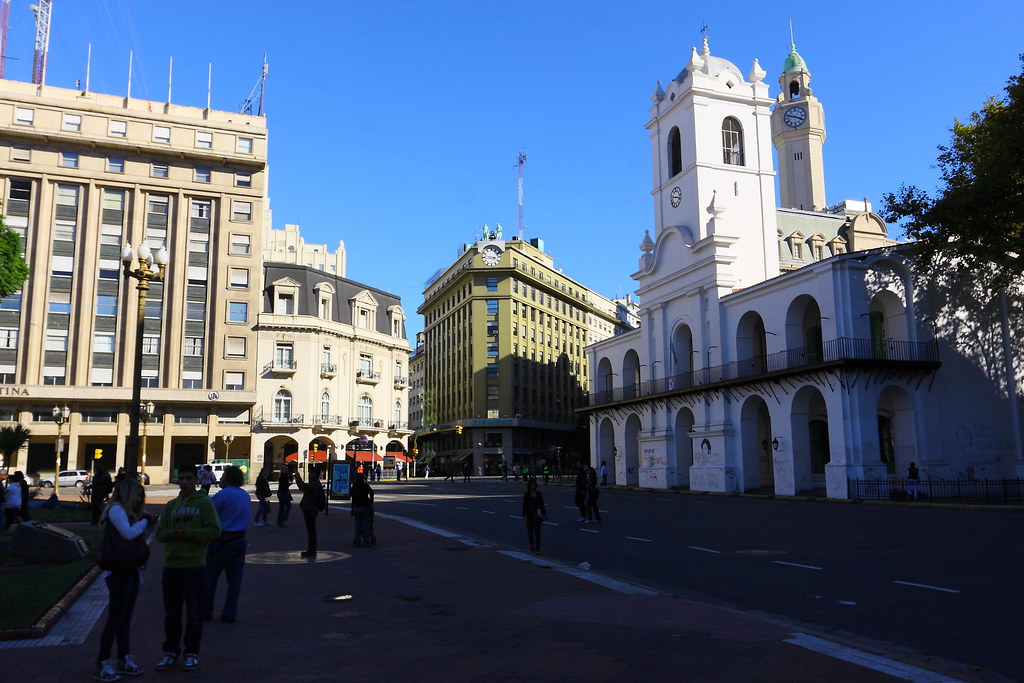
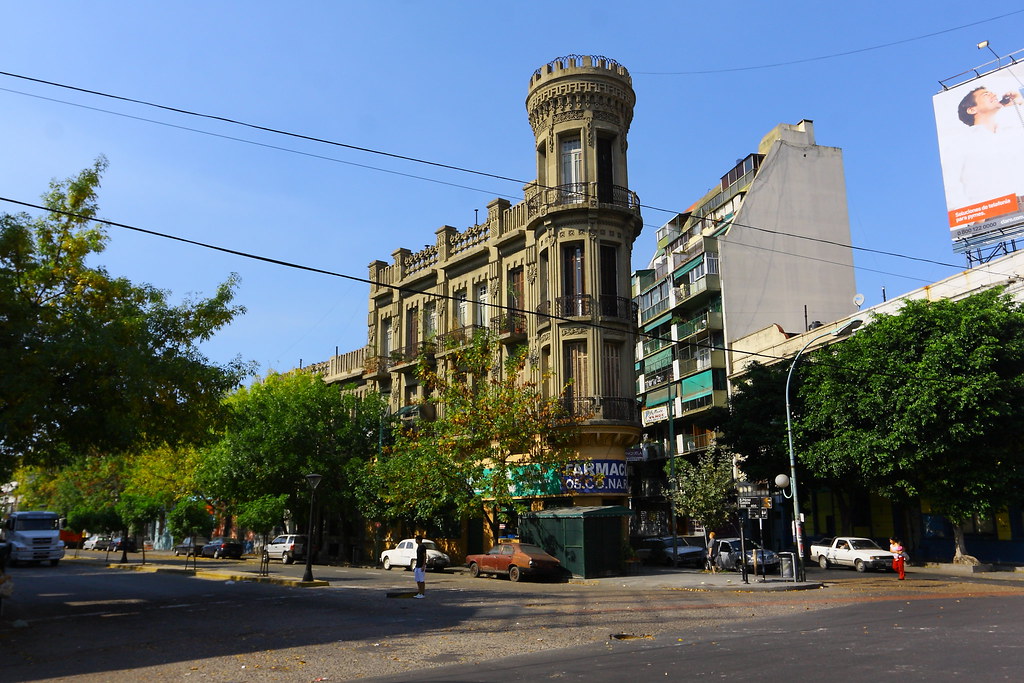
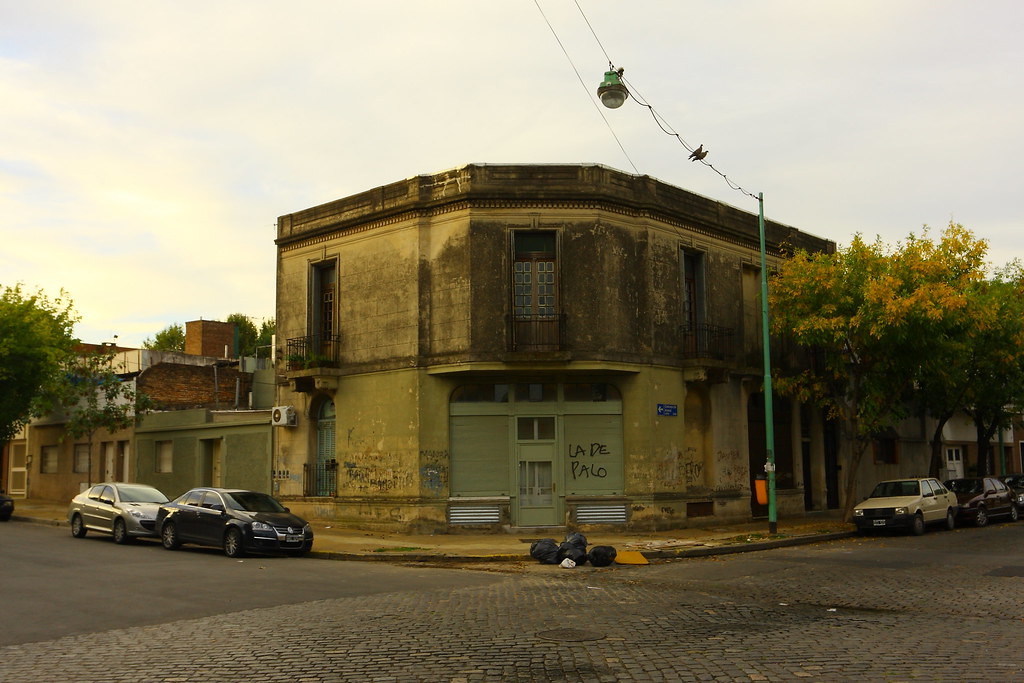
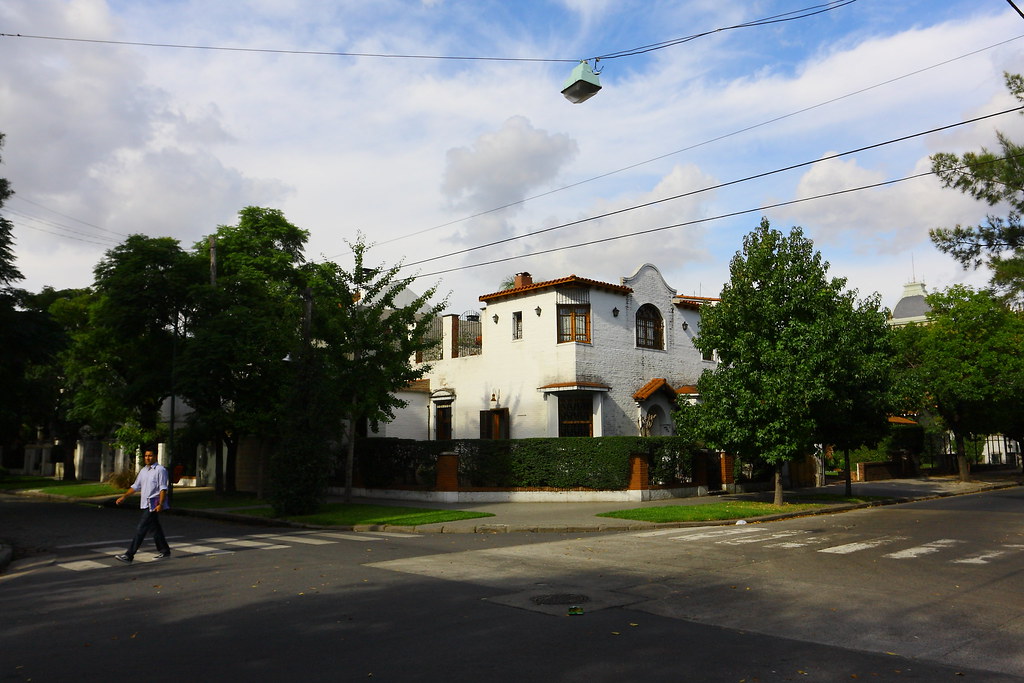
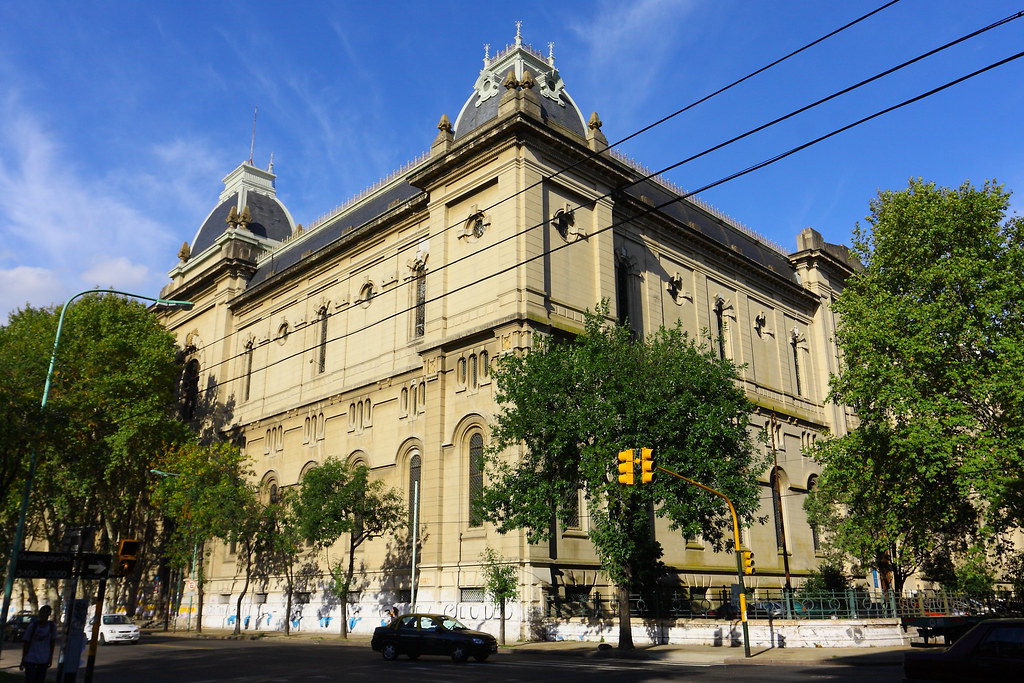
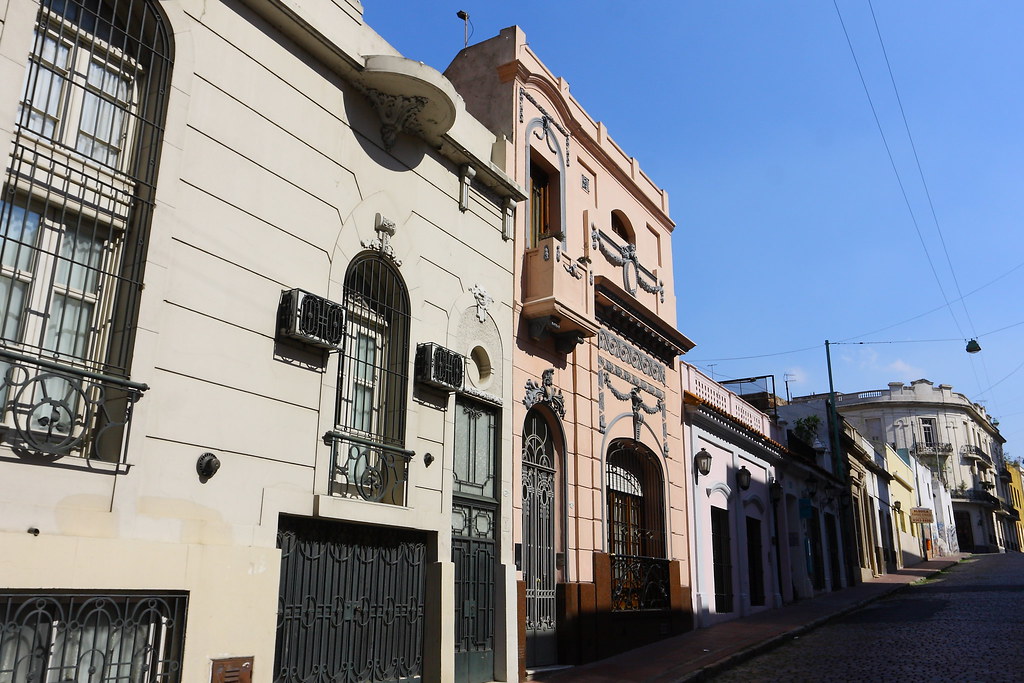
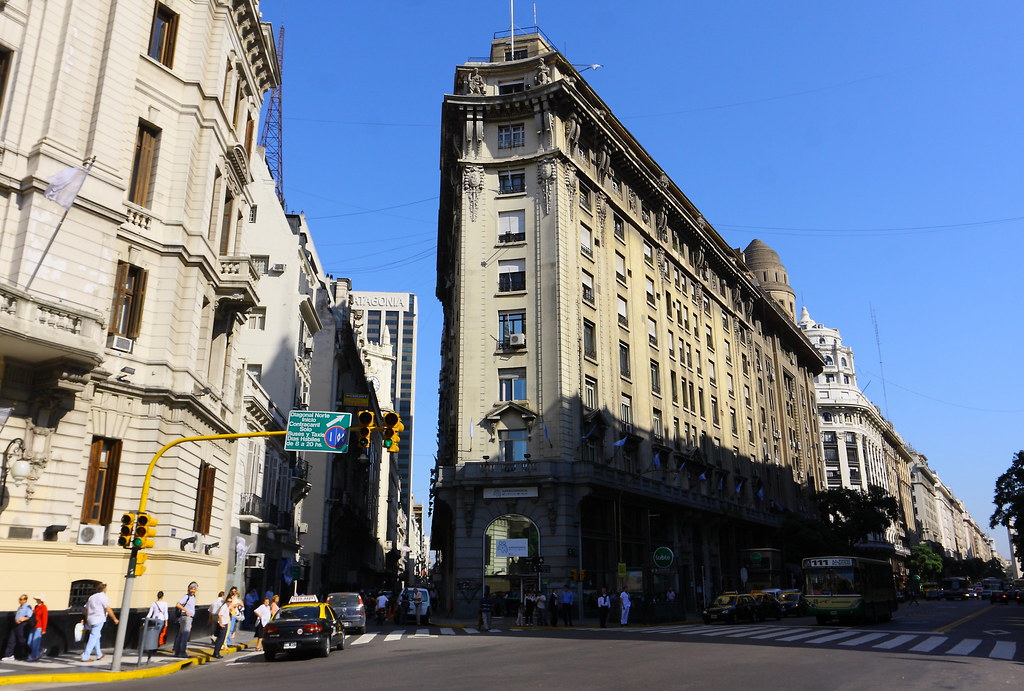
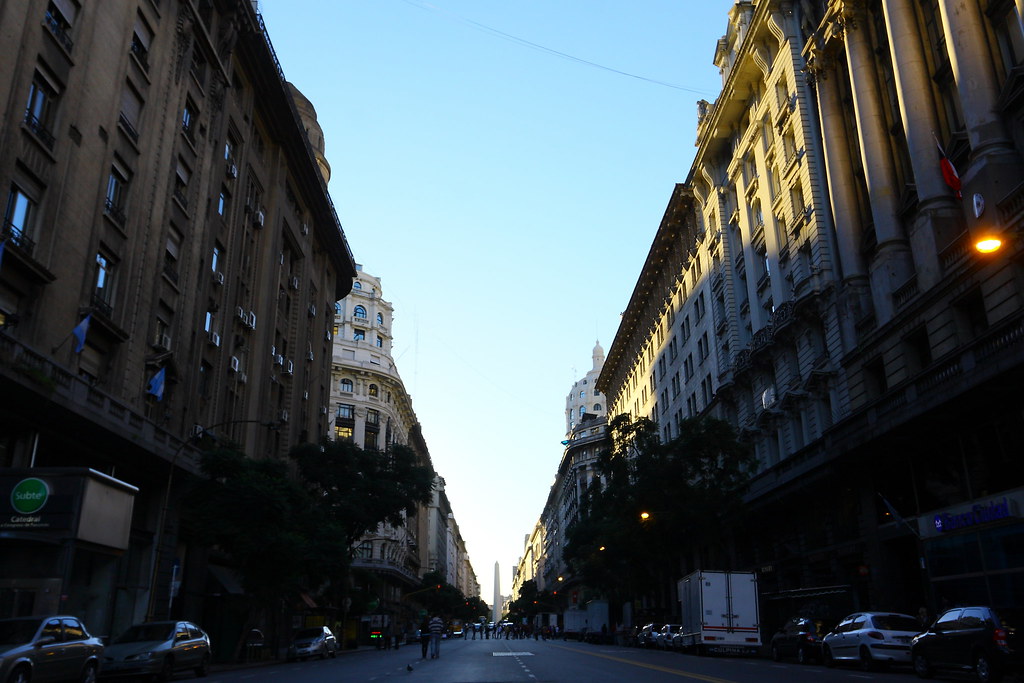
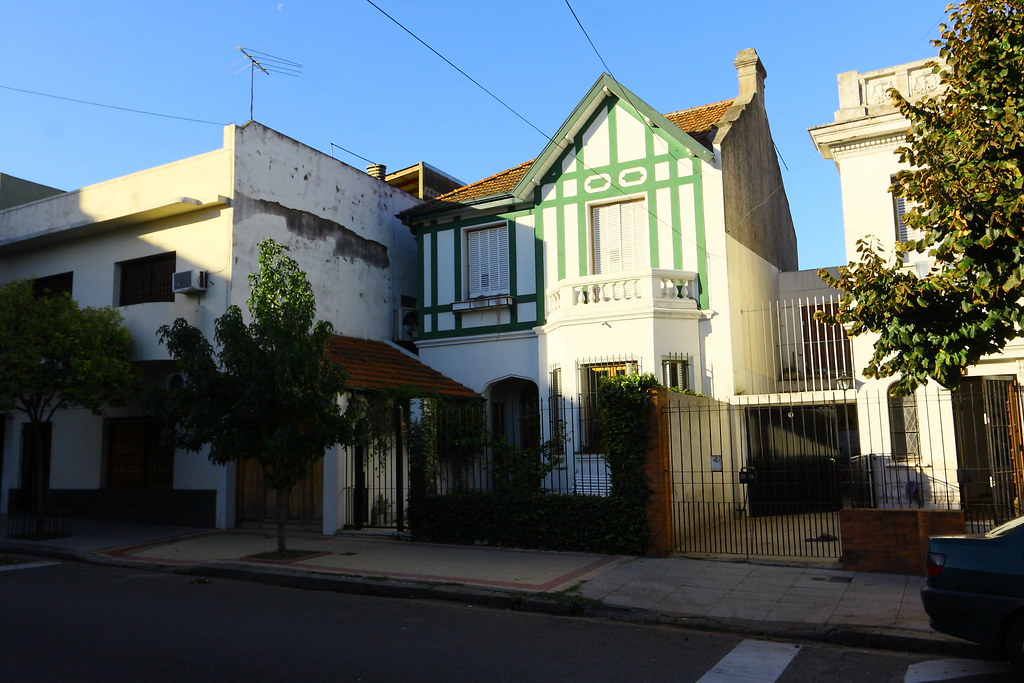
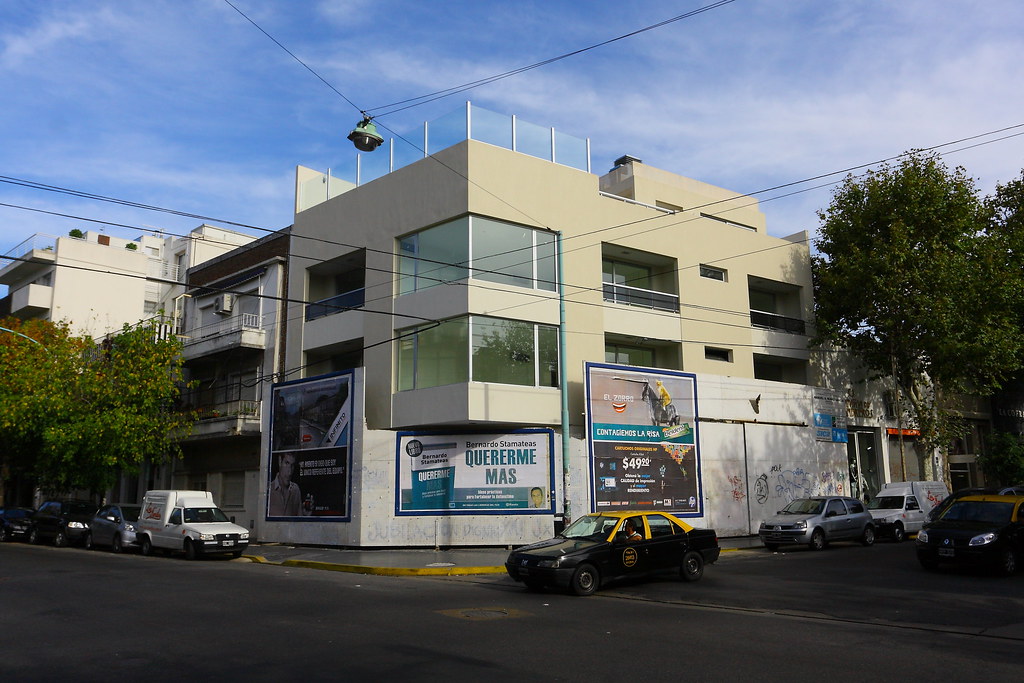
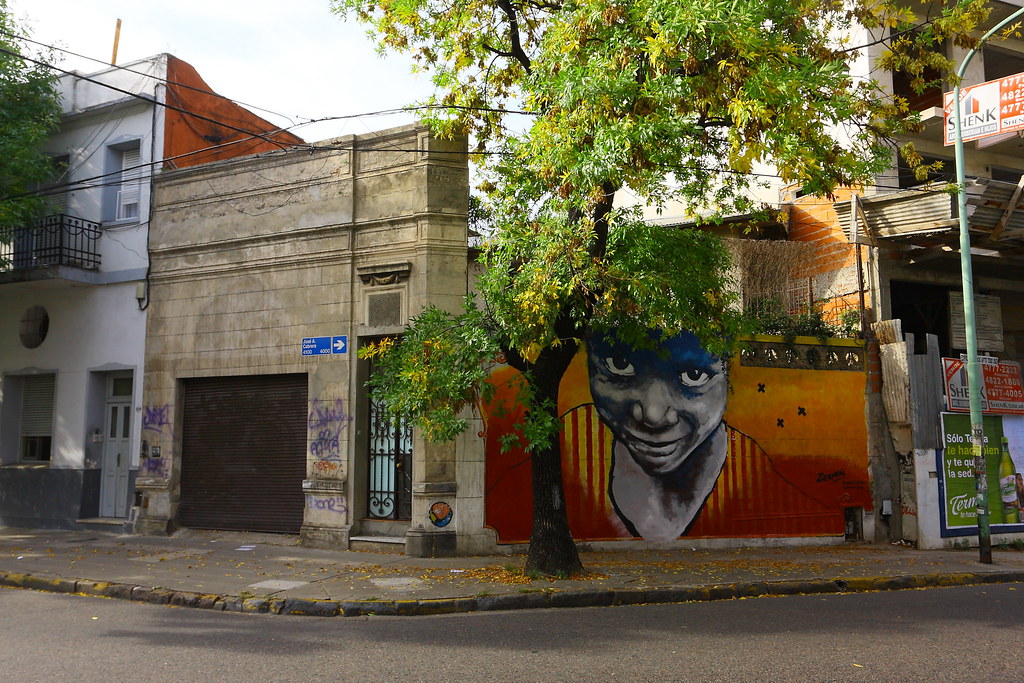
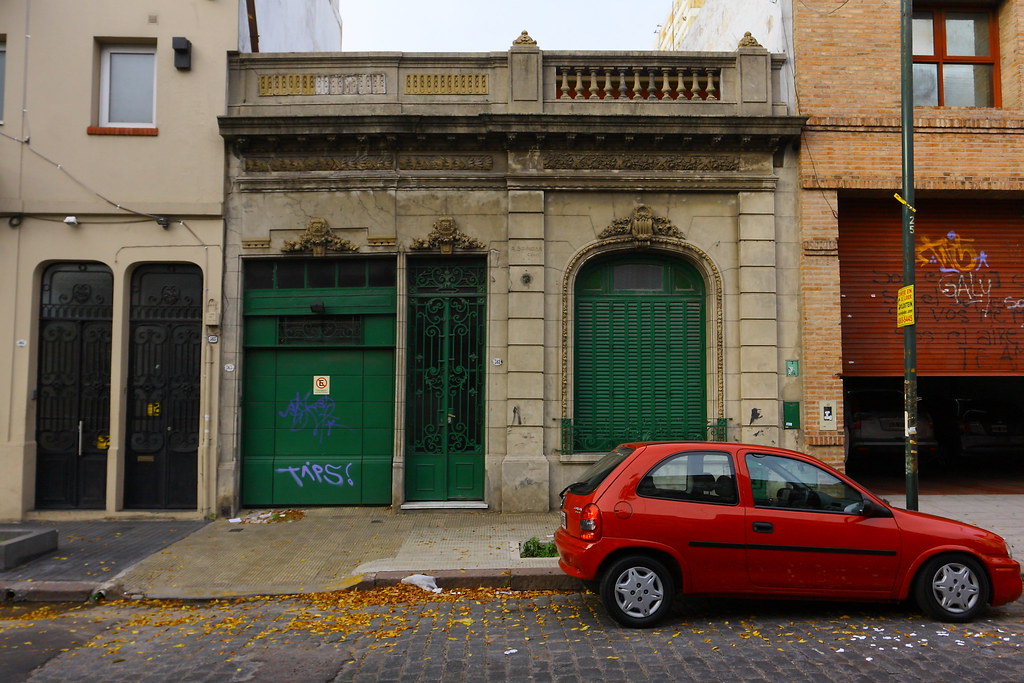
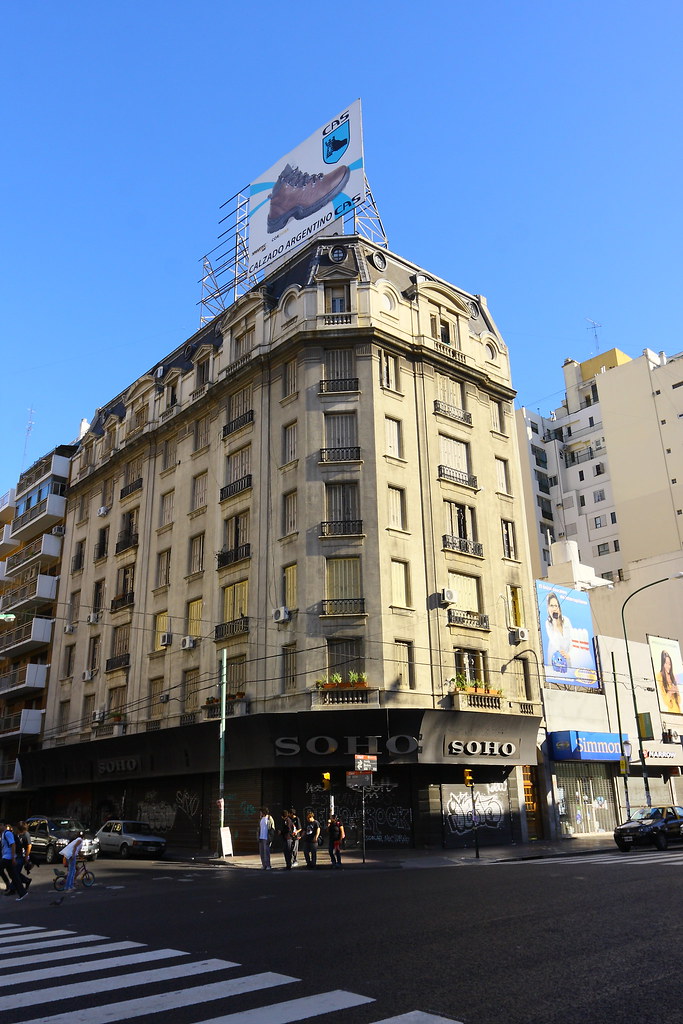
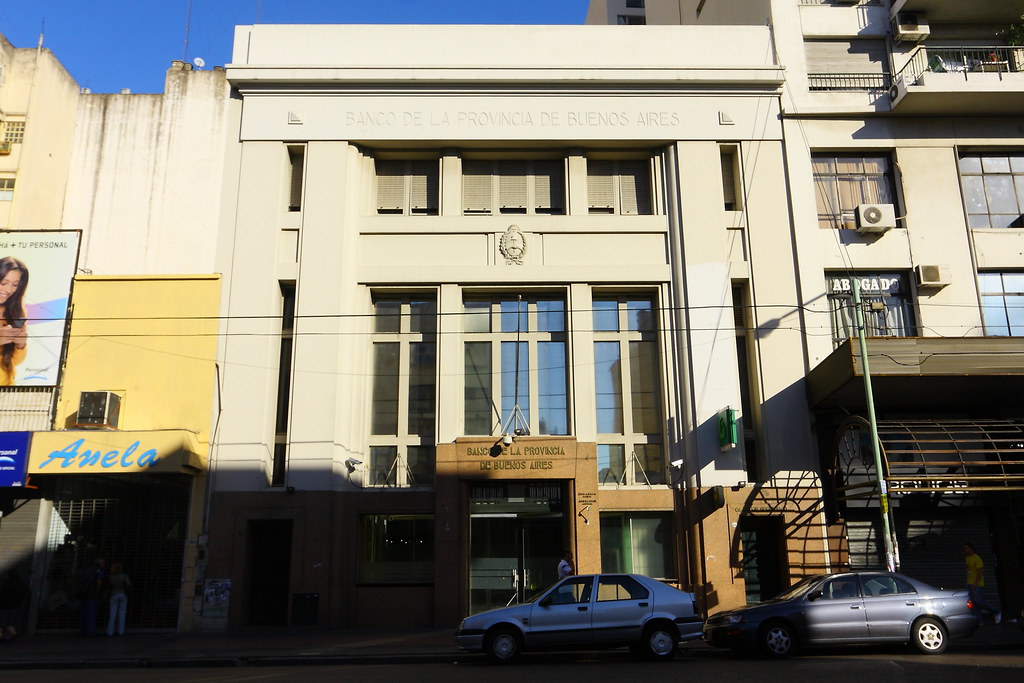
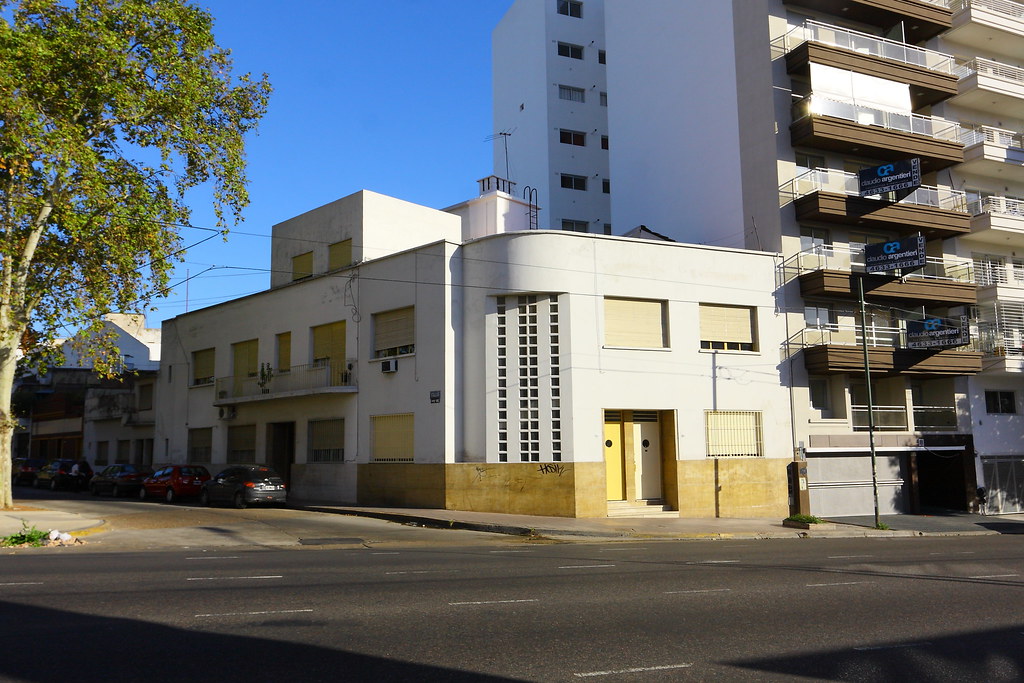
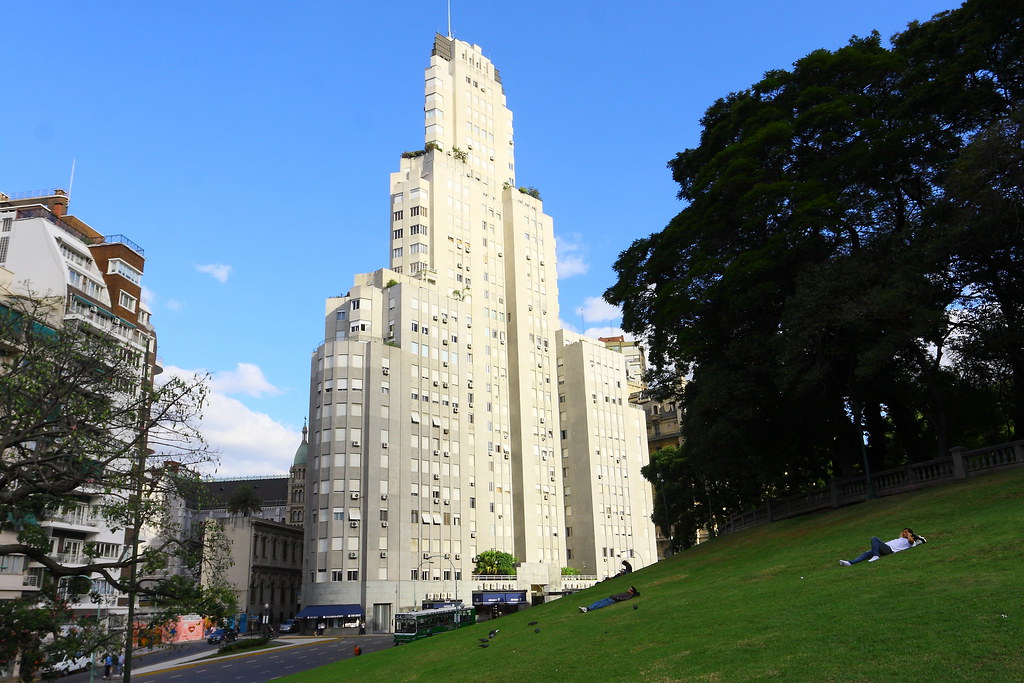
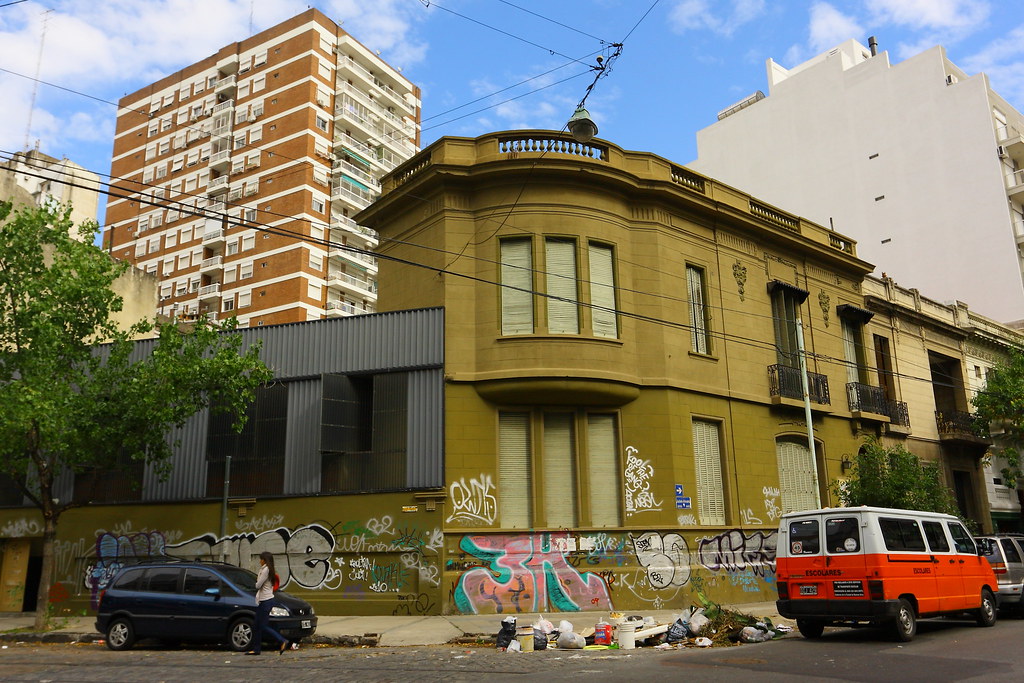
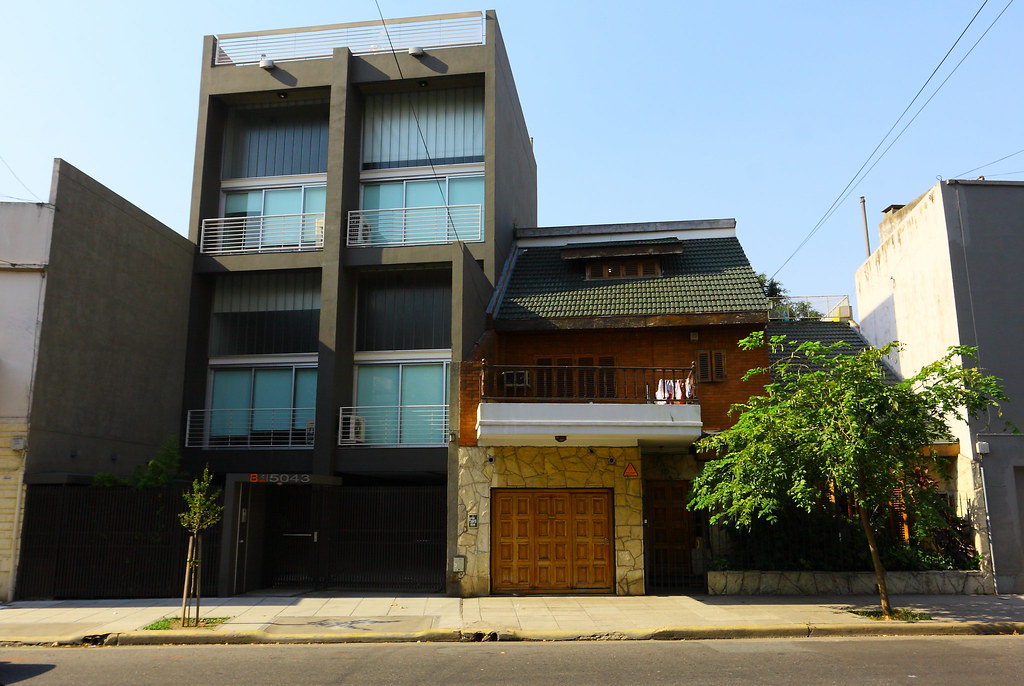
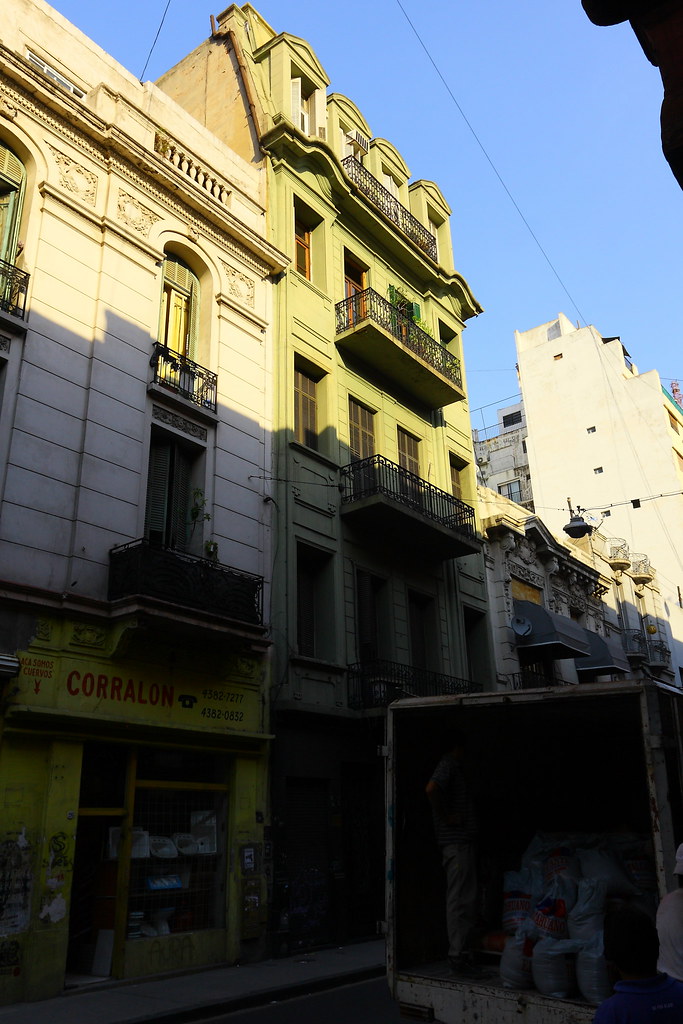
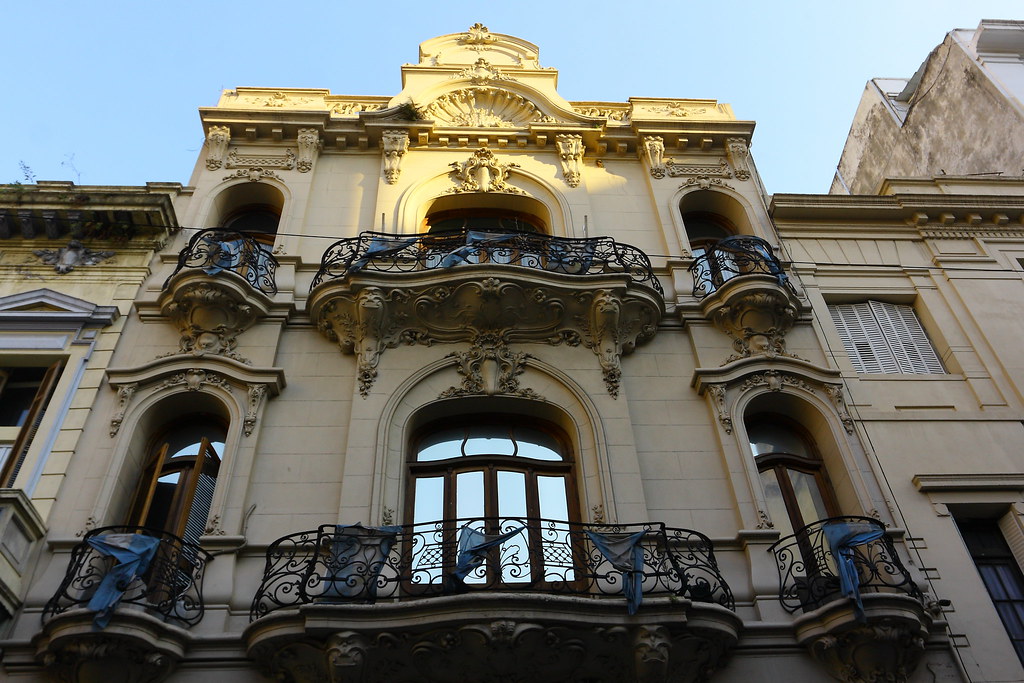
One of my favorite things about Buenos Aires is the sometimes grungy, always chaotic, mix that characterizes the city’s enduring clash with the new and old. The beautiful and the ugly. Strangely enough, the mix is harmonious, and has resulted in me further appreciating the city’s historic architecture. By having an always fluctuating and vibrant, eclectic mix, the city manages to escape the staid, museum-like feel found in cities with overprotective preservation ordinances. However, I still vehemently oppose the unnecessary demolition and destruction of BA’s architecture, history, and patrimony.
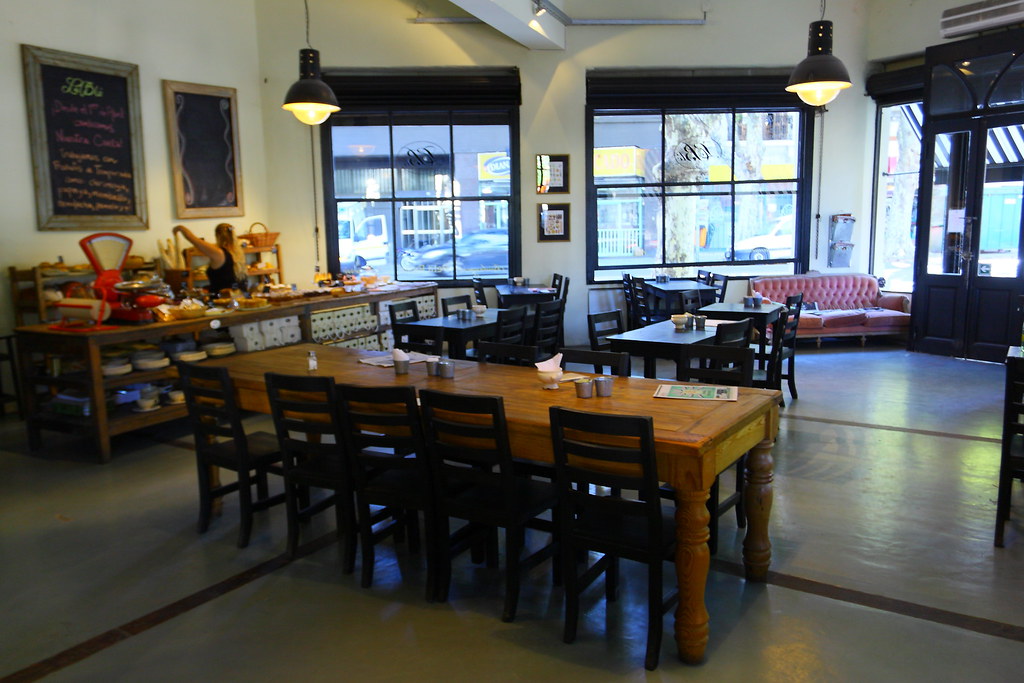
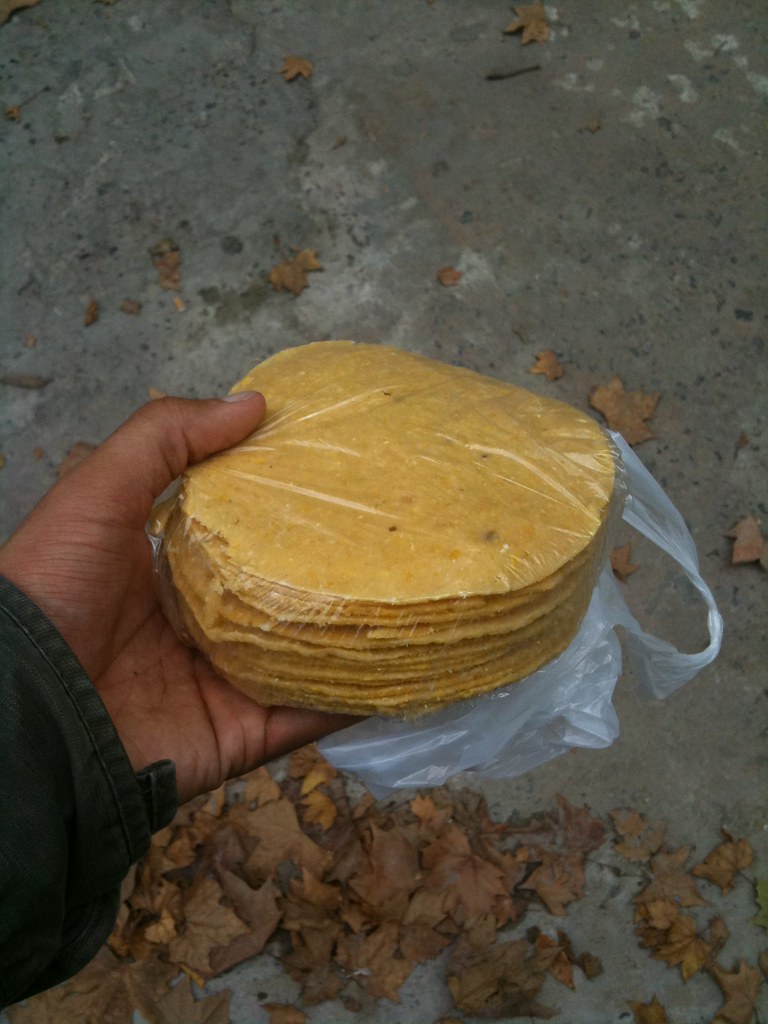
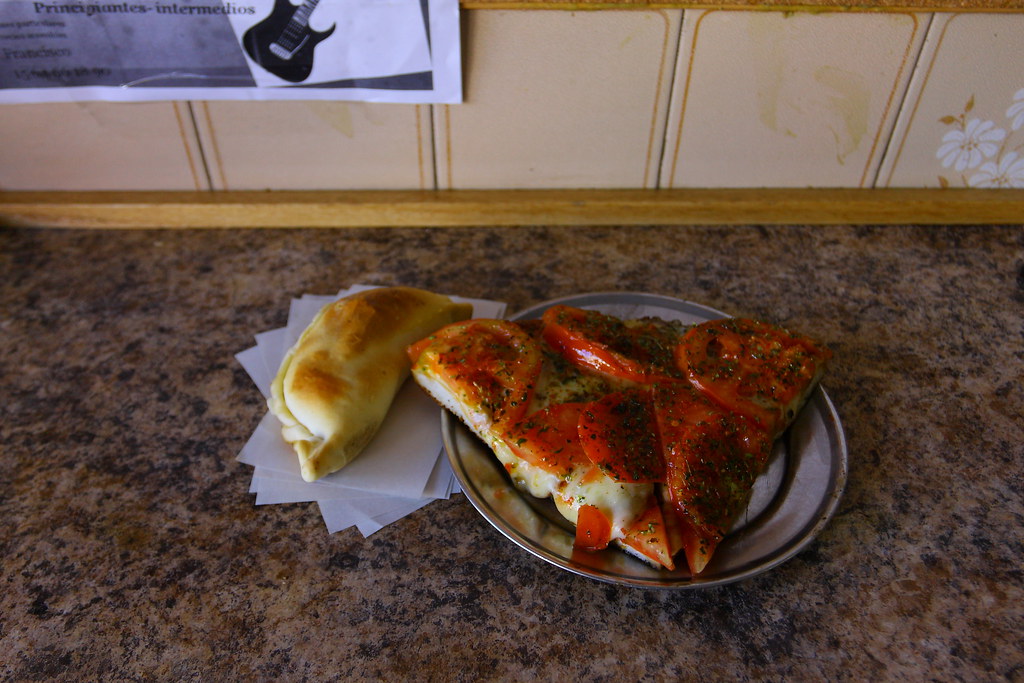
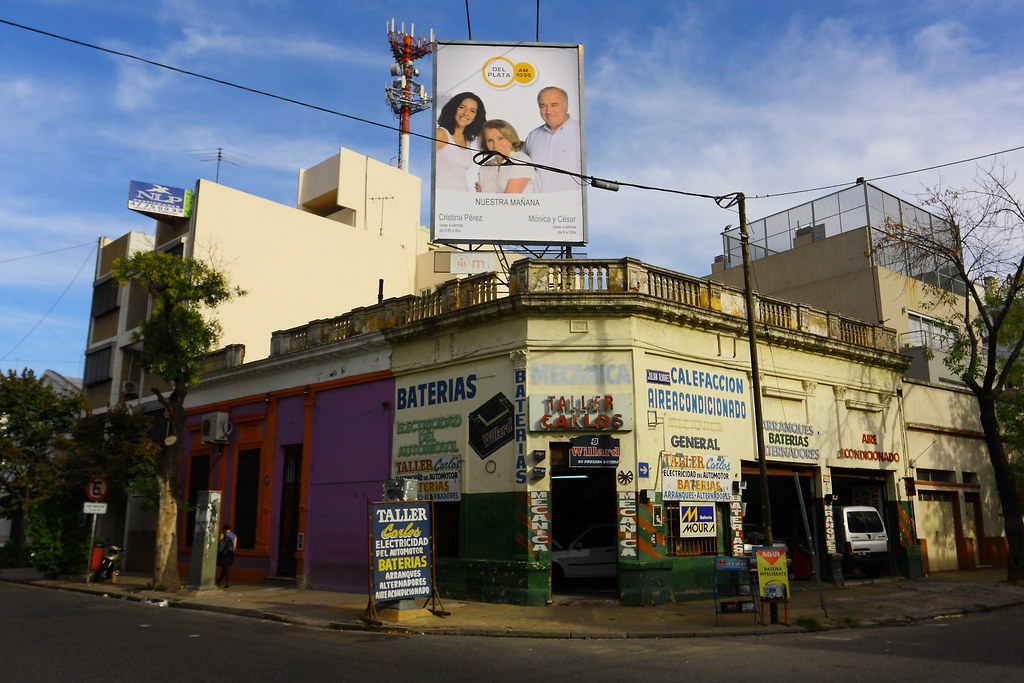
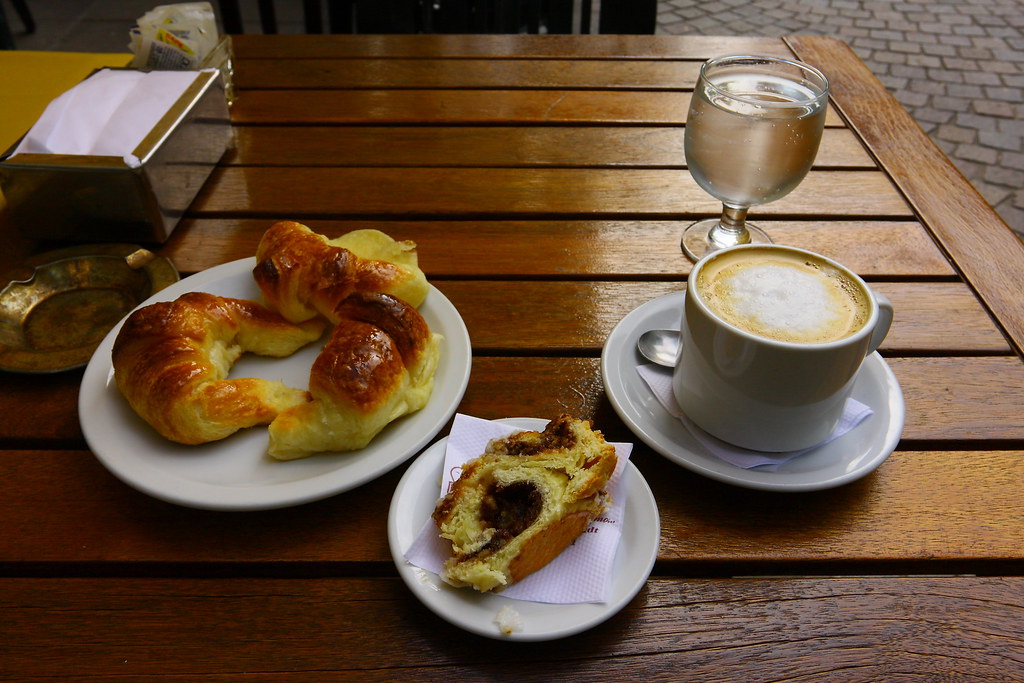
Although sometimes inconvenient, segregated uses for stores (i.e, no multinational, corporatized big box stores) can be rearding.. In addition to imparting character, the expertise or knowledge of somebody who has been doing one thing their whole life (most of the time, anyways) is unbeatable. While chains - capitalist jack-of-all-trades - are good at many things, but great at none, the many unique stores here, with their much-touted niches and specialties, are. Fruits from a frutería, vegetables from a verdulería, bread and pastries from panaderías and confiterías. And the more, uh, practical ones: cerrajerías, ferreterías, and talleres mecánicas. My shopping is reflective of the mom & pop-dominated landscape. Chocolate-filled croissants and “pan de campo” from a French bakery in Villa Ortúzar; pita bread, hummus and baklava from an Armenian sweet shop on Scalabrini Ortiz; juicy peaches and apples from a Bolivian family operation in Almagro; and ají peppers from Peruvian vegetable stand-owners.
Speaking of Peruvians, recently I explored their ground zero in Buenos Aires: Barrio Abasto. Abasto, the city’s former central market that, after sitting abandoned, was renovated and converted into an upscale shopping mall, sparking the revitalization of its adjacent (now) namesake barrio. Incredibly enough, some blocks that have, amazingly, gone from literal grit to glam. The streets behind the mall went from perpetually half-completed shanties and informal houses to shiny, glimmering condo towers. Having had wonderful culinary experiences there, I headed back on the advice of a food blog. Although the blog post was from 2008, the moment I read about a ½ pollo a la brasa chicken, with french fries and salad, for only $18ar (~$4), I was sold. In retrospect, I should have know that was too good to be true.
The 2011 price was 35ar for a ½ chicken, and the cheapest offering, the ¼ pollo a la brasa (just the chicken), was 23ar. Inflation here is a serious matter, with Argentina recently in the news for being on the cusp of hyperinflation. The article says Argentina’s inflation, at 11%, is the second-highest in the world, second to only Venezuela. Despite the dollar strengthening against the peso (3.75ar - $1usd in 2009, to 4.05ar = $1usd ), inflation means it is more expensive than ever. Eventually, I settled for another place with a ¼ pollo a la brasa and french fries for 17ar, a good-enough price. Yesterday I went to the supermarket, intent on buying sirloin steak. Two weeks ago, four sirloin tip steaks would have cost ~21ar ($4.93usd). As of today, I am lucky to pay 30ar ($7.40usd). Not terrible in the grand scheme of things, but not knowing prices is no fun. This has contributed to the feeling of hopelessness and pessimism here. That Buenos Aires’ best days, sadly, are behind her.
Reflecting a money-driven single-dimensional purpose for being here, the dollar/euro-earning expats’ usual complaints are rising costs. To them, using BA as a cheap, South American alternative to Europe, is a thing of the past. Then, the feeling of a secret having been let out; that the city has sold out to tourist masses. Aside from the said inflation, blame lies with the New York Times and Lonely Planets of the world; their role in romanticizing and over-hyping the city’s affordability has contributed to this.
Anecdotally, it seems like everybody is moving to or talking about Colombia. As an avid cyclist and supporter of contemporary urban planning trends, I am a big fan of Bogotá and, more importantly, what it has been able to accomplish as a developing South American metropolis. That said, with all due respect, it is no Buenos Aires. The country itself is fascinating, but even after visiting both cities, I would never compare Bogotá to Buenos Aires. That wouldn’t be fair - the two are totally different. Anyways, the “creative” types are flocking to Berlin, as well as Brooklyn, Detroit, and Portland. The human rights/NGO crowd seems big on Cambodia and Nicaragua (the more poor and obscure a place is, the more “street cred”).
About expats: the condescending, patronizing attitudes held by some are major turn-offs. Aside from thinking BA begins and ends at Palermo (or Recoleta, or San Telmo; each attract unique sub-sects of gringos), or that the city’s only joys lie in overpriced Puerto Madero restaurants, or upscale, bad electronic music-playing Palermo Hollywood bars, the feeling of entitlement is the lamentable. Worse, girls come here, get a porteño boyfriend, pick up a bit of Spanish and begin thinking of themselves as holier-than-thou know-it-all’s. Disgusting. Along with copious amounts of whining and complaining about life here, that rounds out the norm.
On the topic of markets, probably 75% of the markets are owned by Chinese immigrants. Chinese-owned markets are so common, that people call all markets “chinos.” To say “me voy al chino” means that I am going to the market - Chinese one or not. A visible part of the porteño barrio fabric and streetscape, no doubt these markets play an important role in providing accessible foodstuffs in areas not well-serviced by traditional markets. And unlike corner stores back home, who from their bulletproof-glass windows, rip captive markets off by selling single rolls of toilet paper, or loose cigarettes, the markets here have..everything. Except for the weird 3ar fee charged for the purchase of glass bottles, I like the chinos. The halting Spanish spoken by many shopkeepers can be grinding to the ears, though.
That’s about the extent of my recent observations. P.S, Argentines, I am *not* from Brazil ;)

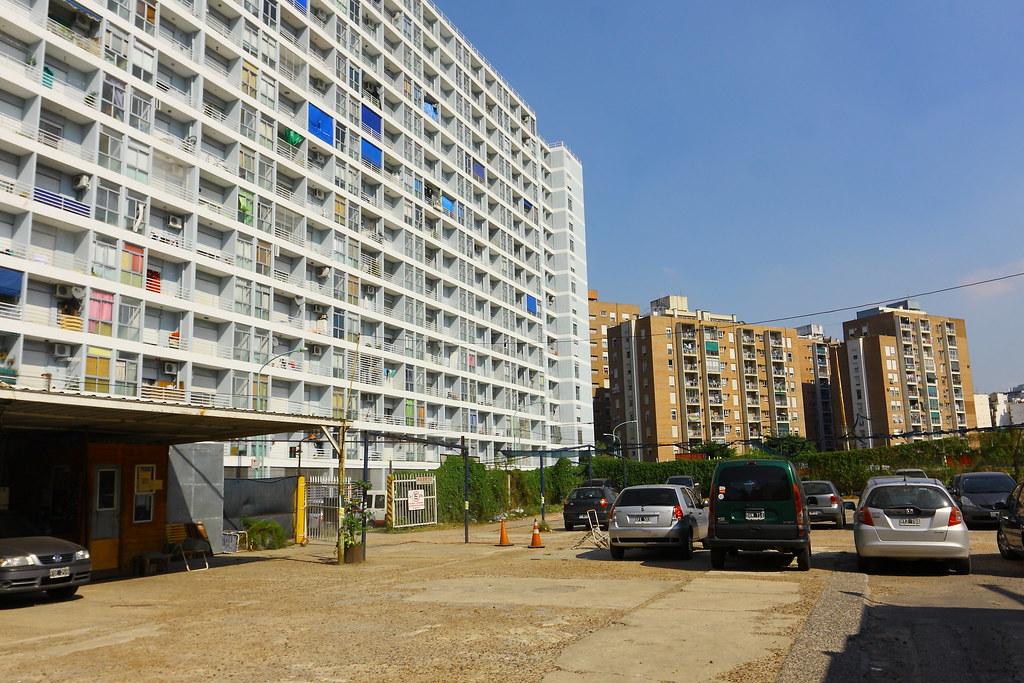
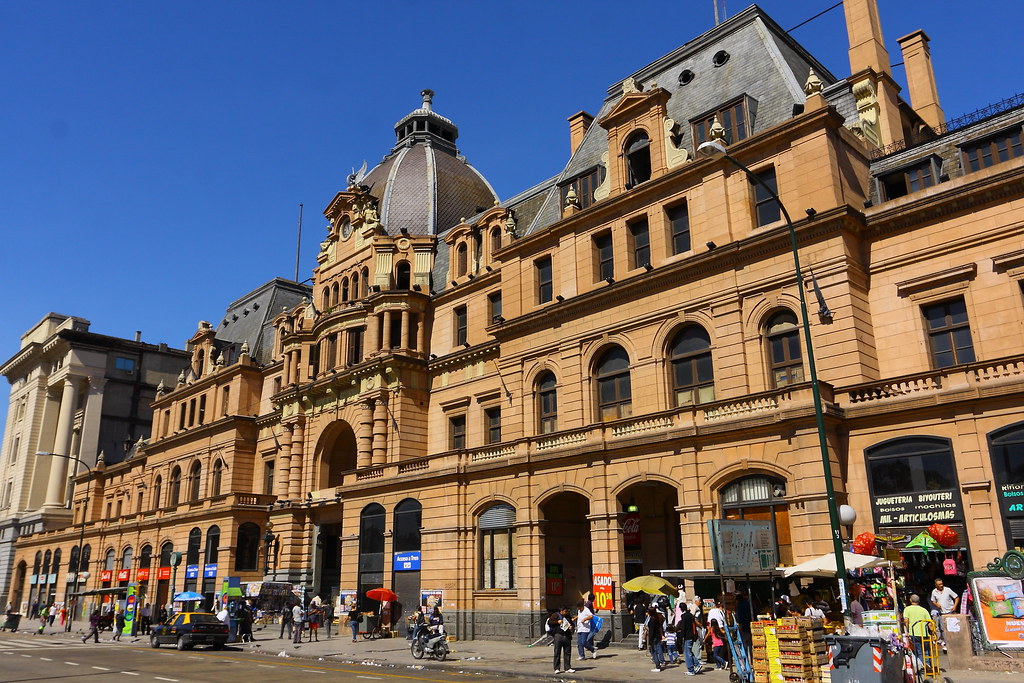
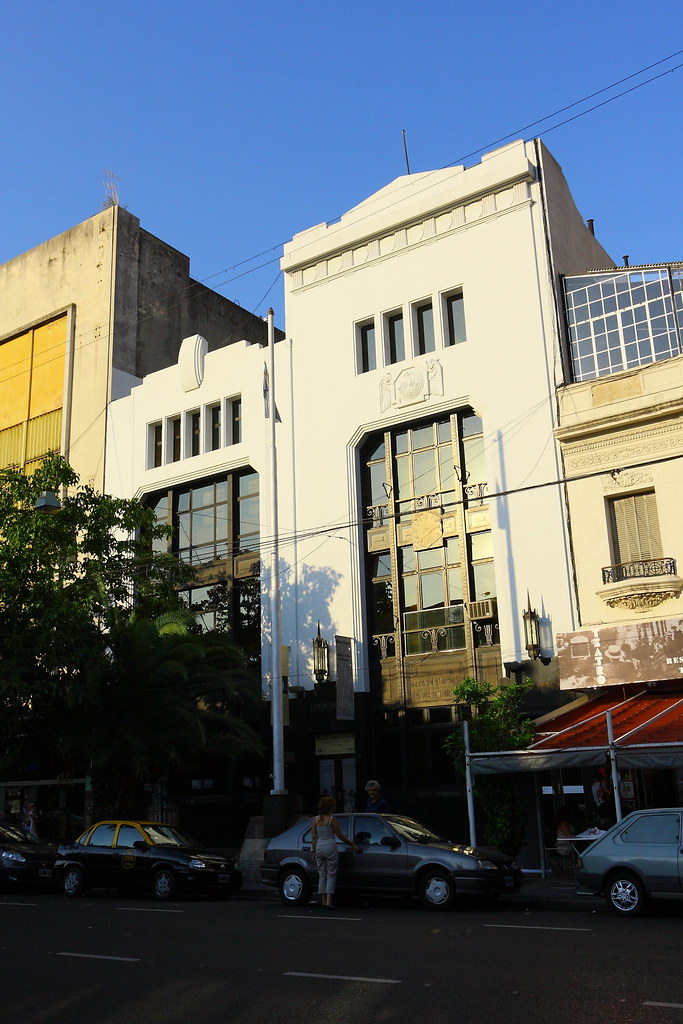
As I took the photo above, a police officer in an orange vest appeared. "Muchacho! Sabés que dónde estás?" I reply "Sí, ya sé. Estamos en Constitución." He then says "tenés ID? Necesito que ver tu ID." I show him my passport card, and he looks both the card and I, gives it back to me and says "Cuidado con la cámara, eh!" Heh.
Posted by
Devan
at
10:15:00 PM



















 Posts
Posts