South LA Intro

Tuesday, January 12, 2010

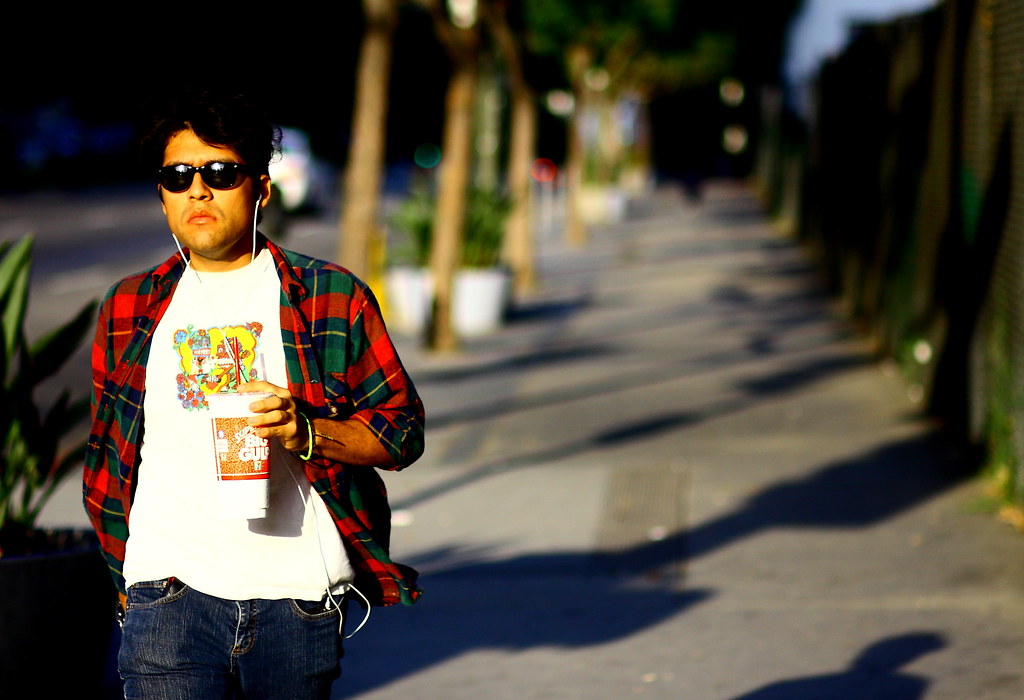
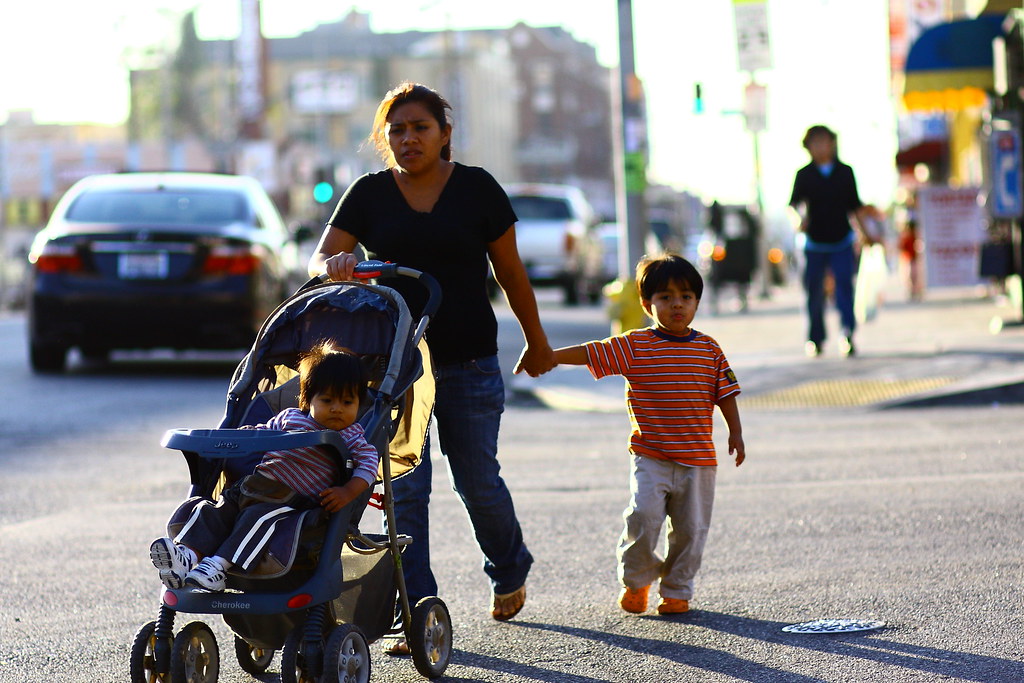
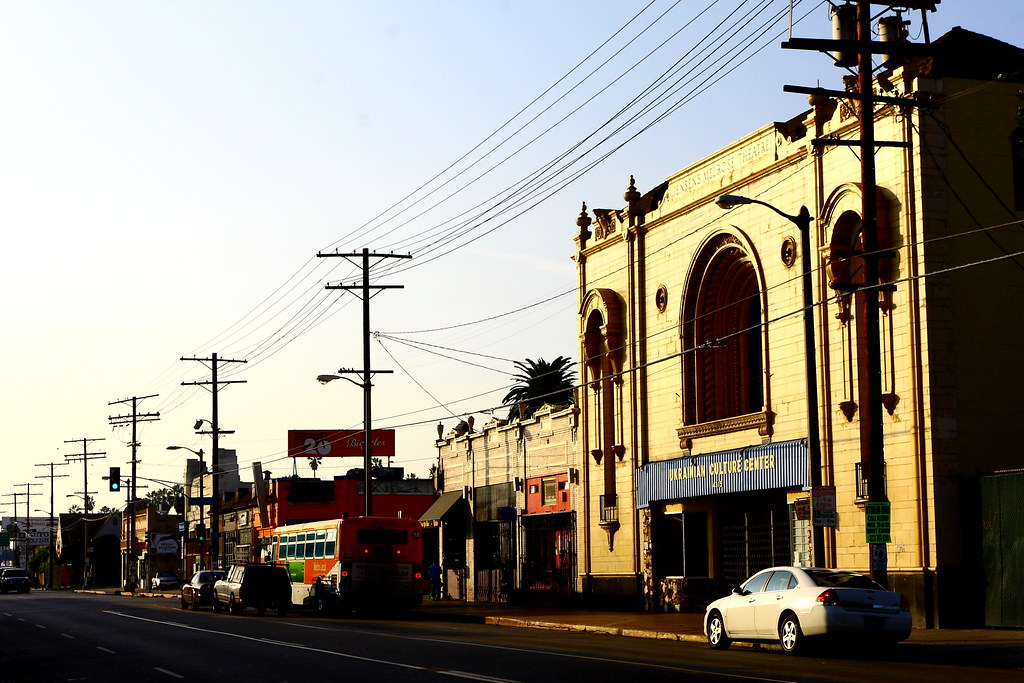
..South LA. Possibly the least understood and most stereotyped region of LA.

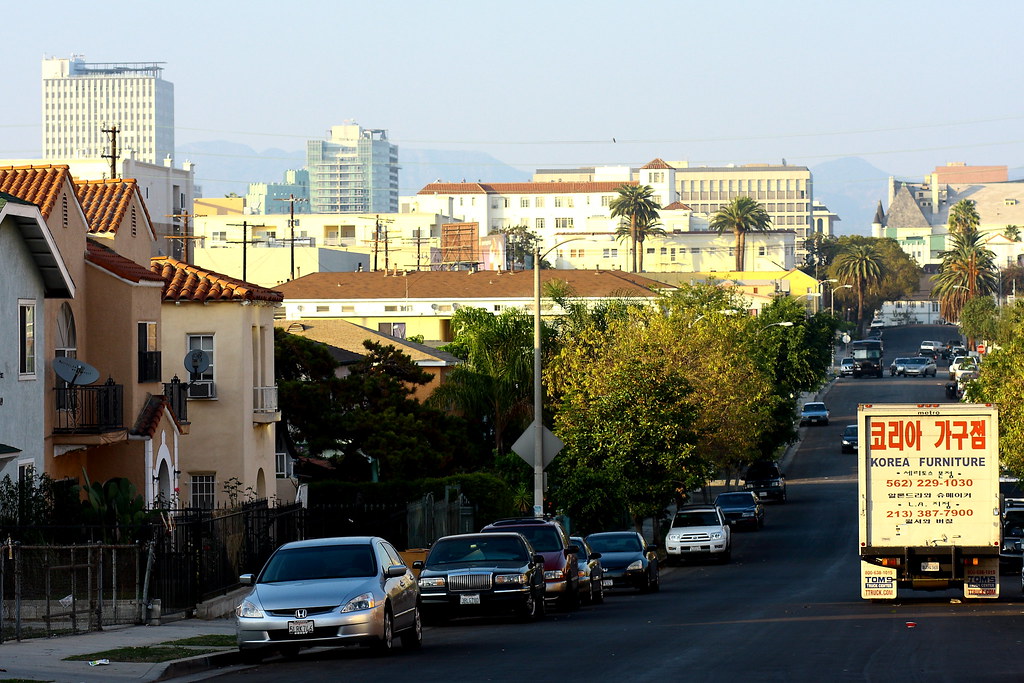
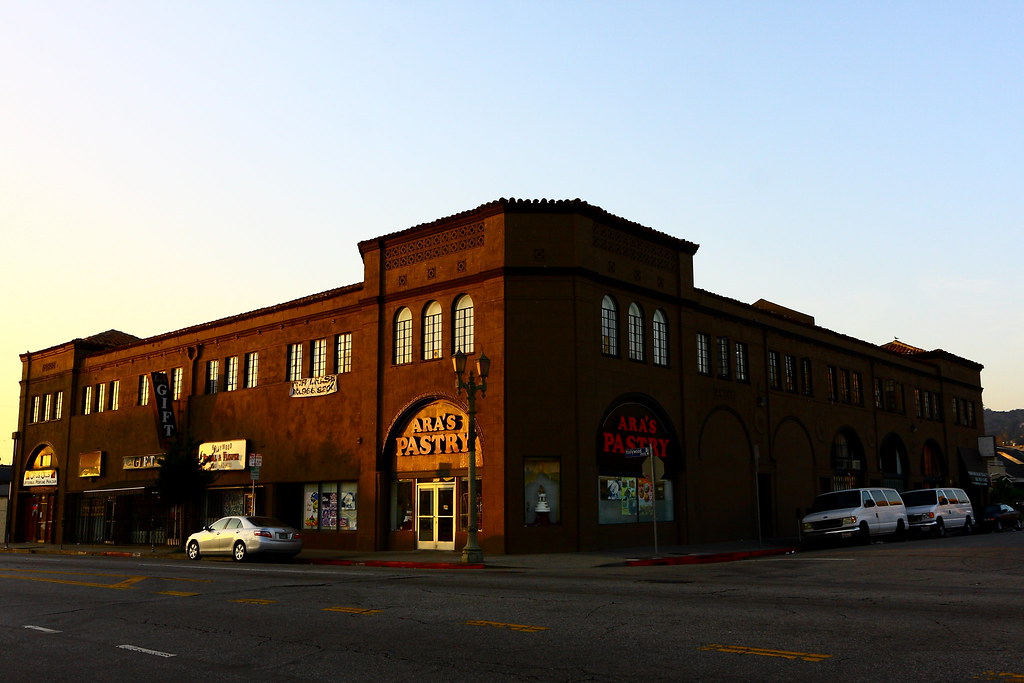
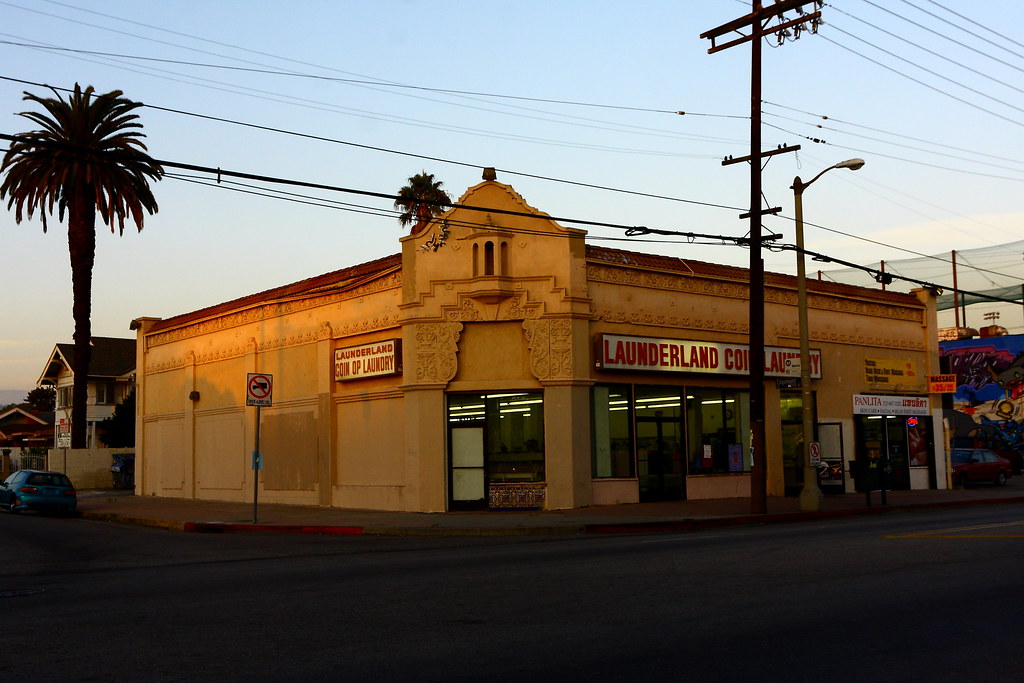
Home to several infamous neighborhoods, including, among others, Compton, “South Central,” Watts, and Crenshaw, it has come to be emblematic of American inner-city disarray. Paradoxically enough, I find the general area to be one of the city’s most fascinating and most overlooked. In order to get a better feel and to broaden my scope of the area, I’ve made numerous bike rides to the area over the course of the past few months. In doing so, I’ve found that if you’re willing to dig beneath, and eschew the overly-simplified and exaggerated generalizations of the area commonly portrayed by the media, you’ll find a highly underrated area, with killer architecture, real people and a vibe not found elsewhere.

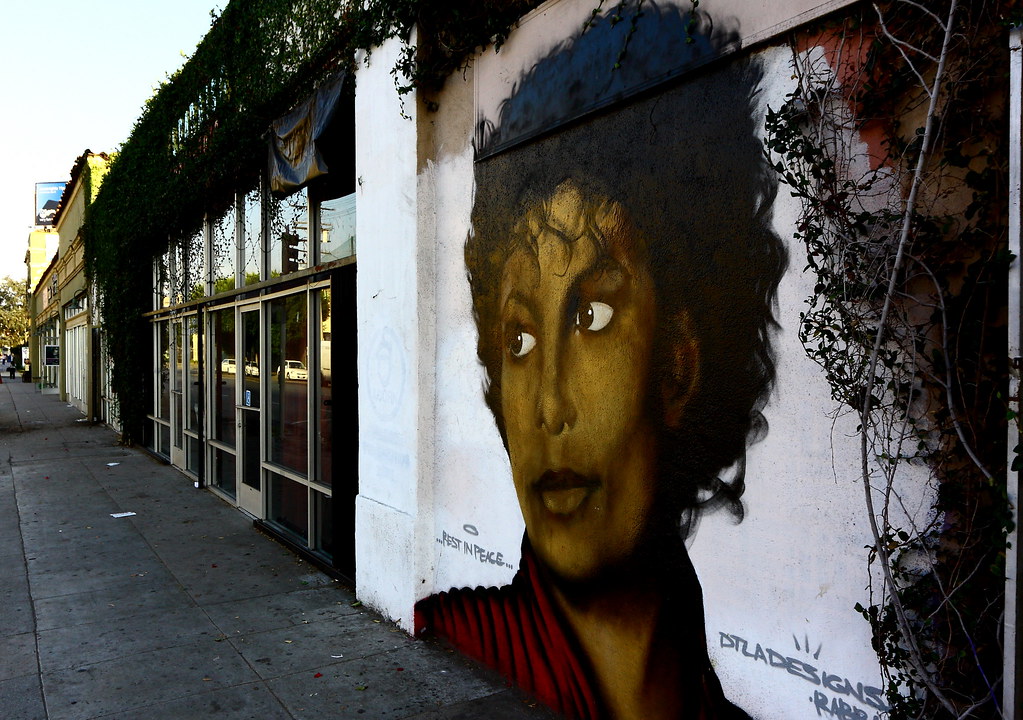
Vastly maligned, the area is one of the city’s most important, with it not only hosting a large swath of the city’s population, but of the area proper. More importantly however, is it played a major role in LA’s cultural scene, having made fundamental contributions to the city’s image and popularity. A handful of things come to mind, most notably those of the “urban” genre, with gangsta culture and music being perhaps the most visible. Though, to me, South LA represents and stands for things altogether different.

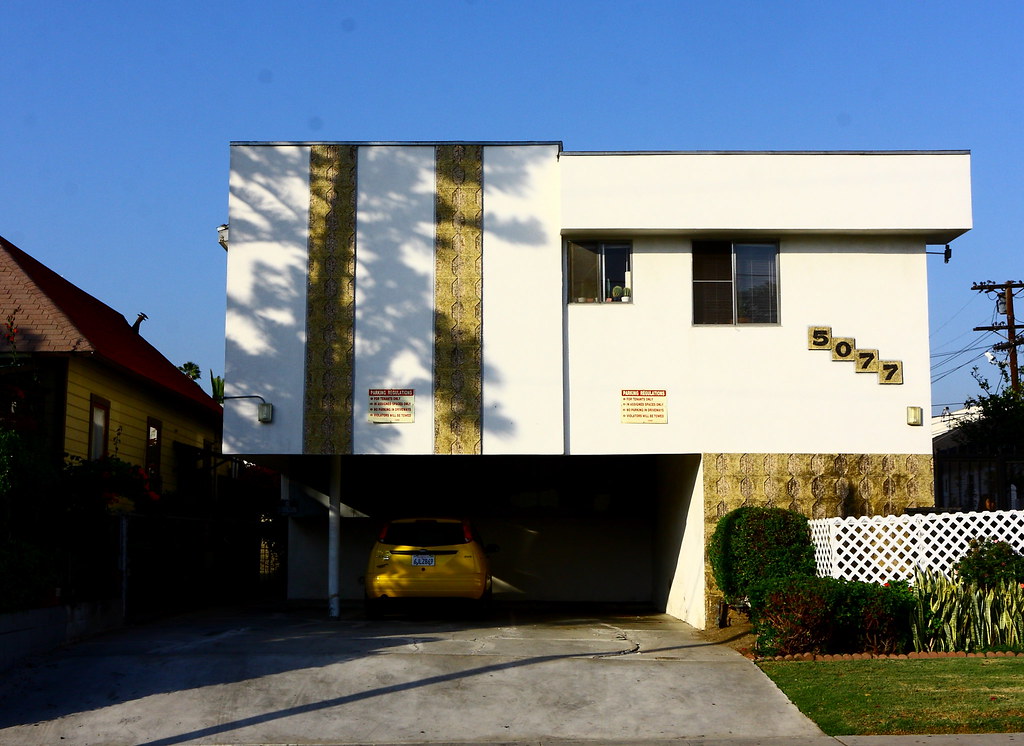
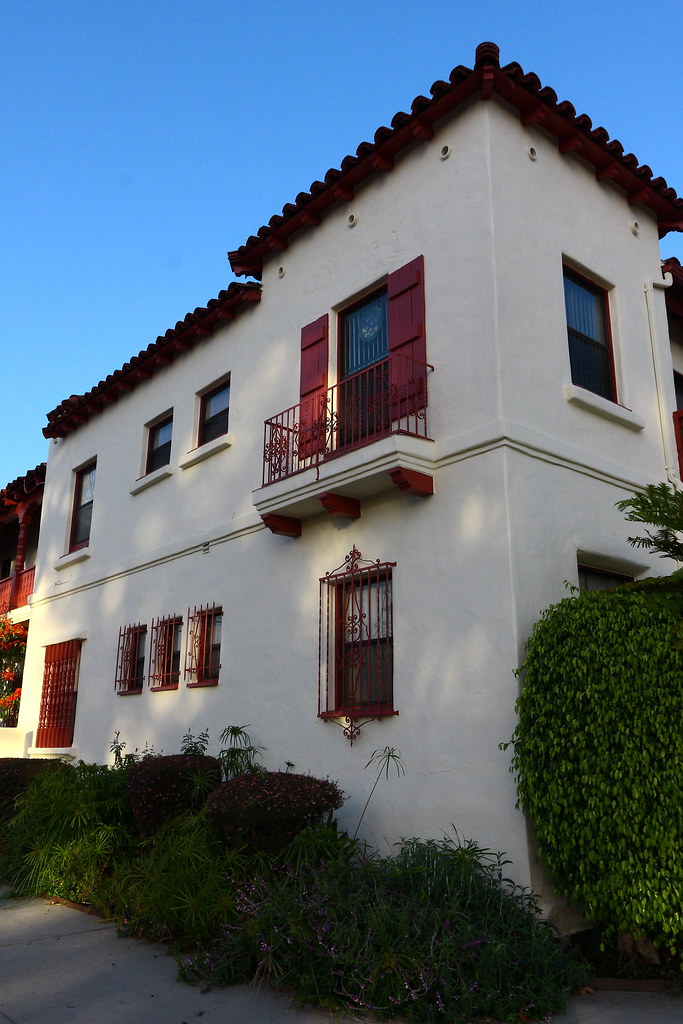
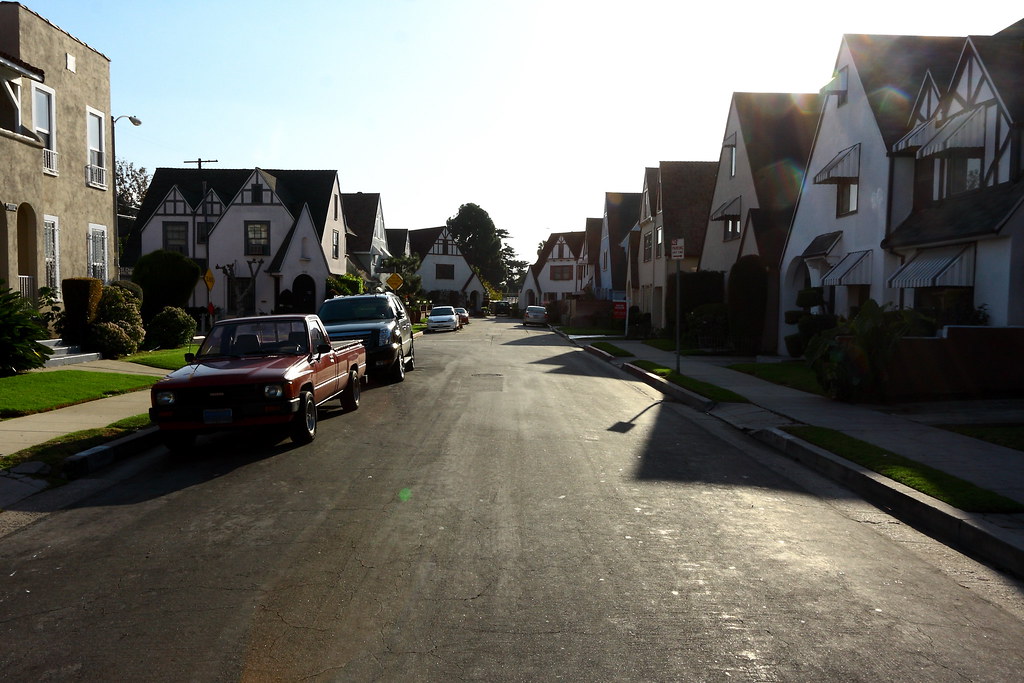
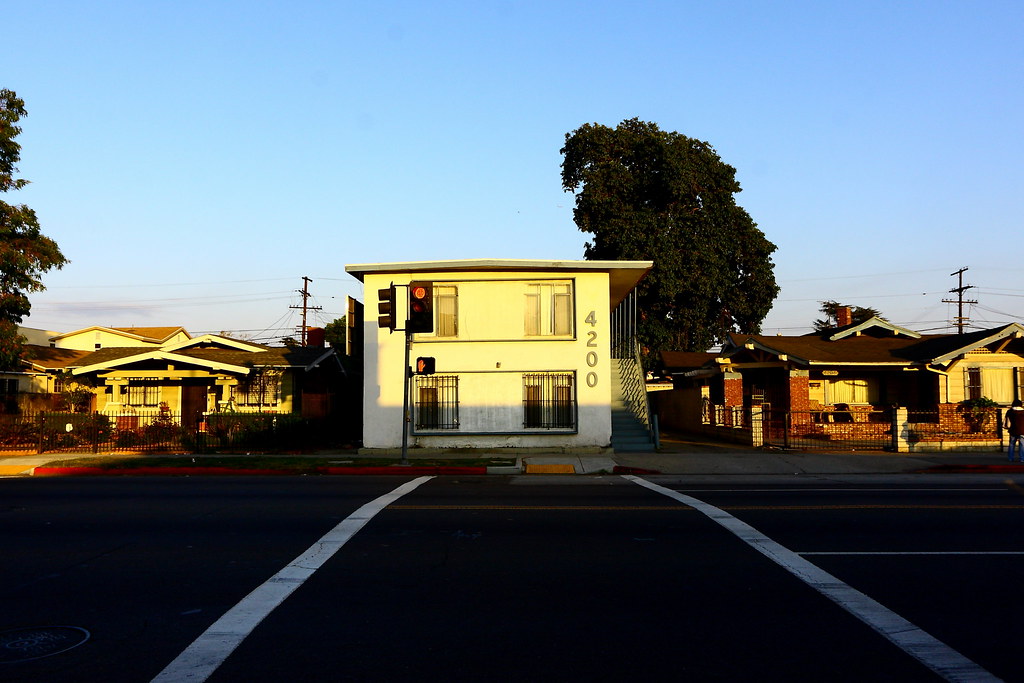
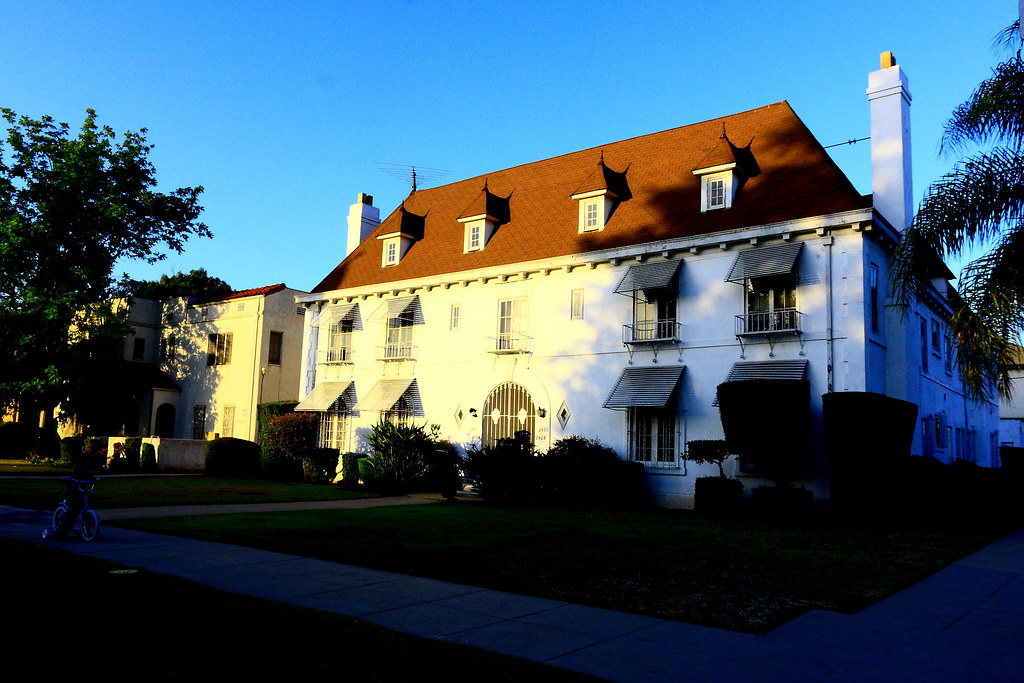
Architecturally-wise, it’s more or less like the rest of the city: extremely hit or miss, with no real defined cohesion. Comprised mainly of low-slung, 1-story houses, in Modern and other, post-WW2 styles; these tend to appear in greater abundance to further south you work go (Slauson seems to be the big N/S dividing line). Conversely, significant quantities of bungalows in the form of Spanish and Craftsman styles, too, exist – especially the closer to the 10 you are (King and up is a lovely). The latter culminates in the jaw-dropping, awe-inspiring mansions found in places like
West Adams, which, built for oil barons, actors and railroad magnates, represented the ultimate in Angelino opulence.

Of particular interest to me is what might just be LA’s most underrated neighborhood. Leimert Park. Yup. I have no clue why it isn’t a citywide hotspot right now, though, to be honest, I’d actually like to keep it that way. For one, it has one of the best collections of architecture ANYWHERE in the city, with lovely, intact rows of 2-story 1920s Spanish Revival duplexes and Art-Deco Moderne/Streamline apartment blocks. Lots of lush, tree-lined streets (Google streetview Degnan, 42nd St, Leimert, 8th Ave and Stocker, to name a few), the result of its well though-out and executed 1930s Olmstead Brothers master planning. Additionally, It has wonderful appeal and charm, and thanks to its stable, middle class black population, is not only well-kept, but was spared “urban renewal.”

And what would a blog post on South LA be without the wonderful – even if decidedly unhealthy – grub to be found in the area? Master Burger, Johnny’s Pastrami, Harold and Belle’s, La Taquiza, the Jamaican place in Leimert (Ackee Bamboo),M&M’s Soul Food, and the many, myriad BBQ places found in the area (Woody’s, Phillips, etc) are all stellar. Beware of the BBQ places, as they charge ridiculous prices knowing their captive clientele will never leave them. The only downside is riding you bike down a street like Adams and ending up smelling like catfish due to the preponderance of fish fries/markets on the street!

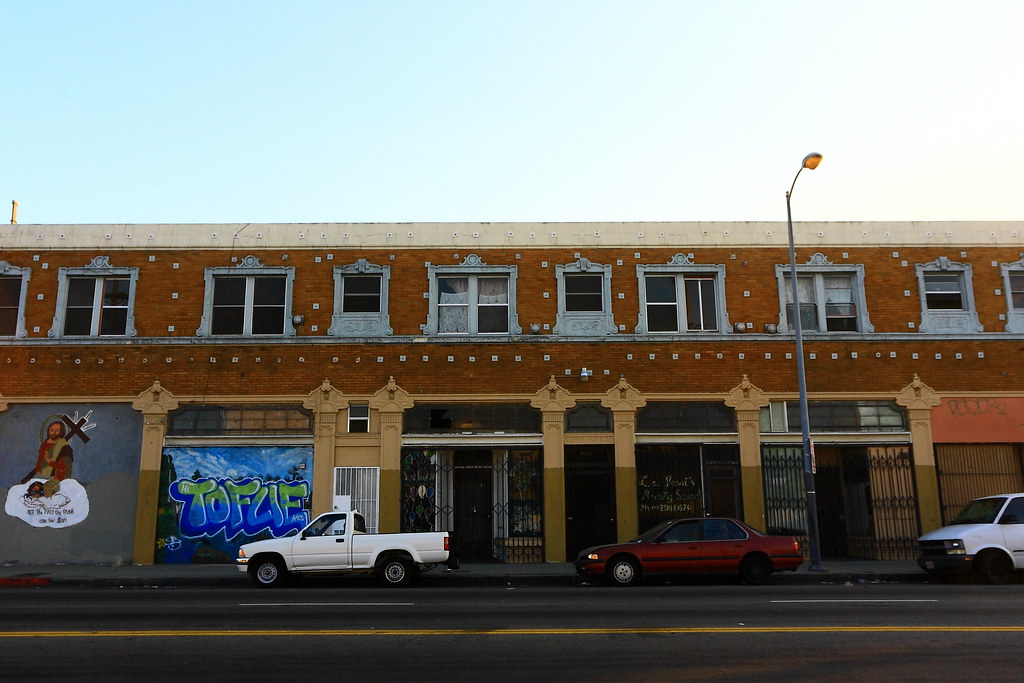
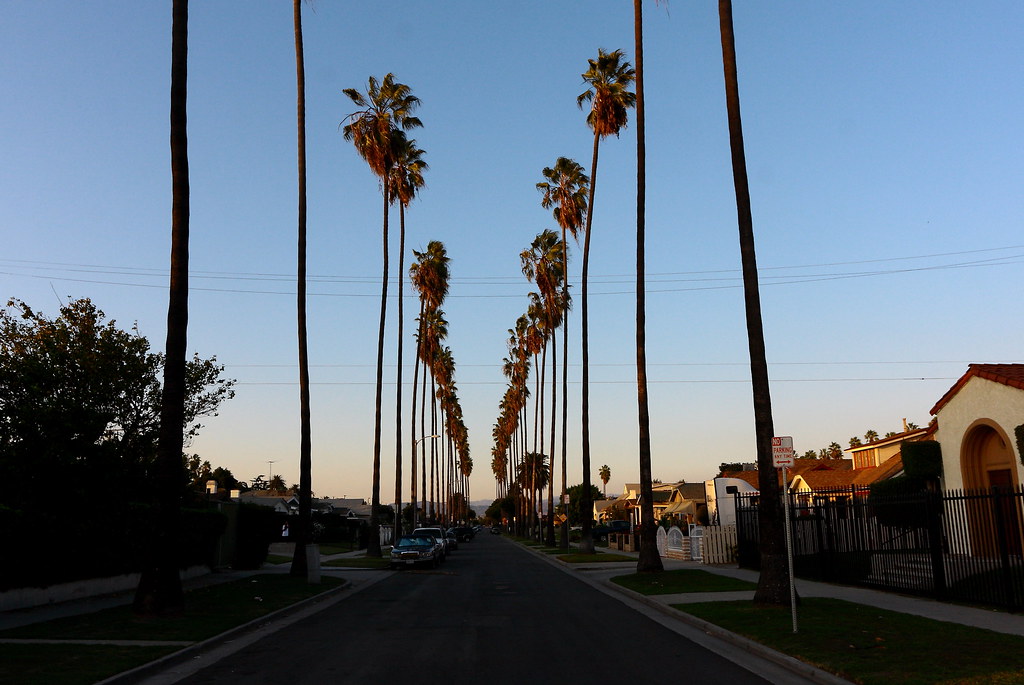
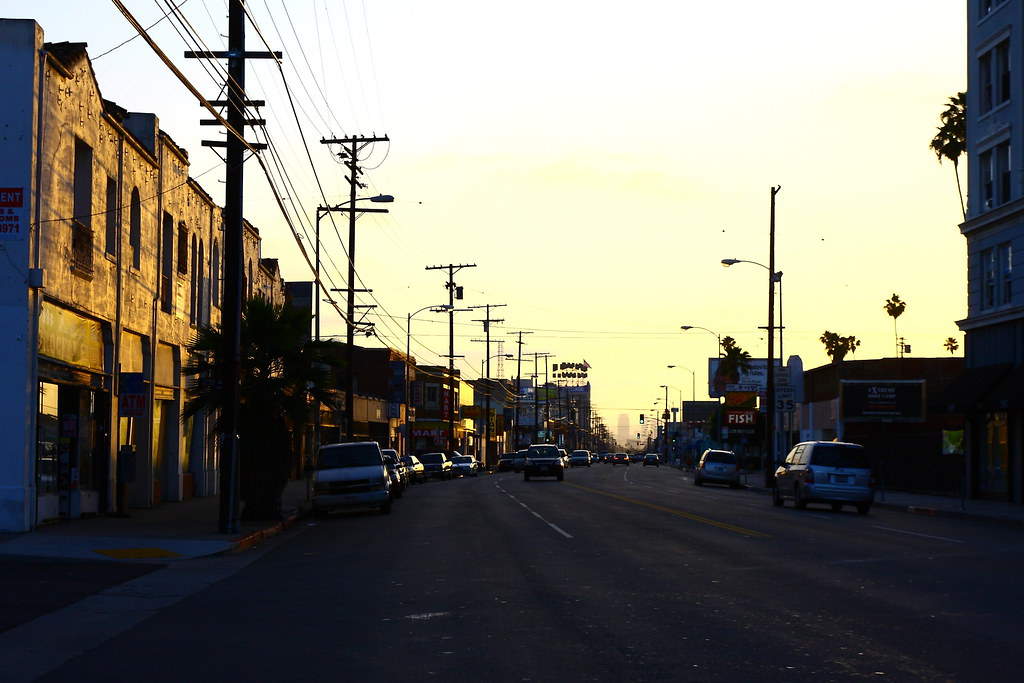
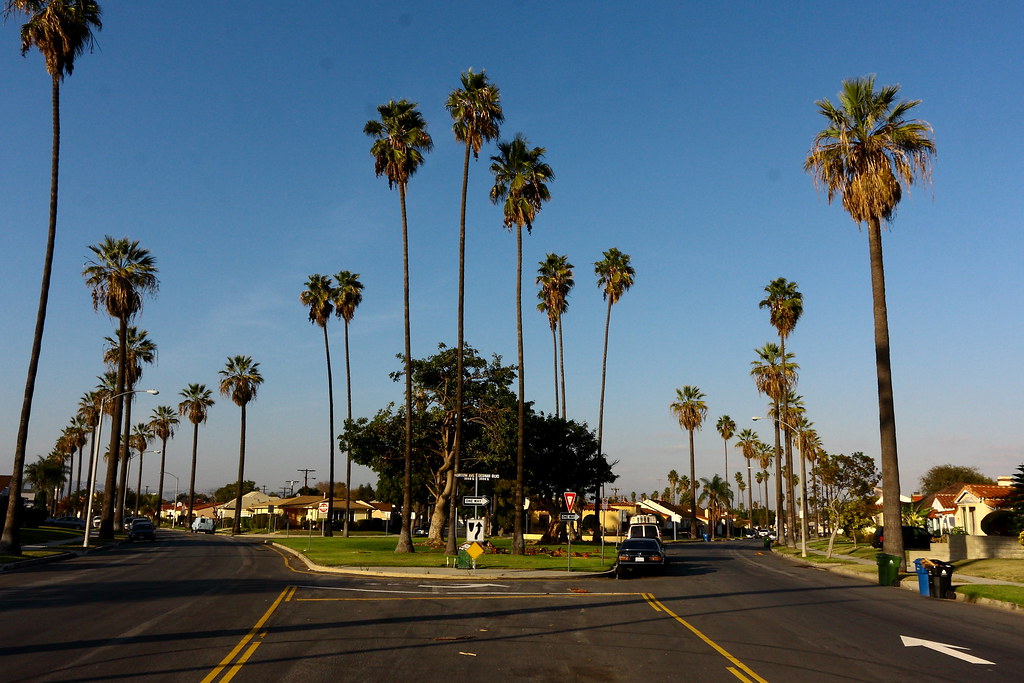
If anything, I feel that the area is, unequivocally, the “realest” in LA, even if simply because most of the non-superficial coastal attributes and features associated with the city were born out of this area. The “most” LA, if you will. Going by aesthetics and appearance alone the palm-tree lined streets, wood-frame architecture, its unique holy trinity of storefront churches – auto body shops – liquor stores, the asphalt/freeways and endless donut/hamburger stands are, in my opinion, about as LA as it gets. As stated before, it’s often misunderstood, and to the first-time outsider, it can even be unwelcoming.

However, if you’re willing to look over its seedy reputation, and check it out for yourself – with your own 2 eyes – you’ll quickly find it out is, in this day in age, a true diamond in the rough. Hurry up, though..on the heels of several crafty neighborhoods name changes (to make the area more palatable to newcomers), and with the property-hungry USC on the move, a new rail line opening this year, and yuppies fleeing exorbitant the rents north of the 10, it might not stay this way for long.




80 Degrees

Monday, January 4, 2010

It's always sunny in Southern California.

Broadway Dec '09

Sunday, January 3, 2010


Ktown, we meet again

Thursday, December 10, 2009

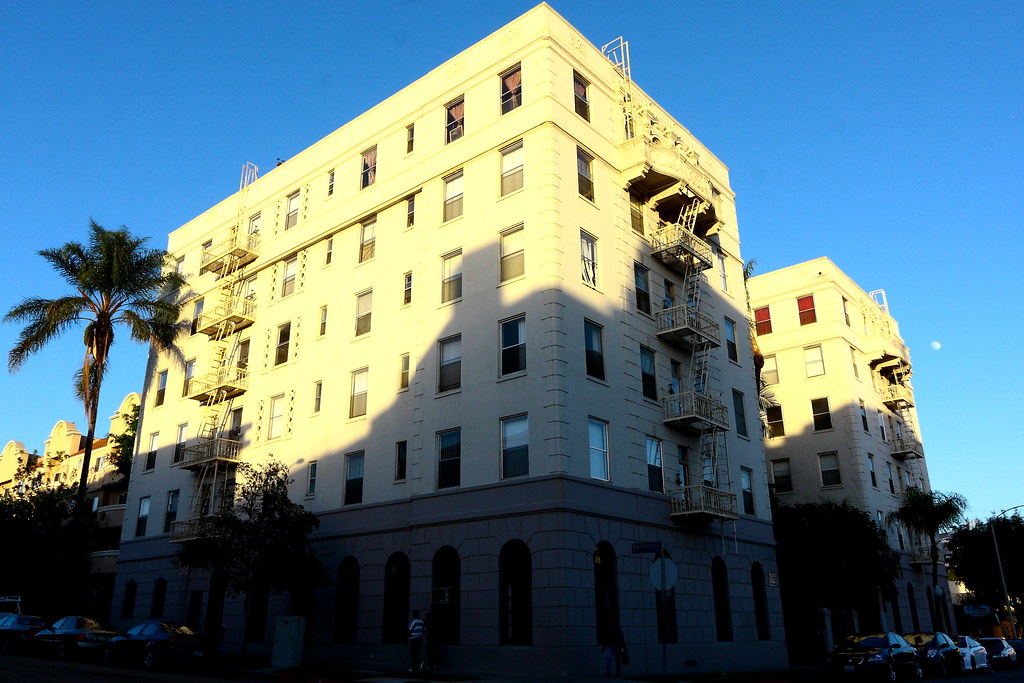
It seems that there is only so long I can go without posting, writing, or somehow mentioning my beloved Koreatown. Readers should know by know that Ktown (as it is colloquially referred to as) is as good as it gets on the urban front here in LA. Not only is the densest of the city’s many nabes, it is the crown jewel with regards to its often maligned architecture. I mean, for an Angelino, Ktown has got it going on!

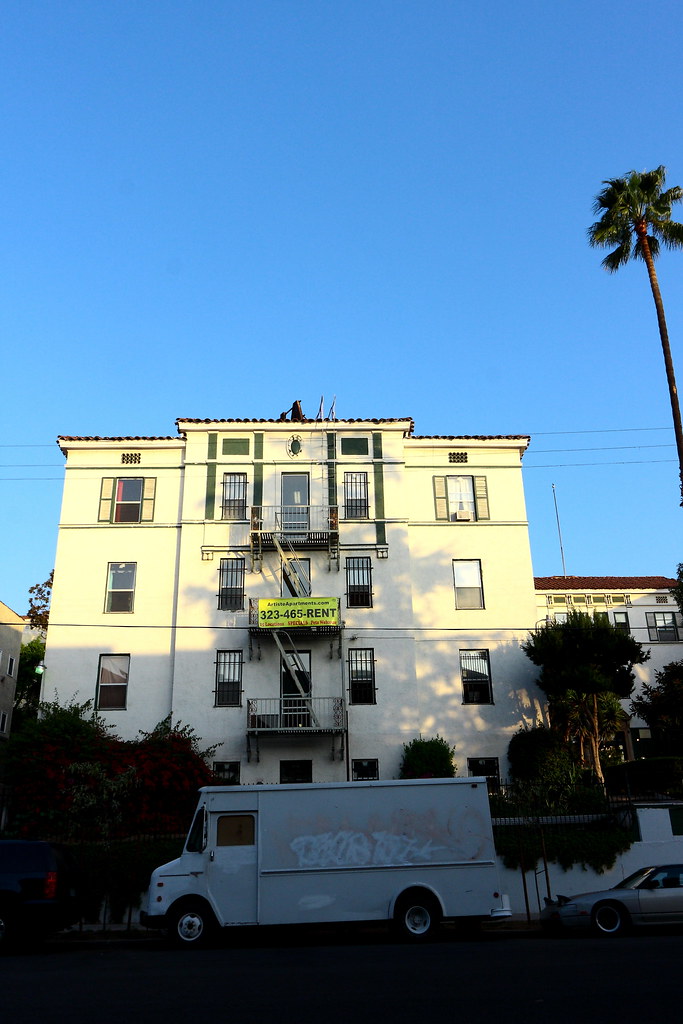
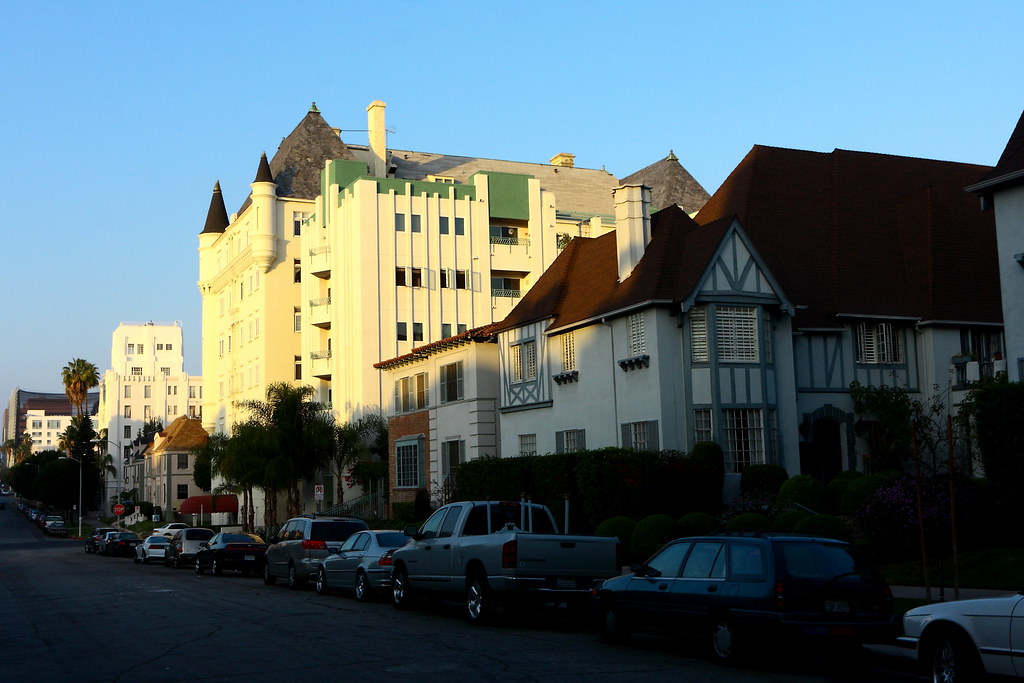
In a city so characterized by uninteresting sprawl and banal, suburban-esque developments, Koreatown, with its treasure trove of solid architecture, is something like a glimmering beacon of light. And even though its architecture quite literally spans the whole spectrum, I find much of the neighborhood to be stuck in a particularly romantic era: 1925. I know I’m getting carried away a bit, but it’s almost as the neighborhood is one giant prop for the Great Gatsby. The buildings, with their intricate detail and old-world grandeur and opulence, definitely bespeak of a bygone era.

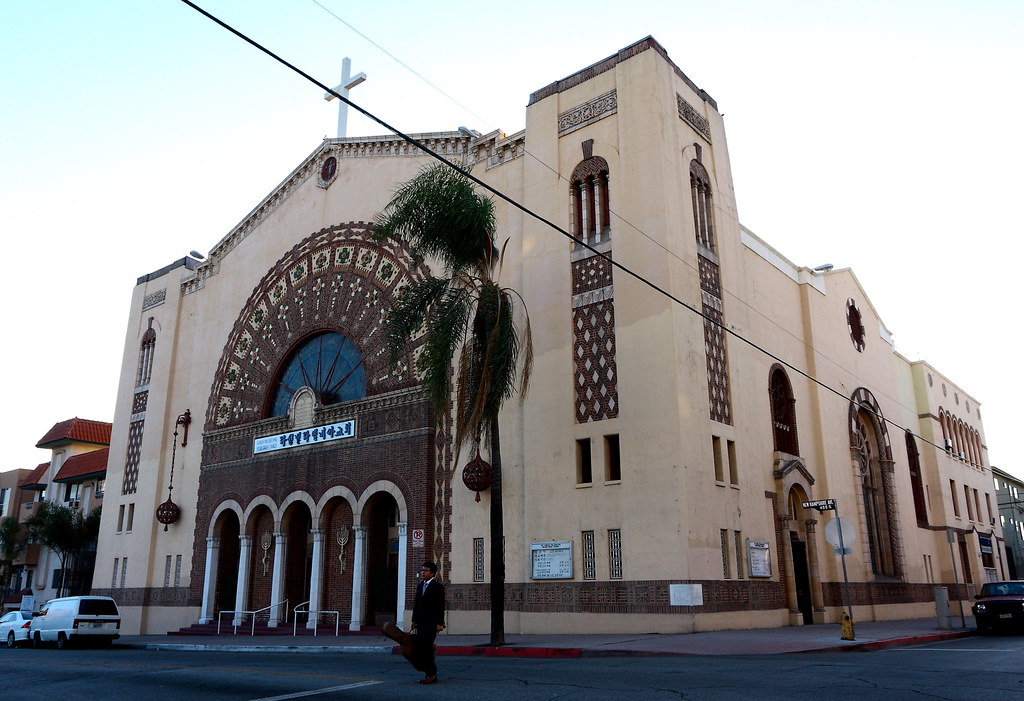
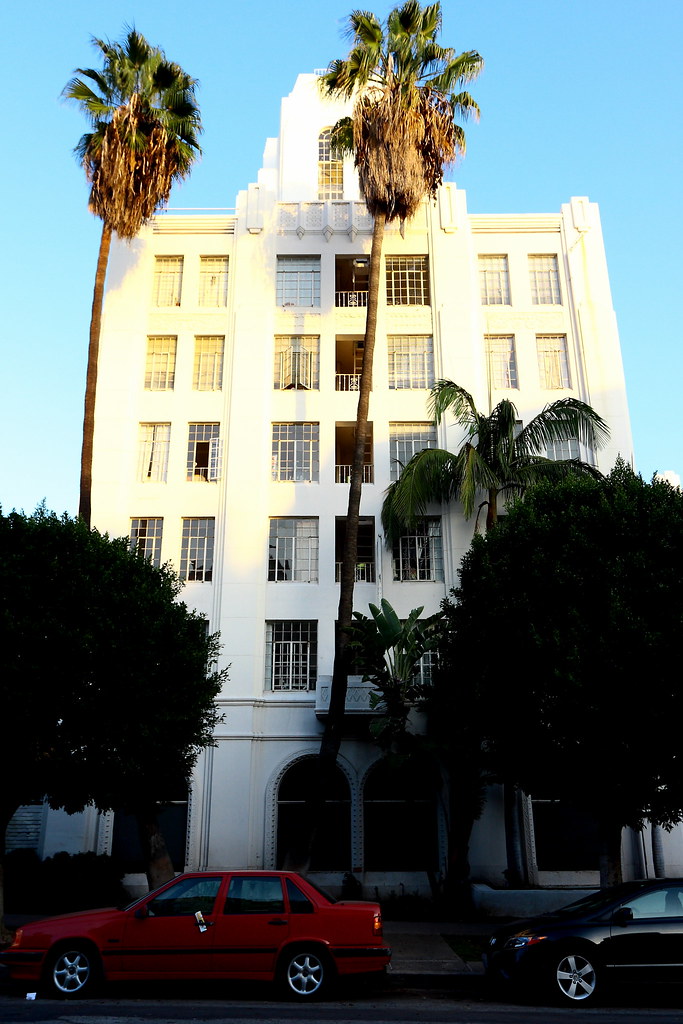
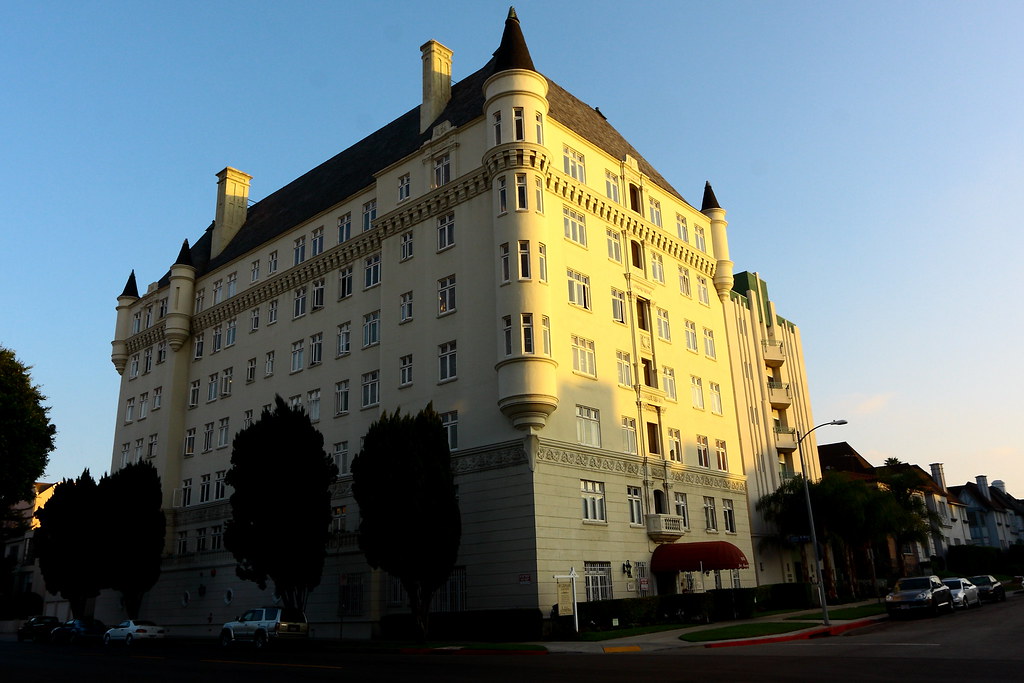
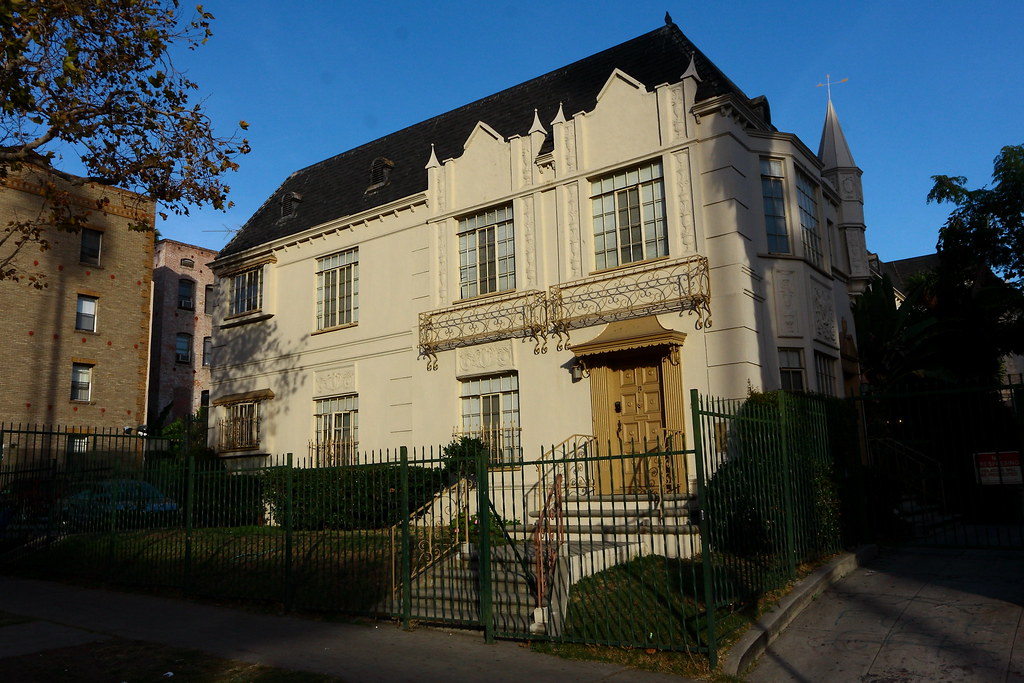
This area I’m talking about, New Hampshire and 5th, is one of many stuck in a 1920s timewarp. Anchored on one end is a prominent former Jewish temple – now a Korean Presbyterian Church – done in a splendid Mediterranean-influenced style of Art Deco. The other is a favorite building of mine, a gorgeous 1925 Neo-Classical mid-rise. I tell you, there’s something special about the balconies on it, man. Though balconies aren’t used much around these parts, during the sweltering-hot summers, it is not at all uncommon to see men perched on such balconies, wearing nothing but a wife-beater (literally, lol), enjoying a smoke in the cool evening breeze.

These kind of buildings, with their rich history only exemplify my previously-stated opinion that LA is a true polyglot city; one that is in constant flux. And amidst the architectural diversity is something I find very LA: the fact that no singly style prevails over another or really dominates the area – that ties into the whole polyglot theme. Kinda how the “Korea” in the Koreatown name is almost an anomaly, with the some 60% of the nabe being Hispanic (which is diverse in and of itself), but also having visible Bengali, Black, Filipino, Vietnamese and White populations.

Which reminds me, the whole Mid-Wilshire (along with Boyle Heights) was once Jewish. But that, too, changed as Jews attained affluence and sought new digs in locales such as the Fairfax District, Pico-Union and parts of the (Southern) San Fernando Valley such as North Hollywood and locales along Ventura Blvd. Case in point, the current location of the aforementioned temple is on a high-rise studded section of Wilshire Blvd in West LA often called the “Golden Mile.”

The architecture, on average, is from the 1920s-1940s (i.e pre-war in nature), and tend to be hallmarks of a time from when the nabe was once one of the ritziest in LA. Much of it is from the same era when women wore white gloves to catch the trolley and donned Channel suits meeting acquaintances for lunch at the park. The surrounding blocks are largely made up of low-slung French-Normandy houses, amongst other 1920s Colonial Revival styles. Also in the mix is a good-sized contingent of rather unattractive 1970s multifamily units, too. Regardless, the neighborhood in its current state is, uh, quite “different,” to say the very least.

Ktown, with its numerous personalities, colorful history, and extremely multifaceted nature, is a very LA neighborhood. Marked by no shortage of diversity and practically lurking with both intrigue and character, is is to no surprise that I count it among my favorites. And as far as urbanity in LA goes, having some of the densest census tracts outside of Manhattan, and one of the best collection of 1920s-1940 architecture in the Sunbelt, it should be a no-brainer.


the temple in mention:


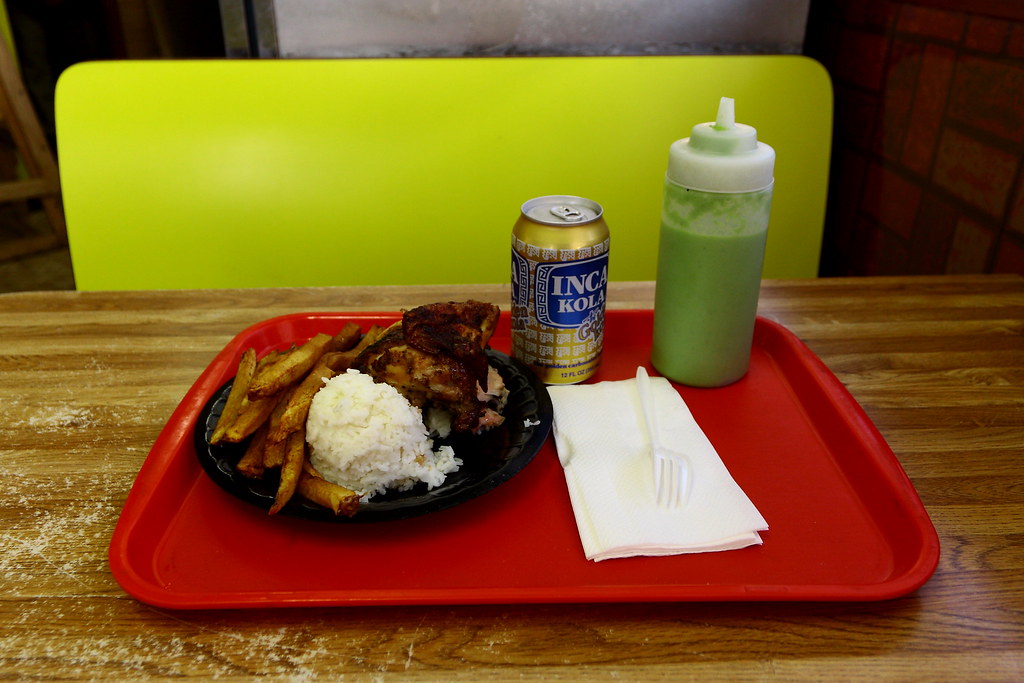
peruvian food..yum


Más Más Más

Thursday, November 26, 2009

...So, as of late, I’ve been quite busy with school. Lots of assignments, deadlines, projects, essays, etc, and the like. That’s not to worry, though, as I’ve been doing the work on time, and in an almost meticulous fashion at that. And the few instances when I haven’t been totally swamped with schoolwork, I’ve been up to my usual ways. Those are, of course, biking around ethnic nabes, eating ethnic food, “interviewing” locals, writing in my journal, and just in general, getting a better feel, grasp and understanding of my city. And it’s been working, too.

Through these long bike rides, along with me being the keenly observant and alert person I am, I’ve come away being much more knowledgeable about the city as a whole. As previously stated, I feel bicycle riding and in general, being a pedestrian, is by far the best way to create and fostering a true understanding of and feel for a city. Doing this, it’s as if I am seeing things at face value, and for what they are. Such rides are prime opportunities to discover the many nooks and crannies of this city – things people can’t see when driving by at 40mph from the comfortable confines of an air-conditioned car.

Admittedly, it is often the quest for tasty street food often leads me into off-the-beaten-path nabes. Or, at the very least, those that are “different.” Notable amongst the treasure trove of nabes I’ve visited lately are East Hollywood, of which I refer to as EHO, and the refreshingly 3rd world Westlake, which I’ve designated “El Barrio.” These places, with their pre-war aesthetic, large immigrant communities and undeniable urban vibes, strike me as quintessential LA nabes. (I’ve been in South LA, aka South Central a lot, too..but that’s for a post in and of itself)

EHO…what can I say? It’s incredible. First and foremost, it is one of LA’s most diverse places, bar none. Its United Nations-esque mix of Mexicans, Salvadoreans, Thai (with a “Thai Town”), Armenians (a “Little Armenia,” too), a bevy of Ukrainians and Russians, and a smattering of hipsters and yuppies, is one of the most potent I’ve seen, anywhere. The said mélange of groups provides ample opportunity to immerse one into foreign cultures and their respective culinary traditions, of which I feel is perhaps the best one to truly explore a culture.

And as for its architecture and housing? It’s all over the place, quite literally. The styles run the whole spectrum, with the standard pre-WW2 architectural trinity of Spanish, Tudor and Craftsman, but also a rather large contingent of 70s Dingbats and other, minimalistic styles. If you look hard enough, there are a few gems to be found, especially north of Hollywood Blvd, as the nabe was obviously once quite affluent. My favorites are the random beaux arts buildings you find looming over unassuming, low-rise city blocks. There are few things better than riding by at full speed and smelling, hearing, absorbing and taking in the various sights, sounds, and smells of this polyglot neighborhood.

Though, what I like most about EHO is that, despite it carrying the infamous and world-renowned Hollywood name, it is nothing like its namesake sister portrayed in the media. It’s almost as if its Hollywood’s darker, much more sinister twin. If anything, with its gritty character and nature, rich wealth of diversity and culture, and unabashedly “raw” urbanity, it shows that beneath the glitz and glam (in LA), a real city, where real people exist.

Now for El Barrio. Man, I don’t even know where to start. It is, without doubt, LA’s most urban nabe. Seriously, where else do you have Manhattan densities in 3-4 story 1920s walkups? LOL. Coming in at over 95% Hispanic, its, uh, hardcore Hispanic, primarily Salvadorean, but with pockets of Oaxaqueños, too. Incredibly impoverished, with the average income hovering 3x below that of the average Californian, the bulk of the businesses are, unsurprisingly, low-end and geared towards Salvadorans and other Hispanics; pupuserias, 98 cent stores, immigrant health clinics, SRO's/"hotels", various mini-markets and discount clothing outlets (the kind selling 10x socks for a dollar), etc. and the like.

Westlake is a place where real, urban interactions are commonplace and influence many aspects of life. With its myriad vendors, flourishing sidewalk culture and sheer number of people outdoors walking around, its street culture is unrivaled. The buildings are amongst the best in the city, as Westlake was once a popular haunt for the moneyed, and the crème de la crème of 1920s LA neighborhoods – which, of course, is something made rather clear in the attention to detail in these buildings. It’s almost unreal. The crowds watching fútbol, the persistent buskers hawking fake ID’s and passports, the loud cumbia and punta music blaring from storefronts and 1990s Asian hatchbacks (replete with rosaries and El Salvadorean flags hanging from the rear mirror), as well as the fact that English is spoken so infrequently, that it stands out, all lend it a decidedly 3rd world vibe.

Despite its current gang/drug-addled nature and dire poverty, the nabe has made significant changes in the past 10 years alone, especially with regards to reducing crime and gang presence -- the visible forms of them, anyways. That said, the future is probably the brightest it’s even been, though that and other changes are contingent on current strides continuing. IMO, Westlake is poised to become the next big neighborhood, due to its awesome mass transit access (2 train lines), the most grand park in the city (MacArthur Park), the most charming and ornate housing/building stock in the city: its preponderance of pre-WW2 masterpieces, and lastly, its walkability/human-scale/street vibrancy and build form. Not to mention that you could, uh, walk to work in Downtown. Interestingly enough, even in its current form, many people romanticize its ‘Latin’ vibe; the music, people playing soccer, the illegality, noise and dirtiness of it all.