Channeling my inner Omar Little: visiting Baltimore

Monday, October 10, 2011

Last week, after previously only having passed through, I finally visited the Maryland port city of The Wire fame. And I like it. Superficially, it has the raw, edgy, post-industrial feel I find beneficial to my photography, heaps of kitsch and, compared to Washington, drastically cheaper prices. As cliché as it sounds, it feels like a real city, for real people. The Salon sums the city up best, calling it "equal parts kitschy, sketchy, artsy and weird." Plus, it has the added benefit that, if all else sucked (which it doesn’t), I would at least have the possibility to walk around, pretending I am in a real-life version of The Wire.

Despite having a smaller population, it feels much larger than Washington. I primarily attribute this to its sheer size, but also to its skyscraper-having waterfront and downtown, and, the presence of heavy industry in the city. Indeed, prior to suburbanization and white flight, Baltimore boasted an impressive 900,000 people. The culture is much-less transplant-y, too. For instance, all of the sports teams flags I saw were for Baltimore teams - not like DC where Auburn, Ohio State, and Florida flags dominate. Even the culture feels unique; Baltimore-only foods like “laketrout” and pit beef are prevalent, and people in the city’s Northwest use the word “hon” extensively and with affection.

The (actual) Harbor area was nice - especially the relaxed, under-the-radar Eastern portion, with its balanced mix of residential lofts, and still-operating industrial/naval uses. In particular, I enjoyed sitting along the docks, taking in the tranquil, almost idyllic scenes. And reflecting on Frank Sobotka. RIP, Frank Sobotka.

On the topic of Frank Sobotka, Fells Point, the area depicted in Season 2, was a personal favorite. Its upper portion is a decidedly blue collar neighborhood of low-slung formstone rowhouses, Spanish-language menu taquerías, auto-body shops, and un-ironic thrift stores. The lower, coast-hugging portion is more developed and gentrified, with beer gardens, loft conversions, spendy gastropubs, and trendy, wharfside restaurants selling locally-sourced seafood. Surprisingly, the former center of Polish Baltimore does a good job balancing the old and new. I still find it bizarre, though: old turn-of-the-century buildings, complete with Polish engraving and insignia, functioning as Mexican botánicas and wire transfer businesses. I liked the vibe there.

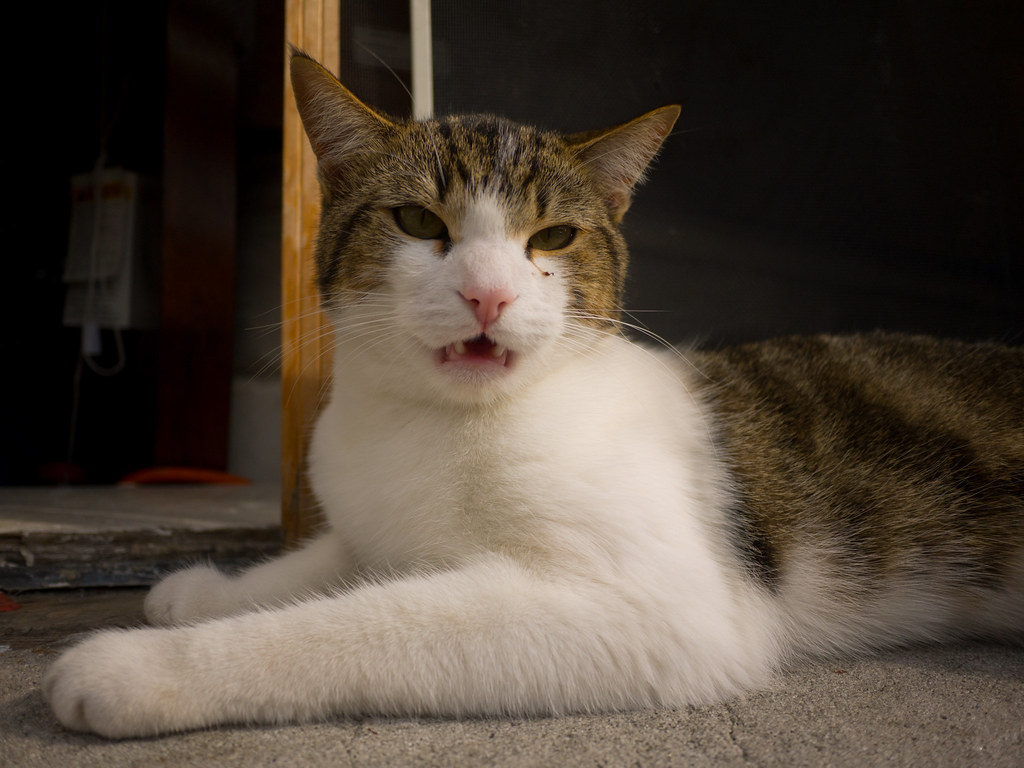
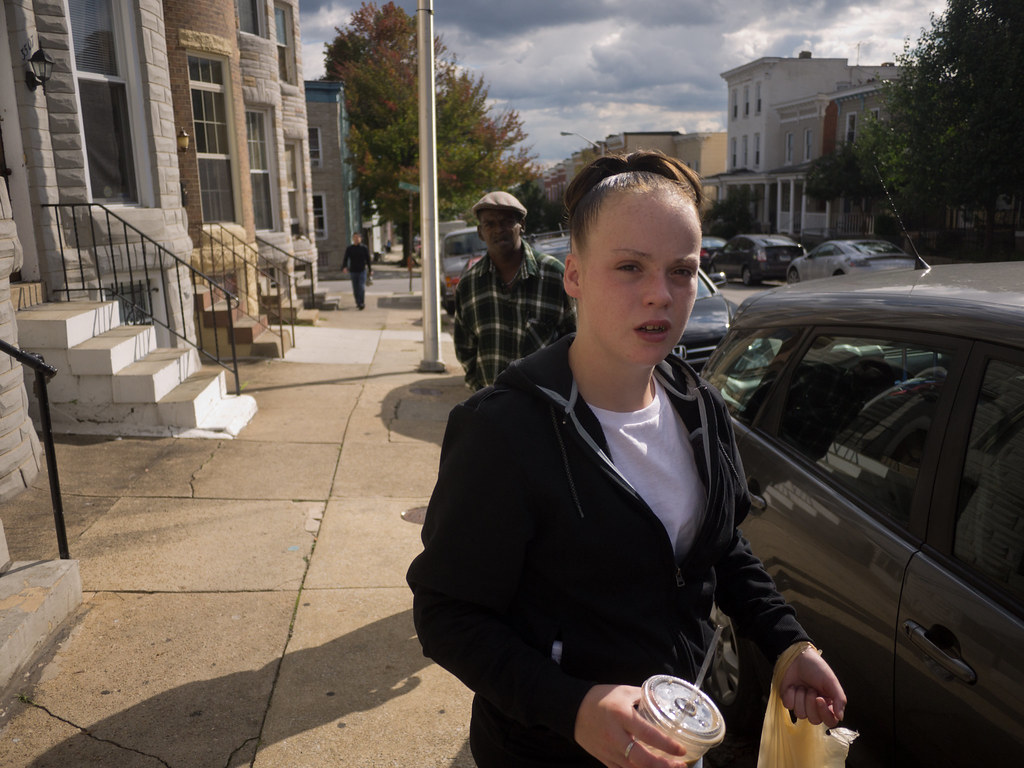
It is the city’s kitschy aesthetic that most amuses me. The unintentionally hilarious store names, over-the-top Halloween and yard decorations, and amusing, if patronizing, street characters. And, of course, the random, feral cats milling about on rowhouse windowsills. Too, I cannot forget the hard-nosed, no BS, DIY men, who, from their stoops, greet passerbyers and keep an eye out for crime.

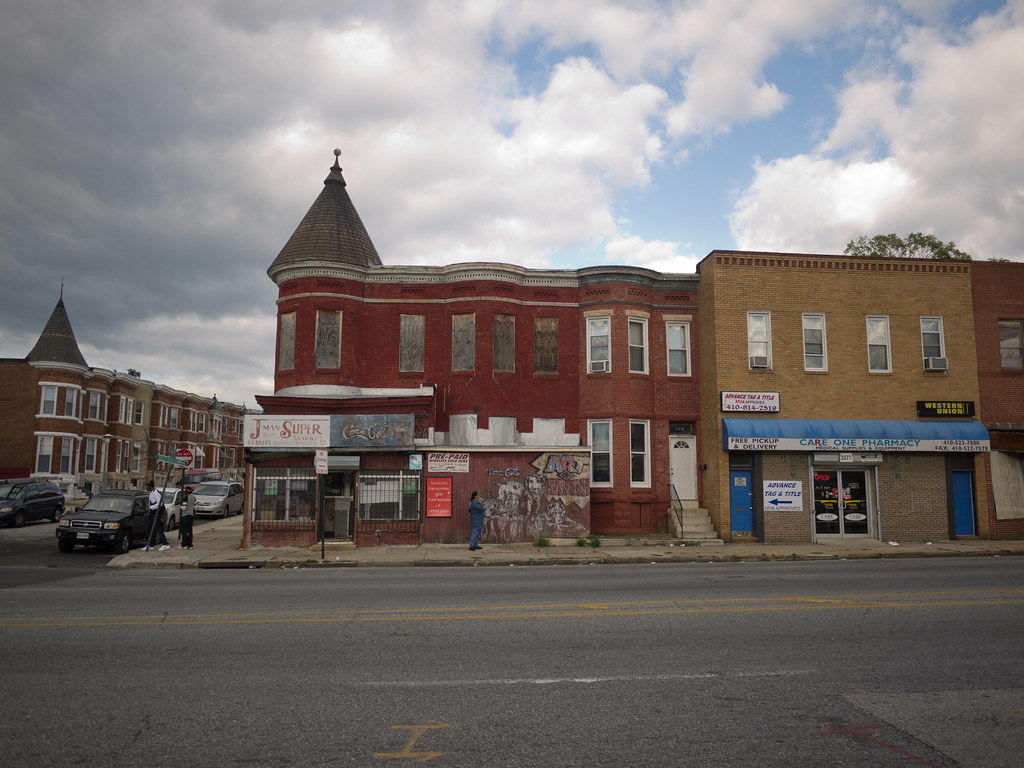
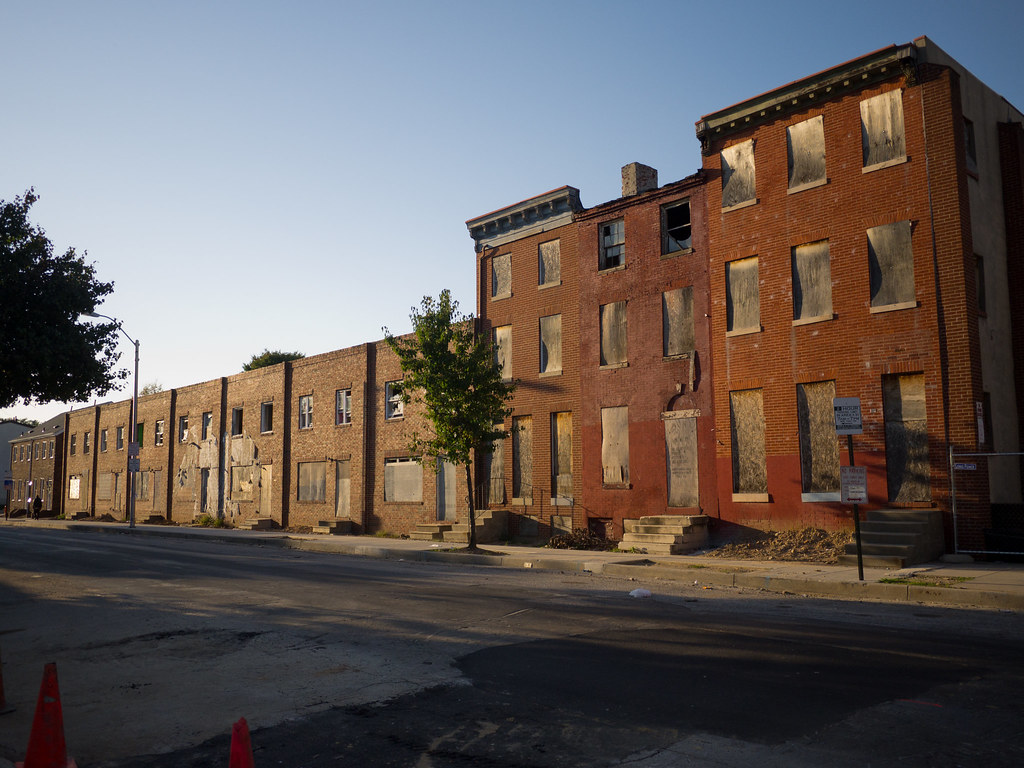
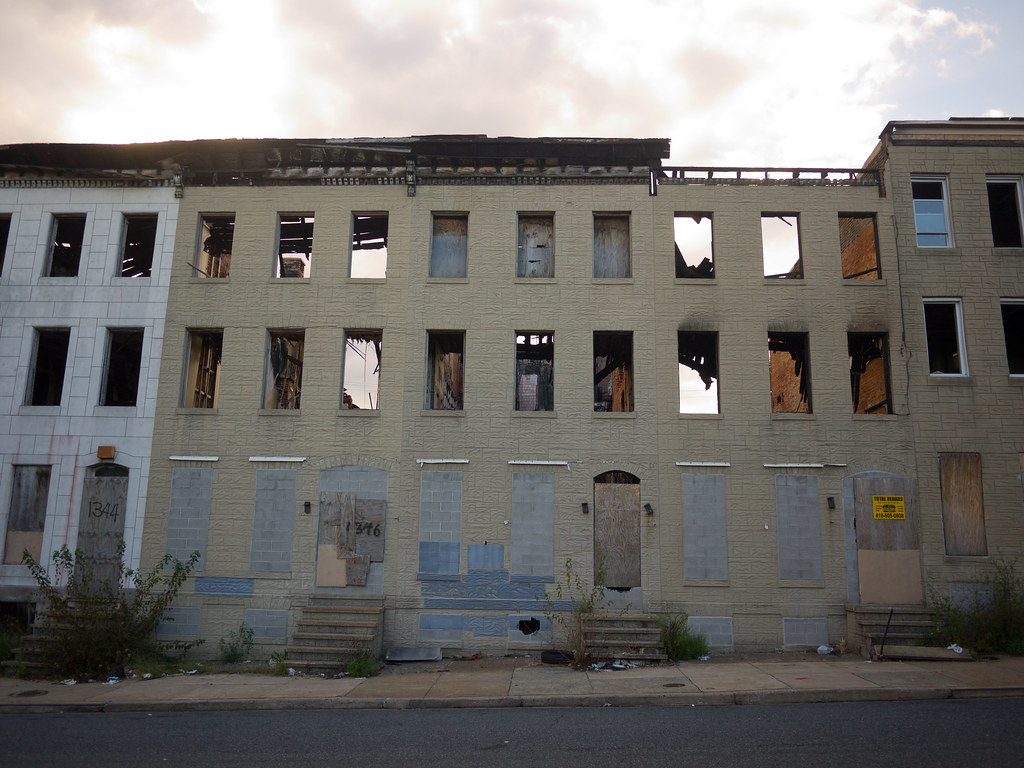
The city’s infamous, plentiful ghettos, however, are as bad you as probably think they are. Walking along Druid Hill Road, upon crossing the Mondawmin Mall, I definitely knew I was in Da Hood. The landscape abruptly switched from weathered, but still occupied rowhomes, to all-out abandonment; homes with burned-out roofs, hallowed shells, and structurally-unsound facades. It went from old-timey, working class ethnic whites (Irish Catholics, mainly) doing yardwork, and hanging out in dark, hazy, crappy domestic brew-serving bars illuminated by pinball machines and jukeboxes, to little Michael’s and Bodie’s hanging in front of bulletproof, Korean-run liquor stores and shuttered storefront churches. I felt like I was in the Twilight Zone: I would walk on a seemingly empty block, only to see men pour out of alleys, and curtains flutter as I passed by. In many of these ghettos, I wonder if at all there is a government presence. Lawless, all-but abandoned, and full of despair, it sure didn’t feel that way.

I will be back, though!
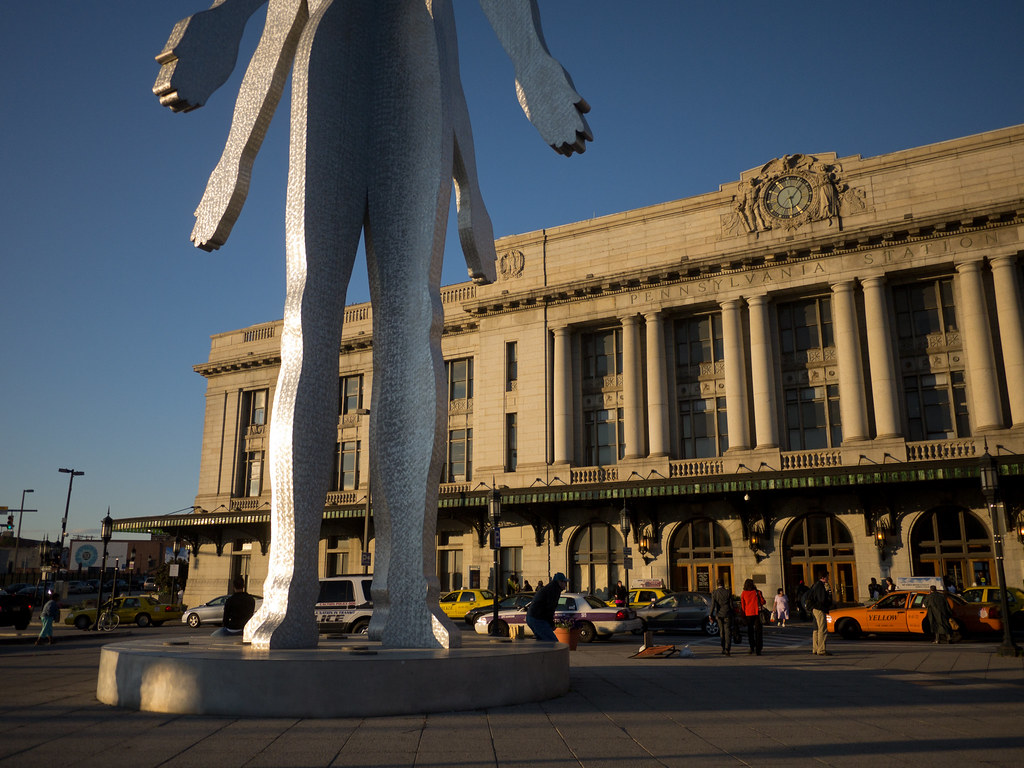

Penn Station
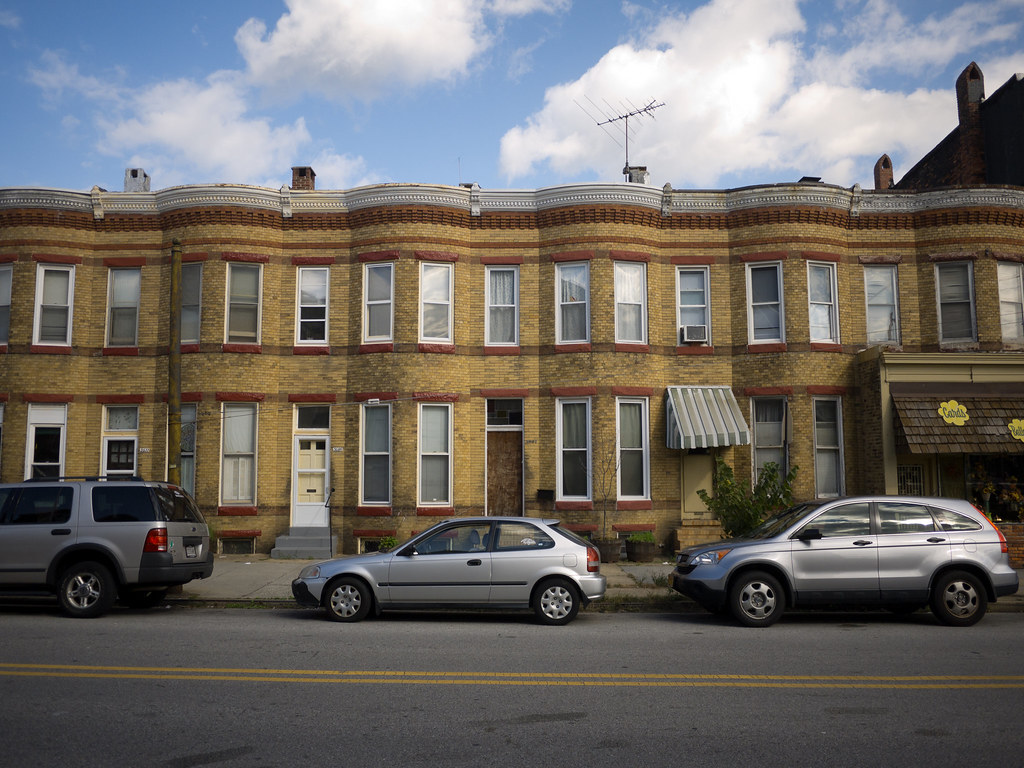
Rounded rowhomes, Hamden
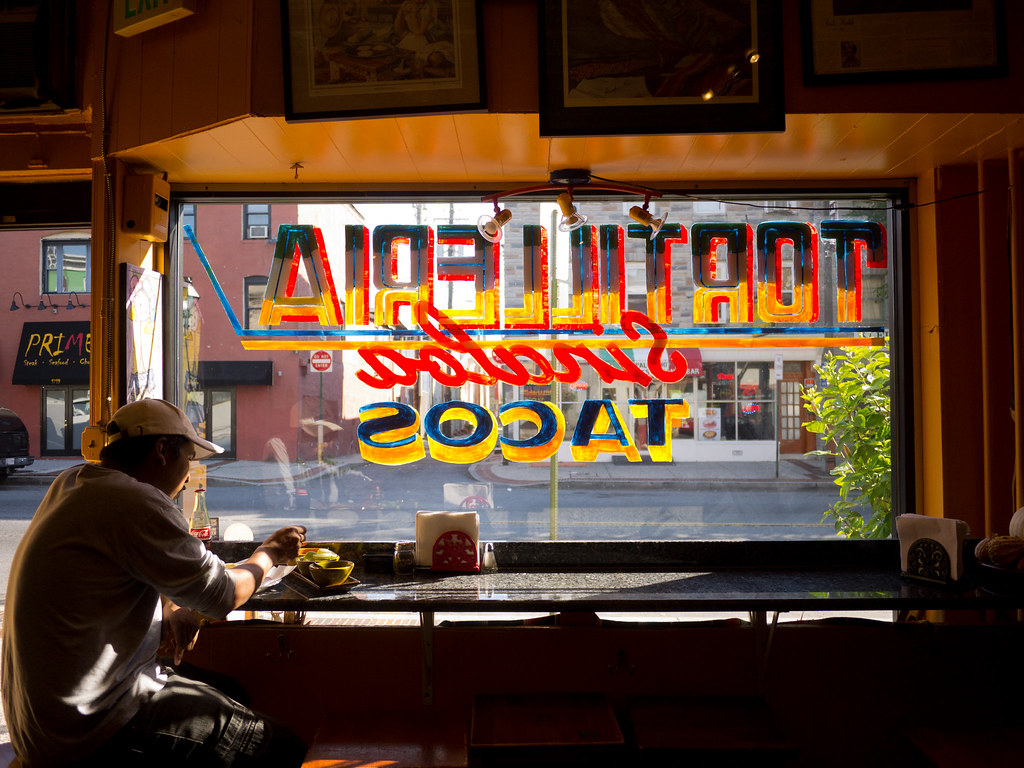
Tortilleria Sinaloa, Fells Point
Tacos de res
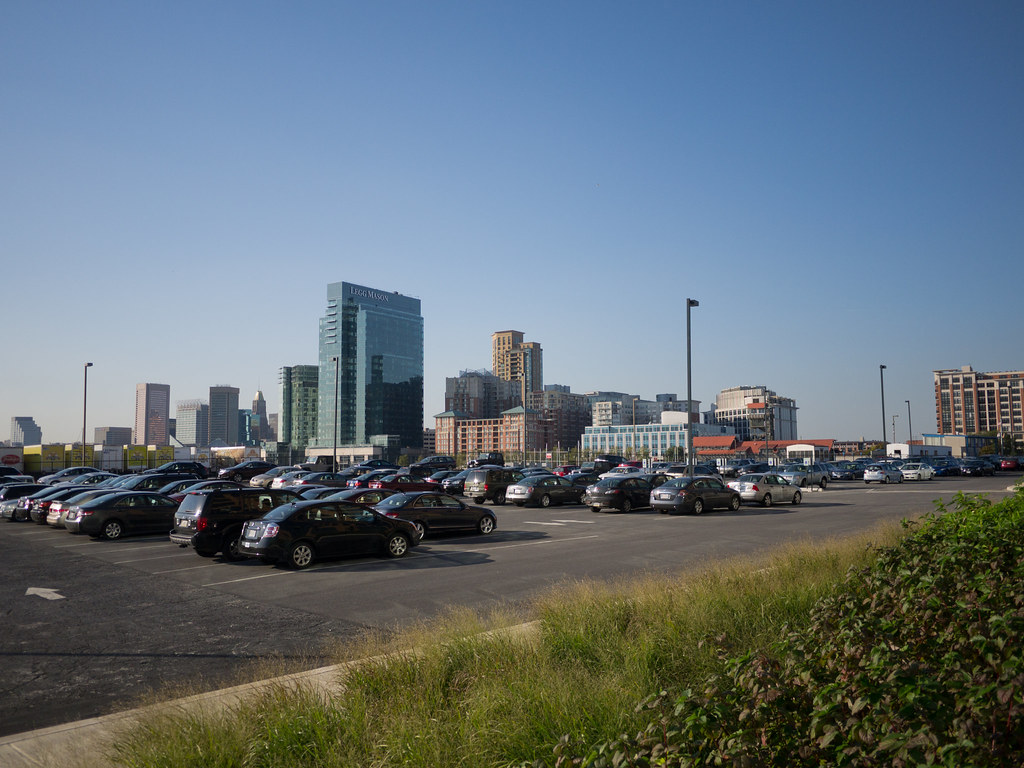
View of Downtown Baltimore from Harbor East
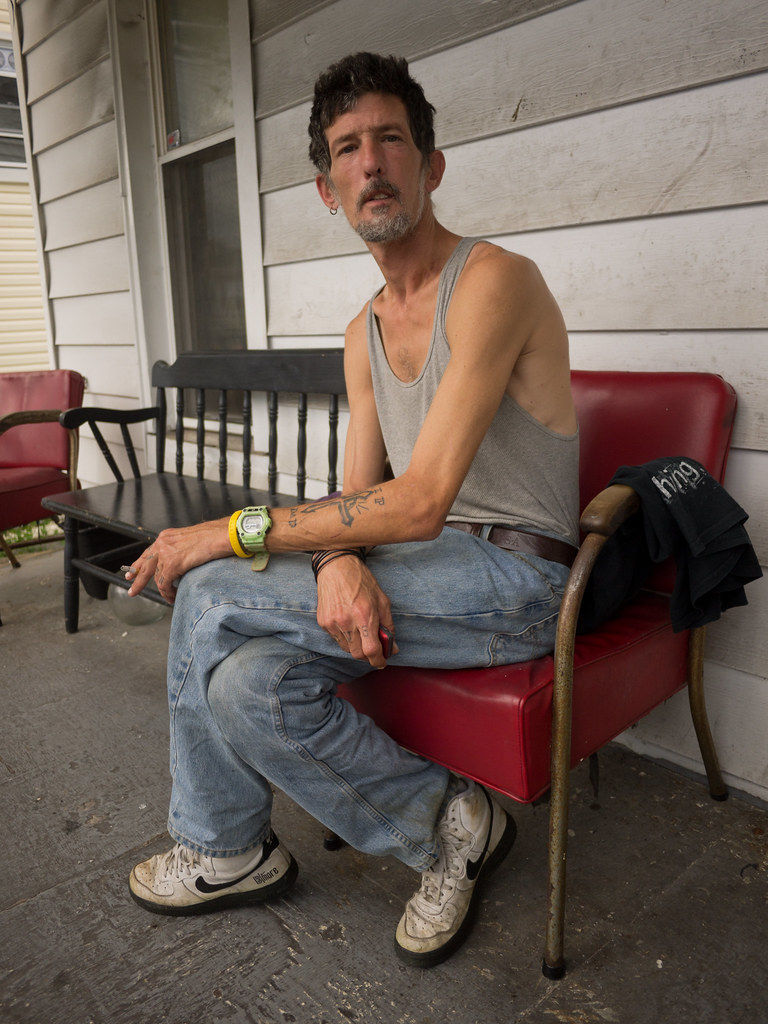
Fred, Wyman Park
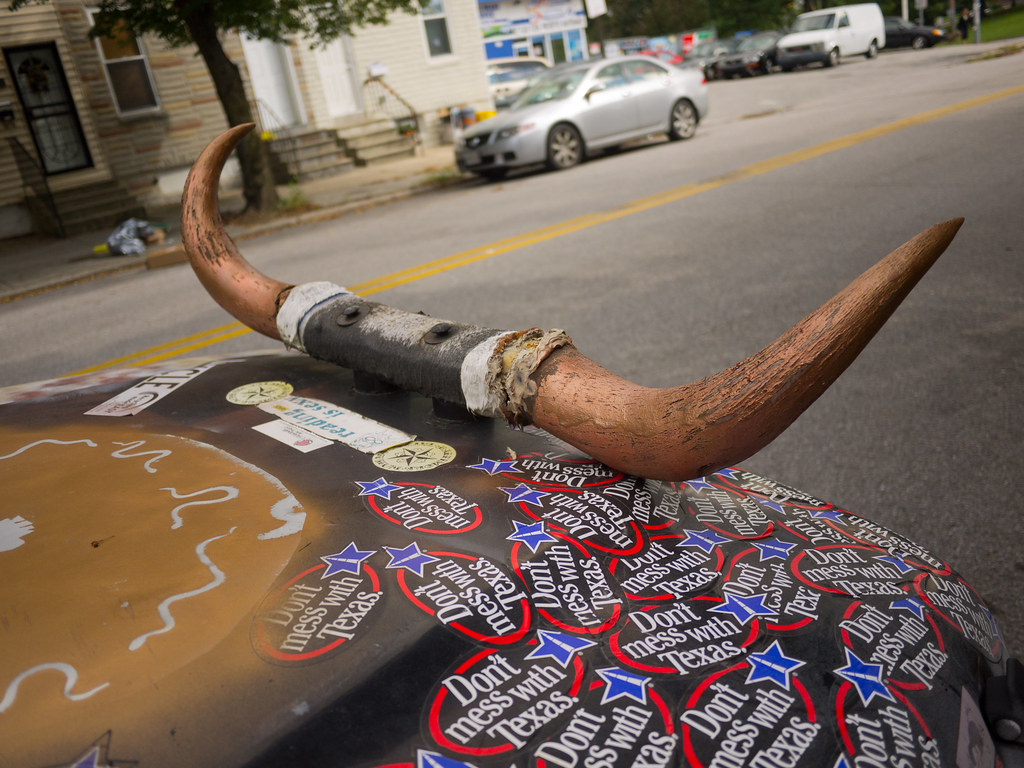
Don't mess with Texas, Hamden
"Greatest City in America." Hamden
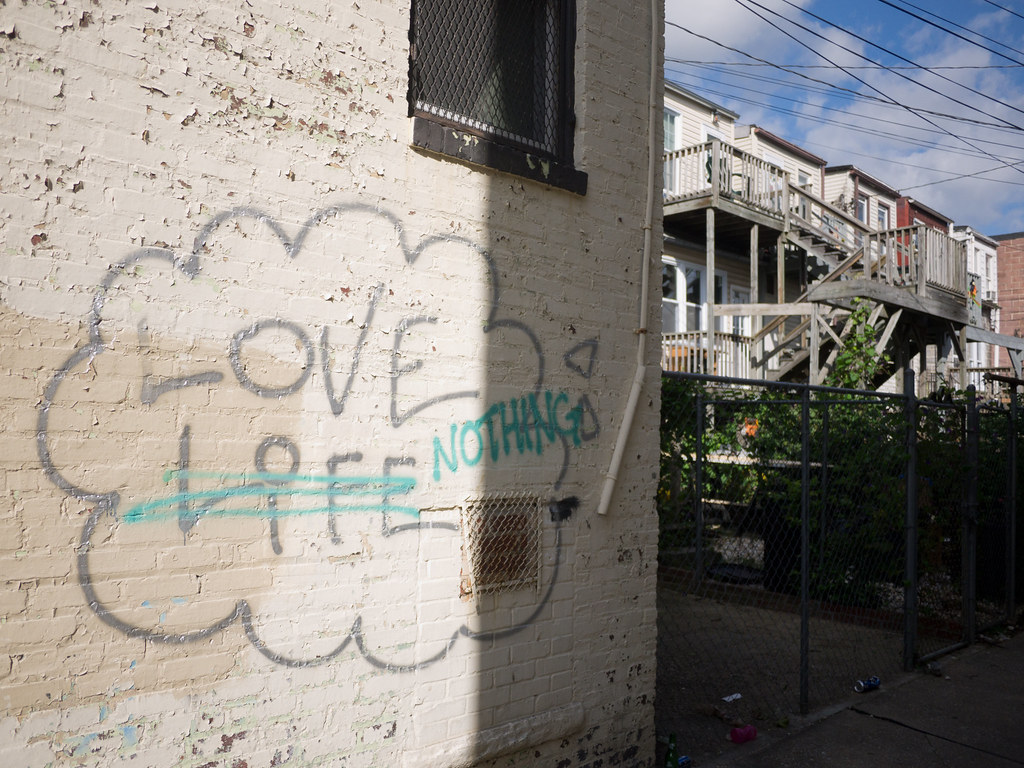
Love, Hamden
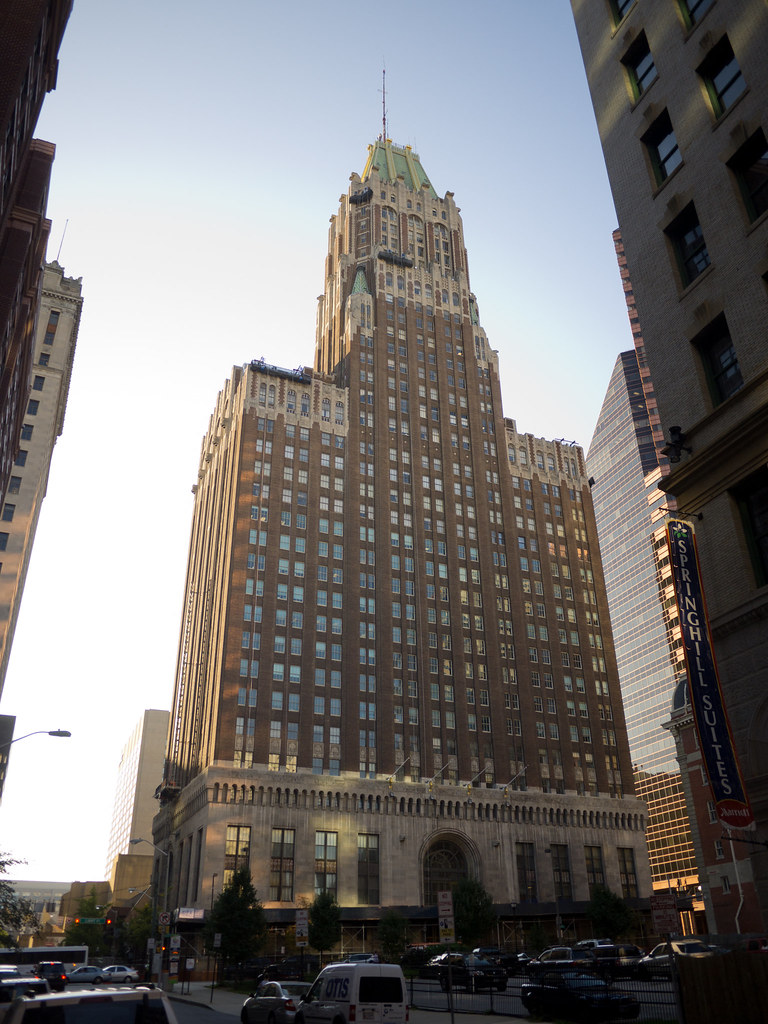
The wonderfully Art-Deco Bank of America building. Downtown Baltimore
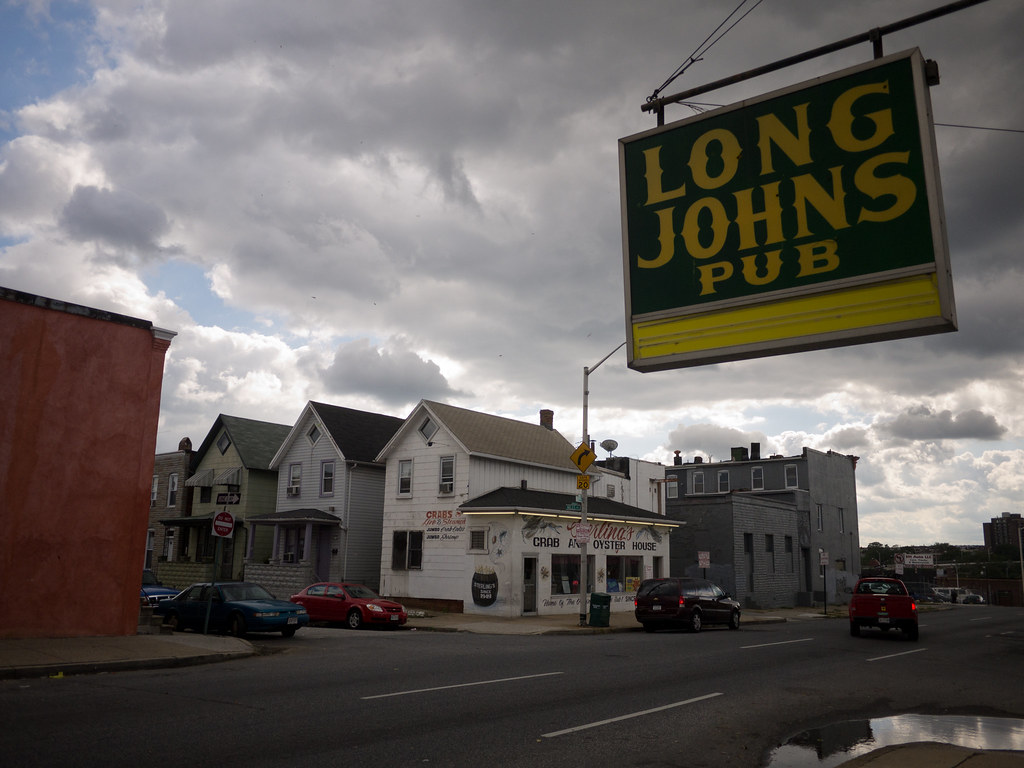
Long Johns, Hamden
Porch culture, Wyman Park
Storefront humor, Hamden
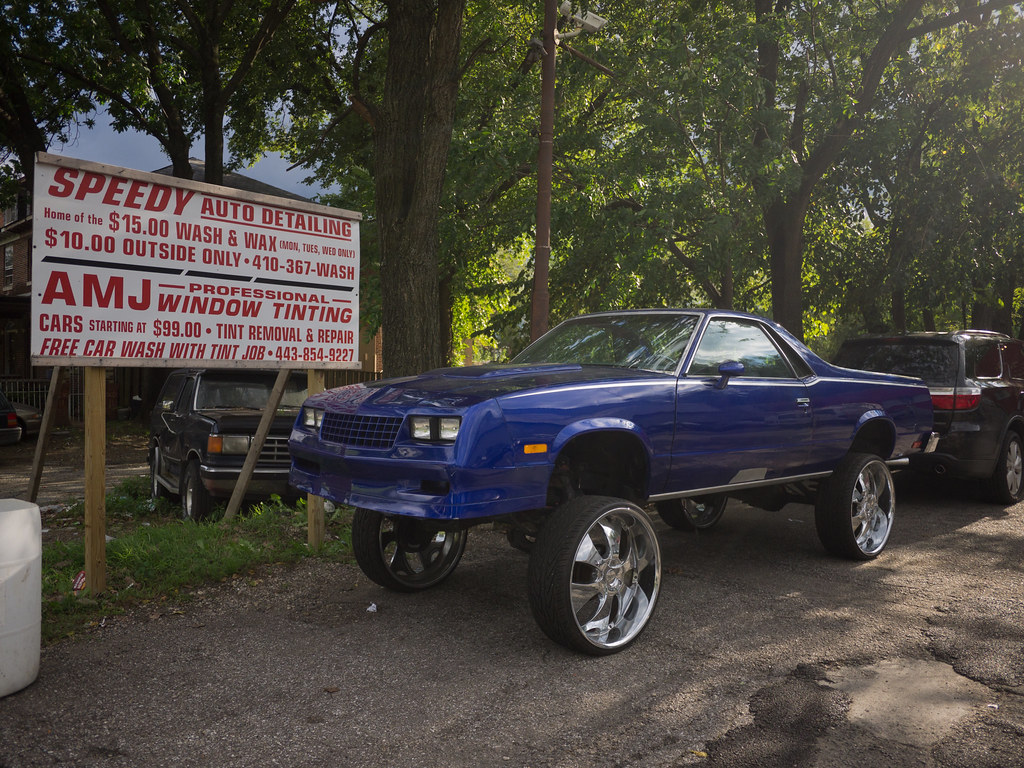
30'', West Baltimore

Pennsylvania Ave, West Baltimore
Fierce cat, Hamden
The abandoned Edgar Allen Poe housing projects, Southwest Baltimore
Chav, Hamden
Kandahar, West Baltimore
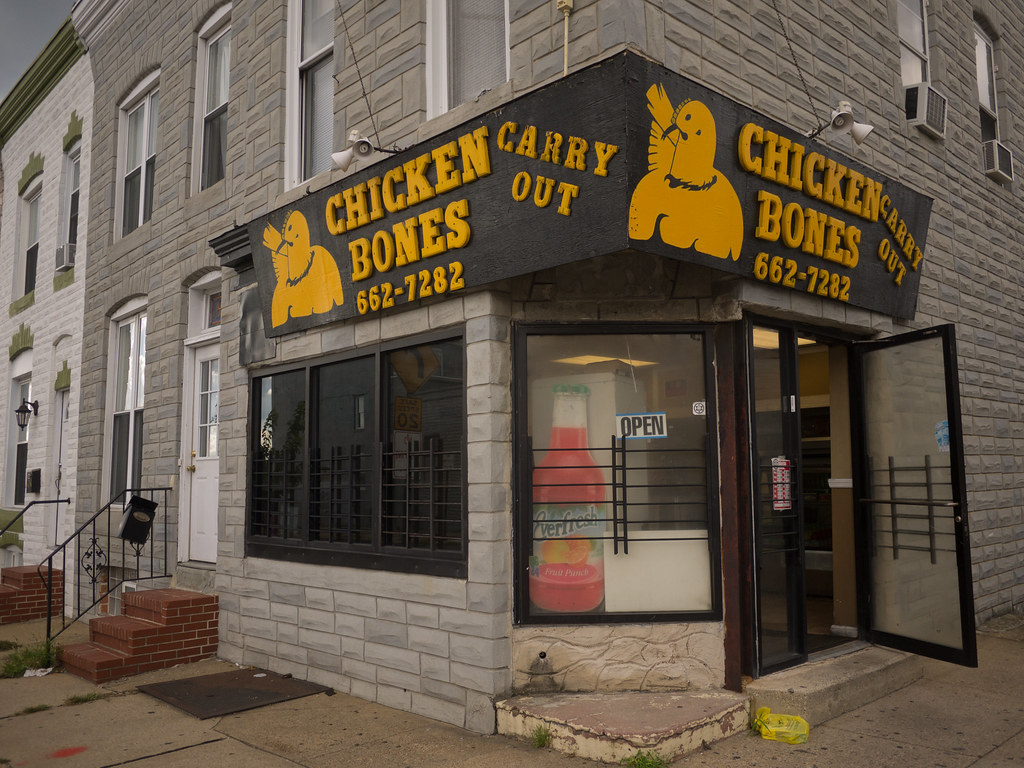
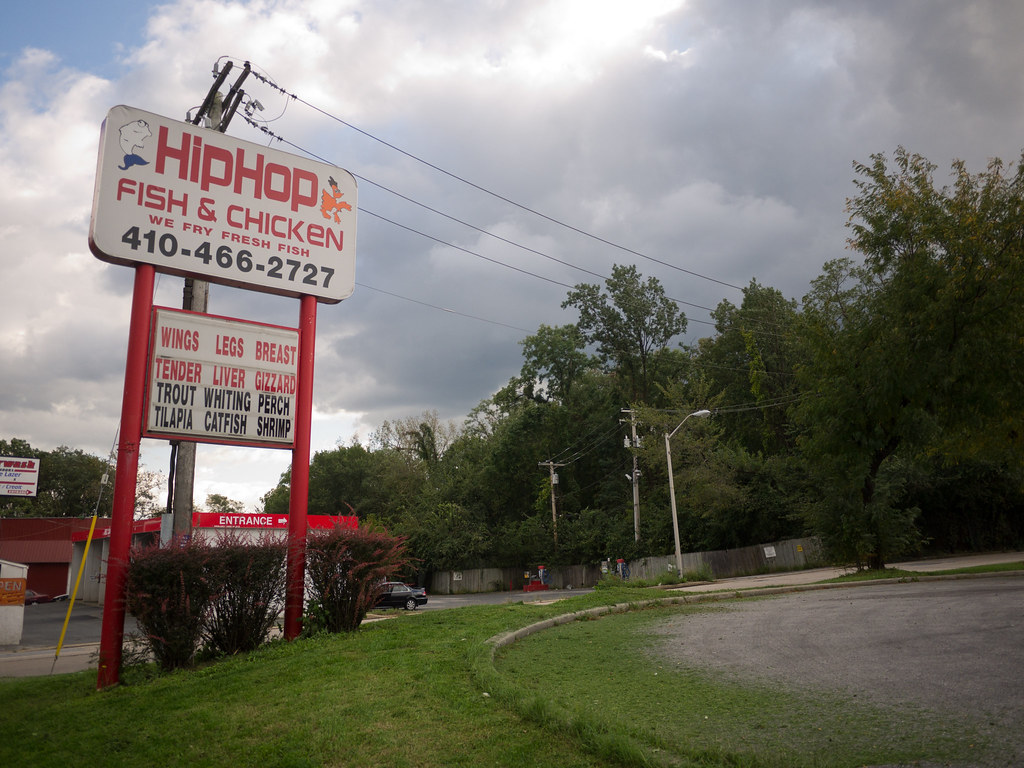
Hip-Hop Chicken, West Baltimore

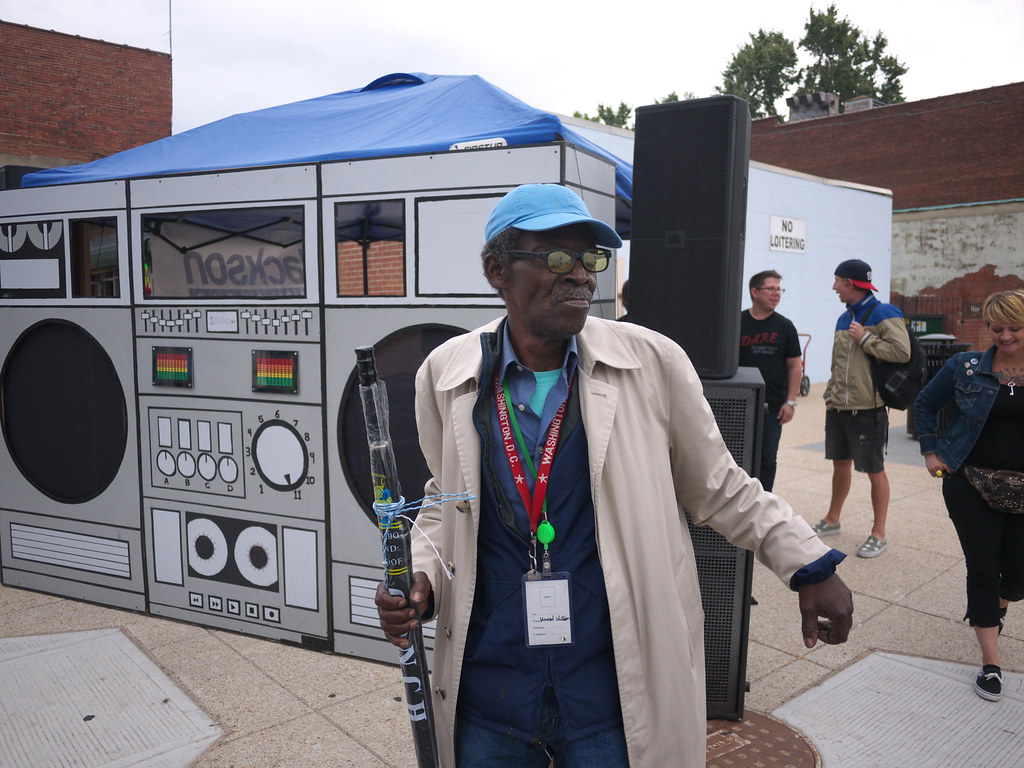
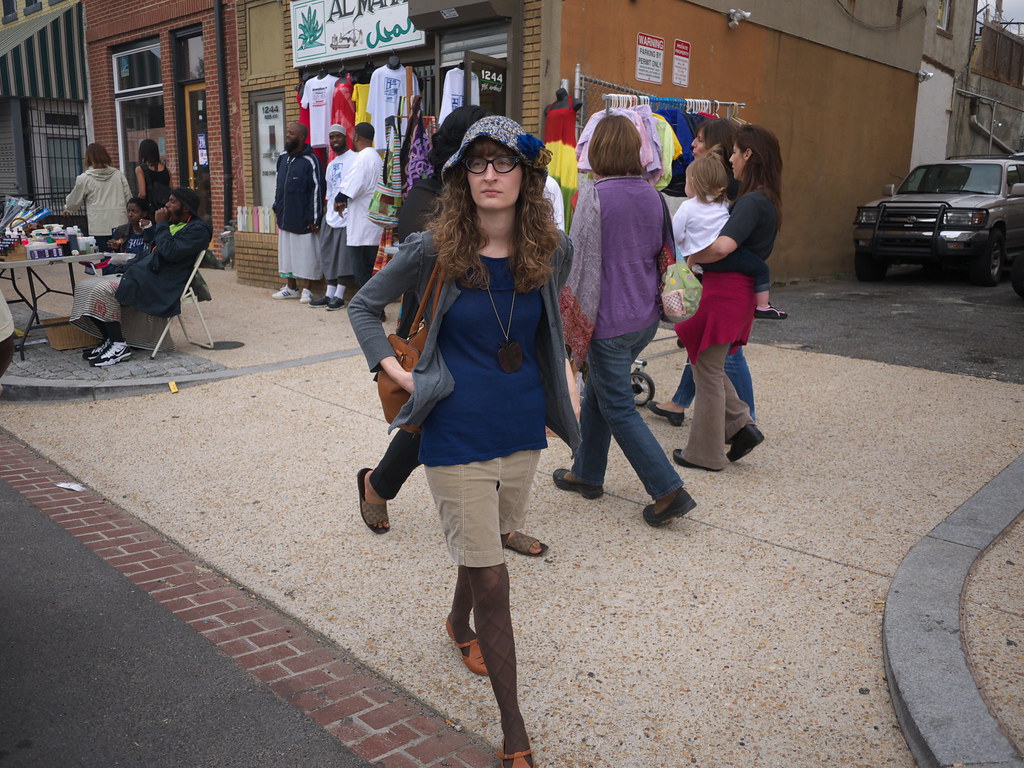
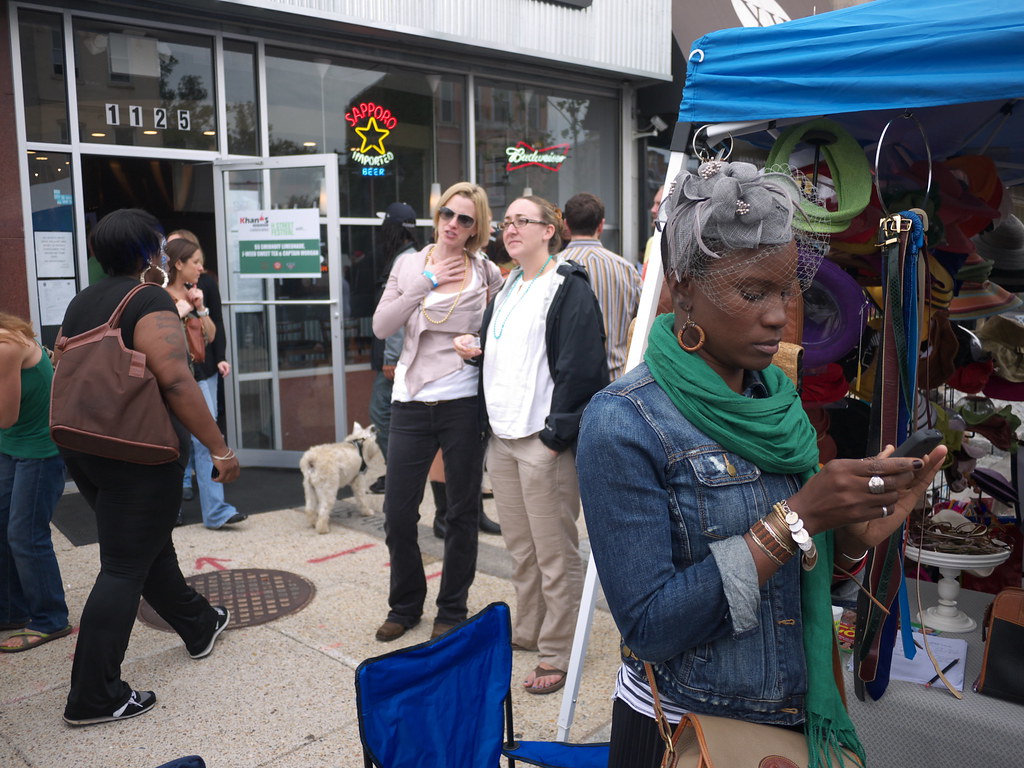
2011 H Street Festival

Sunday, September 18, 2011


Mid-September Mishmash

Thursday, September 15, 2011

Loulou, Uni
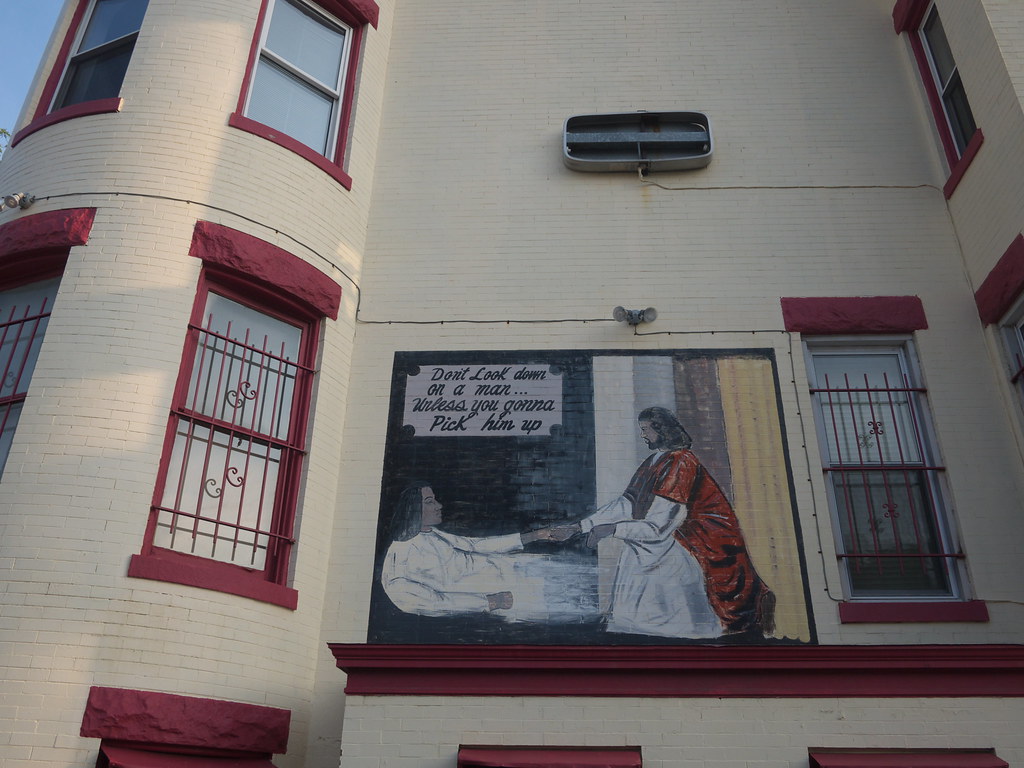
Religion, Bloomingdale
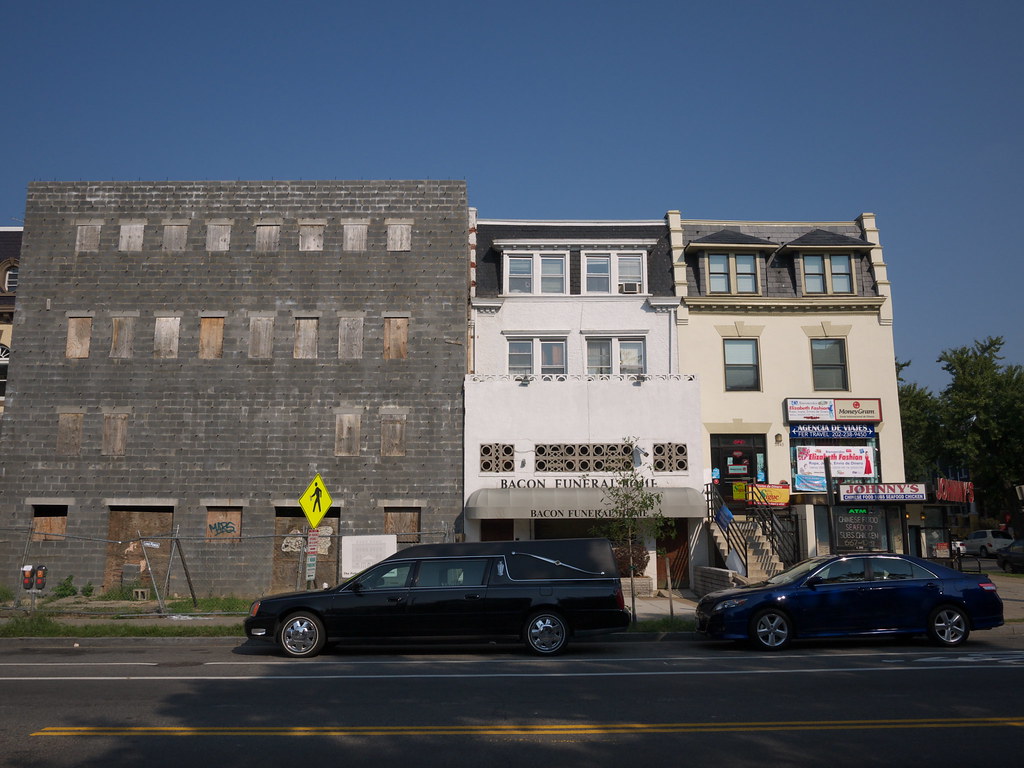
Bury me with Bacon, Columbia Heights
One of these is not like the others, Adams Morgan/Woodley Park
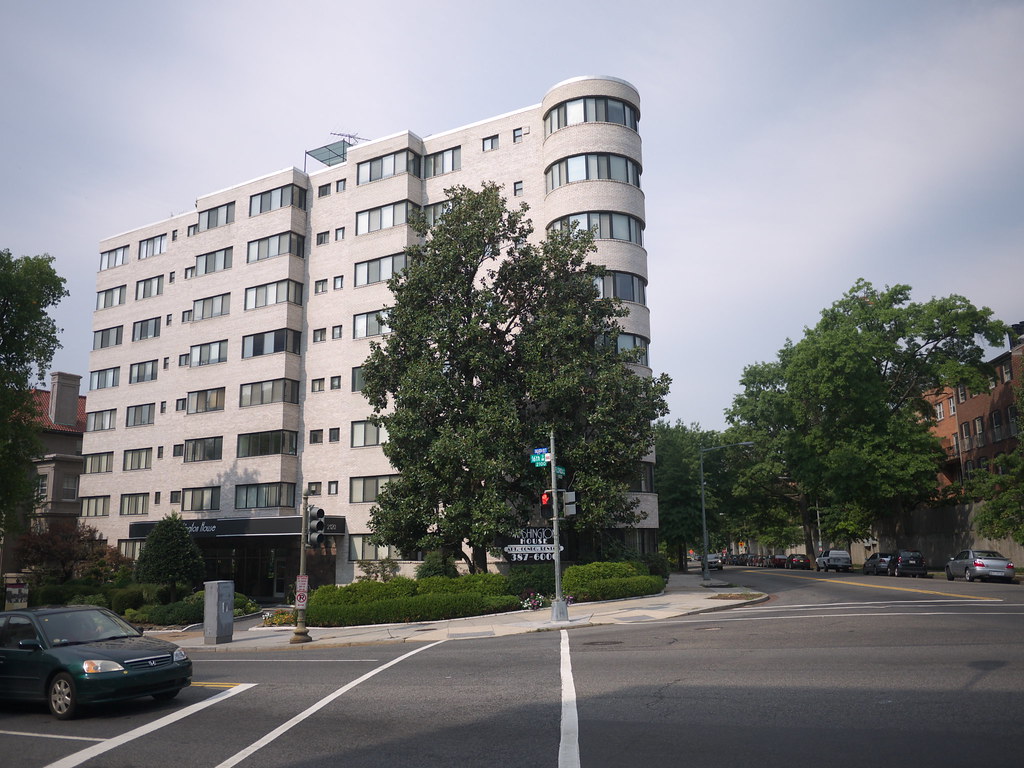
Moderne apartment, 16th St., NW
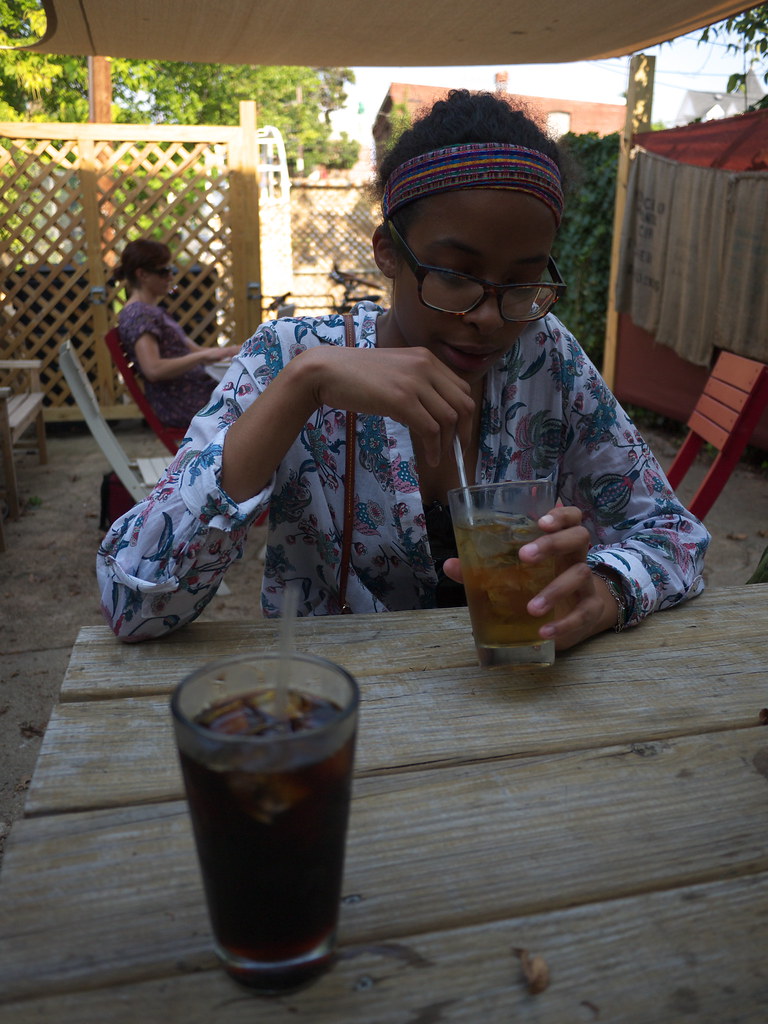
Safi, Qualia Coffee, Petworth
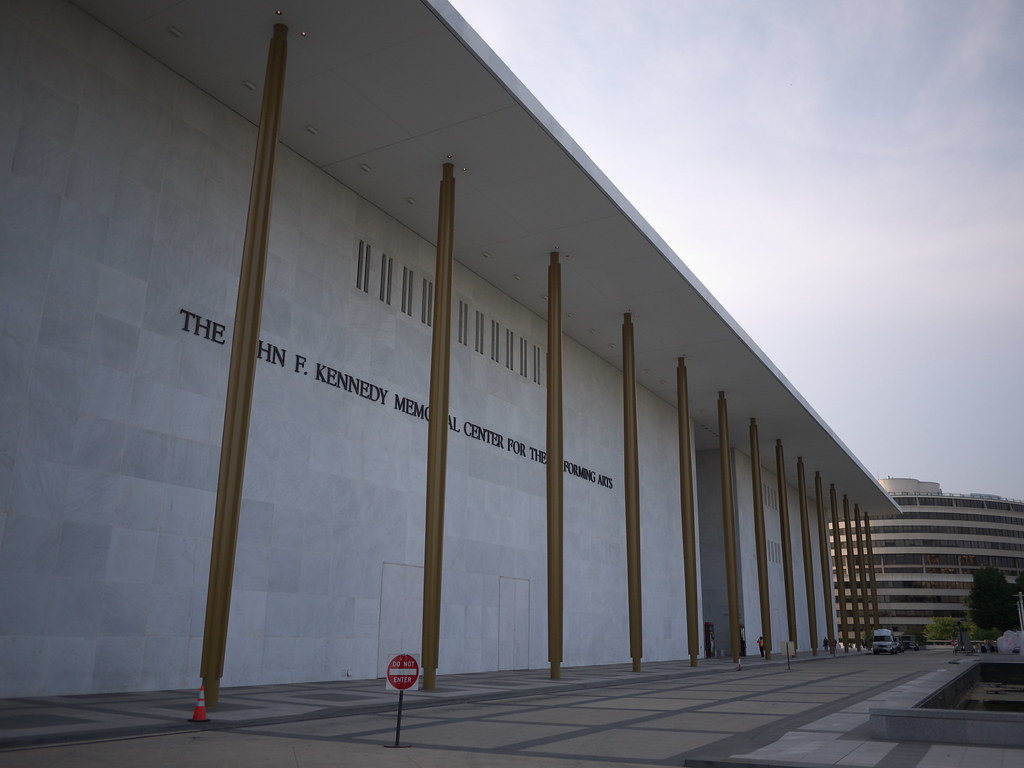
JFK Memorial
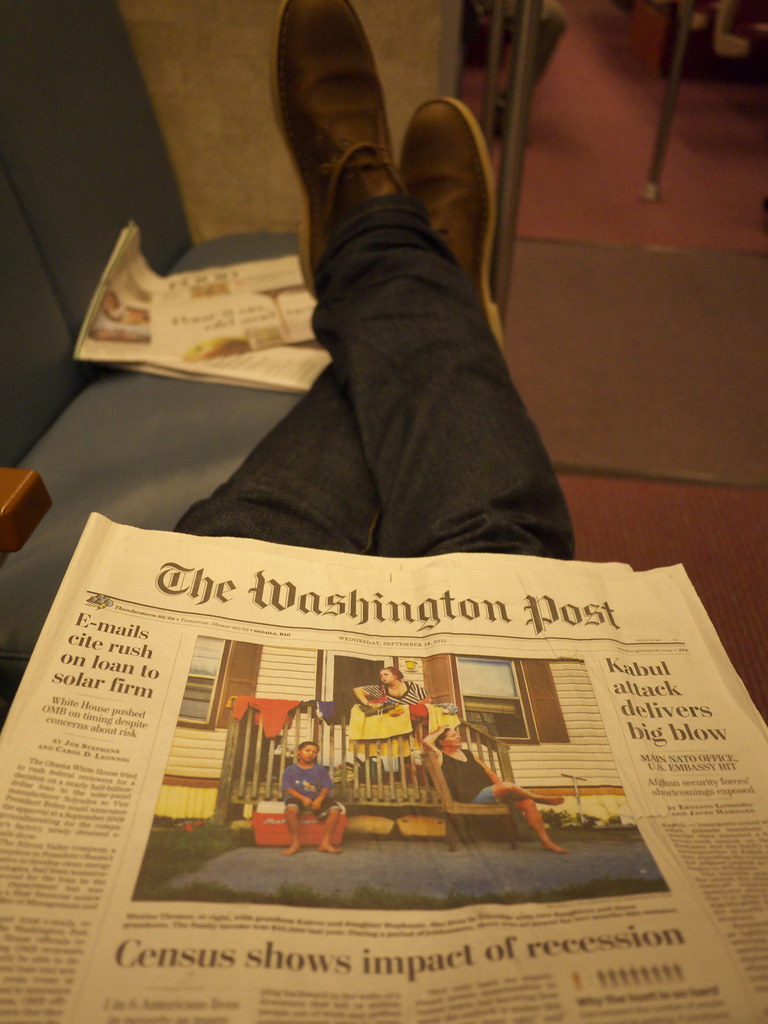
Bad news on the Yellow Line
Neo-French Modernism, Foggy Bottom
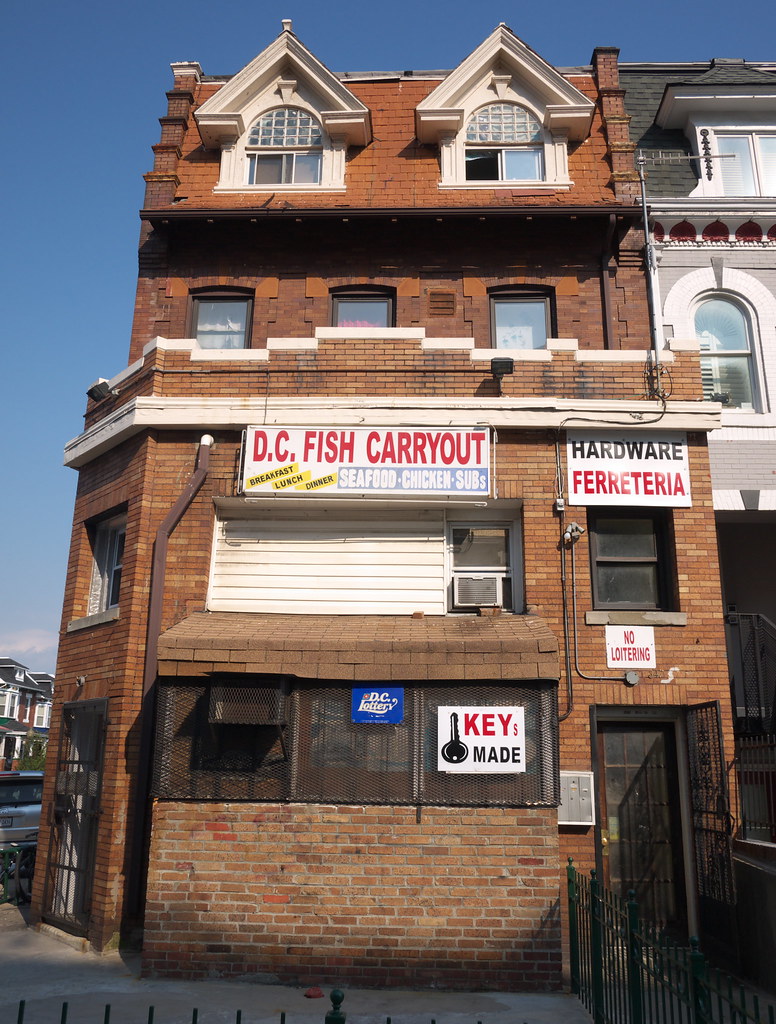
Fish & Keys, Columbia Heights
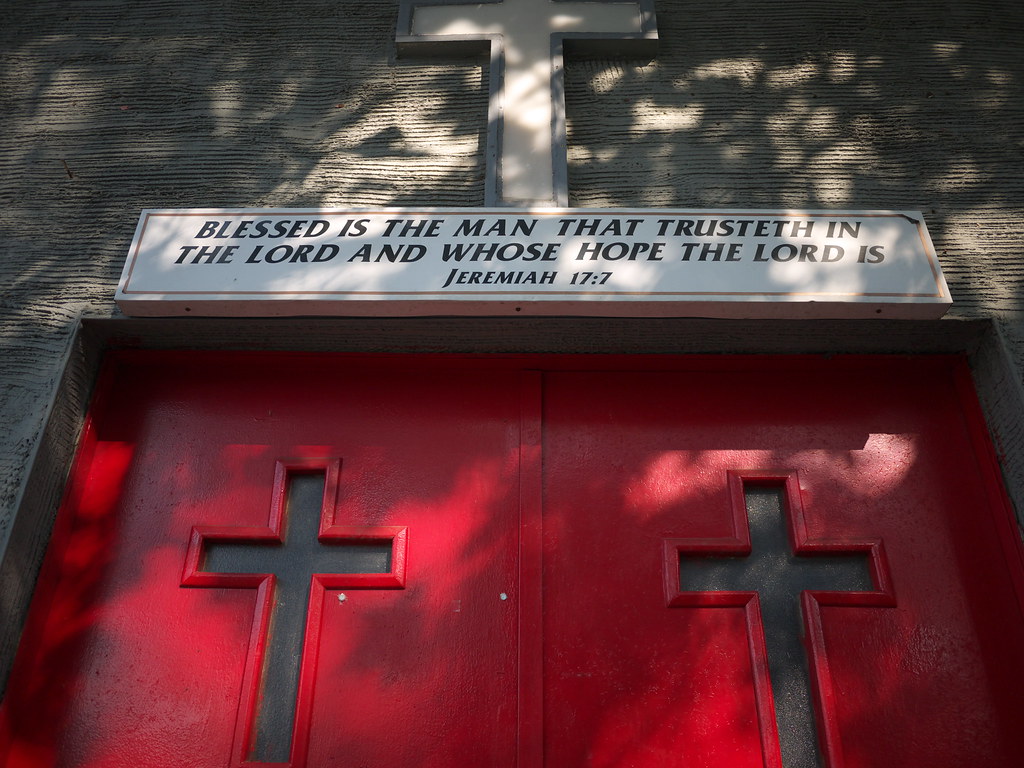
Church, Columbia Heights
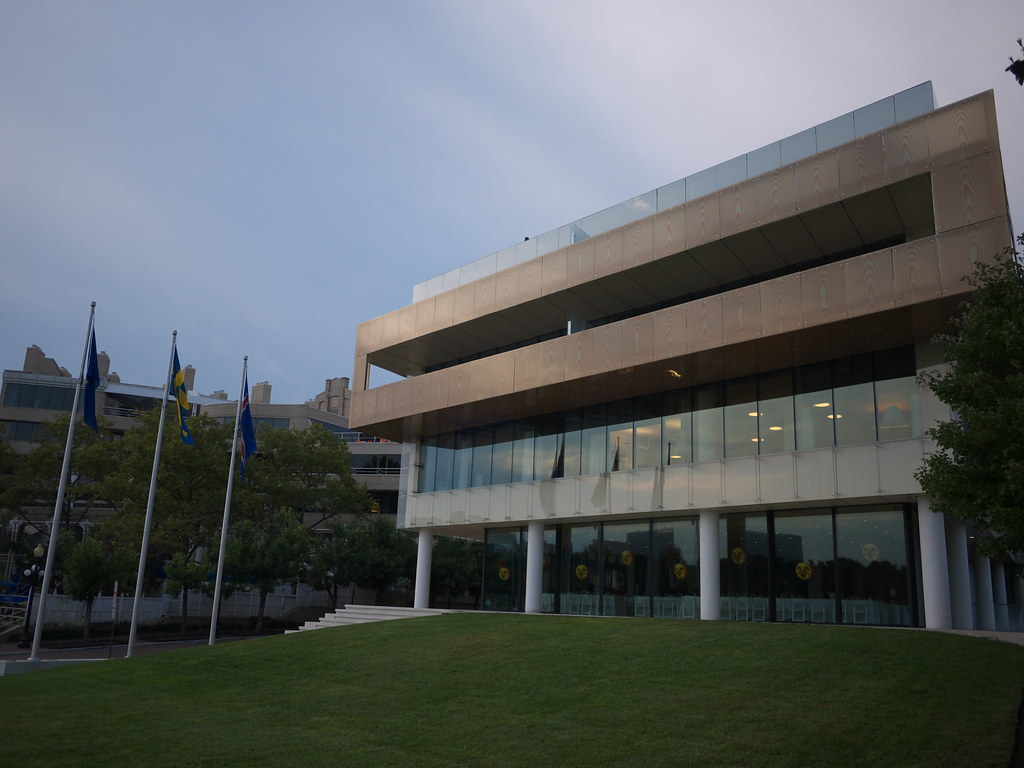
The joint Swedish and Icelandic Embassy, Georgetown
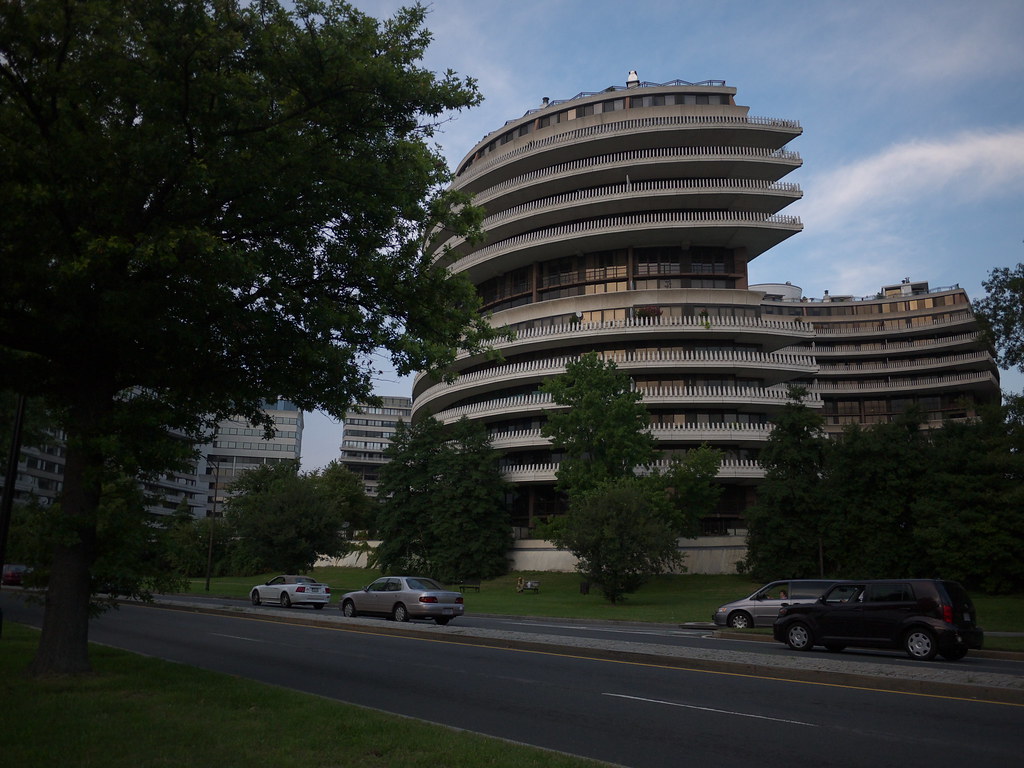
Watergate
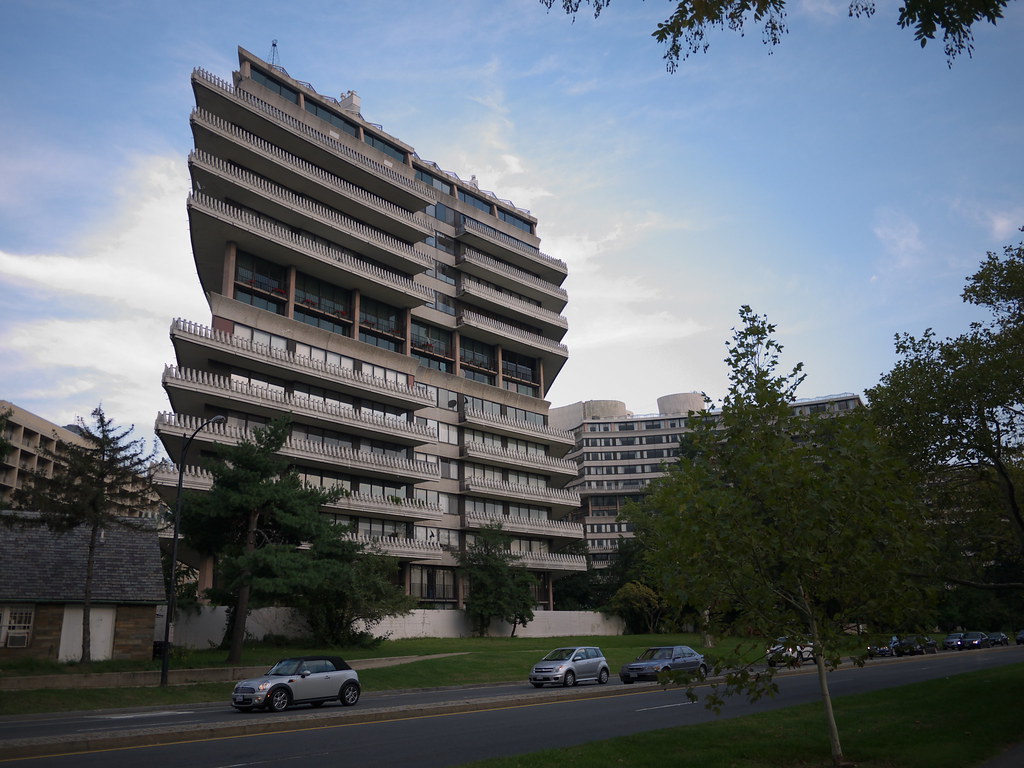
Watergate
Georgetown street scene
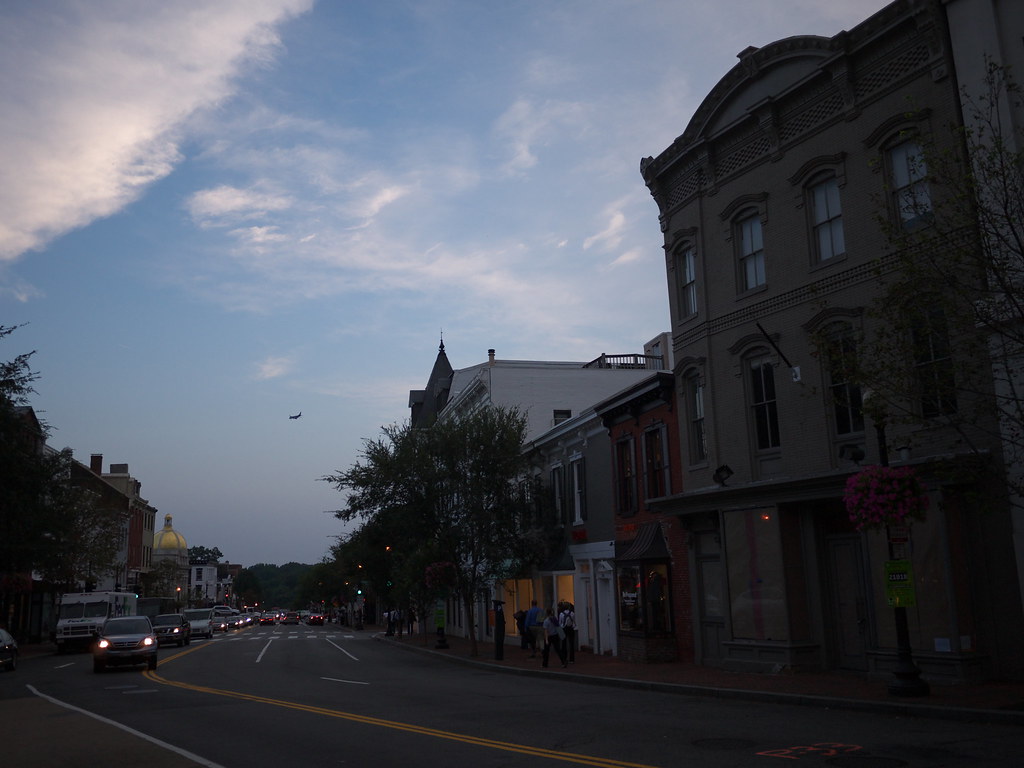
Georgetown Evening

Washingtonian Impressions

Saturday, September 10, 2011

Now three weeks into life in Washington, DC, I would like to reflect a bit. A month ago, I moved here for school, primarily because it is the best city for my major, International Relations. The amount of internships, jobs, careers, volunteer opportunities available are incredible. Despite being the Capital, DC is smaller and more intimate than one would think. With charming rowhomes - as opposed to imposing, light-blocking skyscrapers - and friendly, sweet tea-drinking locals who always say hello, it can more resemble a genteel Southern town. Granted, a genteel Southern town with an outsized international political influence and standing.

Compared to other places, people here are extremely career-oriented. About half of the city is comprised of overachieving, ladder-climbing nerds here for government jobs and internships. It is a very segregated city, with the city’s NW quadrant and close-in locales, like Arlington, being the primary domains of the city’s young and white. In a stark contrast to other areas, these parts are typified by manicured rowhomes, new condos, bike lanes, dog parks, coffee shops, and quaint, sidewalk cafés. Blocks away from safe, yuppified enclaves, often lie places like Trinidad, an almost-exclusively black nabe best known for the (unconstitutional) intrusive police checkpoints of July 2008. By contrast, rundown homes, fried fish shacks, barber shops, and Eritrean-owned, bulletproof glass liquor stores dominate the landscape of NE and SE DC.

Still, several of my favorite DC neighborhoods are in the large, multifaceted NW section. Easily the center of DC’s political, social, and cultural scenes, it is home to my favorite (DC) neighborhood, Columbia Heights, as well as many embassy events, of which I try my best to attend. One of few integrated nabes, it is roughly one-third Latino, White, and Black, giving it a multiculturalism otherwise absent in the city. Bizarrely, it is a place where professionals and their million-dollar “dream homes” can coexist alongside violent, troublesome Section 8 housing, and crowded Salvadoran tenements. That said, it is the food options that deserve much praise: a wealth of contemporary American, Salvadoran, Vietnamese, Peruvian, and Caribbean options makes it a local culinary paradise. The cheap Peruvian pollerías are particularly abundant and tasty.

Supposedly, it is a “hipster” neighborhood, yet I see more people in suits and ties than skinny jeans, plaid shirts, vintage floral skirts, or on fixed-gear bikes. Business attire, along with awful Flyover Country university apparel. All over DC, I see far too many people walking around in University of Michigan or University of Texas-Austin shirts, as if they are still living in dorms. Curiously, DC lacks the hipster (basically, 18-35 y/o’s with interests previously deemed unconventional, but are now conventional) scene popular elsewhere. Migrants here are attracted by well-paying Federal jobs and political ambition; not hipster incubators like street art, dive bars, cheap rents, or indie music.

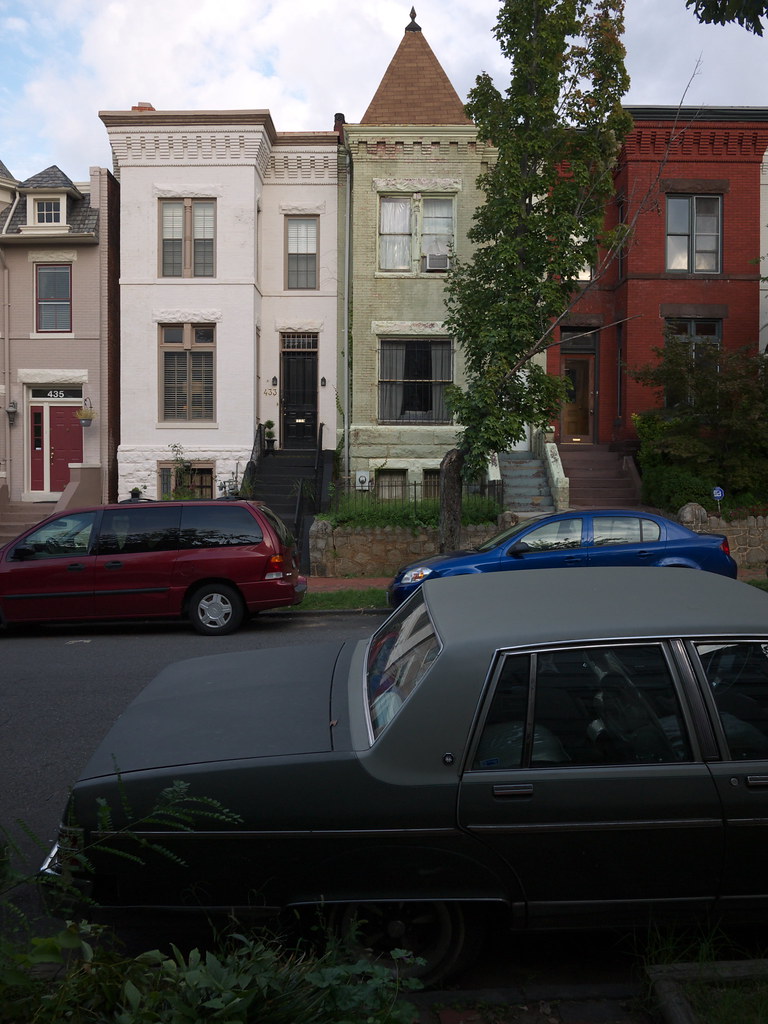
Bloomingdale, the first part of the city built outside of the L’Enfant Plan, is another favorite, even if somewhat isolated and lacking in amenities. Residential, with a coffee shop as its only meeting place, its turreted Victorian rowhomes are among my favorite, having every bit of the detail as the more expensive, better-known ones in Dupont and Logan. It is the city’s walkable, human-scaled rowhome neighborhoods that I find most ideal and livable.

Prevalent in neighborhoods with multi-generational native Washingtonians, like Anacostia and Petworth, is a quaint Southern vibe. People on porches greeting passerbyers, getting dressed up on Sundays, and Southern cuisine and mannerisms. Same goes for the WASPy Brooks Brothers look-alikes in Chevy Chase. On a personal note, the familiarity of sweet tea, peach cobbler and grits resonates well with my stomach. To this Angeleno, these traits, coupled with a distinctive Southern drawl, spell out an unmistakable Southern influence.


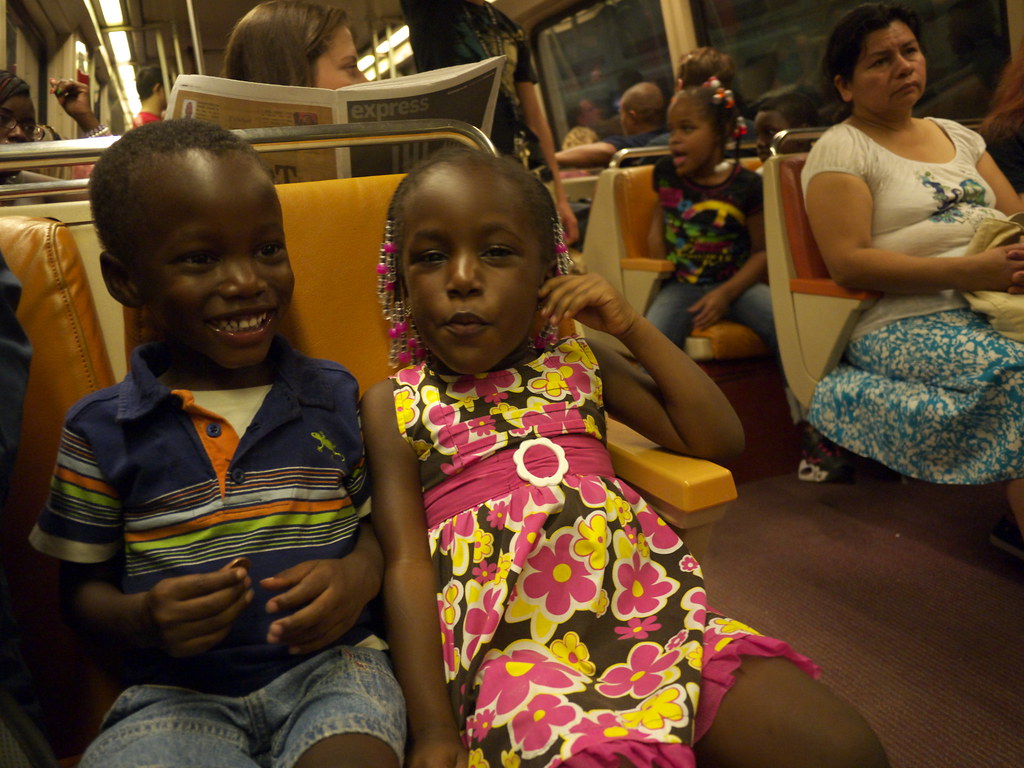
Kids, Metro Red Line
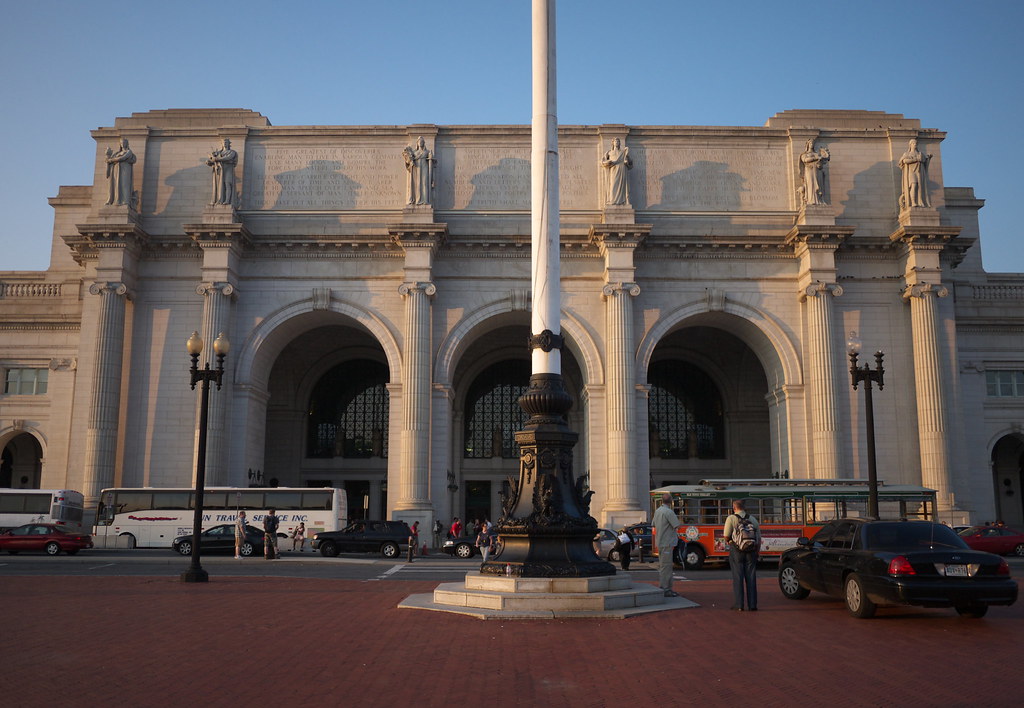
Union Station
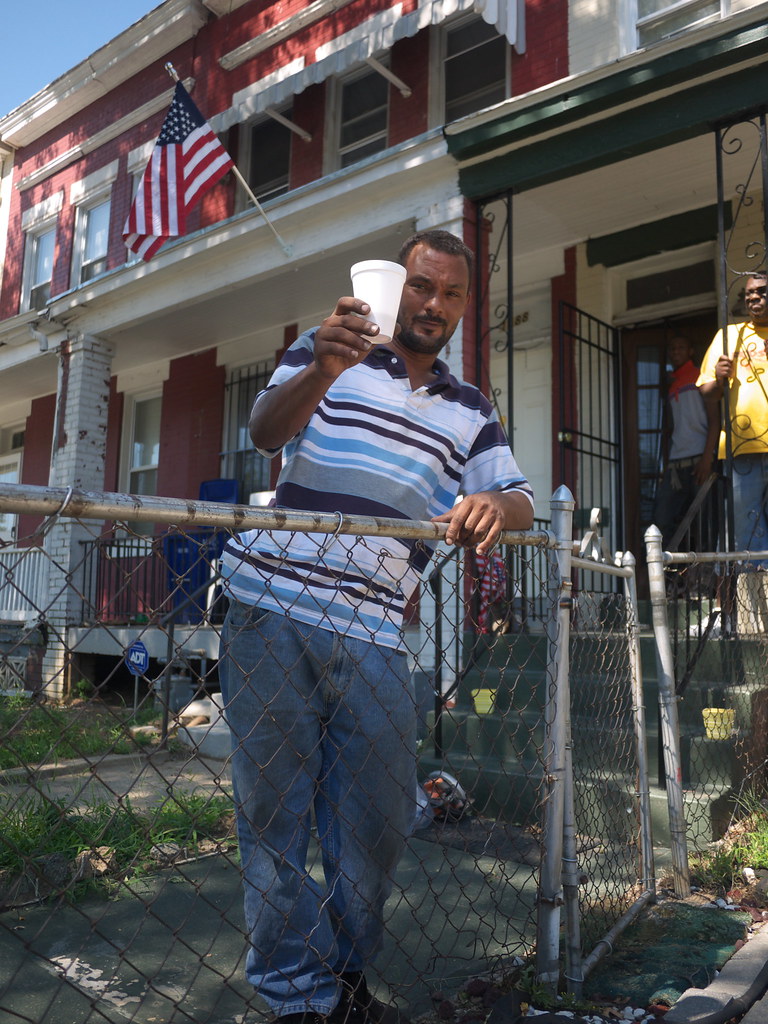
Don, Trinidad
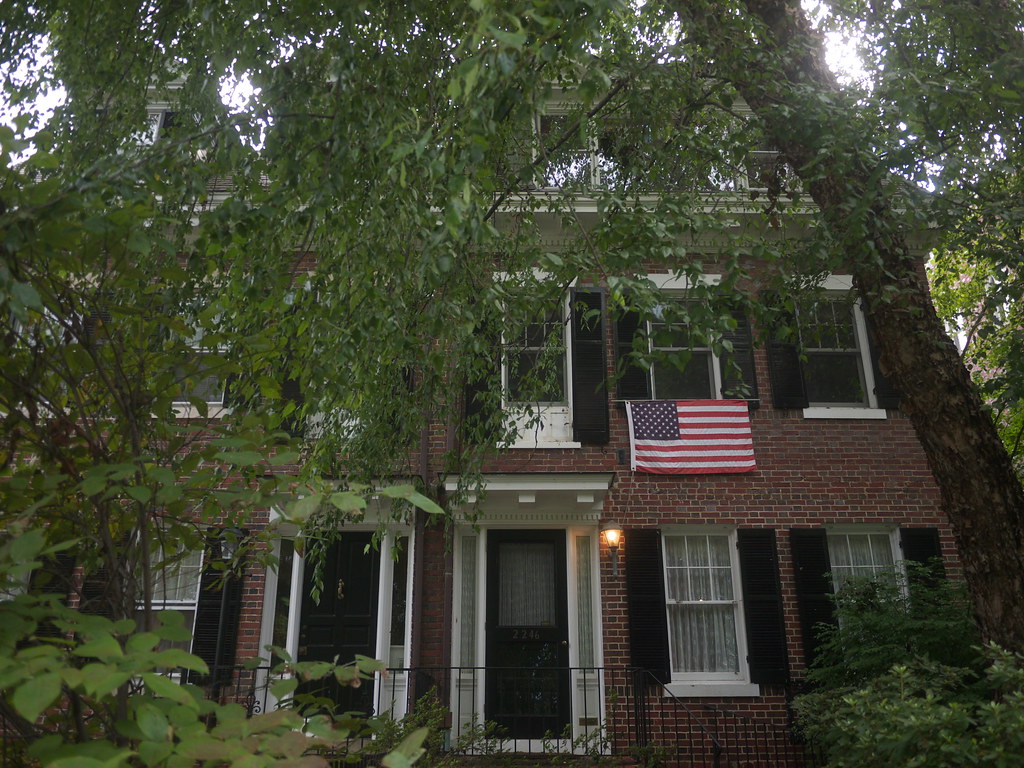
American flag, Woodley Park
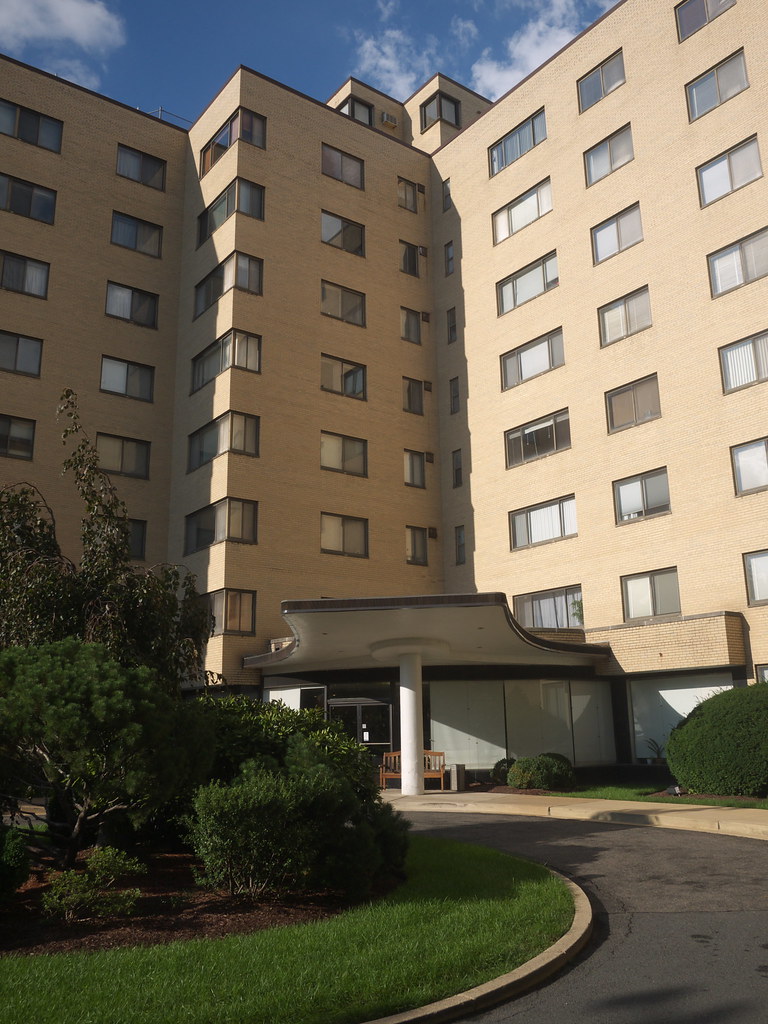
Streamline lobby, Cleveland Park
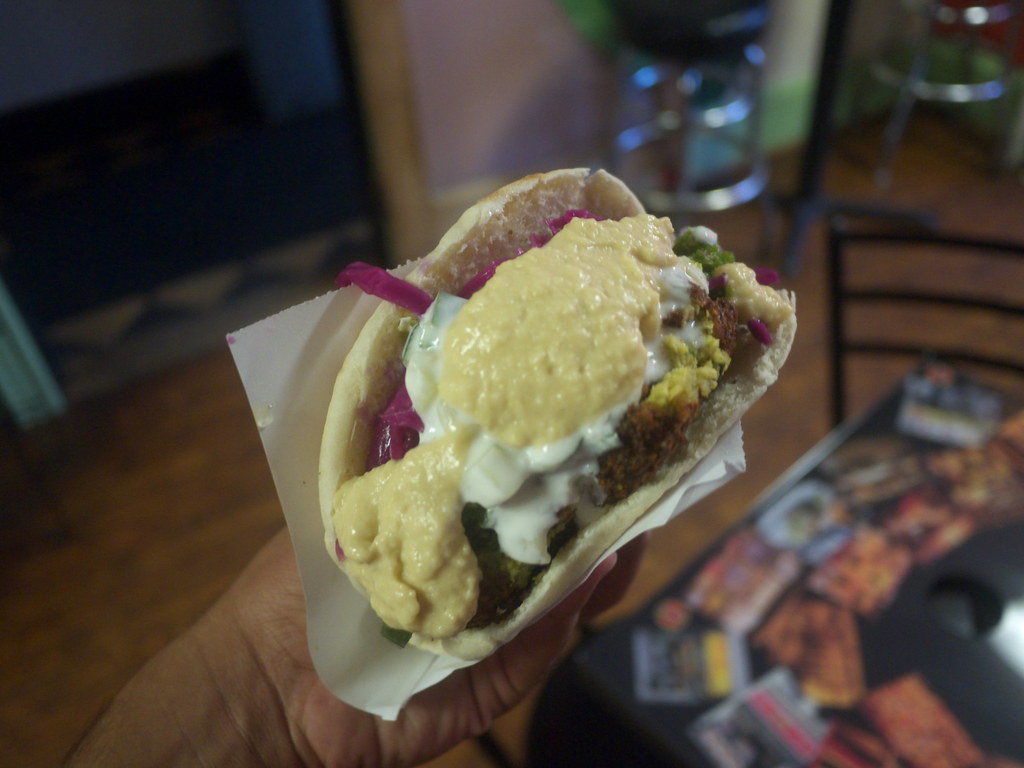
Falafel, Amsterdam Falafel
Clarendon Metro Station
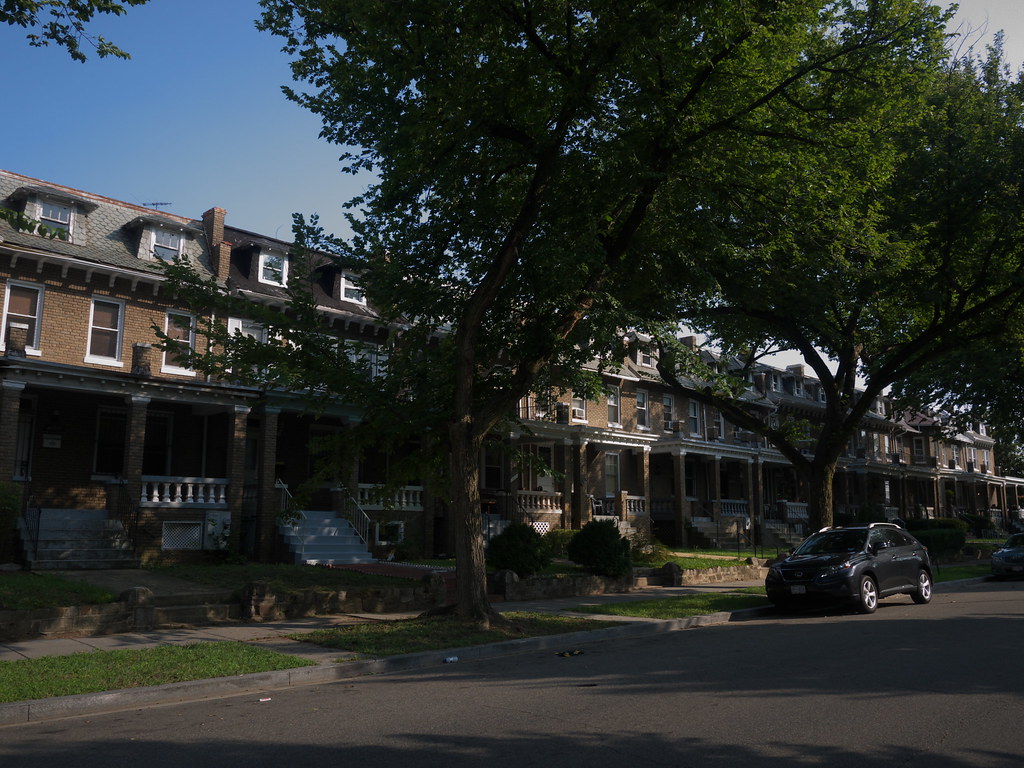
Petworth rowhouses
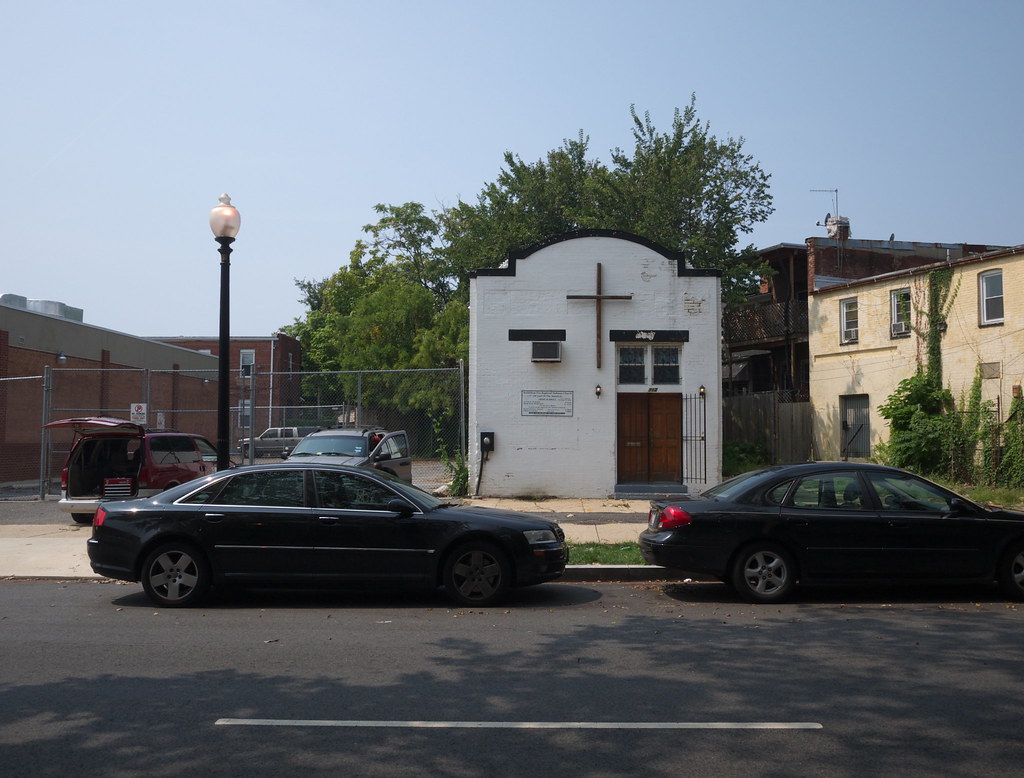
A Pastor's church and his car, NE DC
Best World, Mt. Pleasant
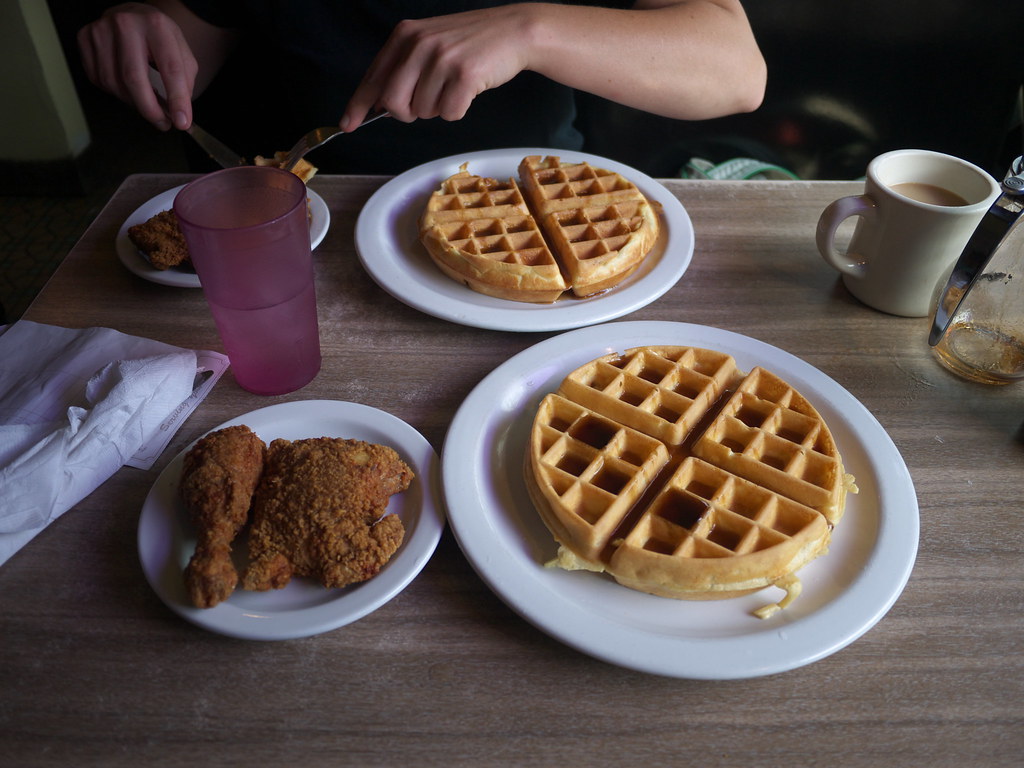
Chicken and Waffles, Capitol City Diner
Sunday morning, NE DC
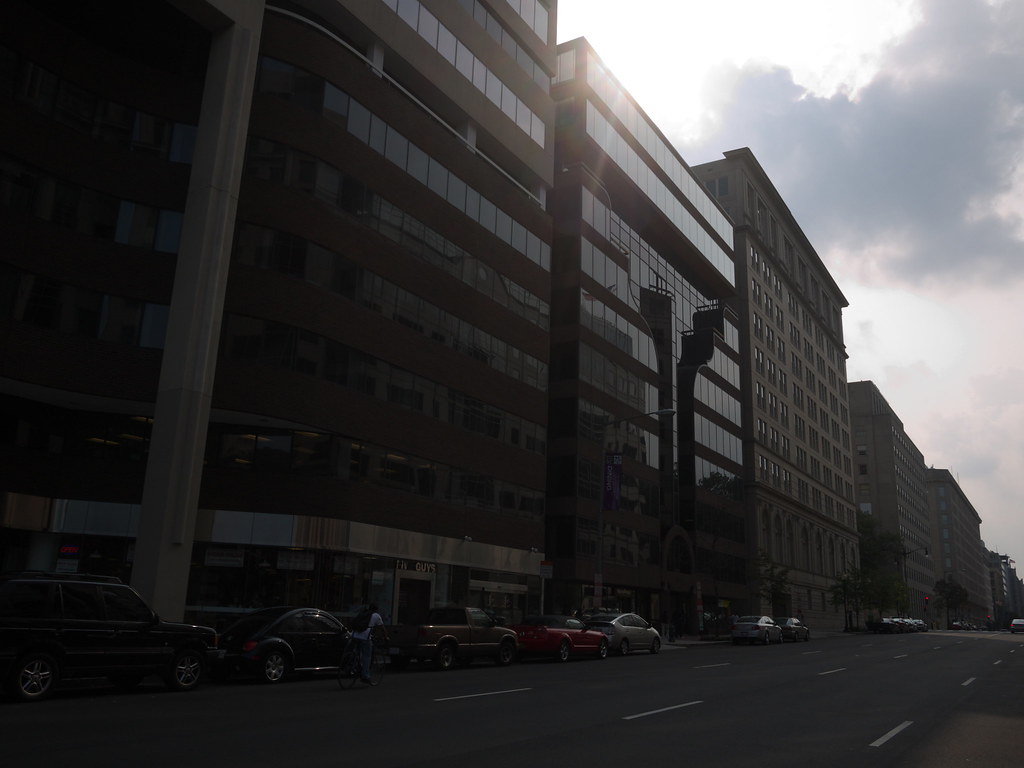
Downtown office blocks
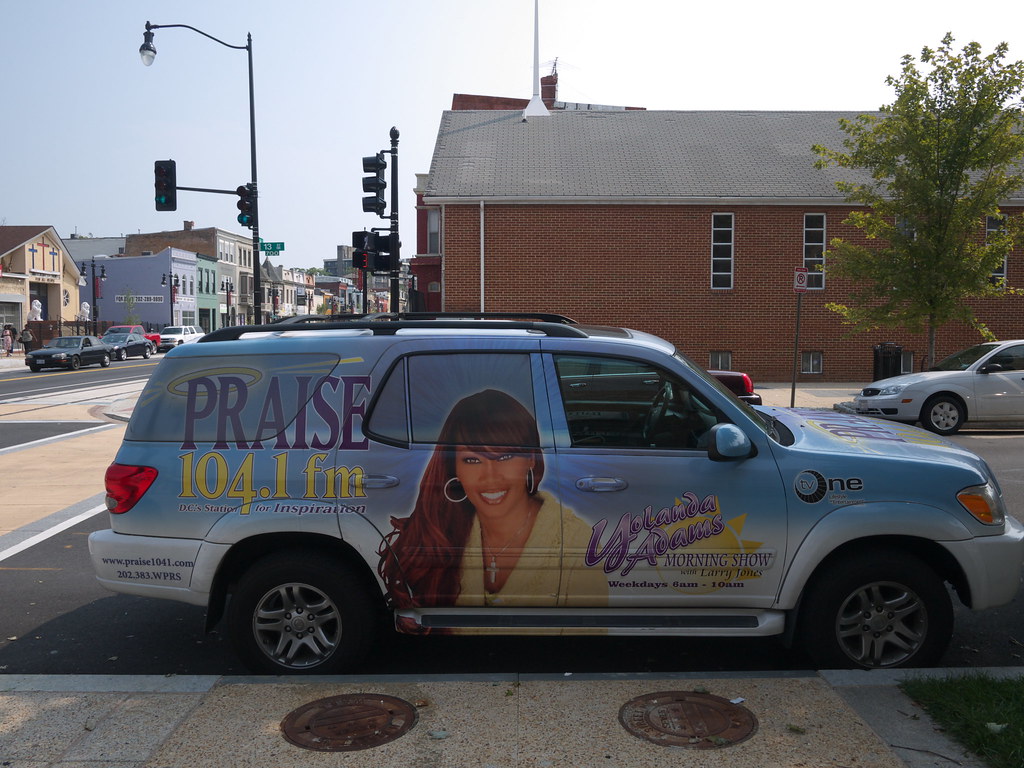
Radio PRAISE, H St., NE
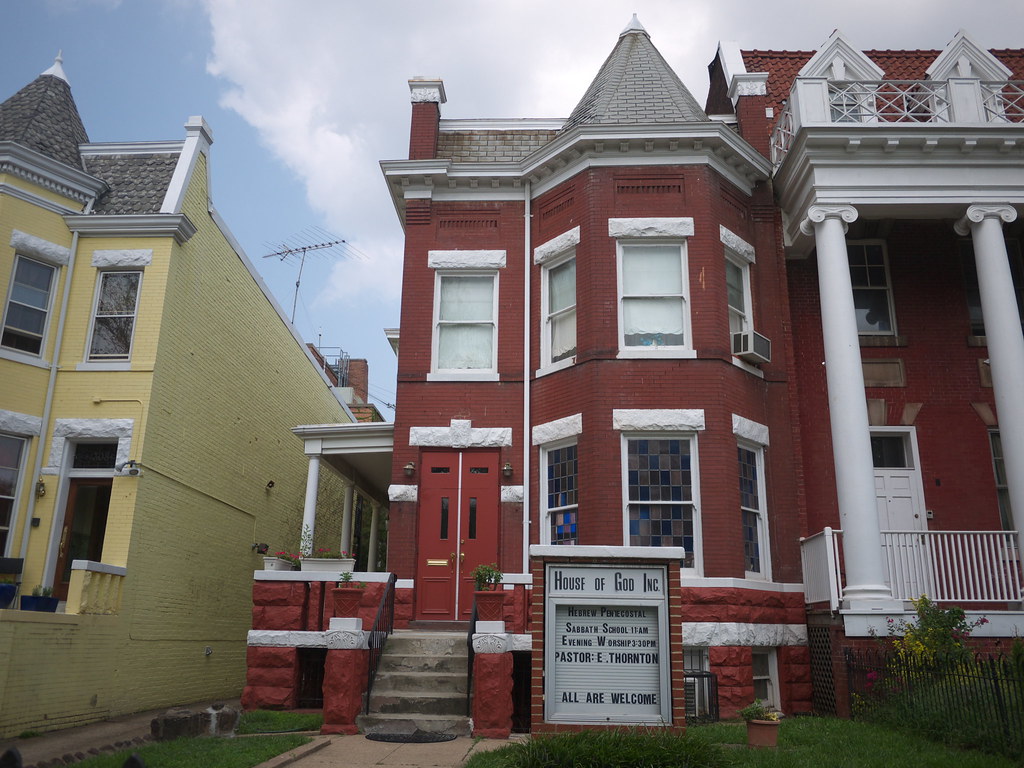
House of God Inc, Capitol Hill
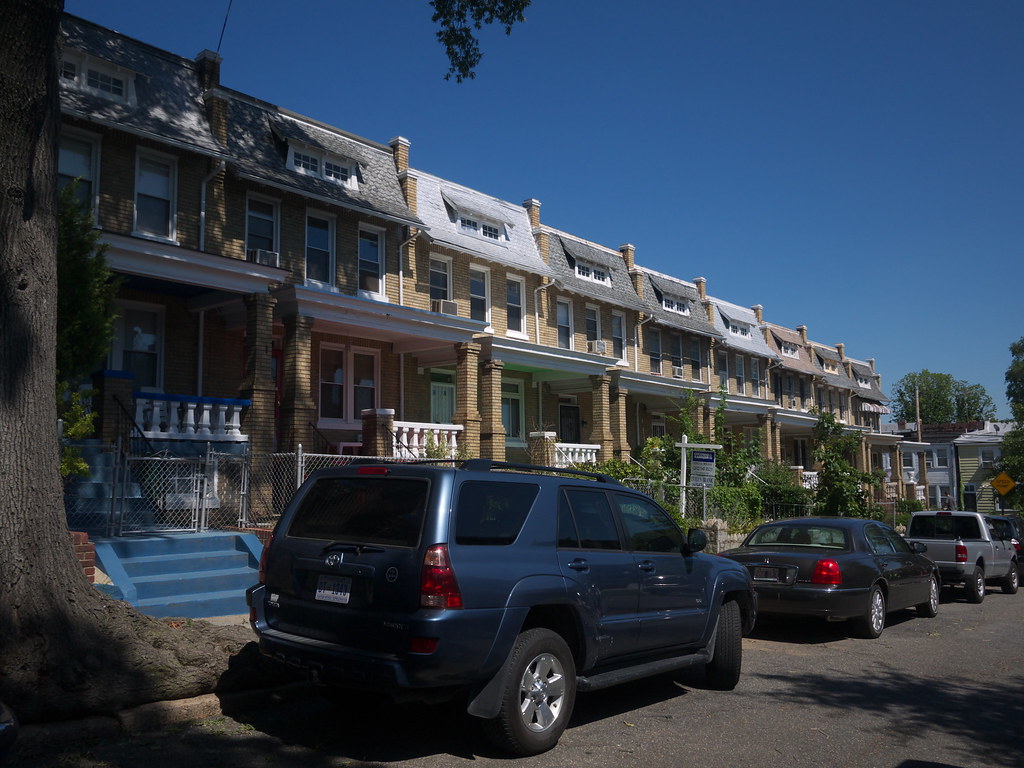
Trinidad rowhouses
Drank, Trinidad
Looking down N. Capitol St., NE